

 EN
EN English
 Español
 عربى
عربى русский
 中文简体
中文简体
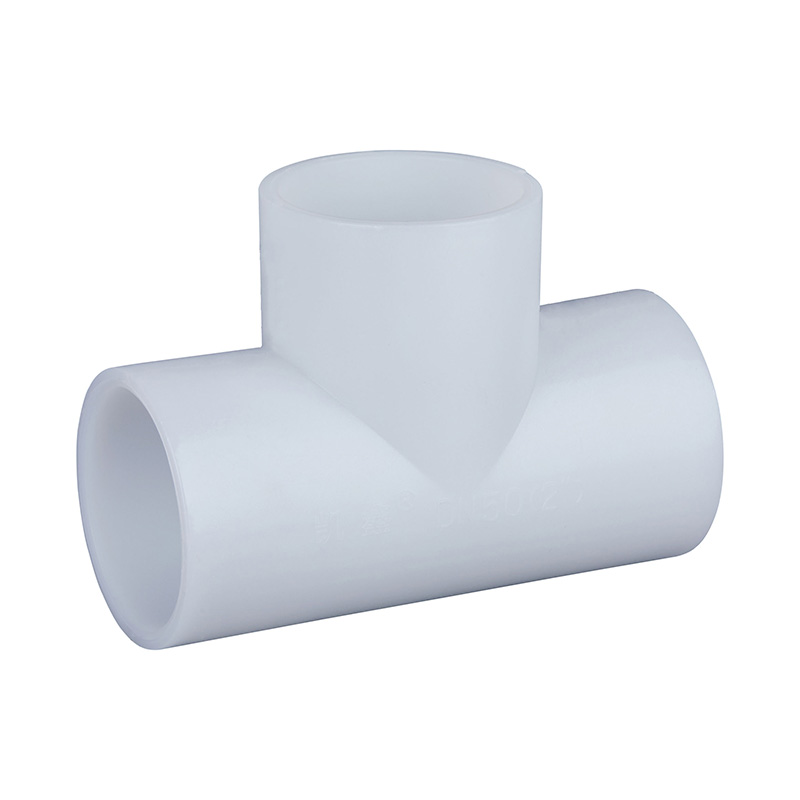
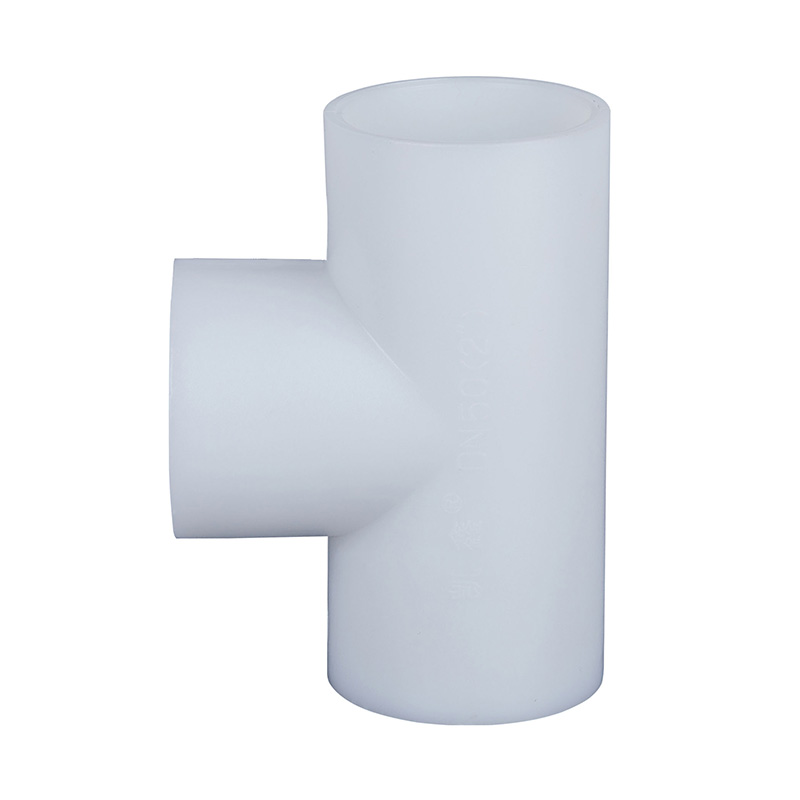
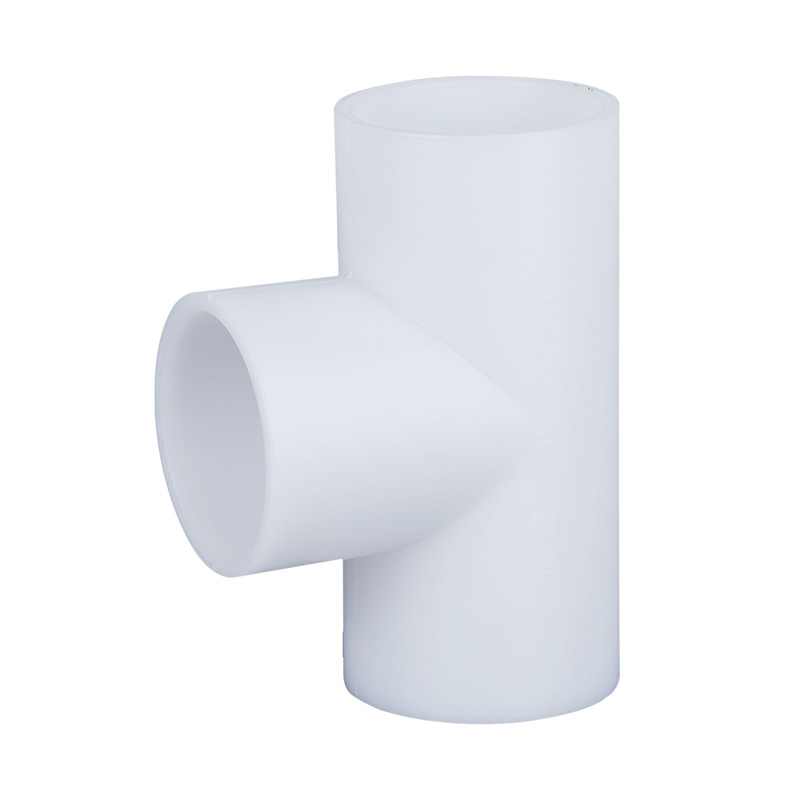
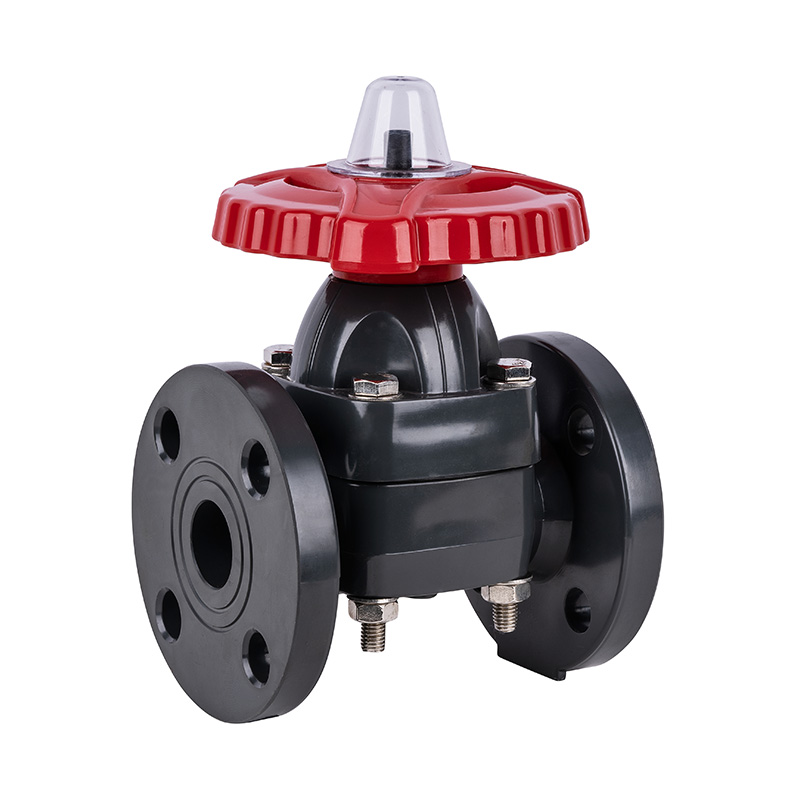
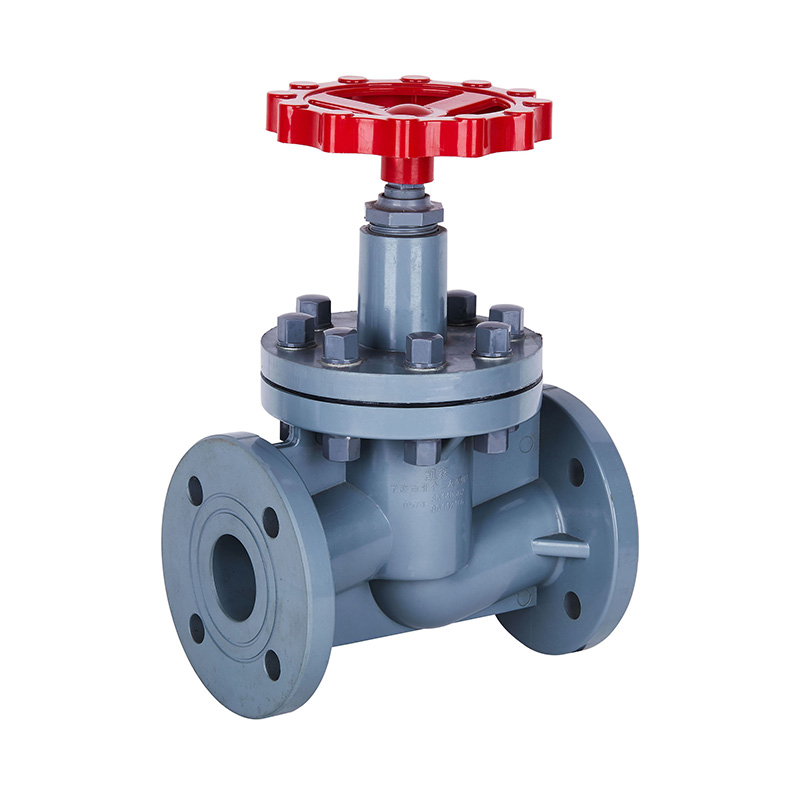
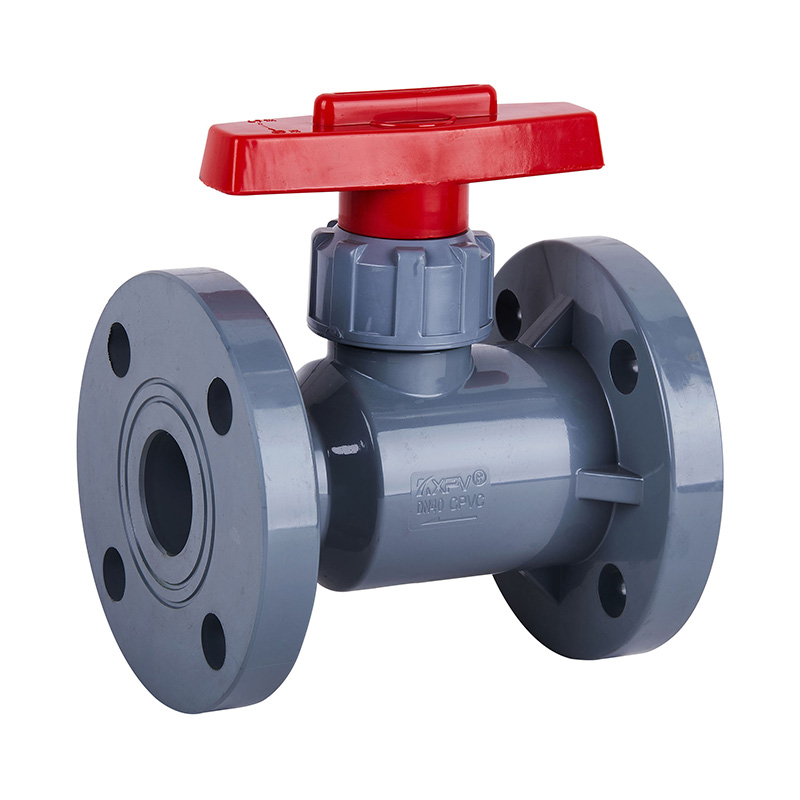
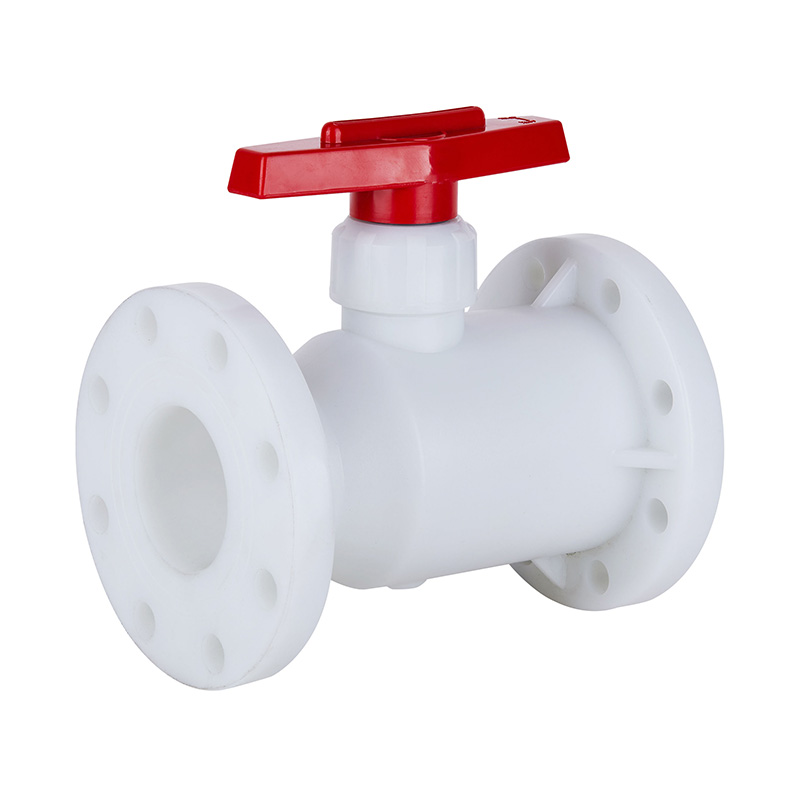
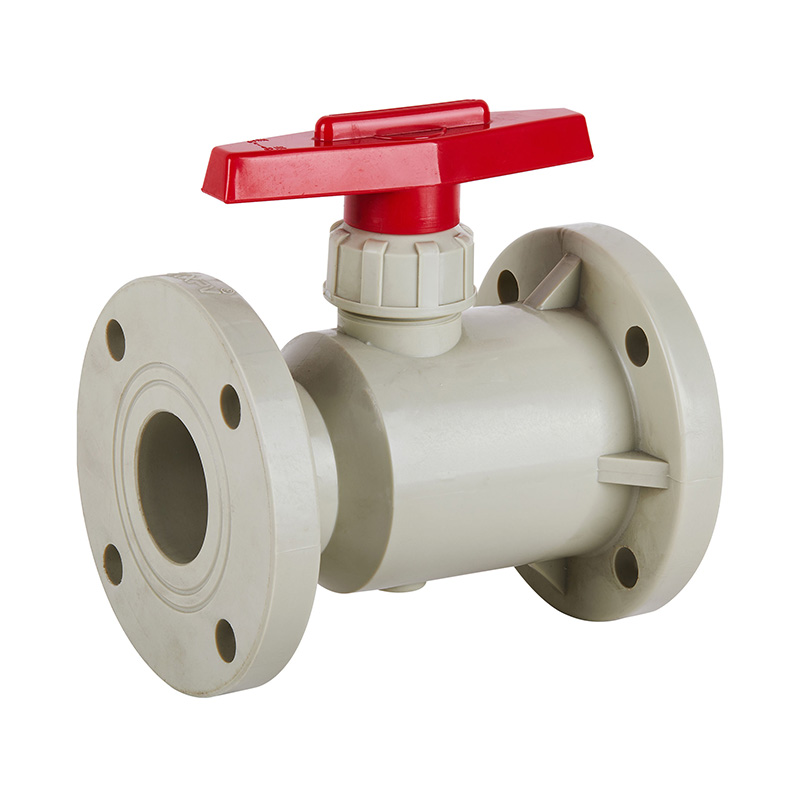
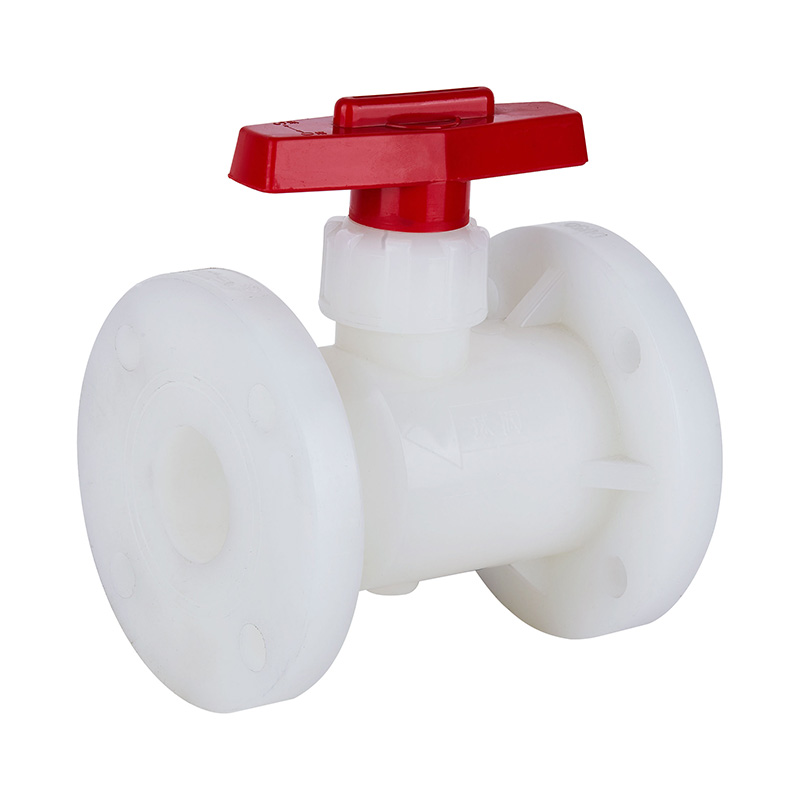
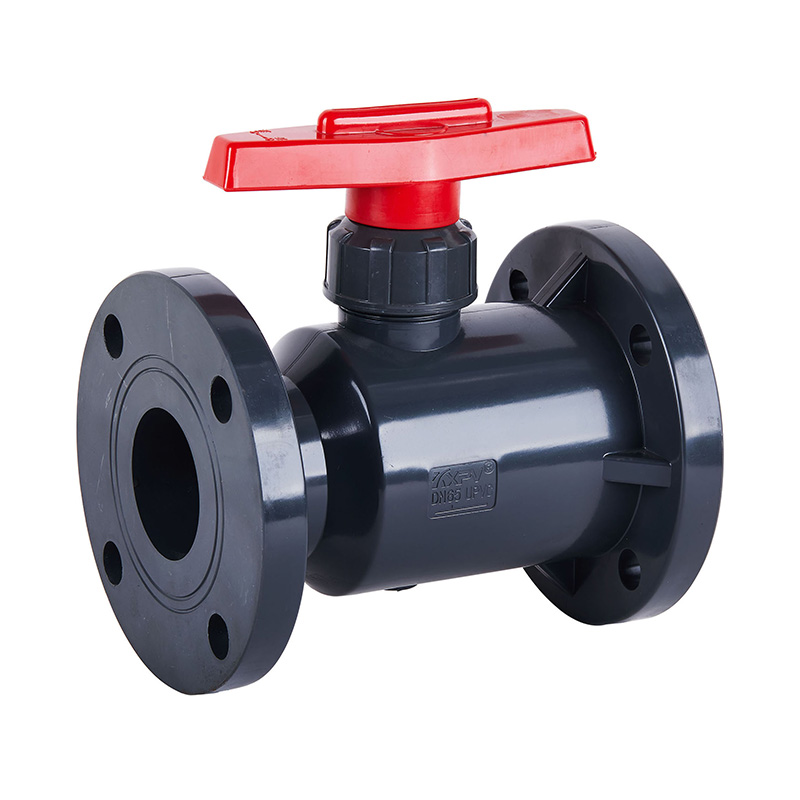
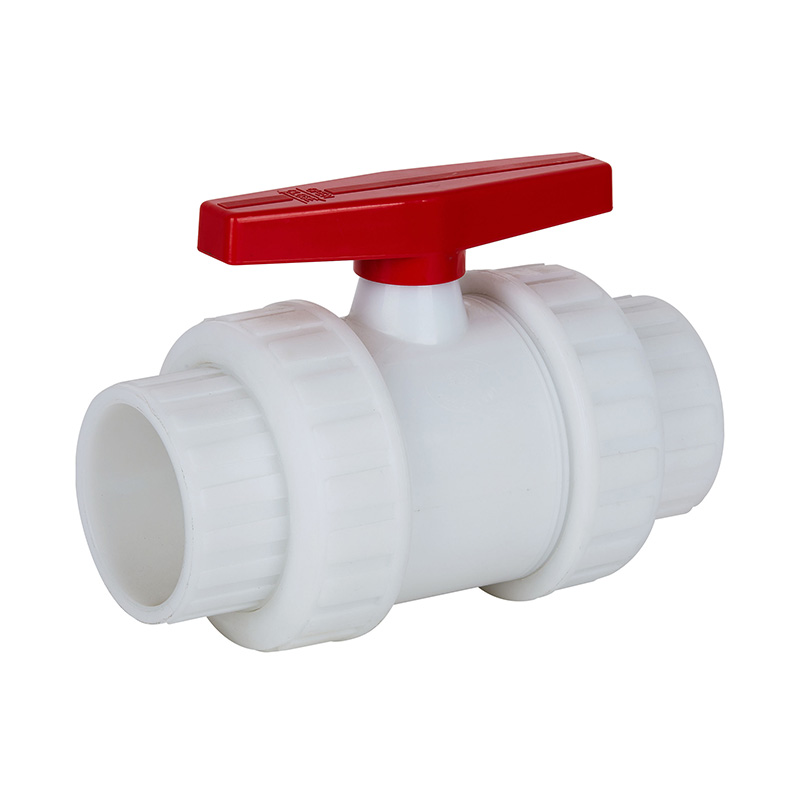
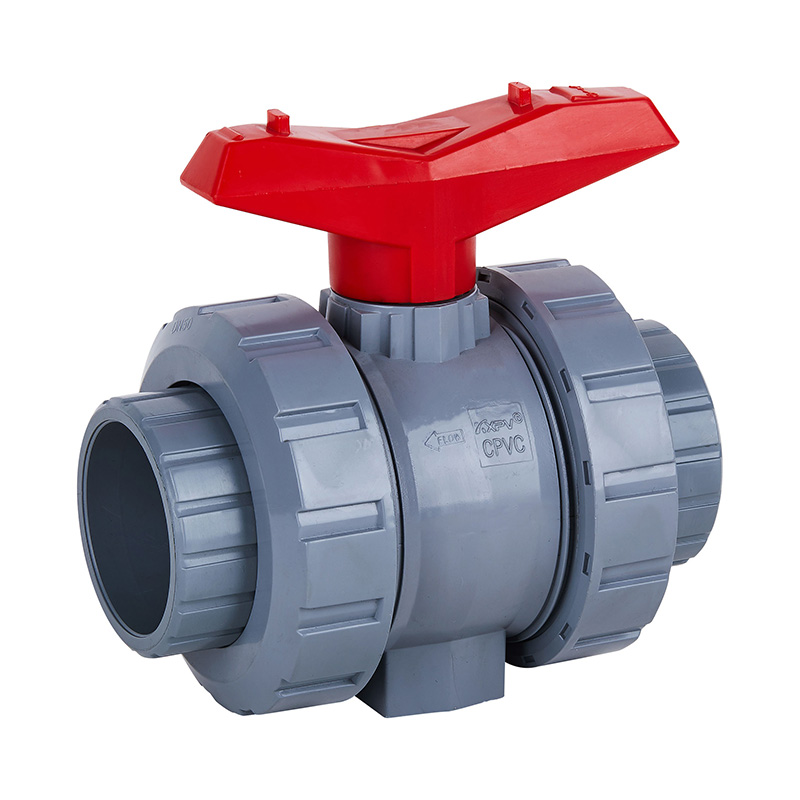
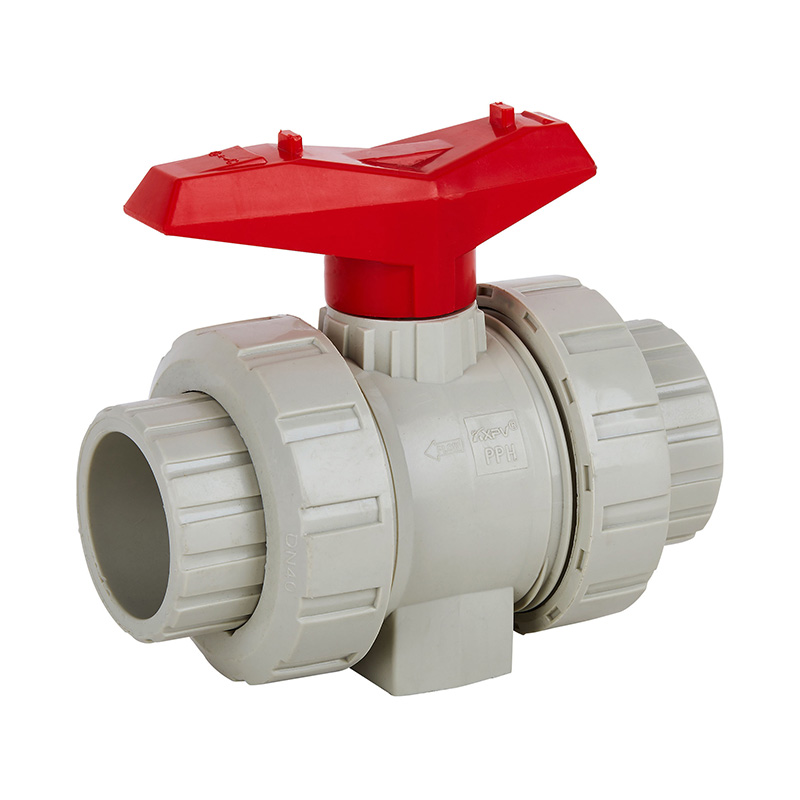
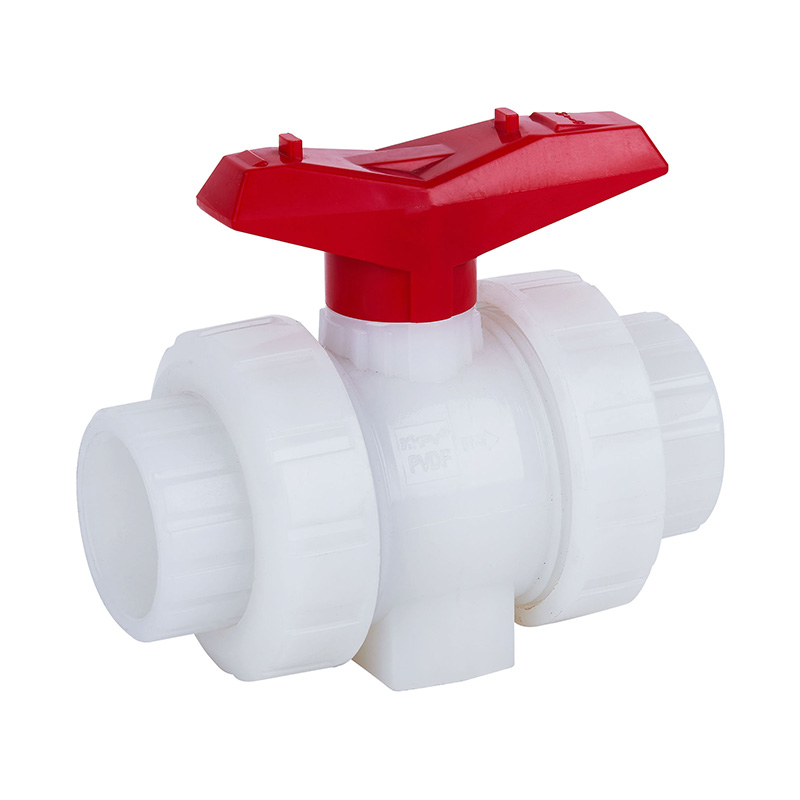
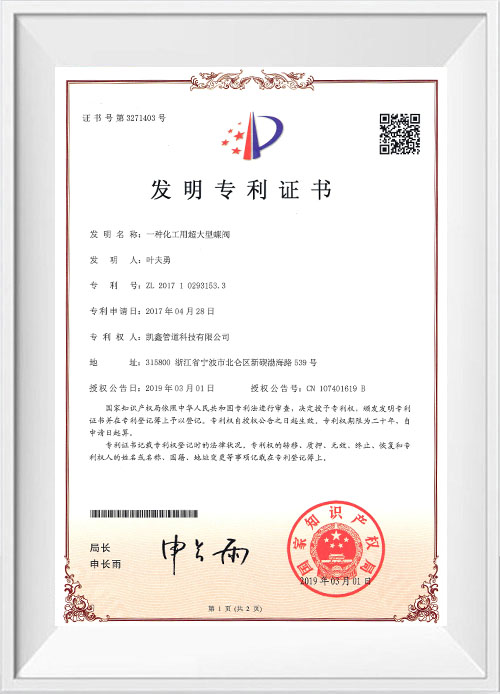
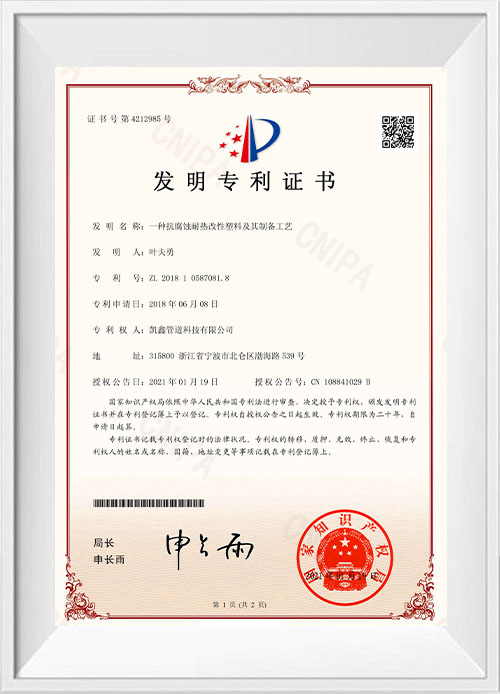
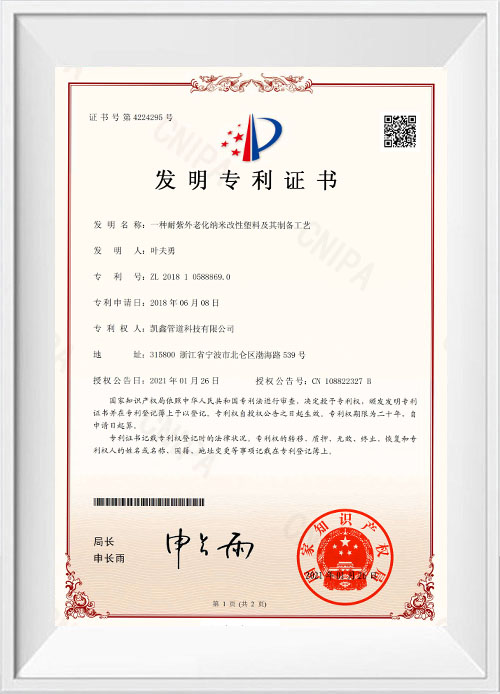
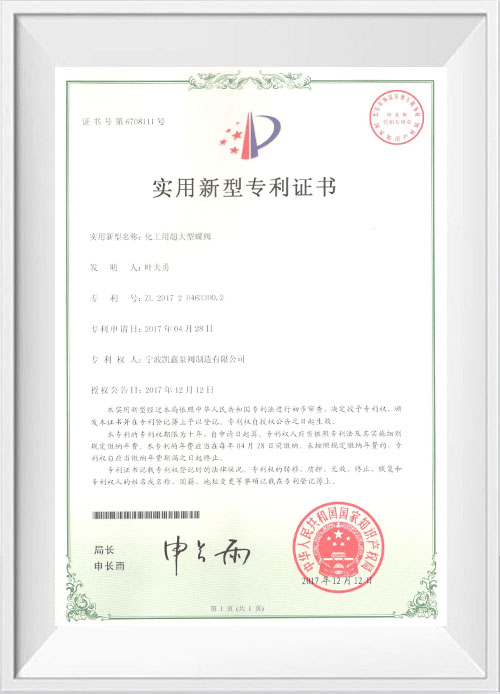
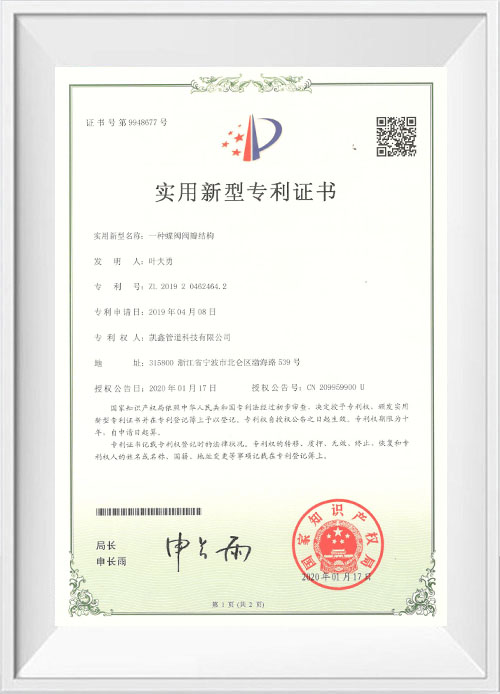
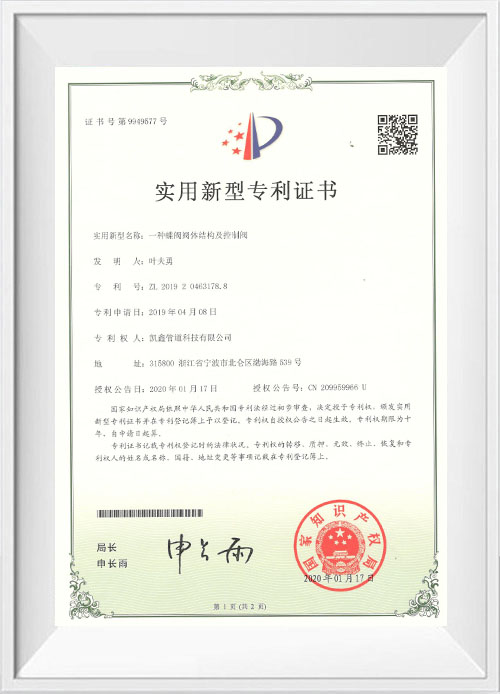
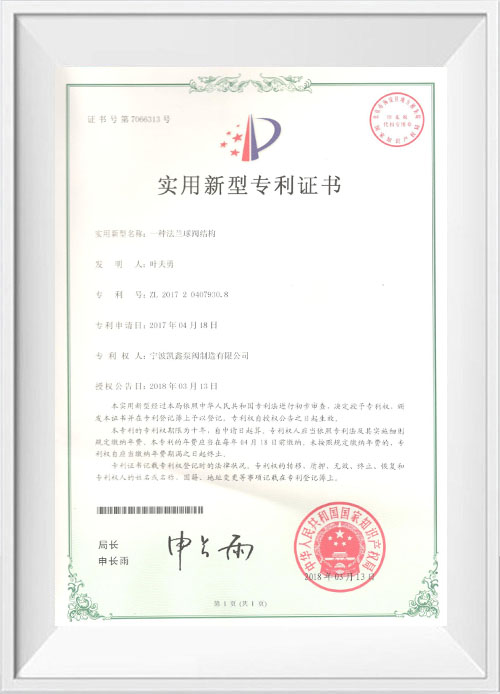
Kaixin Pipeline Technology Co., Ltd., founded in 1999, is a high-tech enterprise integrating R&D, manufacturing, sales, and services. It has been recognized as a National-level Key Cultivation Enterprise for "Specialized, Sophisticated, Differential and Innovative" Little Giants, a National-level Key Cultivation Enterprise for "Single Champions," a Provincial Sci-Tech SME, a Ningbo Municipal "Specialized, Sophisticated, Differential and Innovative" SME, a Municipal Key Cultivation Enterprise for "Single Champions," a Municipal Polymer Pipe and Valve Technology R&D Center, a District Green Factory, a Municipal Enterprise Management Innovation (Four-Star) Enterprise, and a Data Management Capability Maturity (Level 2) Enterprise.
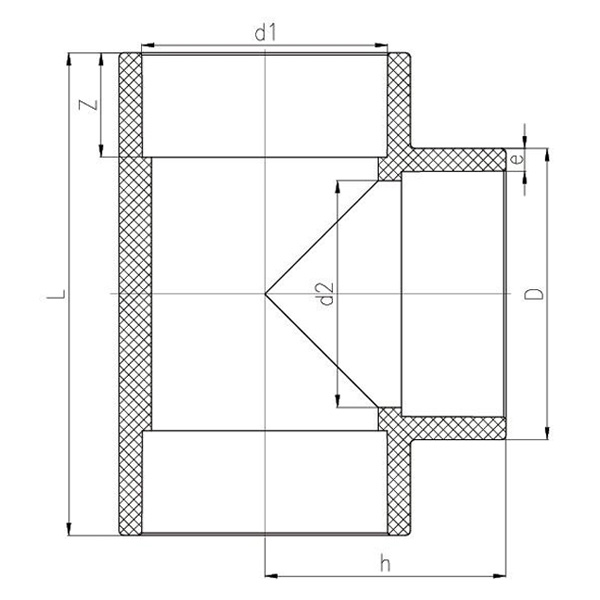
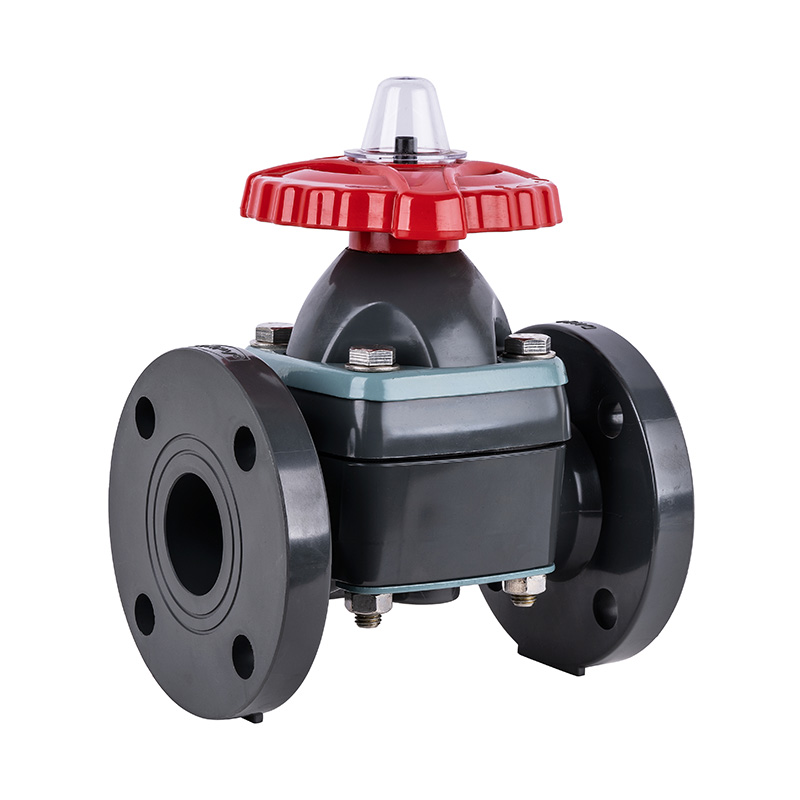
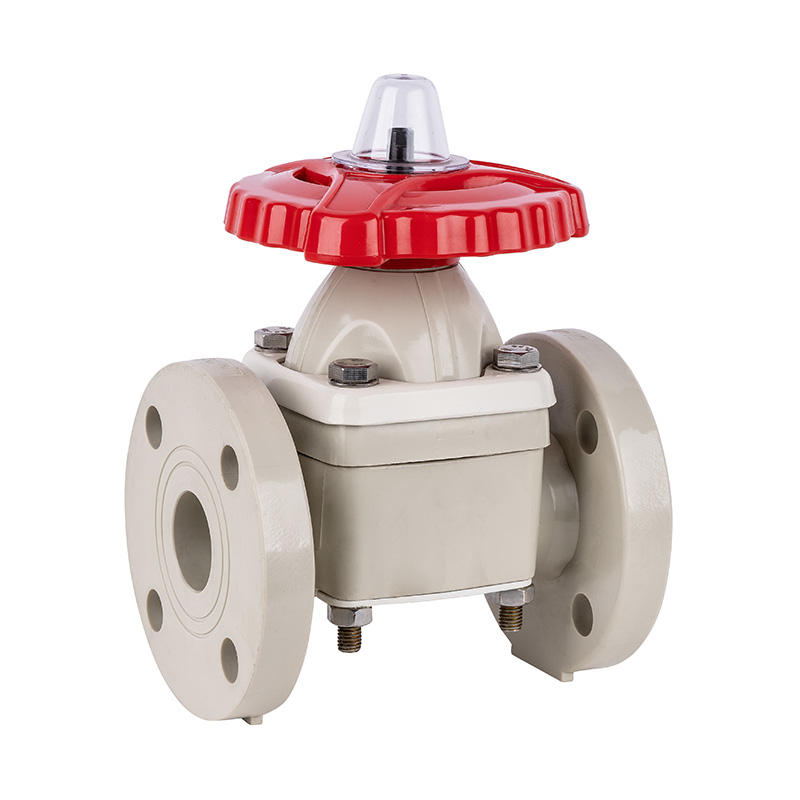
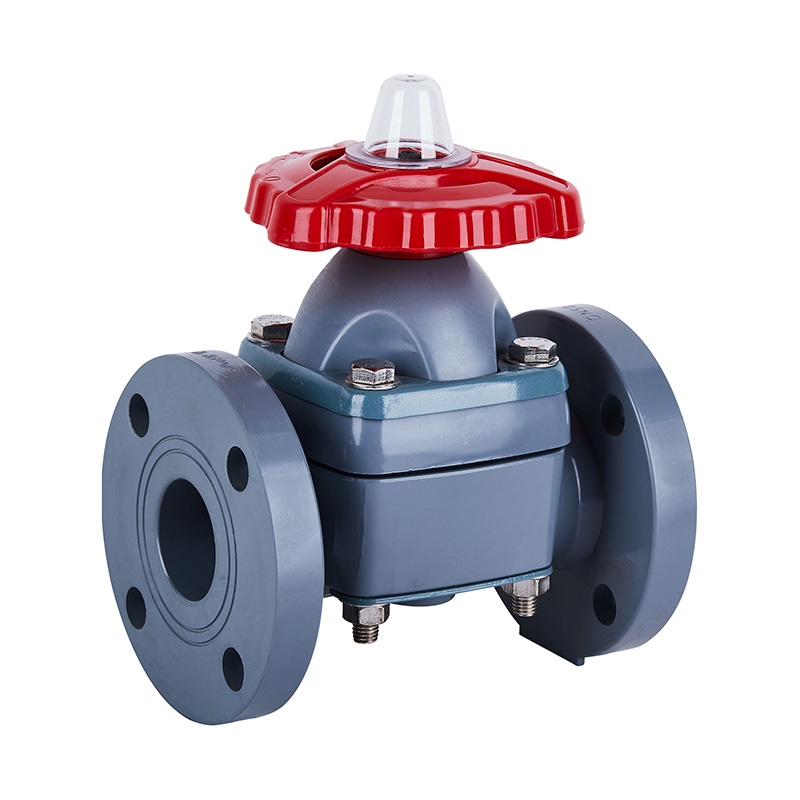
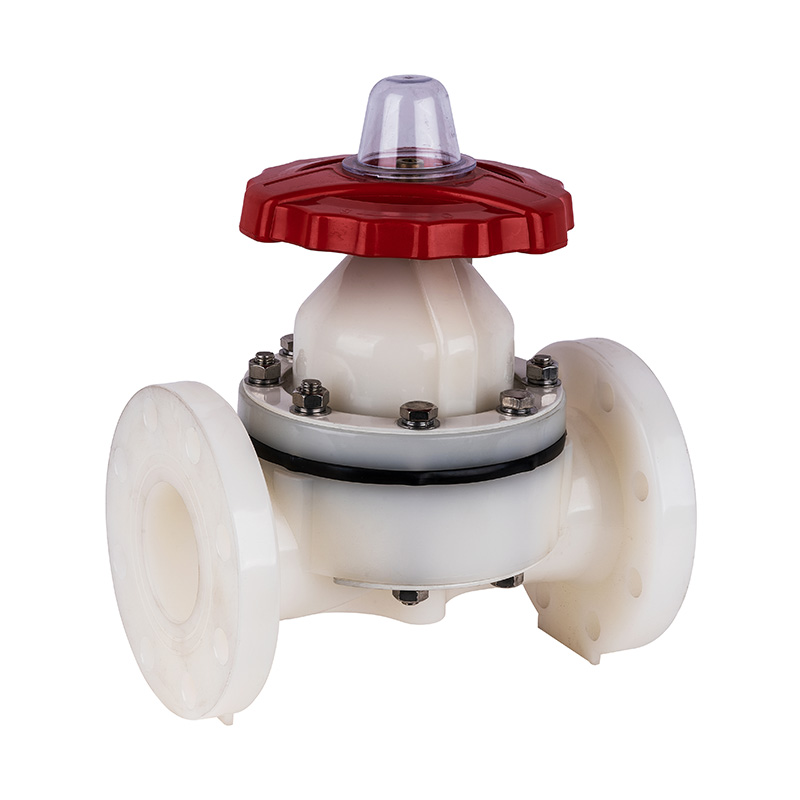
As a famous China FRPP Tee DN15-400 GB Standard Suppliers and FRPP Tee DN15-400 GB Standard Factory, the company specializes in the R&D, production, and sales of non-metallic chemical anti-corrosion products, including plastic valves, plastic pipes, plastic fittings, and corrosion-resistant pumps. Its material portfolio covers PVC‑C, PVC‑U, PVDF, PPH, and FRPP, offering a comprehensive range of products and specifications. The maximum diameter for butterfly valves reaches DN1000, while pipes and fittings can be manufactured up to DN800. Leveraging its municipal‑level technology R&D center, Kaixin has achieved full-process control from raw material selection and automated production to final product inspection. Its products are widely applied in corrosive environments across industries such as chemical processing, electroplating, and environmental protection, meeting customers' specific requirements for large diameters, temperature resistance, pressure resistance, and other special conditions.
Kaixin steadfastly follows the development philosophy of "technology‑driven and in step with the times," investing nearly ten million yuan annually in R&D. Through automated standardized production and strict selection of imported raw materials, the company ensures consistent product quality. Guided by its foreign trade development strategy, Kaixin keeps close to market trends and leverages the "Internet+" model to promote "Made in China" on the global stage.

 Headquarters: No. 539 Bohai Road, Beilun District, Ningbo City, Zhejiang Province, P.R. China
 +86-18067123177