

 EN
 English
 Español
 عربى
 русский
 中文简体

Kaixin, a high-tech enterprise specialized in the R&D, production and sales of polymer pipeline valves.
A Small Valve That Keeps Your Pump Primed
The 1 inch foot valve is a tiny component, but it can be the difference between a pump that starts instantly and one that never seems to hold its prime.
You turn on the pump. It runs, but no water comes out. You check the suction line, the fittings, the strainer—everything looks fine. The real culprit is often a foot valve that no longer seals. For a 1 inch suction line, the foot valve is the last line of defence against losing prime, and choosing the right one matters more than most installation manuals admit. The price difference between a well-made valve and a cheap one is small; the cost of pulling a suction pipe to replace it is not.
What a 1 Inch Foot Valve Actually Does
A foot valve is a check valve installed at the bottom of a suction pipe. It has two jobs: keep the water column from draining back into the source when the pump stops, and keep debris out of the pump. In a small system, a 1 inch foot valve is usually combined with a strainer and a valve body made of engineering plastic.
When the pump starts, the suction lift raises the valve disc and water moves upward. When the pump shuts off, the disc drops back and seals the inlet. The water stays in the pipe, so the next start produces water almost immediately. Without this seal, the pump loses prime and you have to refill the pipe every time.
“Most priming problems in small pumps are not pump problems at all. They are foot valve problems,” says a field service engineer with over a decade of industrial pump maintenance experience.
Because the valve sits below the liquid surface, maintenance is inconvenient. That means the choice of material, seat design, and corrosion resistance directly affects downtime. The valve must also be cleaned periodically, especially in sandy or silty water, because a blocked strainer creates more suction problems than a worn impeller.
Why the 1 Inch Size Matters More Than You Think
The 1 inch designation refers to the nominal pipe size, usually DN25. It is a common size for small irrigation pumps, transfer pumps, and some industrial dosing systems. But not all 1 inch foot valves are equal in terms of internal flow.
In a suction line, the goal is to keep friction loss as low as possible. For 1 inch PVC or PP pipe, a water velocity around 1.5 to 2.4 m/s is typical. At 2 m/s, a 1 inch schedule 40 pipe carries roughly 4.5 m³/h. If the foot valve has a narrow internal passage or a heavy spring, it can add the equivalent of several metres of extra suction head, forcing the pump to work harder and risking cavitation.
- Check the internal bore: a true 1 inch foot valve should not reduce the flow area below the pipe’s internal cross section.
- Check the strainer open area: a good strainer provides at least 1.5 to 2 times the pipe cross-sectional area to prevent starvation.
- Check the cracking pressure: a low cracking pressure, around 0.02 to 0.05 bar, keeps the suction side responsive.
For pumps that operate only occasionally, such as a transfer pump used once a week, a slightly higher cracking pressure may not matter. But for continuous irrigation, every extra metre of suction lift reduces flow and increases energy cost.
Choosing the Right Material for Your Water Pump Foot Valve
The material of a 1 inch foot valve is not just about corrosion. It affects temperature rating, stiffness, and how long the valve seat remains stable under repeated cycling.
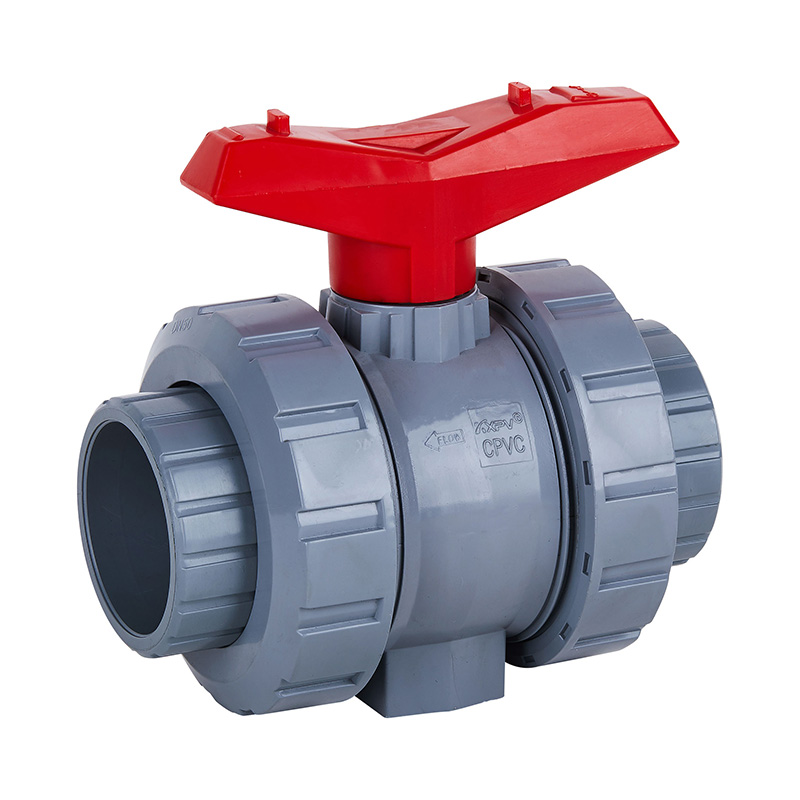
For clean groundwater and irrigation duty, UPVC is often the most cost-effective option. It resists rust and scale, has a smooth surface, and gives years of service at temperatures up to about 60°C. A UPVC foot valve is a straightforward choice when you do not need high chemical resistance.
 UPVC Foot Valve for Clean Water and Moderate TemperaturesThis UPVC bottom valve suits clean groundwater or irrigation duty, resisting rust and scale while handling temperatures up to about 60°C. It offers a straightforward, cost-effective choice when high chemical resistance isn't required.View Product →
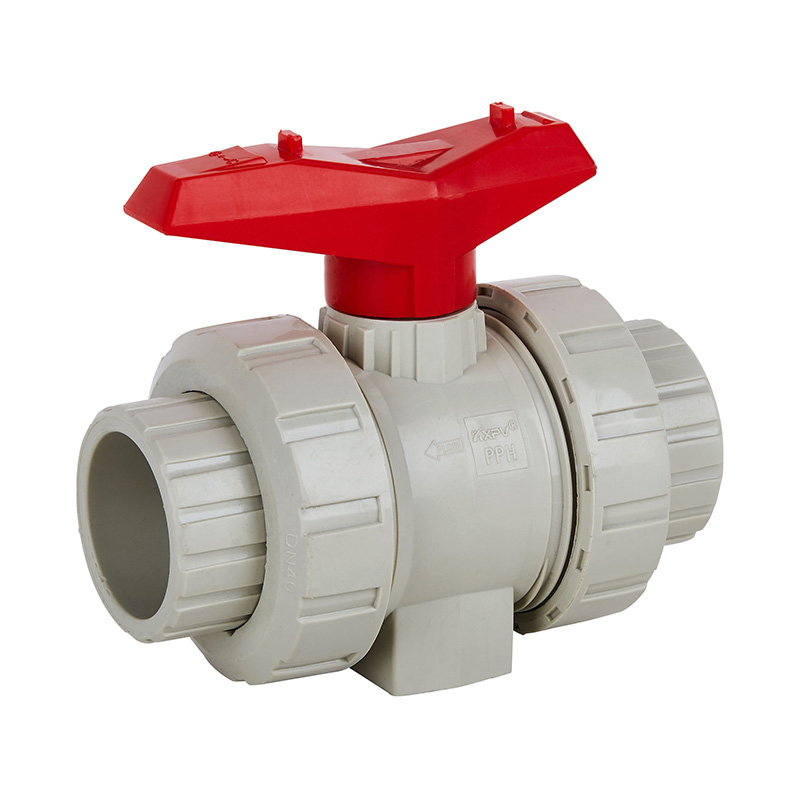
When the water source contains mild acids, fertiliser residues, or industrial effluents, PPH (polypropylene) offers wider chemical tolerance and can handle temperatures up to about 90°C. It is also more resilient under impact, which matters if the valve is handled frequently during seasonal servicing.
 PPH Bottom Valve for Wider Chemical Tolerance and Impact ResistanceThis PPH bottom valve withstands mild acids, fertiliser residues, and industrial effluents up to about 90°C. Its impact resilience makes it practical for frequent handling during seasonal servicing.View Product →
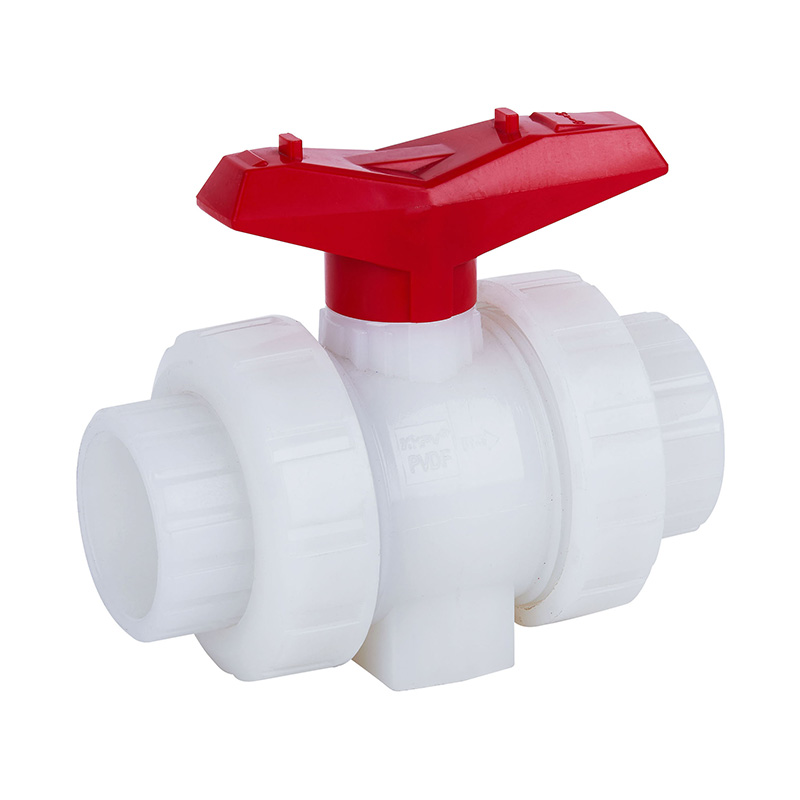
For aggressive chemical service or processes where temperature peaks above 90°C, PVDF is the material to consider. It holds up to strong acids, oxidisers, and solvents, and maintains structural integrity at temperatures where standard plastics soften. The higher price is justified for duty in chemical transfer or pharmaceutical utilities.
 PVDF Bottom Valve for Aggressive Chemicals and High TemperaturesThis PVDF bottom valve handles strong acids, oxidisers, and solvents up to 150°C, maintaining integrity where standard plastics soften. Its higher cost is justified for chemical transfer or pharmaceutical utilities.View Product →
There are also CPVC variants for hot water or chlorine-rich liquids. If your application sits in the middle of these ranges, talk to the manufacturer with your actual fluid temperature and chemical concentration rather than guessing.
Look at the spring and seat. A stainless steel spring in a plastic valve is a sign of better quality. If the spring is painted steel or the seat is not replaceable, the valve may have a short service life.
Danger: Never use a UPVC foot valve with gasoline, acetone, or other strong solvents. The valve body will swell, the disc will stick, and the pump will draw air.
Installation Checks That Prevent Lost Prime
Even a perfectly manufactured foot valve will not hold prime if the installation has a small leak or an air pocket. Before you bury the suction pipe or lower it into a tank, spend five minutes on these checks.
- Ensure the foot valve is fully submerged. A submergence depth of at least 1.5 to 2 times the strainer diameter avoids vortex formation and air entrainment.
- Keep the suction pipe sloping upward slightly from the valve to the pump. A horizontal pipe with a low point can trap air and create an air lock.
- Tighten every joint on the suction side. A single pinhole leak can let air enter during operation and pull the prime out of the system.
- Check the valve disc for freedom of movement. Sand or debris may hold the disc open, causing water to leak back.
Warning: Never rely on the foot valve alone when the pump has a check valve on the discharge side. The foot valve should protect the suction line, not serve as the only isolation point. If the pump is installed above water level and the suction pipe is long, consider a priming pump or a vacuum gauge to confirm lift conditions.
For more on how a properly sealed bottom valve prevents contaminated fluids from moving back into the source, see this technical note on bottom valve contamination prevention.
What to Verify Before You Buy a 1 Inch Foot Valve
A 1 inch foot valve is a small purchase, but a poor selection can cause pump impeller damage, priming failures, and repeated service calls. Use the table below as a quick comparison of common plastic body materials.
| Material | Max Operating Temp | Typical Suitability | Cost Level |
|---|---|---|---|
| UPVC | 60°C | Clean water, irrigation, mildly acidic water | Low |
| CPVC | 93°C | Hot water, chlorinated water, some chemicals | Medium |
| PPH | 90°C | Dilute acids, alkaline solutions, wastewater | Medium |
| PVDF | 120°C | Strong acids, oxidisers, high-purity applications | High |
In addition to material, check the connection type. A 1 inch foot valve may have a female threaded inlet, a socket end, or a flanged end. Threaded ends are common in small irrigation systems, while flanged types are easier to remove for servicing in industrial lines. Confirm the thread standard: NPT, BSP, or ISO 228/1.
Also look for a strainer that is removable. A blocked strainer creates a pressure drop that starves the pump. If the strainer is not accessible, cleaning becomes another maintenance task. You can compare the full bottom valve range to see which body pattern and end connection fit your pump design.
Note: For a retrofit on an existing pump, measure the depth of the suction pipe and the distance from the foot valve to the pump. Some 1 inch foot valves are slightly longer than the pipe coupling they replace. Always confirm the overall length before welding or gluing the joint.
The Bottom Line
The 1 inch foot valve is a small component, but it defines the priming behaviour of your water pump. It determines how often you refill the suction line, how vulnerable the pump is to debris, and how much suction lift the system can tolerate. Choose a valve that matches the actual fluid temperature, chemical composition, and connection standard, not just the price.
For industrial buyers, the safest route is to work with a manufacturer that provides the whole corrosion-resistant flow path: pipe, valve, and strainer. That way you know the materials are compatible and the performance data is consistent. A valve that seals firmly, opens at low pressure, and keeps debris out will make the pump start every time—and that is worth more than the valve itself.

 Headquarters: No. 539 Bohai Road, Beilun District, Ningbo City, Zhejiang Province, P.R. China

 +86-18067123177
