What Is a Composite Pipe and How Is It Structurally Designed?
A Composite Pipe is a high-performance piping solution manufactured by combining two or more different materials through advanced composite technologies. The fundamental purpose of this design is to integrate the strengths of multiple materials in order to meet modern industrial and infrastructure demands for pressure resistance, corrosion resistance, flexibility, and long service life. Compared with traditional single-material pipes—such as pure metal pipes or standard plastic pipes—Composite Pipes offer a more balanced and engineered performance profile.
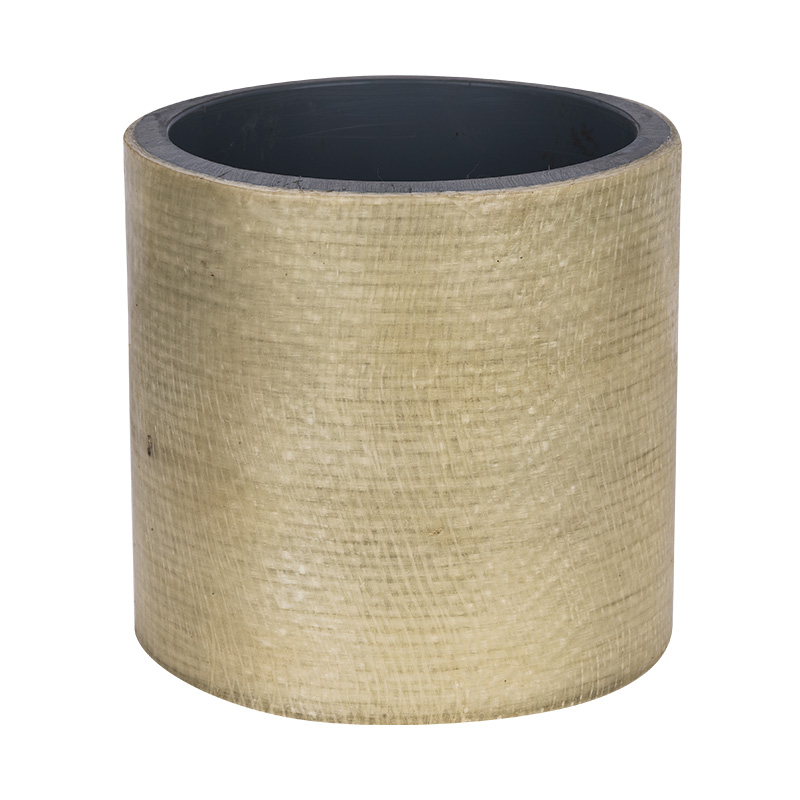
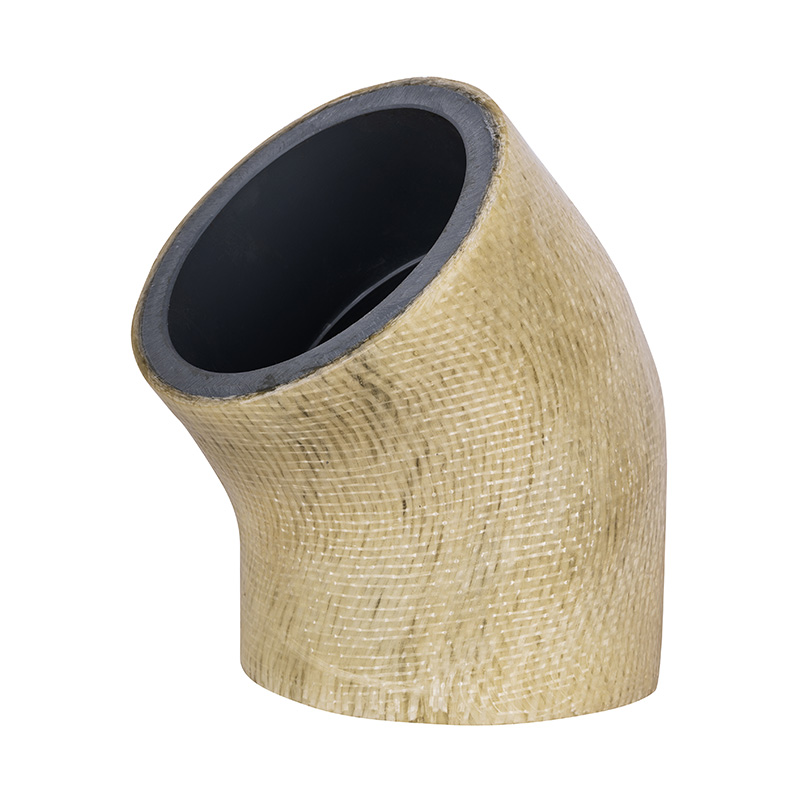
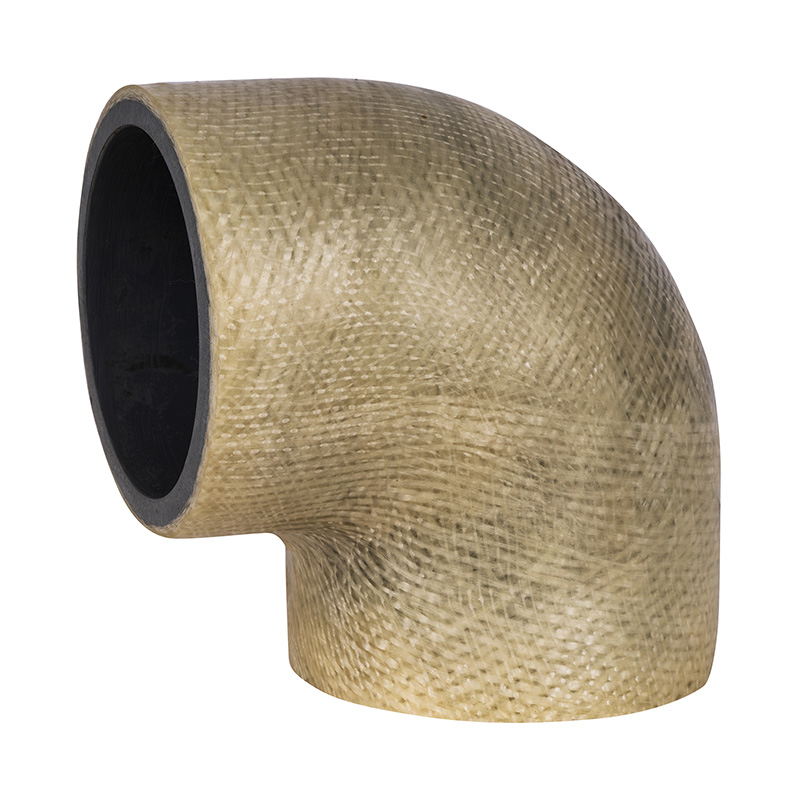
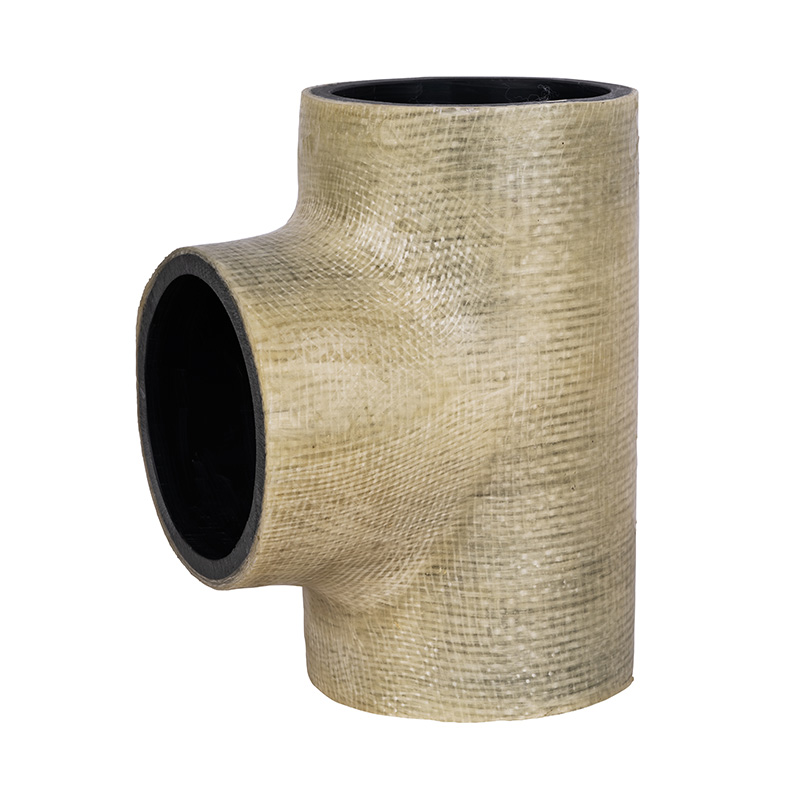
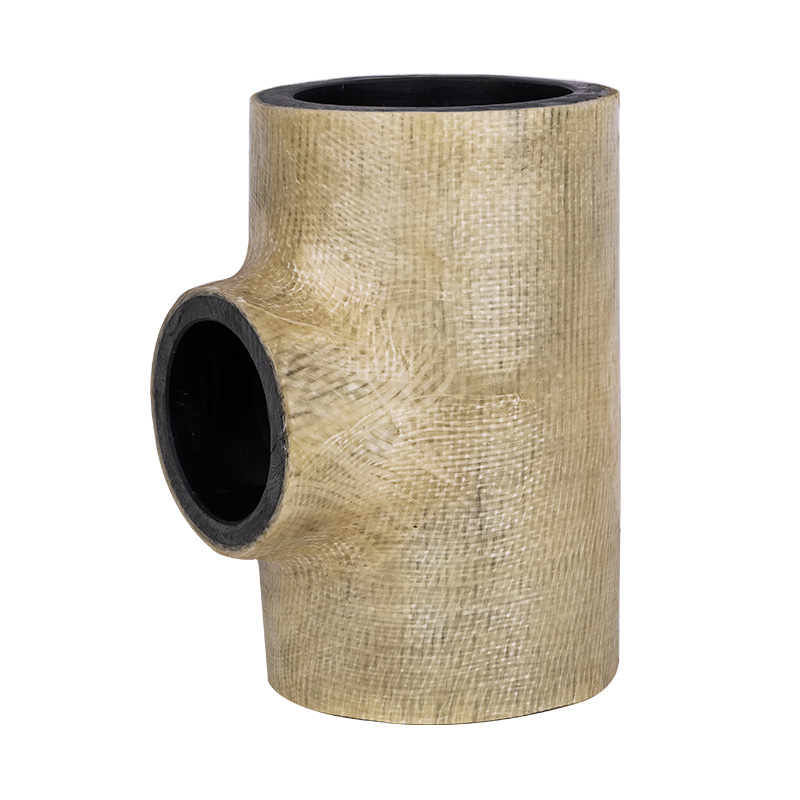
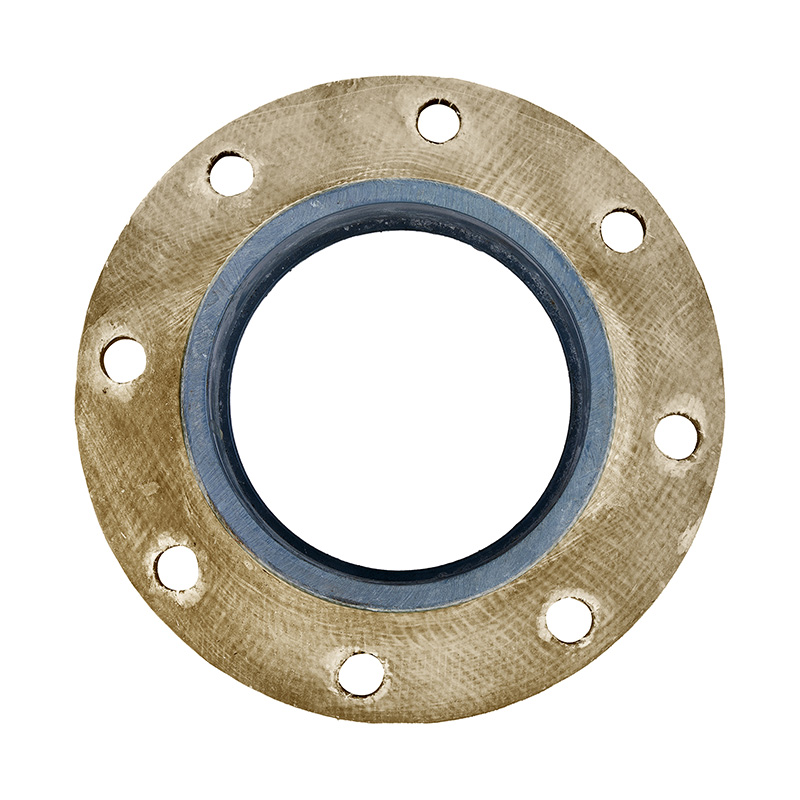
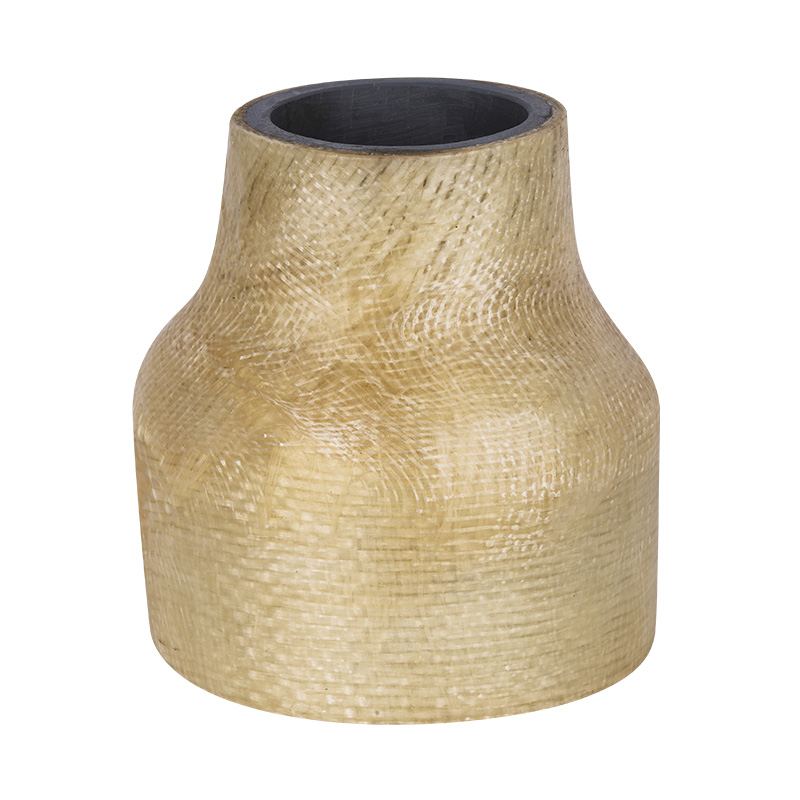
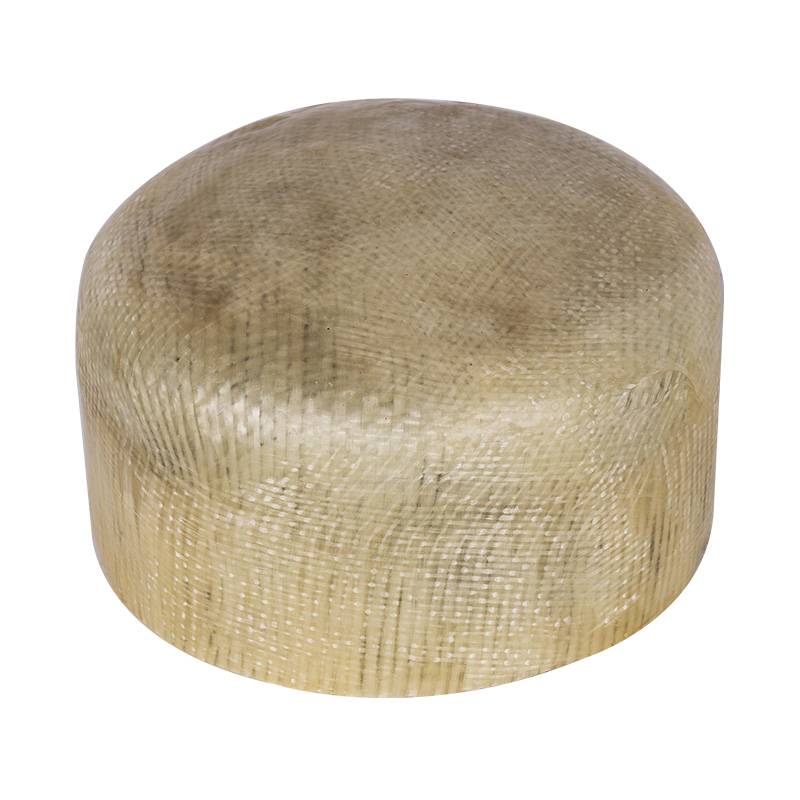
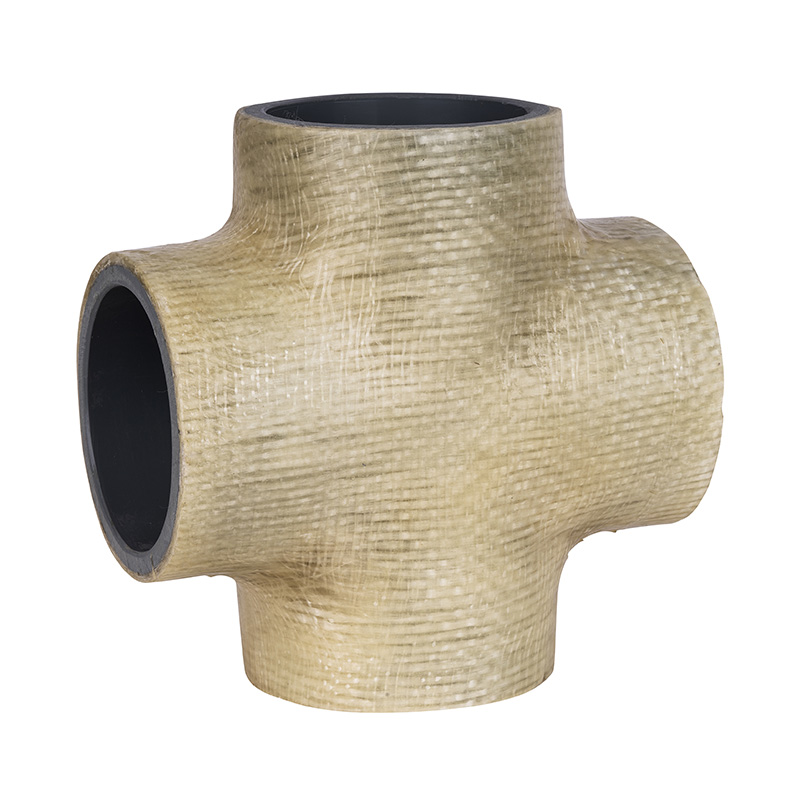
From an engineering perspective, Composite Pipes typically adopt a multi-layer composite structure, commonly consisting of three or more functional layers. The innermost layer is the medium-contact layer, responsible for fluid transportation and corrosion resistance. This layer is usually made from materials such as PE, PEX, PP, PVC, or high-performance thermoplastics. The middle layer serves as the structural reinforcement core and may include aluminum alloy, fiberglass, steel wire, or high-strength woven materials, providing pressure resistance, tensile strength, and dimensional stability. The outer protective layer is designed to withstand environmental exposure, offering resistance to UV radiation, abrasion, and weathering.
Kaixin Pipeline Technologies Co., Ltd. applies a material-structure optimization philosophy in the development and manufacturing of Composite Pipes. By conducting in-depth analysis of different application environments, the company customizes composite layer configurations to ensure optimal strength while maintaining lightweight construction and installation efficiency. This flexible and application-oriented design capability allows Kaixin Pipeline Technologies Co., Ltd. to deliver reliable Composite Pipe solutions to global markets.
In addition, the inner surface of Composite Pipes is typically engineered to be smooth and uniform, resulting in a low friction coefficient. This design improves flow efficiency, reduces scaling and sediment buildup, and significantly extends the overall service life of the piping system.
Typical Composite Pipe Structure Overview:
| Layer Position |
Common Materials |
Primary Function |
| Inner Lining |
PE / PEX / PP / PTFE |
Corrosion resistance, fluid transport, anti-scaling |
| Reinforcement Layer |
Aluminum / Fiberglass / Steel Wire |
Pressure resistance, tensile strength, structural stability |
| Outer Jacket |
Polymer composite materials |
UV resistance, abrasion resistance, weather protection |
What Are the Key Advantages of Composite Pipes Over Traditional Pipes?
The growing replacement of traditional metal and single-layer plastic pipes by Composite Pipes across various industries is driven by their outstanding overall performance advantages. First and foremost, Composite Pipes offer excellent corrosion resistance. The inner lining directly isolates the conveyed medium from structural components, effectively preventing rust, pitting, and chemical degradation commonly associated with metal pipes—especially in chemical, oil & gas, and high-humidity environments.
From a mechanical standpoint, the reinforced middle layer significantly enhances pressure resistance and structural integrity. Composite Pipes can maintain stable performance under high internal pressure and fluctuating load conditions, making them highly suitable for long-term industrial operation. Through strict quality control and pressure testing procedures, Kaixin Pipeline Technologies Co., Ltd. ensures that its Composite Pipe products meet demanding safety and reliability standards.
Installation efficiency is another major advantage. Compared with steel pipes, Composite Pipes are considerably lighter and more flexible, reducing transportation costs and minimizing the need for heavy installation equipment. Fewer joints are required due to improved flexibility, which lowers leakage risks and enhances overall system safety.
From an economic perspective, although the initial purchase cost of Composite Pipes may be slightly higher than that of conventional piping solutions, their extended service life, reduced maintenance requirements, and improved operational efficiency result in a lower total lifecycle cost. As a result, Composite Pipes are increasingly specified in international engineering projects.
Where Are Composite Pipes Commonly Used in Industrial and Commercial Applications?
As global industries place increasing emphasis on safety, efficiency, and sustainability, the application scope of Composite Pipes continues to expand. In the oil and gas industry, Composite Pipes are widely used for gathering pipelines, water injection systems, and chemical fluid transportation. Their high pressure resistance and corrosion resistance enable reliable operation under harsh environmental and medium conditions.
In the chemical and industrial processing sectors, Composite Pipes are commonly used to transport acids, alkalis, solvents, and other corrosive fluids. Their stable physical properties reduce system failure rates and enhance operational safety. Kaixin Pipeline Technologies Co., Ltd. provides a wide range of Composite Pipe specifications and structural configurations tailored to chemical processing requirements, including resistance to temperature variation and aggressive media.
In building, municipal, and public infrastructure projects, Composite Pipes are extensively applied in hot and cold water systems, district heating networks, and gas distribution pipelines. Their low thermal expansion coefficient and excellent sealing performance ensure long-term stability, even under frequent temperature fluctuations.
Additionally, Composite Pipes are gaining popularity in agricultural irrigation, marine engineering, renewable energy, and environmental protection projects. Their durability, weather resistance, and long service life help reduce long-term operating and maintenance costs, making them an ideal alternative to traditional piping systems.
Typical Application Industries for Composite Pipes:
| Industry Sector |
Main Applications |
Key Advantages |
| Oil & Gas |
Fluid transport, water injection |
High pressure resistance, corrosion resistance |
| Chemical Industry |
Chemical liquid transfer |
Chemical stability, safety |
| Building & Municipal |
Water supply, heating, gas |
Long lifespan, reliable sealing |
| Agriculture & Energy |
Irrigation, environmental systems |
Lightweight, weather resistant |


 EN
EN English
 Español
 عربى
عربى русский
 中文简体
中文简体
 Headquarters: No. 539 Bohai Road, Beilun District, Ningbo City, Zhejiang Province, P.R. China
 +86-18067123177