

 EN
 English
 Español
 عربى
 русский
 中文简体

Kaixin, a high-tech enterprise specialized in the R&D, production and sales of polymer pipeline valves.
Chemical Plastic Valve Selection: Polymer, Standard, and Service Life
How to specify corrosion-resistant valves that survive acids, caustics, and plating baths without turning maintenance into a monthly routine.
A stainless steel ball valve on a hydrochloric acid dosing line often fails before the pump does. Pitting starts at the seat, the stem begins to seize, and the drip shows up on the floor long before it shows up in the maintenance log. The answer is rarely a better metal.
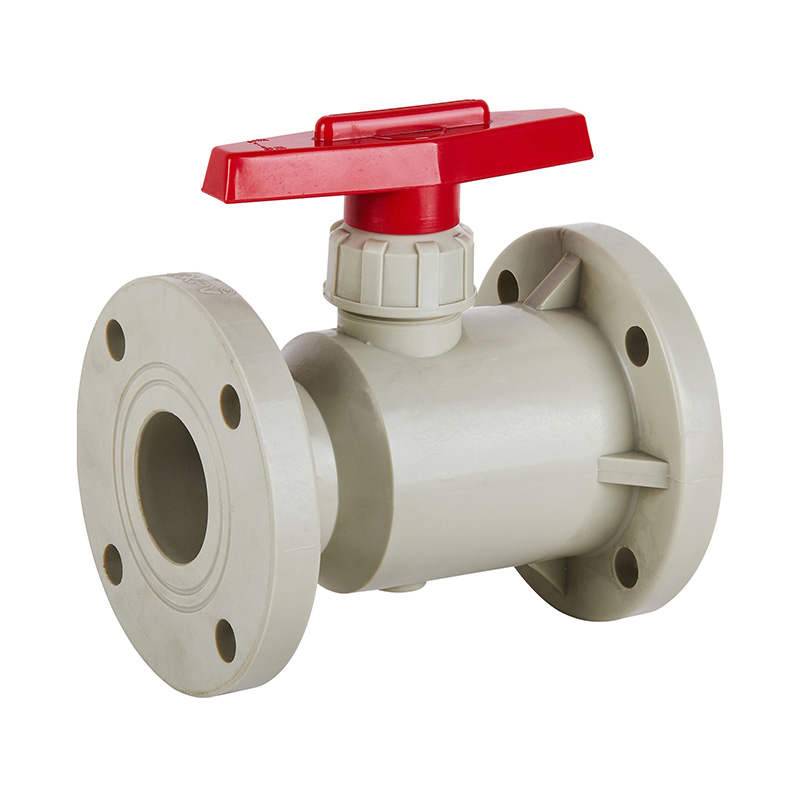
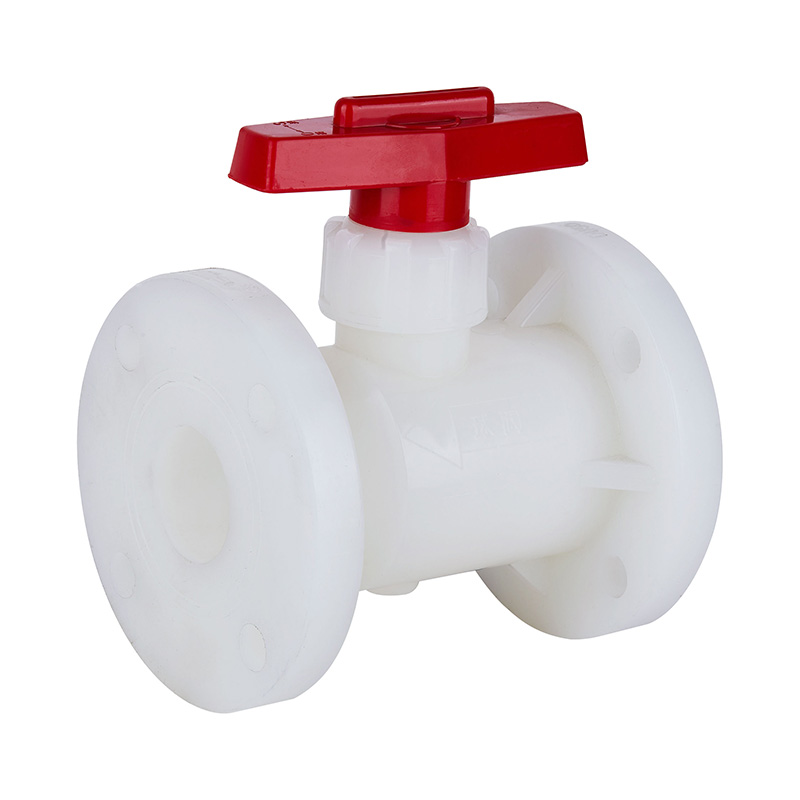
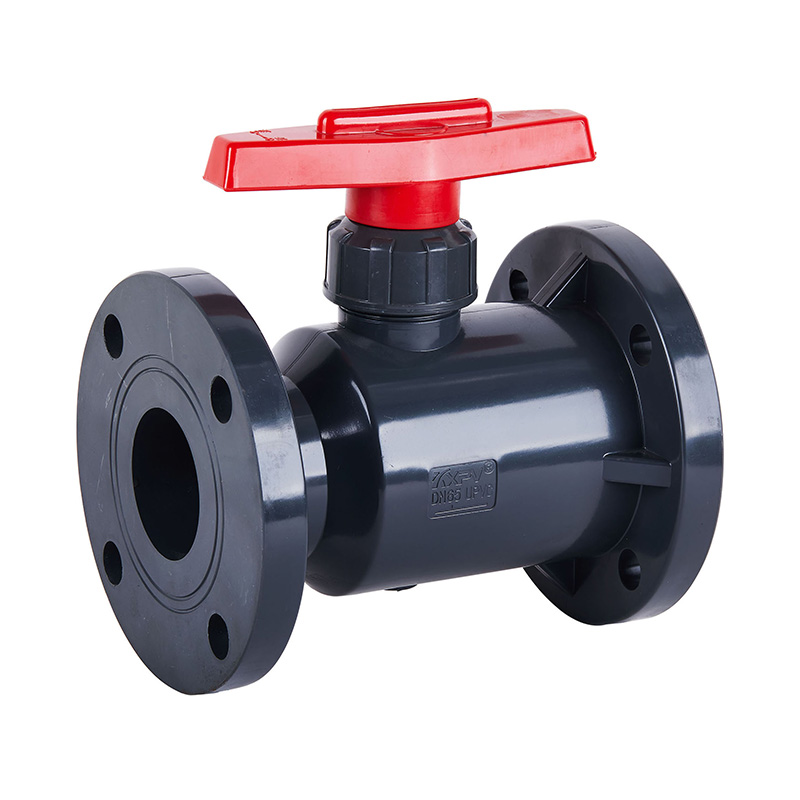
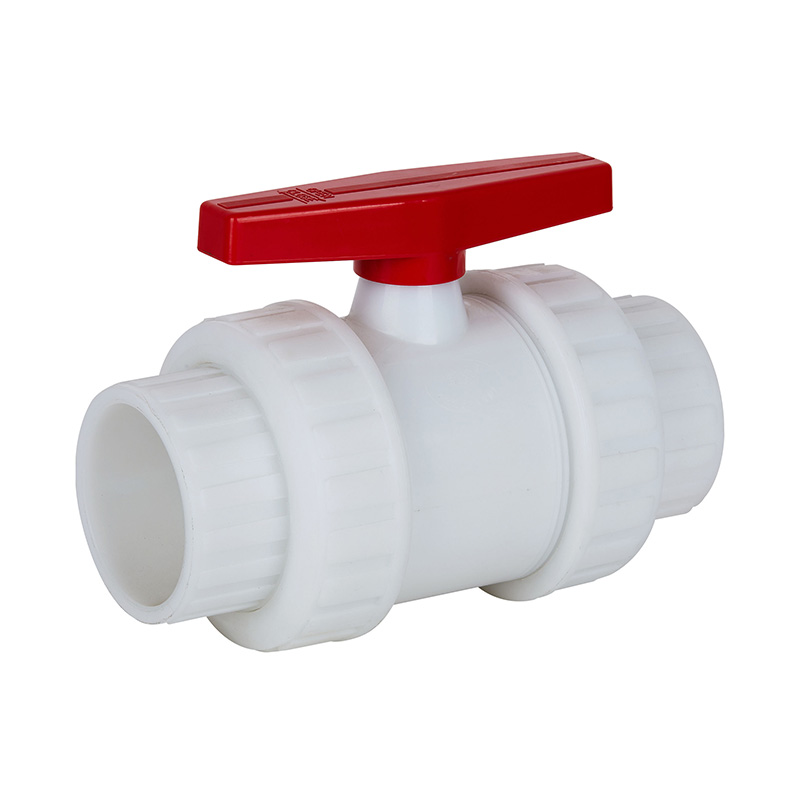
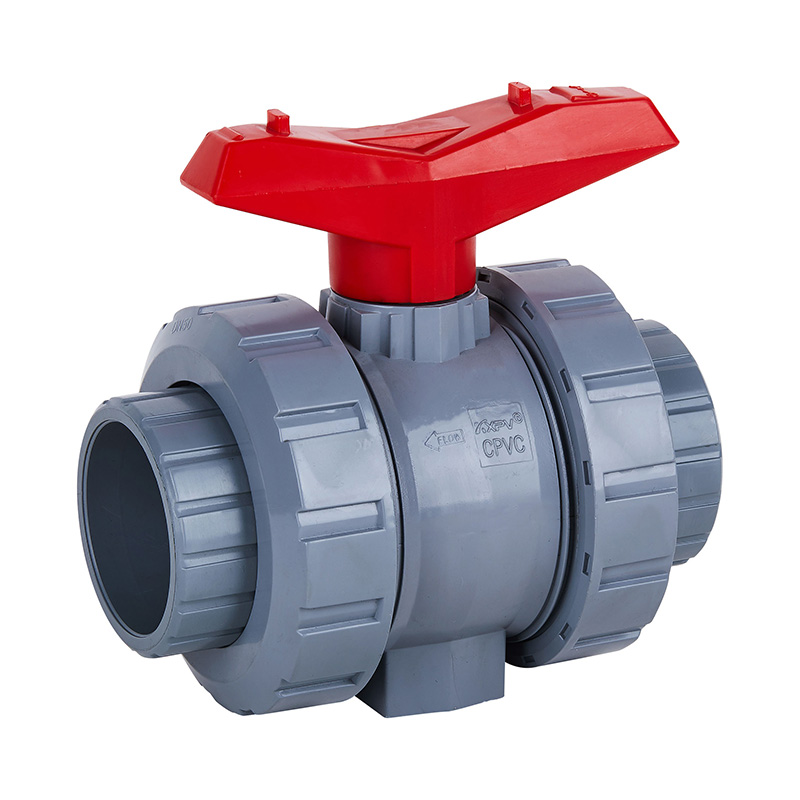
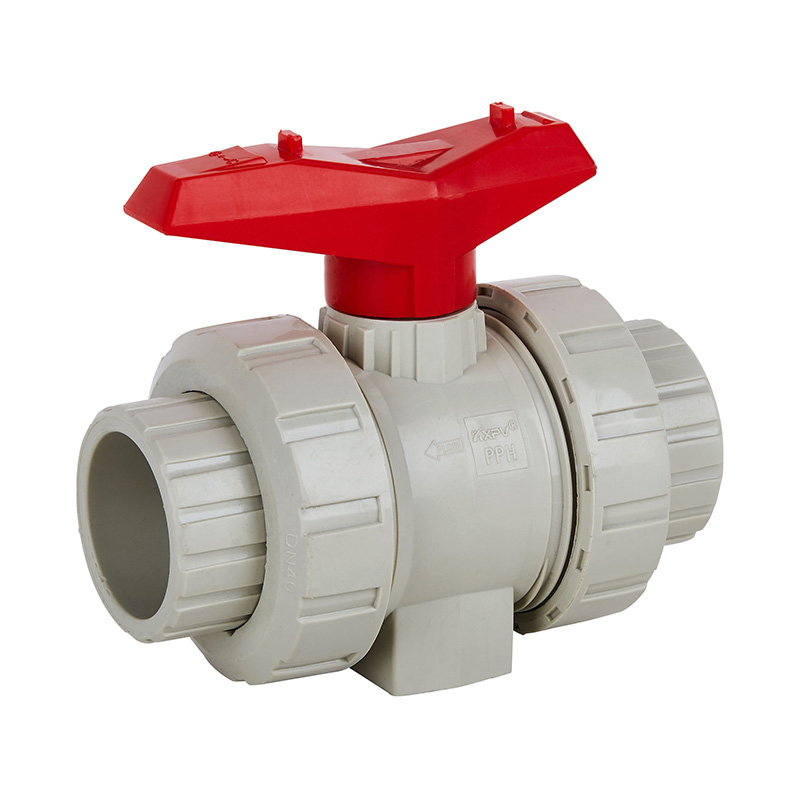
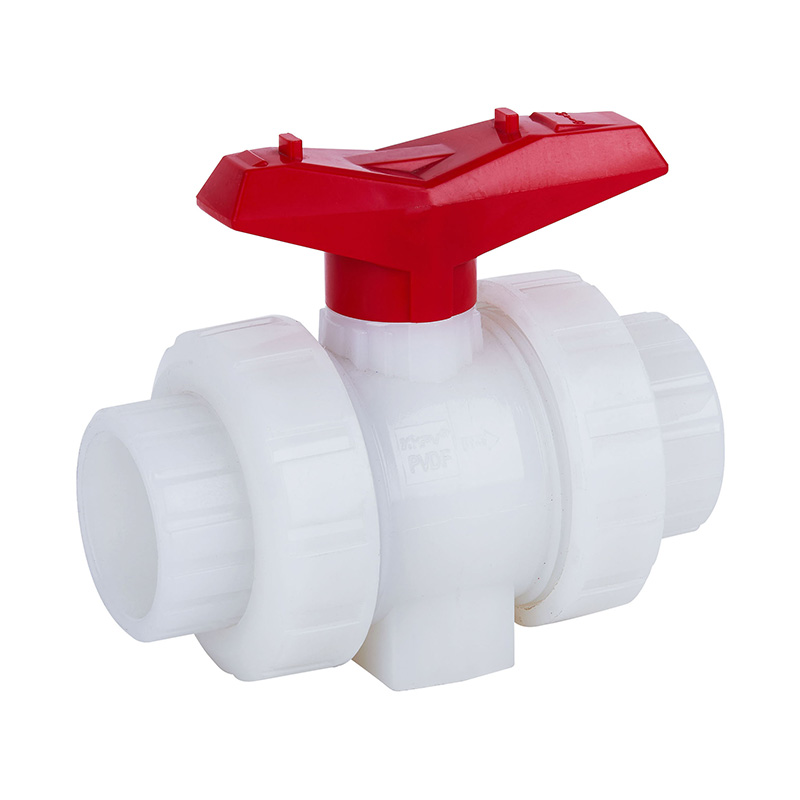
Three decisions determine whether a chemical plastic valve lasts years or months: the polymer that touches the medium, the standard system the valve is built to, and the valve type that matches the duty. Brand and price only matter after those three are settled. The same DN50 ball valve may be moulded in PVC-U, PVC-C, PPH, or PVDF, and those versions are not interchangeable on one line.
What Actually Changes When the Medium Is Chemical
Chemical attack rarely appears as a clean hole. It begins as swelling, discoloration, a softening seat, or a slow loss of impact strength that only reveals itself when someone over-tightens a flange bolt. Four mechanisms cause most of the damage: oxidation, solvation by organic media, permeation through thin sections, and environmental stress cracking where a stressed part stays wet.
The wetted parts are not all plastic. Body, ball, and diaphragm may be polymer, but stem hardware, bolts, and actuator components are usually metal and must stay dry. A spill or a wash-down that reaches them changes the chemistry of the whole assembly and brings back the corrosion the plastic body was chosen to avoid.
Danger. Aromatic and chlorinated solvents attack PVC-U and can degrade even PVDF over time. A valve that passes a water test on Friday can weep at the stem within weeks on a solvent line.
A valve is only as chemically resistant as its weakest wetted part. The body and the seal usually get specified; the stem, the bolts, and the diaphragm backing plate often do not.
Where Plastic Beats Metal
Plastic valves introduce no metal ions into the process, which matters in plating and high-purity reagent handling. They resist many acids and caustics that pit stainless steel, weigh a fraction of a metal valve of the same bore, and can be replaced without hot work or a welding permit.
Matching Polymer to Medium, Temperature, and Concentration
Polymer selection is a three-variable problem, and the third variable is the one most often skipped. A material that is perfectly safe with a dilute acid at ambient temperature may be unsuitable with the concentrated grade of the same chemical at 60 °C.
| Polymer | Typical chemical service | Temperature guidance | Main limitation |
|---|---|---|---|
| PVC-U (UPVC) | Mineral acids, caustics, plating solutions, brine | Low to moderate; the most temperature-sensitive of the group | Not for solvents or aromatics; lowest impact strength |
| PVC-C (CPVC) | Acids and caustics at elevated temperature; chlorinated water systems | Higher than PVC-U, still derated as temperature rises | Higher cost; still vulnerable to many organic solvents |
| PPH | Broad acid and alkali coverage, plating lines, scrubber circuits | Good for hot aggressive service within its derating curve | Lower stiffness; needs closer pipe support |
| FRPP | Same chemistry as PPH, used for larger valves and greater stiffness | Similar to PPH with better dimensional stability | Glass reinforcement demands care during machining |
| PVDF | Strong acids, oxidizers, high-purity duty | Highest of this group, with the widest compatibility envelope | Highest cost; specify only where the duty justifies it |
Concentration moves the boundary too. A polymer that handles dilute caustic for a decade may crack within a season in the concentrated version, and the pressure rating printed on the valve falls as service temperature climbs. A valve rated for a nominal pressure at 20 °C will not hold that figure at 60 °C.
Warning. Never design a chemical line around a cold-water pressure rating. Check the derating curve at the maximum operating temperature and allow margin for cleaning, flushing, or a blocked discharge.
Valve Type Follows the Duty, Not the Catalogue
Start with the job the valve has to do, then choose the type. Isolation, throttling, backflow prevention, and draining are four different duties, and one valve body rarely does all of them well.
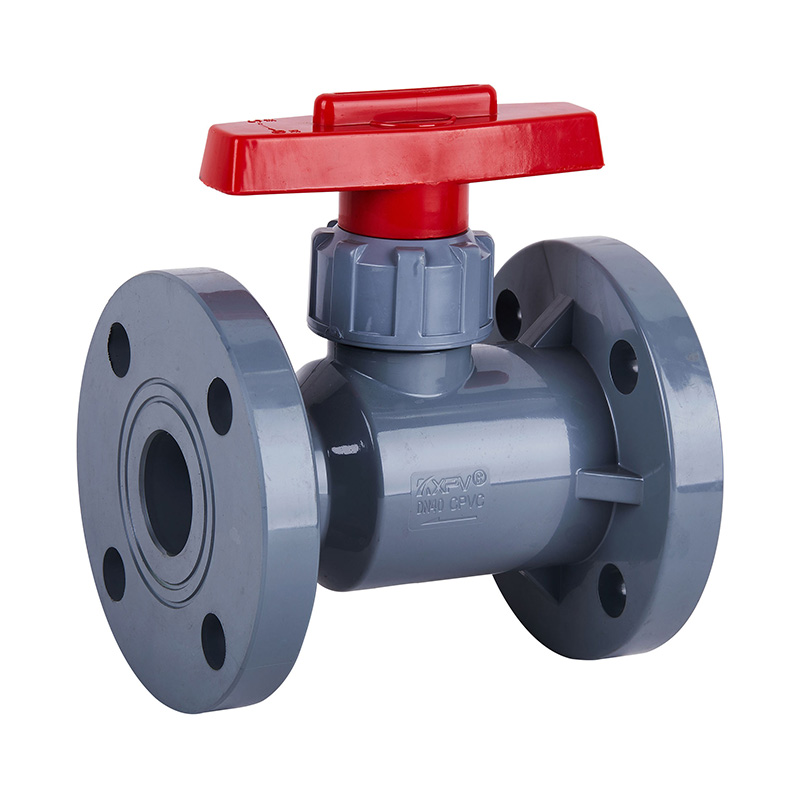
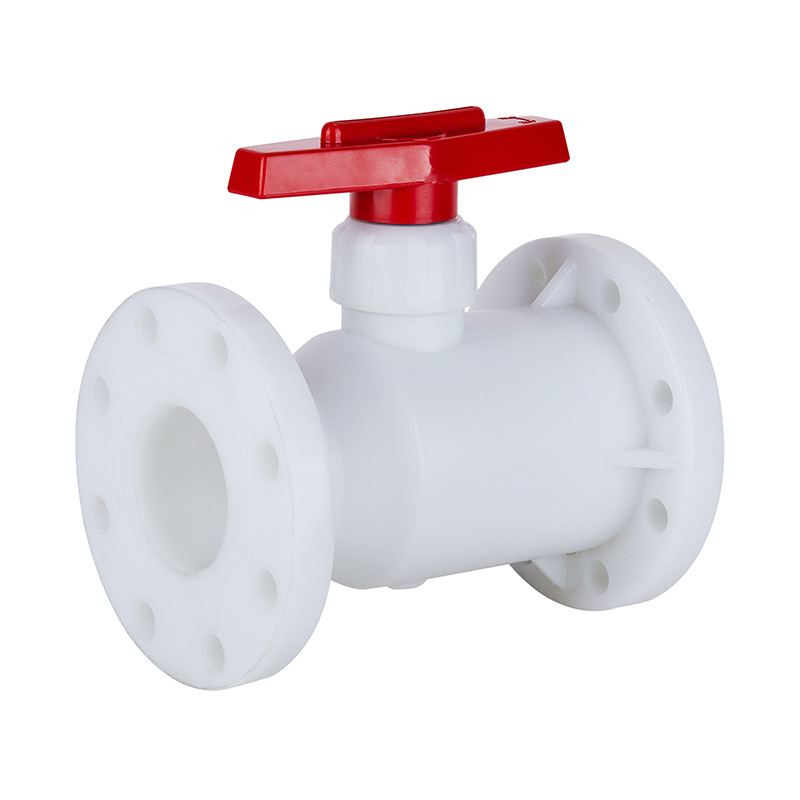
- Ball valves for tight shut-off and quarter-turn operation on clean media.
- Butterfly valves for large bore lines where pressure drop and cost matter more than bubble-tight isolation.
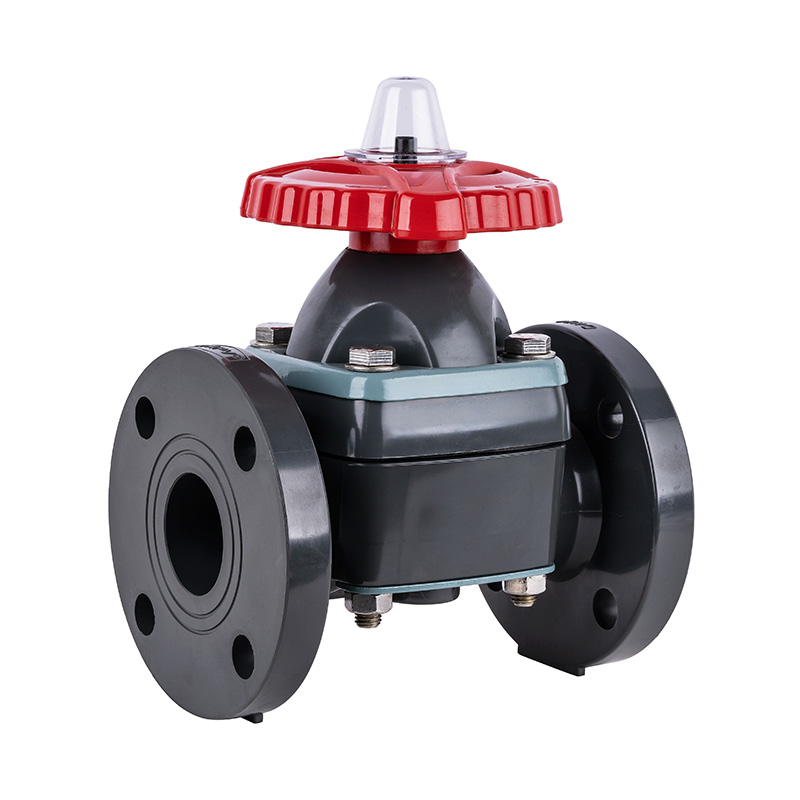
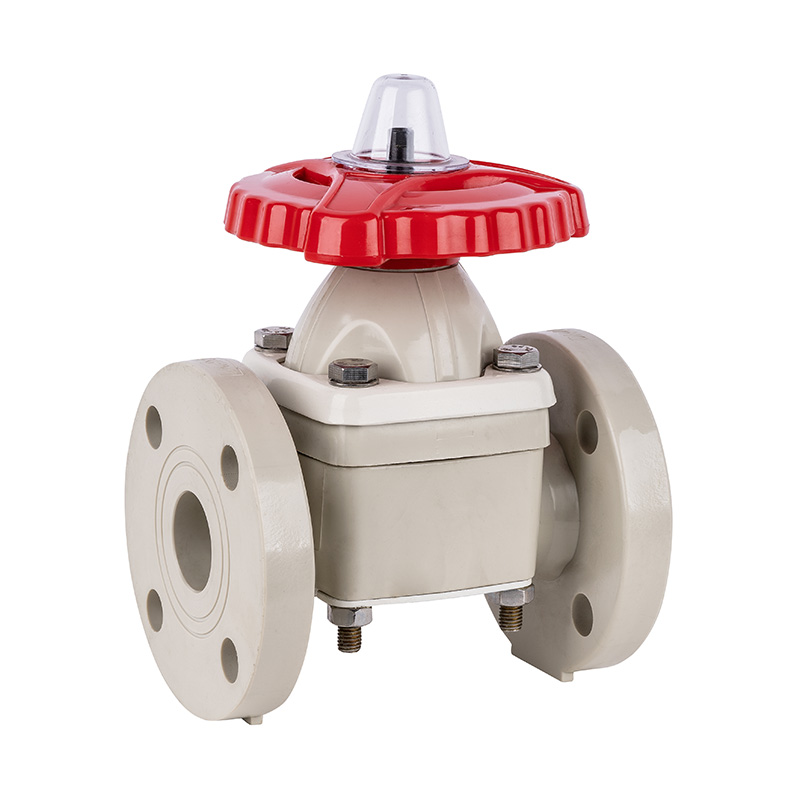
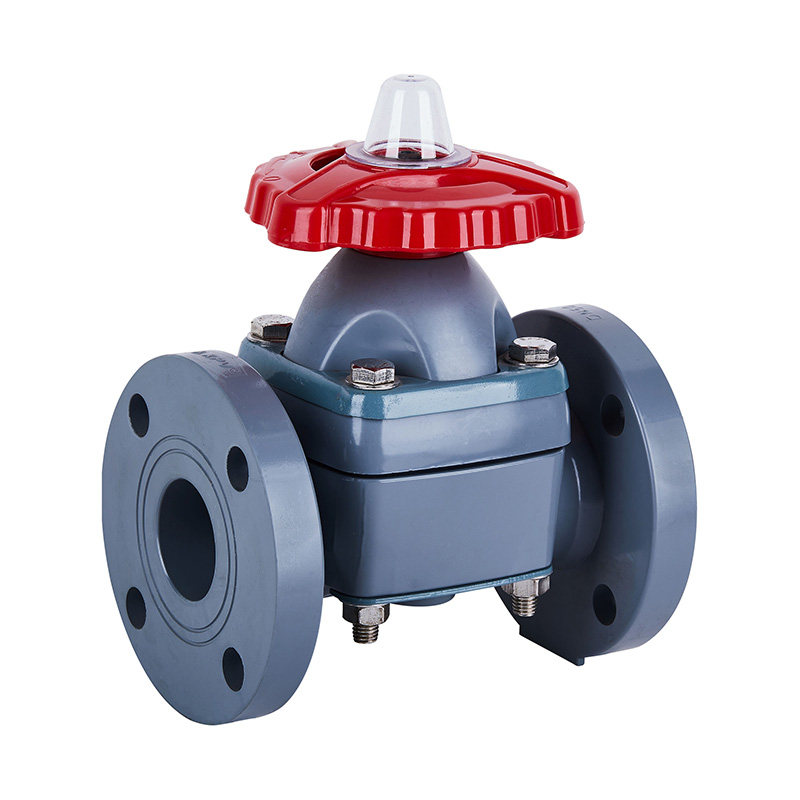
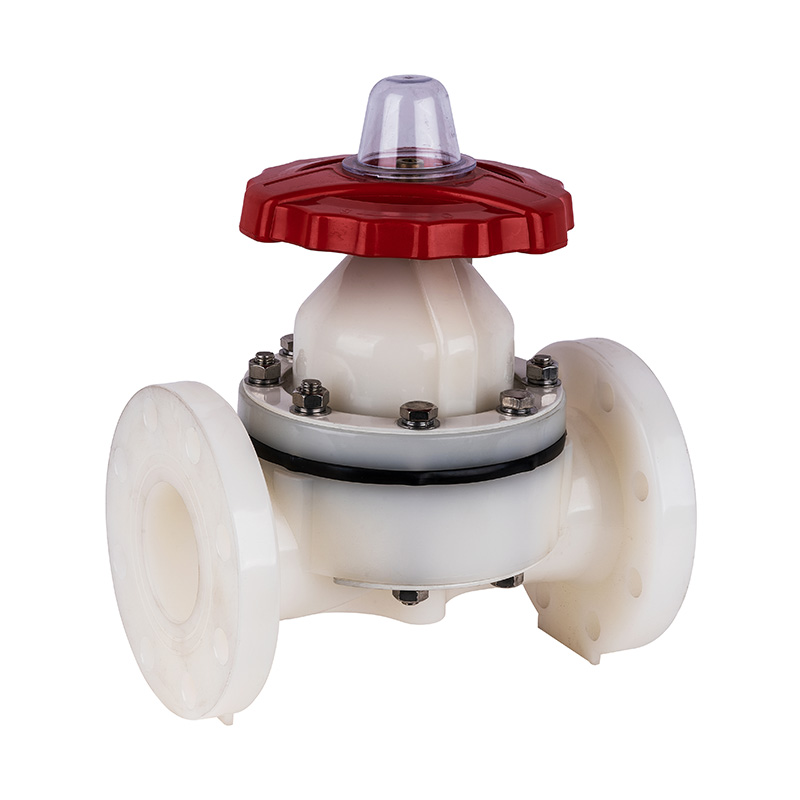
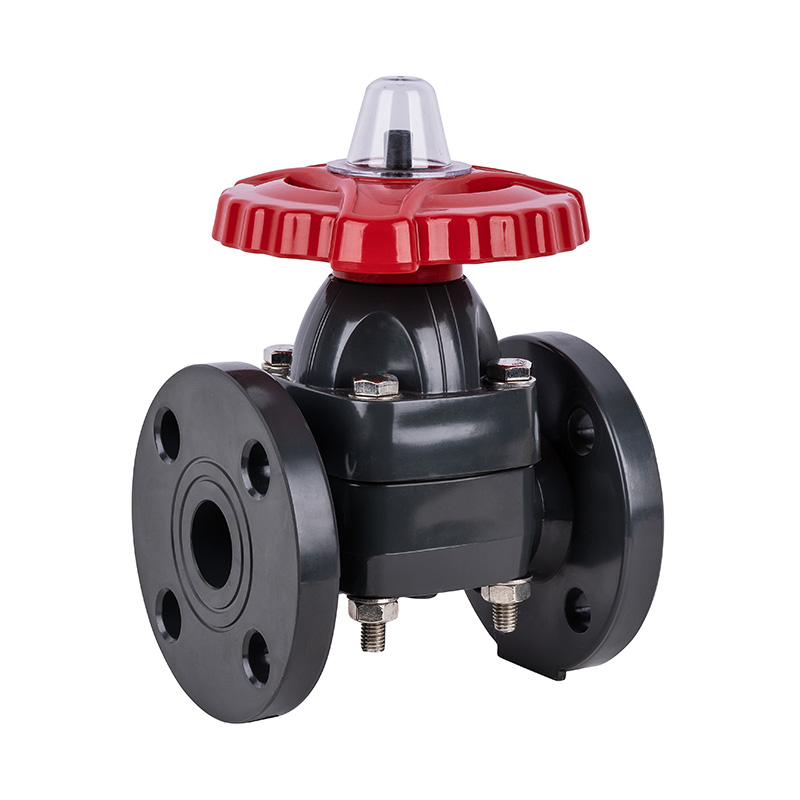
- Diaphragm valves for slurries, crystallizing media, and any line where a leaking stem seal is unacceptable.
- Check valves for pump discharge protection, in vertical or swing patterns depending on available space.
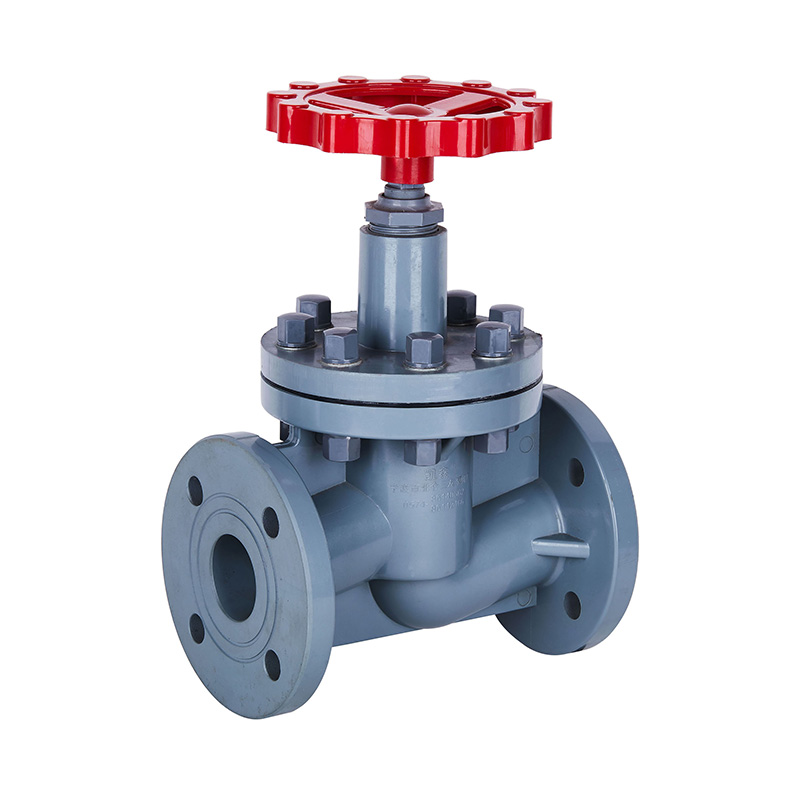
- Globe valves where genuine throttling and flow regulation are required.
- Foot valves at pump suction to keep the line primed after a stop.
- Sight glasses and level gauges to confirm what is actually moving during commissioning.
- Actuated valves where the valve belongs to a control loop or an interlock that operators should not have to walk to.
For media that carry solids, crystallize as they cool, or build up in a cavity, the diaphragm valve is usually the safer default and the ball valve the more common mistake.
Standards and Face-to-Face Dimensions: The Quiet Cost of a Mismatch
Chemical valve ranges are built to different standard systems, and the same nominal size does not guarantee the same geometry. GB, ANSI/ASTM, and JIS designs can differ in flange drilling, face-to-face length, and pressure class even when the bore and the material are identical.
A valve that does not match the line needs adapters, and each adapter adds two potential leak paths plus length the pipe rack was never designed to absorb. Saving money on the valve is an expensive way to spend it on a shutdown window.
Verify the size coverage early as well. Common chemical valve ranges run from DN15 up to DN600, large butterfly valves reach DN1000 in some series, and pipe and fitting ranges extend to DN800. Confirm the upper end before the isometrics are frozen.
A Specification Checklist That Prevents Most Returns
Write the enquiry around the process, not around the part number. Every line below has, at some point, been the reason a valve was rejected on arrival.
- Medium, including concentration and trace components such as oxidizers or solvents.
- Operating temperature, cleaning temperature, and the maximum excursion the line will ever see.
- Design pressure and the pressure class that must be certified.
- Line size, flow rate, and whether throttling is required at all.
- Standard system and face-to-face dimension, checked against existing pipework.
- End connection: flanged, socket, threaded, or fusion, with the flange drilling pattern.
- Manual, electric, or pneumatic operation, and the fail position if actuated.
- Cycle frequency, because a valve that moves twice a year wears differently from one that cycles hourly.
- Indoor or outdoor installation, UV exposure, and wash-down practice.
- Documentation required: material certificates, test reports, and standard conformance.
Success. When polymer, standard, and duty are specified together, the valve reaches its first scheduled maintenance instead of its first unscheduled leak.
Installation Details That Decide Service Life
Most early plastic valve failures are mechanical rather than chemical. Pipes are pulled into alignment using the valve as a lever, flange bolts are tightened in a circle at full torque, and a solvent-cemented joint is pressurized before the cement has cured. Each of these practices loads a material that performs well under pressure and poorly under bending.
Support the pipe on both sides of the valve, tighten flange bolts diagonally in two or three staged passes, and allow the full cure time before the line sees pressure. Leave room to remove a diaphragm or a ball without cutting pipe, keep actuator air dry and filtered, and shade outdoor installations from direct sun.
What to Confirm Before the Order Is Placed
Ask for the polymer grade and the standard reference in writing, not just the material family. Two suppliers can both quote "PPH" and deliver valves with different wall thicknesses and different seat compounds. Where the line needs a size, a standard, or an end connection outside the normal range, custom manufacture is routine in this industry, but it moves the delivery date and should be agreed before the project schedule is fixed.
Info. Seats, diaphragms, and gaskets are wear parts. Confirm they are available as separate items and that the replacement compound matches the original, because a substitute seal can undo an otherwise correct material selection.
The cheapest chemical plastic valve is the one that is still in service when the next planned shutdown arrives. That result comes from three decisions made at the enquiry stage, not from the price on the purchase order.
Work backwards from the medium and its temperature, confirm the standard and the face-to-face dimension against the existing line, and only then choose the valve type. The maintenance log will tell you whether the sequence was followed.
 Headquarters: No. 539 Bohai Road, Beilun District, Ningbo City, Zhejiang Province, P.R. China

 +86-18067123177
