

 EN
EN English
 Español
 عربى
عربى русский
 中文简体
中文简体
Kaixin, a high-tech enterprise specialized in the R&D, production and sales of polymer pipeline valves.
What "PVC Pipe with Valve" Really Means
Suppose you are adding a 25 mm dosing line to an electroplating tank. The chemical is 30% hydrochloric acid, the pump runs at 6 bar, and the line has to be shut off every time the tank is serviced. This is where the phrase "PVC pipe with valve" usually comes in. It is not a single catalog item; it is a combination of pipe, fittings, a valve, and a sealing method that have to work together. The practical conclusion is simple: choose all components from the same material family and pressure class, then connect them with a compatible jointing method. Material compatibility, connection type, and pressure/temperature rating are the three things to check before ordering.
For most water, acid, and alkaline lines up to about 60°C, UPVC is the default material. When the temperature climbs higher, CPVC provides a wider operating window, while PVDF and PPH cover more aggressive chemicals and higher process temperatures. The table below summarizes the common thermoplastic options used for both pipe and valve bodies.
| Material | Typical Continuous Temperature | Common Service |
|---|---|---|
| UPVC | Up to 60°C | Water, acids, and alkalis at low to moderate temperatures |
| CPVC | Up to 90°C | Hot corrosive fluids and metal-replacement piping |
| PVDF | Up to 120°C | High-purity chemicals, halogens, and aggressive solvents |
| PPH | Up to 90°C | Chemical process lines and some slurry services |
When you select the pipe, the valve body should be made of the same material or an equally compatible grade. For a typical chemical water or dosing line, a standard UPVC pipe from DN15 to DN600 covers most layouts and is the most economical starting point.
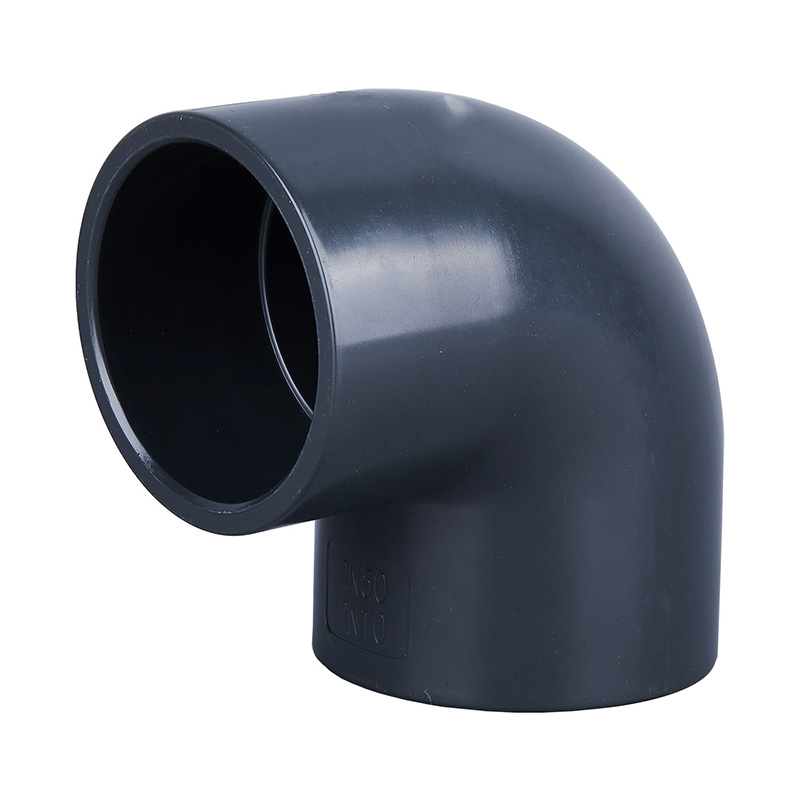 Wholesale PVC-U 90° Elbow DN15-600 GB Standard Suppliers, Factory - Kaixin PipelKaixin Pipeline Technologies Co., Ltd is China wholesale industrial/household PVC-U 90° Elbow DN15-600 GB Standard suppliers and factory,...View Product →
Choosing the Right Valve Type
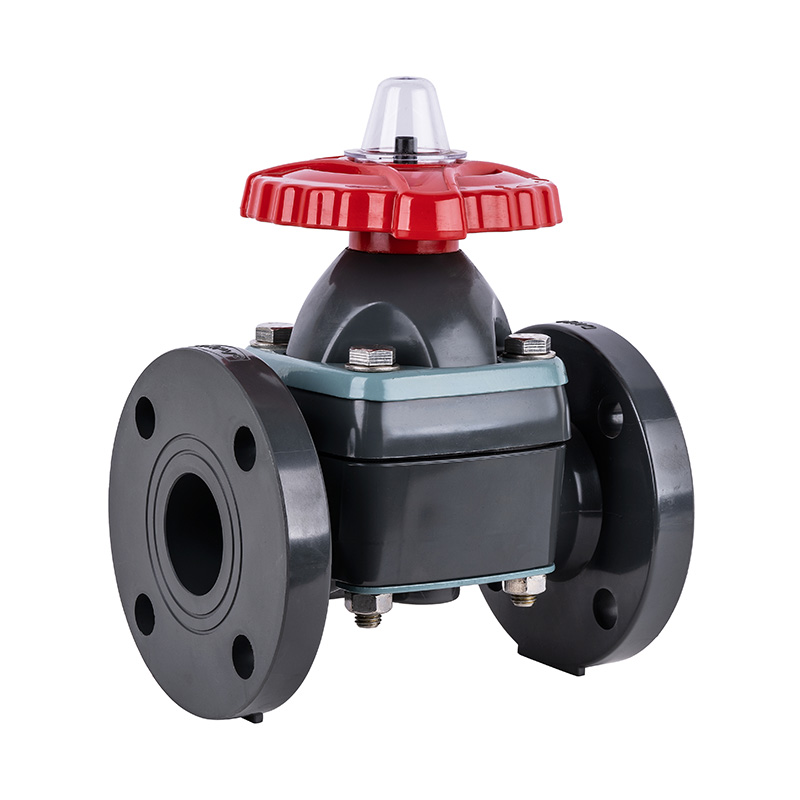
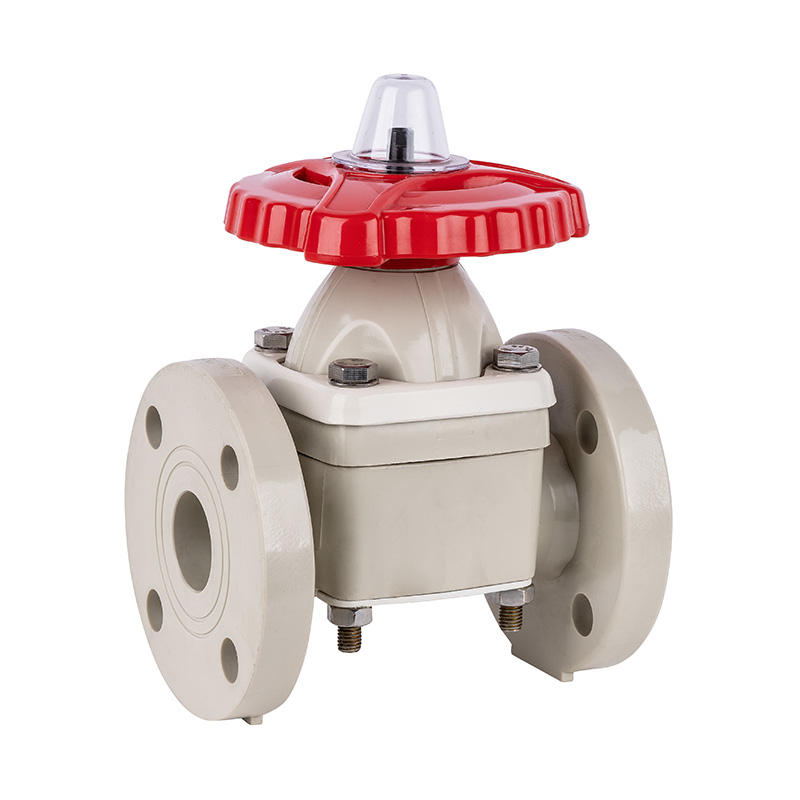
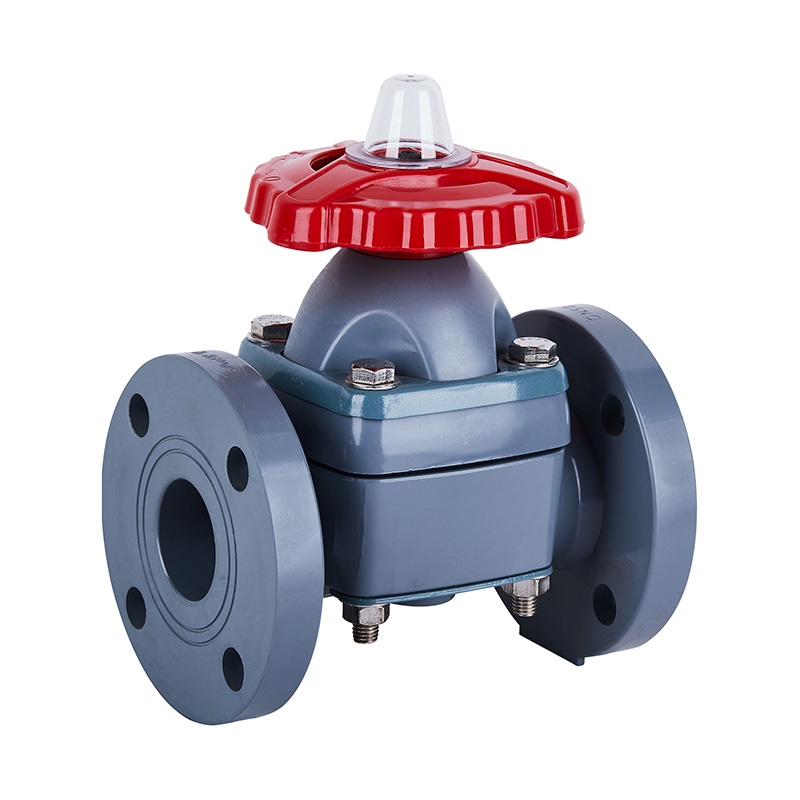
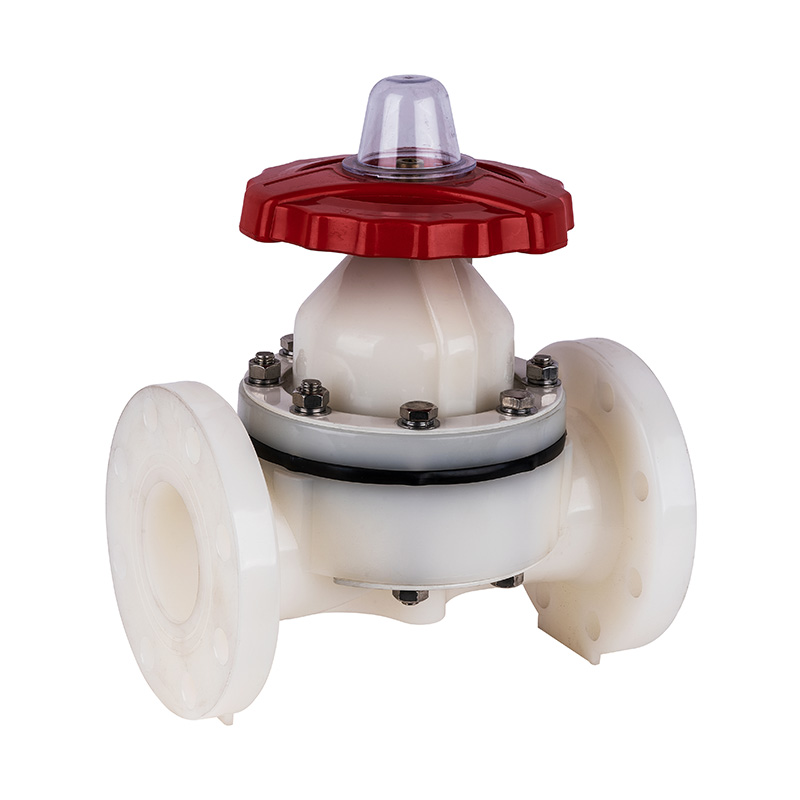
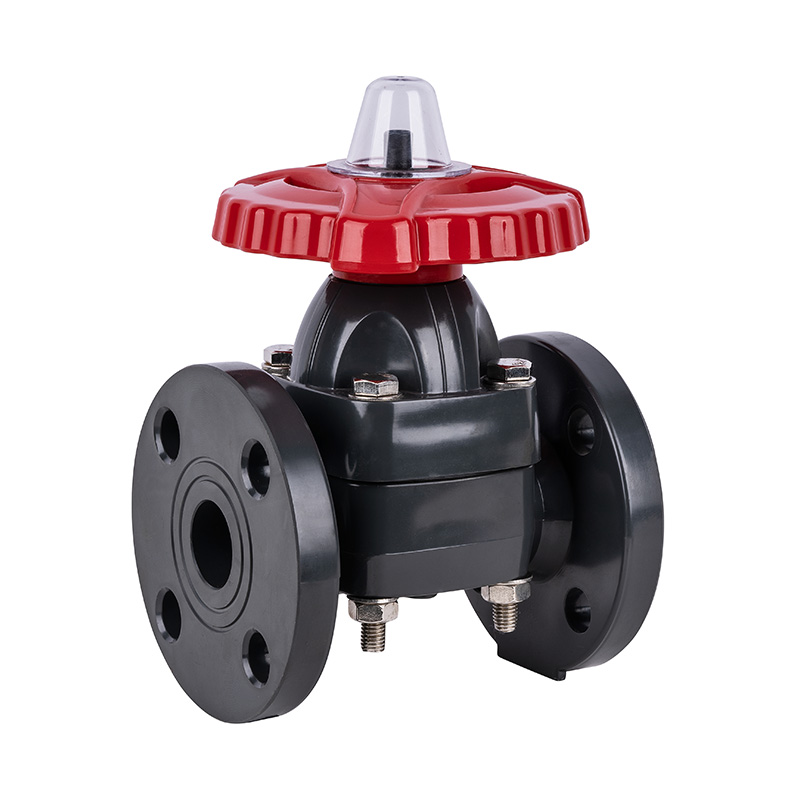
The valve type depends on what the line is supposed to do. Ball valves are the most common choice for PVC pipe because they give a full bore, a quarter-turn shutoff, and low pressure drop. For throttling a corrosive chemical, a diaphragm valve is often safer because the fluid does not contact the valve stem or threads. Check valves are added when backflow can damage a pump or contaminate a batch.
| Valve Type | Best For | Considerations |
|---|---|---|
| Ball valve | On/off control of clean or mildly abrasive fluids | Not ideal for precise throttling |
| Diaphragm valve | Corrosive or particulate-laden fluids, throttling | Higher operating torque; diaphragm wear over time |
| Check valve | Preventing backflow in pump discharge lines | Requires correct orientation and adequate flow |
| Butterfly valve | Large-diameter lines where space is limited | Wider torque curve; less precise for fine flow control |
For a 15–100 mm UPVC line, a UPVC socket ball valve is a direct and compact solution: it is solvent-cemented into the socket of an adjoining fitting, eliminating the risk of loosening from vibration.
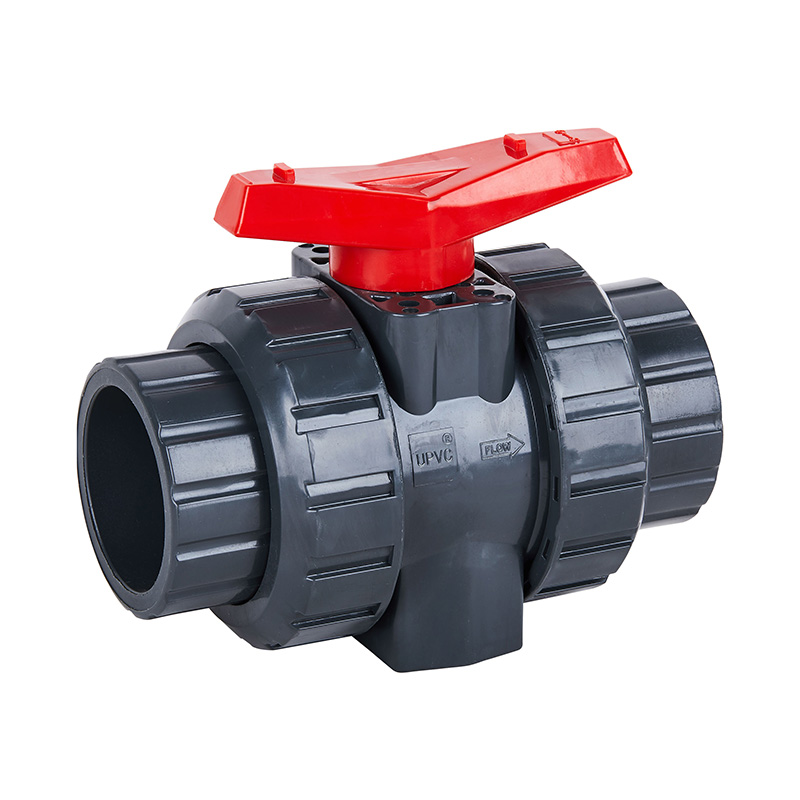 Wholesale PVC-U Q61F-10U Socket Ball Valve DN15-100 GB Standard Suppliers, FactoKaixin Pipeline Technologies Co., Ltd is China wholesale industrial/household PVC-U Q61F-10U Socket Ball Valve DN15-100 GB Standard suppl...View Product →
How to Connect a PVC Pipe with a Valve
The connection method determines how easy the valve is to install, service, and replace. The three most common methods for a PVC pipe with valve assembly are socket-cemented, flanged, and union-type connections.
Socket-Cemented Joints
Socket-cemented joints rely on a chemical weld between the pipe outside diameter and the valve socket. The surface is cleaned, coated with solvent cement, and assembled before the cement cures. Use a purpose-made PVC pipe glue formulated for the specific pipe material to prevent soft spots or blisters. A typical solvent-cemented assembly follows these steps:
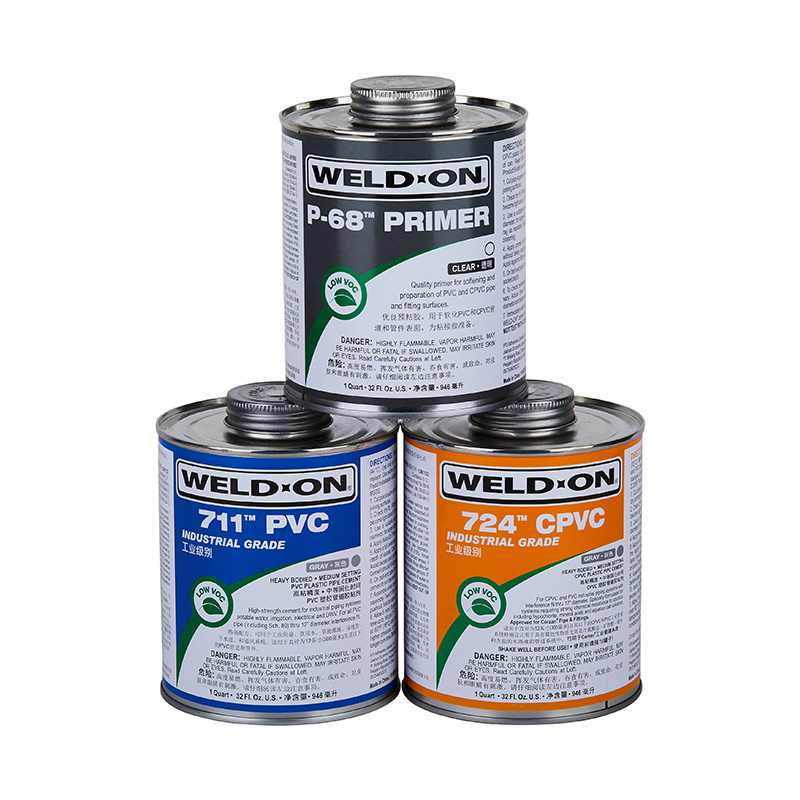 Wholesale Pre-Applied Adhesive GB Standard Suppliers, Factory - Kaixin Pipeline Kaixin Pipeline Technologies Co., Ltd is China wholesale industrial/household Pre-Applied Adhesive GB Standard suppliers and factory,Tran...View Product →
- Cut the pipe square and remove burrs.
- Clean the pipe end and socket with a suitable cleaner.
- Apply solvent cement evenly to both surfaces.
- Insert the pipe with a quarter turn and hold it in position for several seconds.
- Allow the joint to cure fully before pressure testing.
Flanged Connections
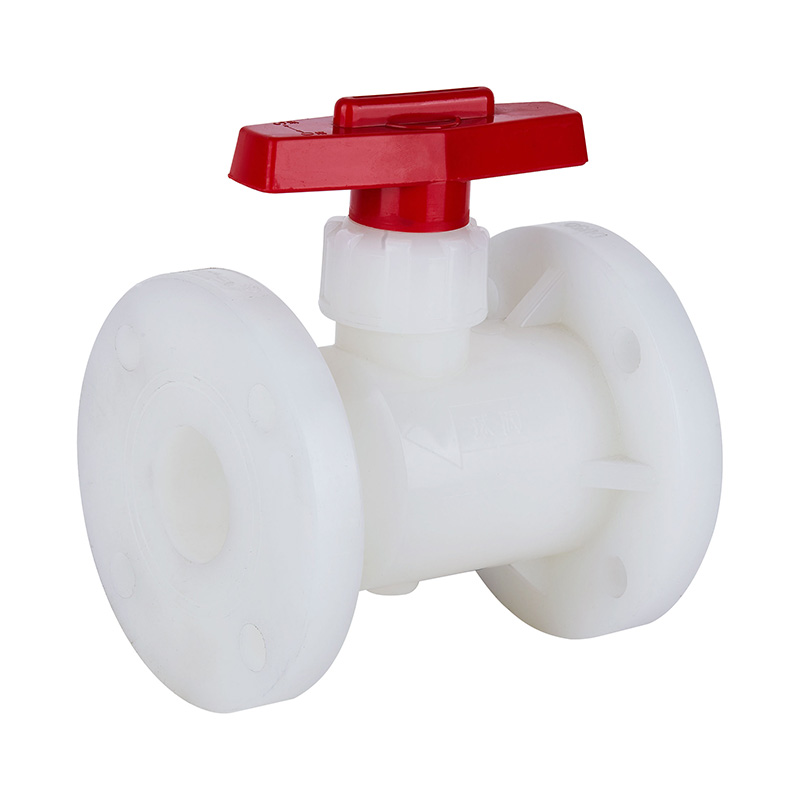
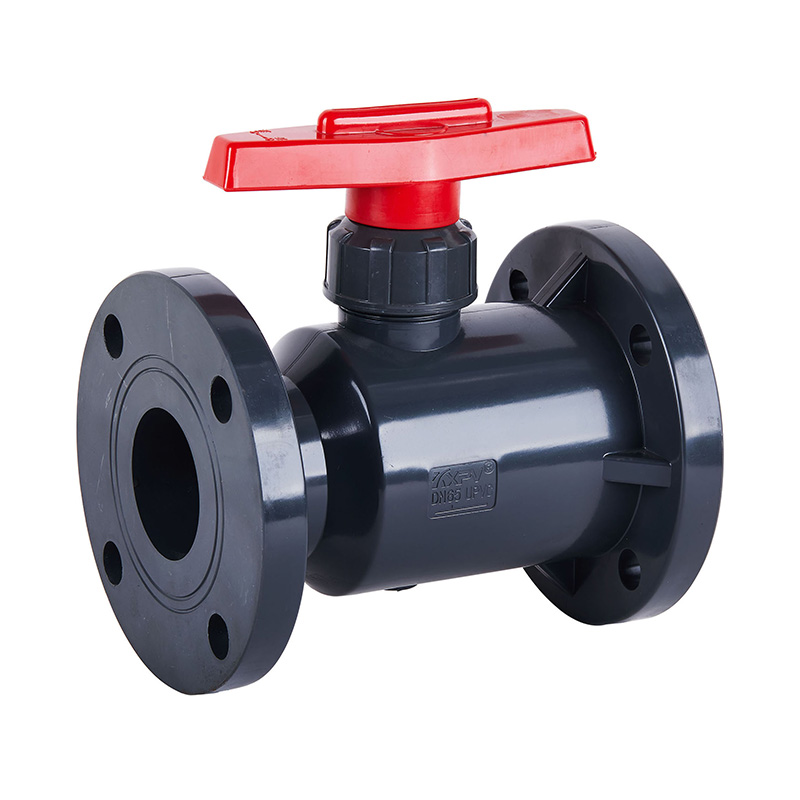
Flanged joints are used on larger diameters or where the valve must be removed without cutting the pipe. The valve flange and pipe flange are bolted together with a gasket. Tighten flange bolts in a criss-cross pattern and avoid over-torquing thermoplastic flanges.
Threaded and Union Connections
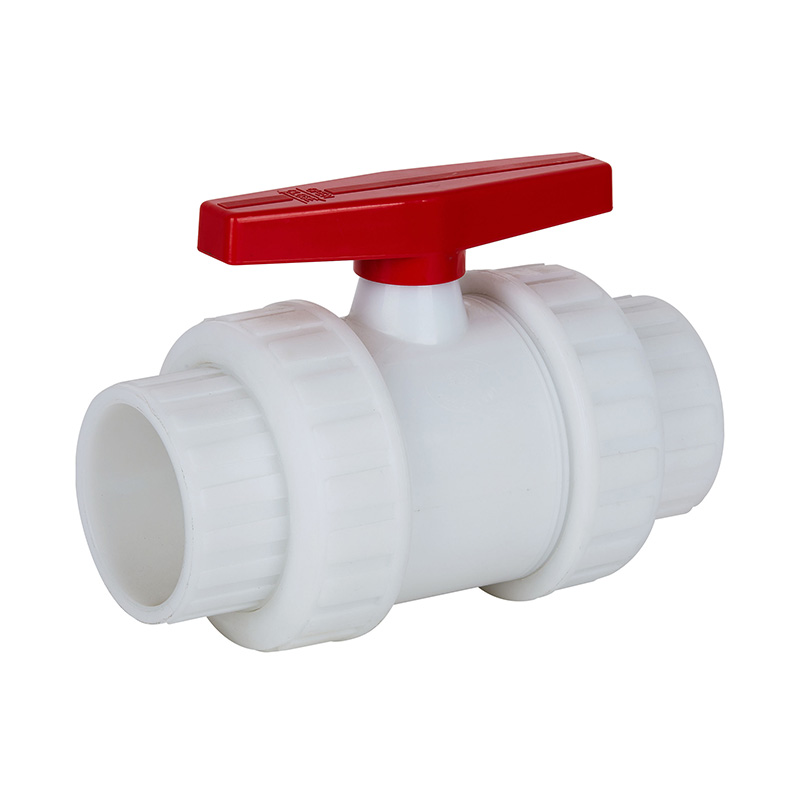
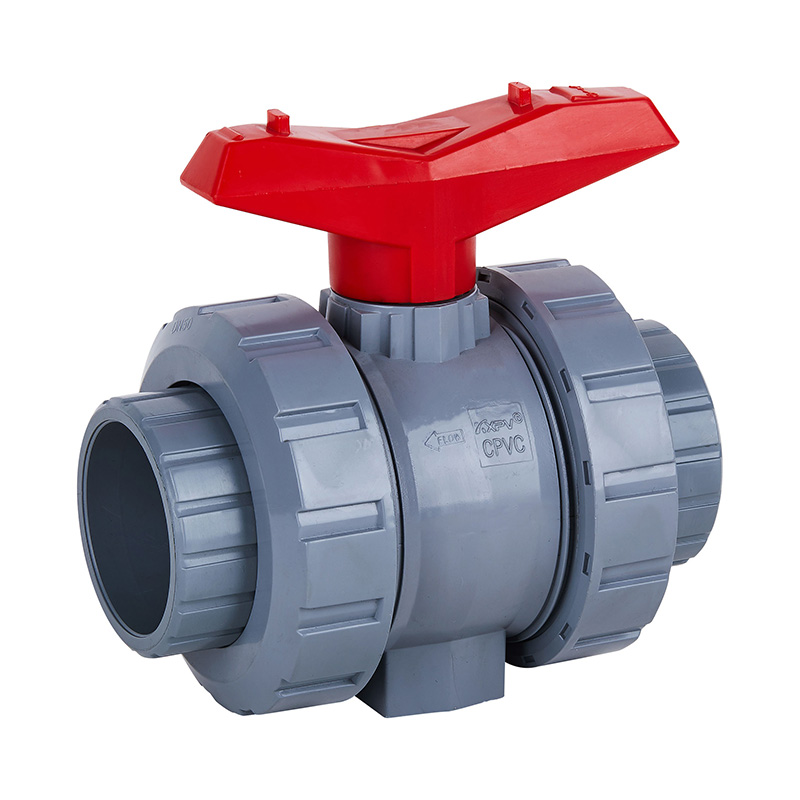
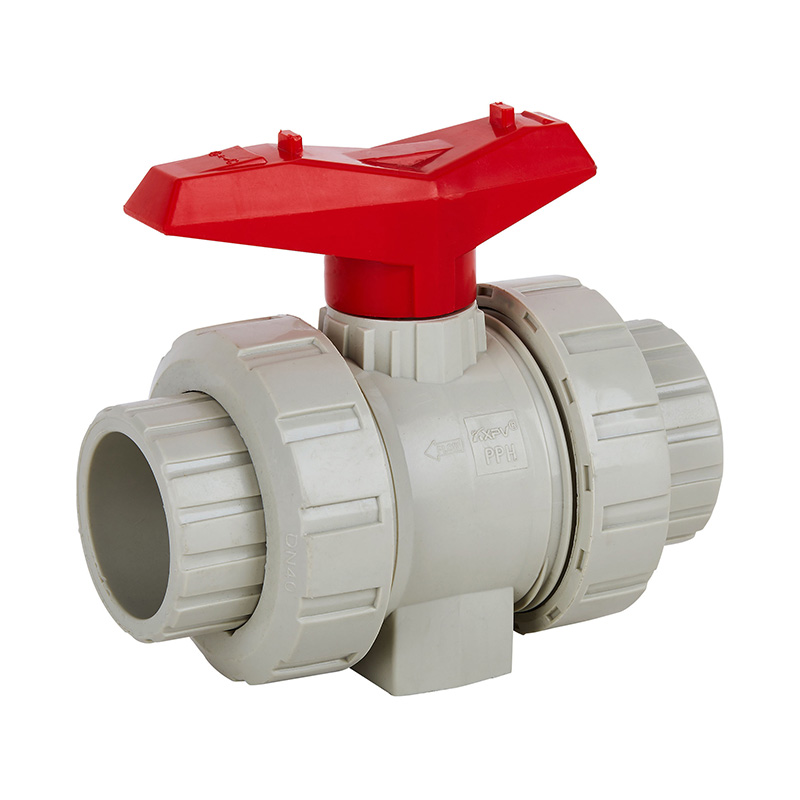
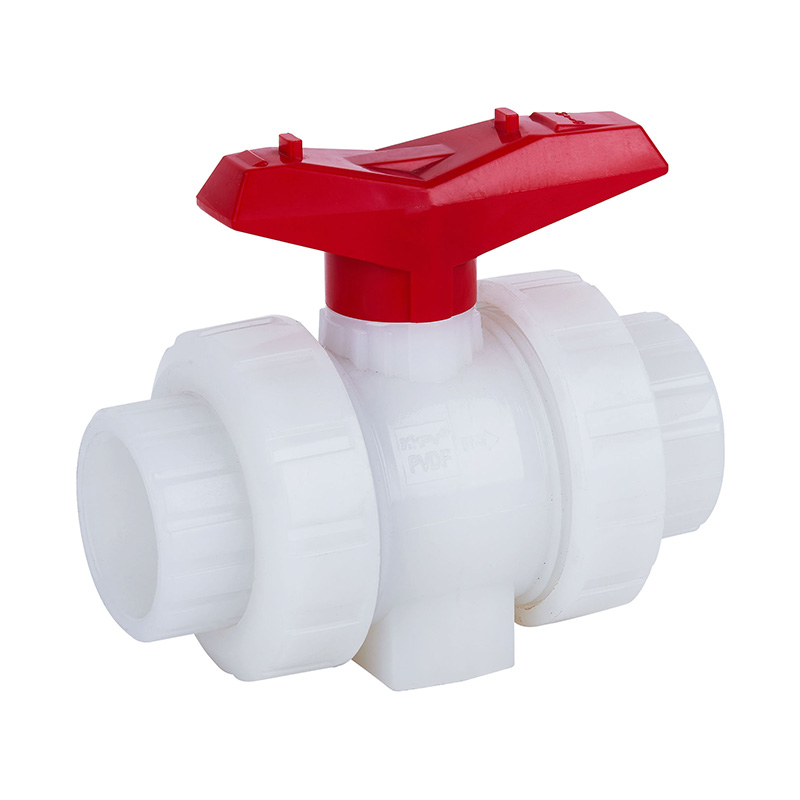
Threaded connections are convenient for small valves, but molded threads in thermoplastics are less tolerant of overtightening. A double-union ball valve or a separate union fitting adds a mechanical connection that can be broken without rotating the pipe. This is especially useful for maintenance access in tight spaces.
Pressure Ratings, Dimensions, and Standards
PVC piping materials are affected by temperature and wall thickness. A valve that works at 10 bar at 20°C may have a much lower rating at 60°C. Always check the pressure-temperature de-rating curve for the pipe and the valve body together.
Dimensions also need to match. A socket valve is sized for a specific pipe OD; a flanged valve must align with the bolt circle of the pipe flange. If the system follows GB, ANSI/ASTM, or JIS standards, confirm all components use the same standard. A useful overview is this guide to choosing the right plastic valve pipe for corrosive and abrasive applications.
| Standard | Region / Basis | Representative Size Range |
|---|---|---|
| GB | China national standard | DN15 to DN600, with larger valves available |
| ANSI/ASTM | North American standard | DN15 to DN600 (1/2" to 24") for many fittings |
| JIS | Japanese standard | DN15 to DN150 for several flanged valve types |
Installation and Operating Considerations
A PVC pipe with valve is reliable only if the line is properly supported and not overstressed. Plastic piping is more flexible than steel, so supports must be closer together, especially on horizontal runs with valves. The valve itself should not carry the weight of a long pipe span.
Thermal expansion is another common source of leaks. A long straight run of UPVC can expand several millimeters over a temperature swing. Use expansion loops or allow the flange bolts to slide in slotted holes if the design requires it.
Before putting the line into service, pressure test with water or an inert gas at a controlled pressure. This is also a good time to review safety considerations when working with PVC valves in high-pressure systems.
Where a PVC Pipe with Valve Assembly Works Best
These assemblies are common in chemical dosing, electroplating lines, water treatment, and scrubber systems. In each case, the combination of UPVC pipe, a standard ball valve, and simple socket or flange joints gives a low-cost, corrosion-resistant solution. The reliability depends on matching the material, valve type, connection, and pressure rating. That is also why PVC valves are a reliable choice for flow control when specified and installed correctly.
 Headquarters: No. 539 Bohai Road, Beilun District, Ningbo City, Zhejiang Province, P.R. China
 +86-18067123177