

 EN
 English
 Español
 عربى
 русский
 中文简体

Kaixin, a high-tech enterprise specialized in the R&D, production and sales of polymer pipeline valves.
Kaixin field notes · Plastic valve selection
Plastic Gate Valves: Quiet Isolation for Harsh Lines
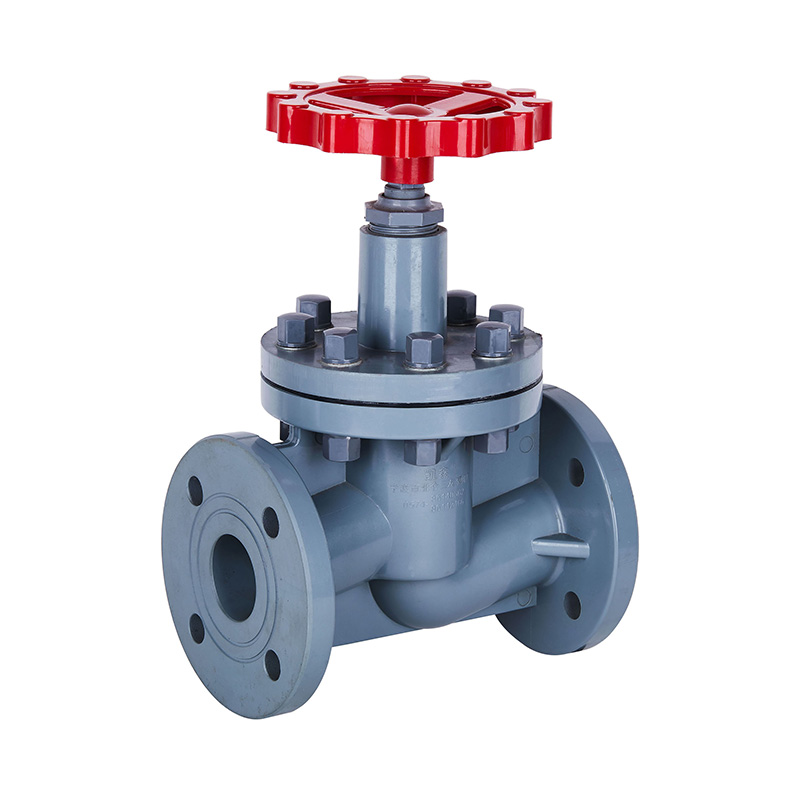
A plastic gate valve looks simple until it has to close a corrosive line cleanly, sit open for months without stealing pressure, and survive a medium that would quietly eat metal. In chemical, plating, and wastewater piping, the details behind the body decide whether the valve stays quiet or becomes a maintenance story.
What a Plastic Gate Valve Actually Does
A gate valve isolates by sliding a gate across the flow path. In the open position the passage is close to straight-through, so pressure loss is low; in the closed position the gate seats against the body and the stem gives a clear visual signal. That makes it a calm choice for lines that are either fully open or fully closed.
Plastic gate valves are made in several resin families: PVC-U, CPVC, PPH, PVDF and FRPP. The body resin is only one part of the specification. The stem, seat, gasket, and the way the gate is guided all influence chemical compatibility, cycle life and how much torque an operator can reasonably apply.
A gate valve is an isolation device. If a line needs constant adjustment, it is already asking the wrong tool to do the job.
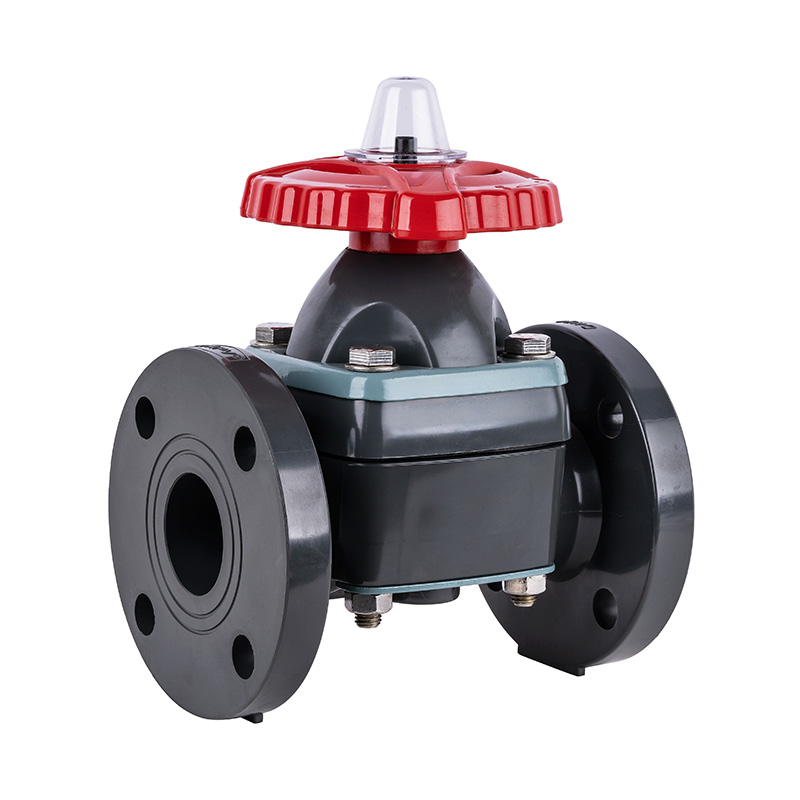 Plastic Valve Series for Corrosive Fluid ControlBrowse diaphragm, globe, flanged and socket ball valves in FRPP, PPH, PVC-C, PVDF and PVC-U, with sizes and standards listed for corrosive-service piping.View Product →
Material and Standard Matter More Than the Word Plastic
PVC-U is the economical starting point for many water and acid lines, but temperature and chemical limits matter. CPVC pushes temperature and chemical resistance further. PPH is often chosen where welding, chemical resistance and dimensional stability need to coexist. PVDF is the material many engineers reach for when purity, aggressive media or higher temperature rule out the simpler options. FRPP adds reinforcement for structural demands.
Info: A CPVC body with a standard elastomer seat is not the same duty rating as a PVDF body with a PTFE-lined seat. Ask for the wetted parts, not just the body resin.
Standards are not paperwork. A GB valve and an ANSI/ASTM valve may share a material name but differ in flange dimensions, face-to-face length, pressure class and test expectations. If the chemical piping series around the valve follows a different standard, the installation can become an expensive adapter problem.
Where Gate Valves Earn Their Place
Gate valves earn their place when the job is isolation, not adjustment. A tank outlet that is open during transfer and closed for maintenance, a header that needs a clear open/closed signal, a pump isolation point, or a gravity line where every millimetre of pressure matters are all natural fits.
- Full-open service with occasional closing, where low pressure drop is a real benefit.
- Lines with low-to-moderate cycling and a clear maintenance rhythm.
- Bi-directional isolation where reverse flow is not routine.
- Locations with enough overhead space for a tall stem and a deliberate manual action.
The common thread is patience. A gate valve is happiest when it is left alone.
When a Gate Valve Becomes the Wrong Choice
The damage begins at the seat: a partly open gate creates turbulence, vibration and erosion in a polymer body that has less thermal margin than metal. A gate valve can be cracked open for a short, controlled operation, but it should not be the routine control element.
Warning: Do not use a plastic gate valve as a throttling valve for a steady flow adjustment. The cost of the wrong choice usually appears at the seat, not at the handle.
Slurries, sludge and particulate-laden fluids can settle in the gate pocket or hold the gate off its seat. Some knife-gate designs are built for difficult solids, but the specification has to say so. Frequent cycling also pushes a gate valve toward earlier seat wear; ball valves and diaphragm valves often handle repeated operation more gracefully.
When throttling or abrasive media dominate, a diaphragm valve is often the more patient choice.
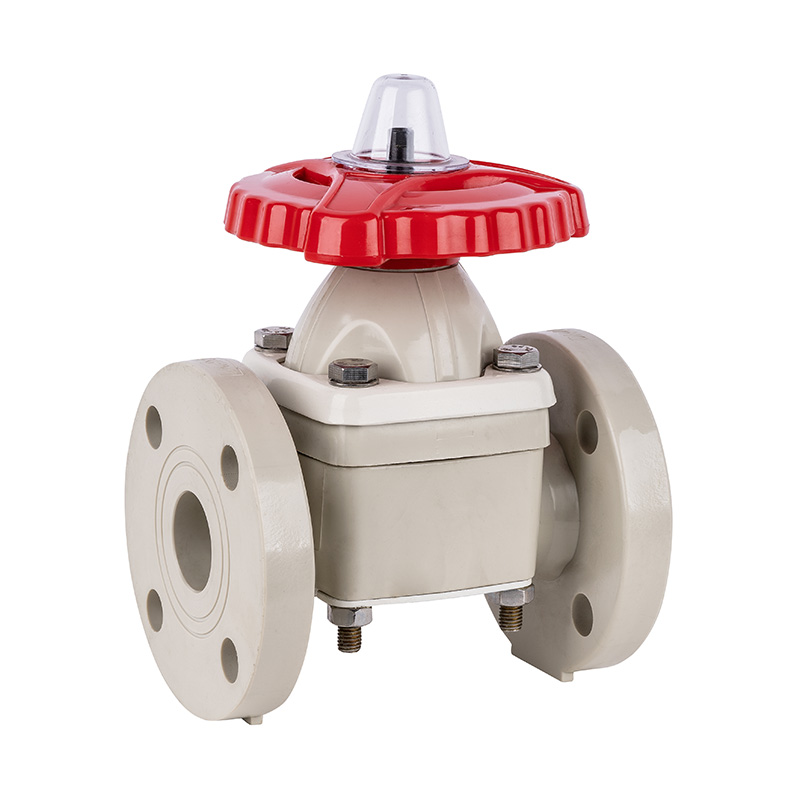
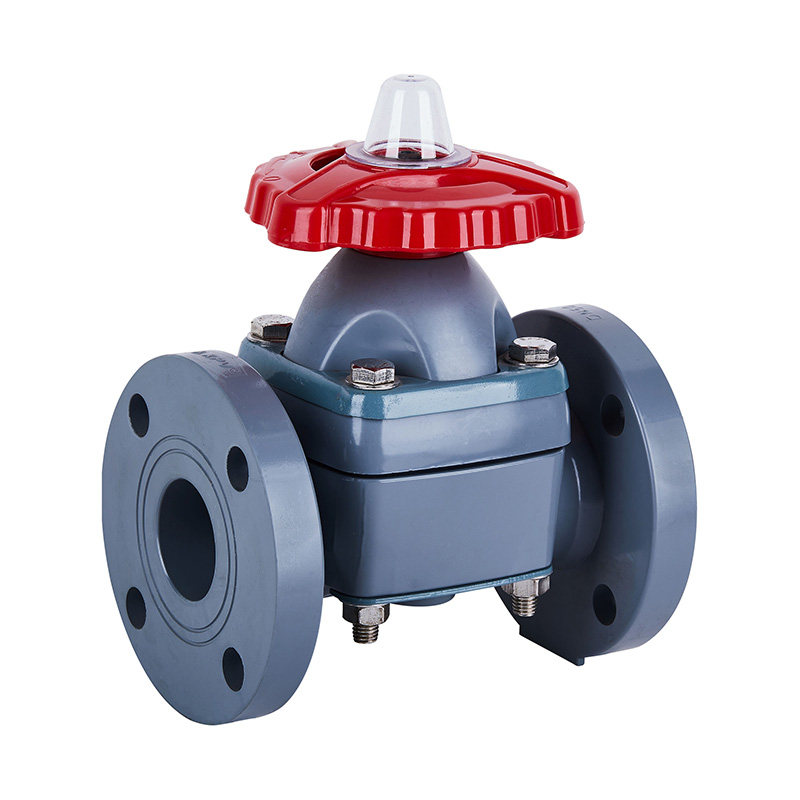
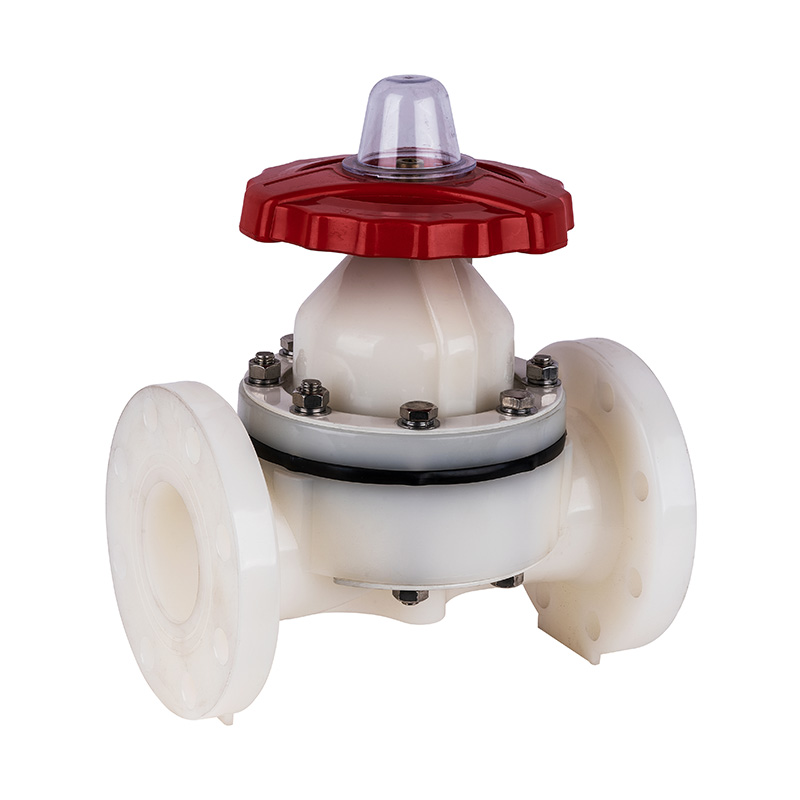
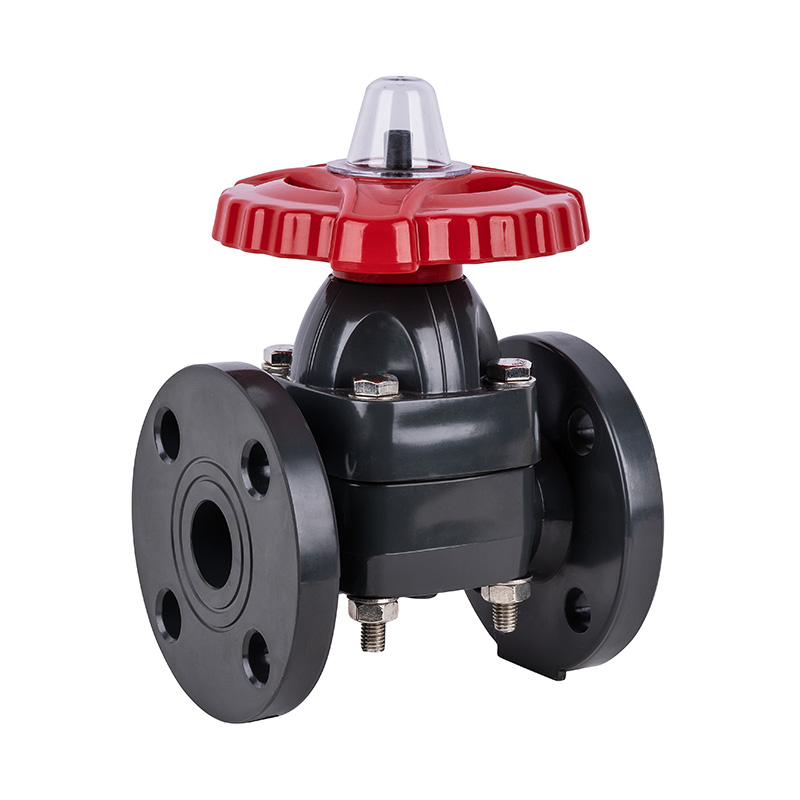
Plastic Diaphragm Valves for Throttling and Corrosive DutyFlanged plastic diaphragm valves in FRPP, PPH, PVC-C, PVDF and PVC-U cover GB, ANSI and JIS sizes; compare against medium, temperature and duty before selection.View Product →A Practical Comparison for Corrosive Service
The table below is a starting point, not a substitute for a duty sheet. Medium, concentration, temperature, pressure, cycling and the governing standard still decide the final selection.
| Duty | Plastic gate valve | Plastic ball valve | Plastic diaphragm valve | Plastic butterfly valve |
|---|---|---|---|---|
| Primary use | Isolation, full open or closed | Quick on/off isolation | Throttling, slurry and dirty service | Large-diameter isolation and moderation |
| Throttling | Not recommended | Limited | Good | Fair |
| Solids and slurry | Standard designs struggle | Fair to limited | Good | Fair |
| Pressure drop when open | Very low | Low | Low to moderate | Low |
| Space and actuation | Tall stem; often manual | Compact quarter-turn | Compact; actuator friendly | Compact at large sizes |
For clean lines that need quick quarter-turn isolation, a ball valve is often the simpler habit; for dirty throttling duty, diaphragm designs earn their keep.
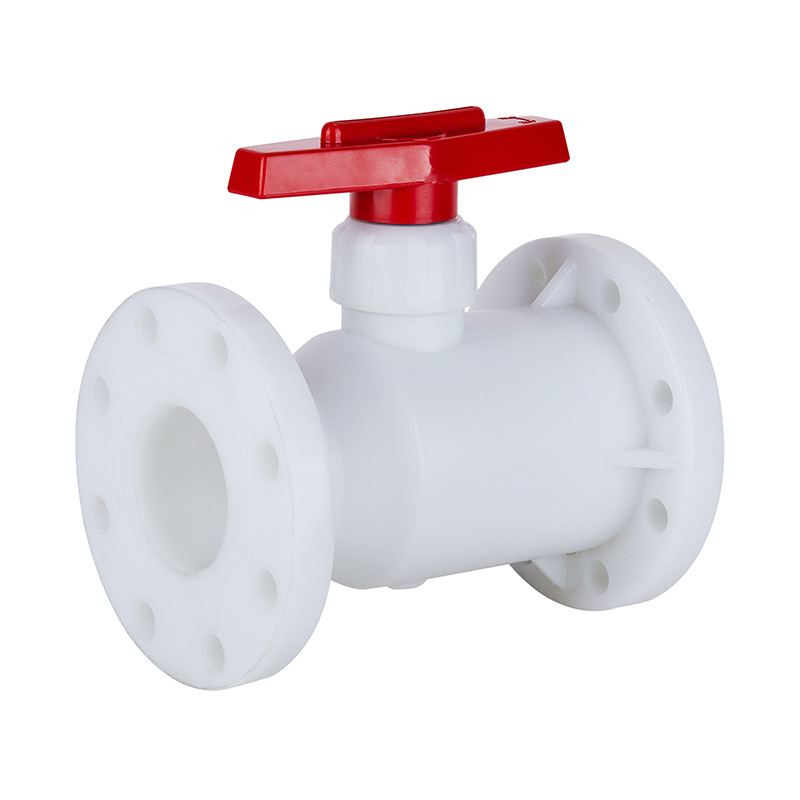
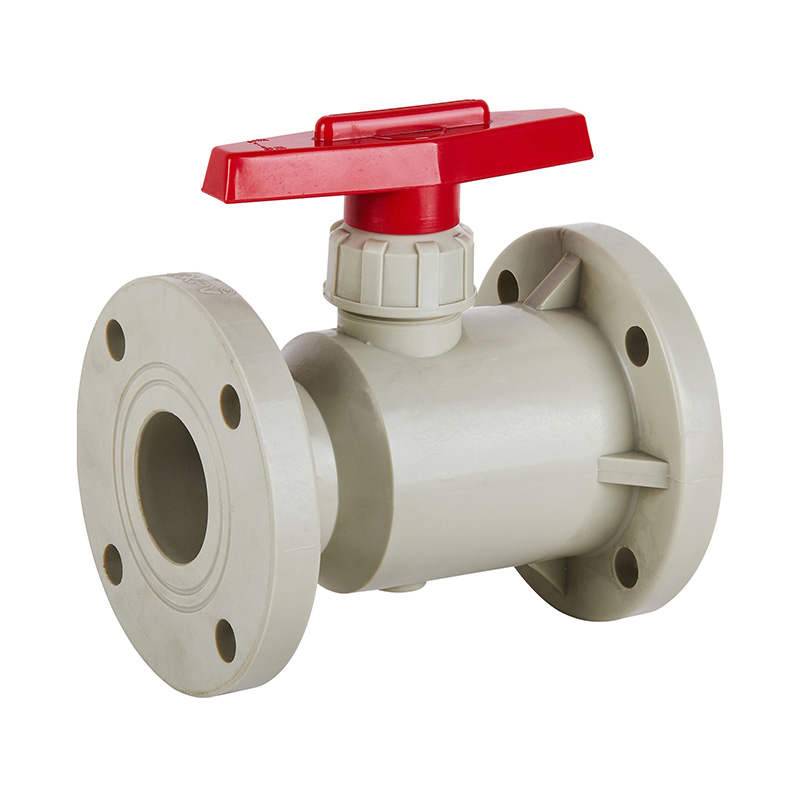
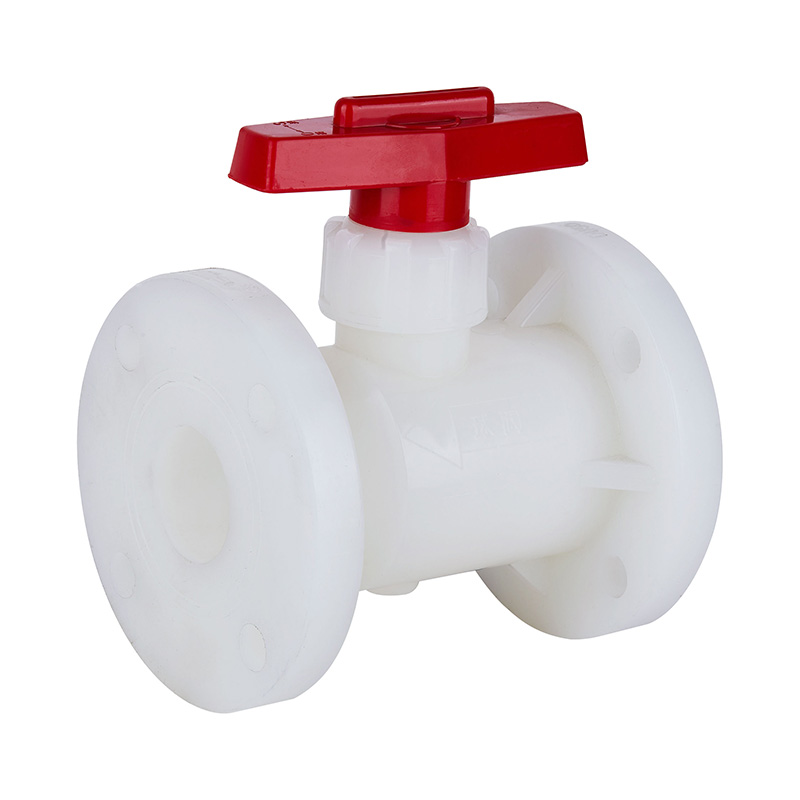
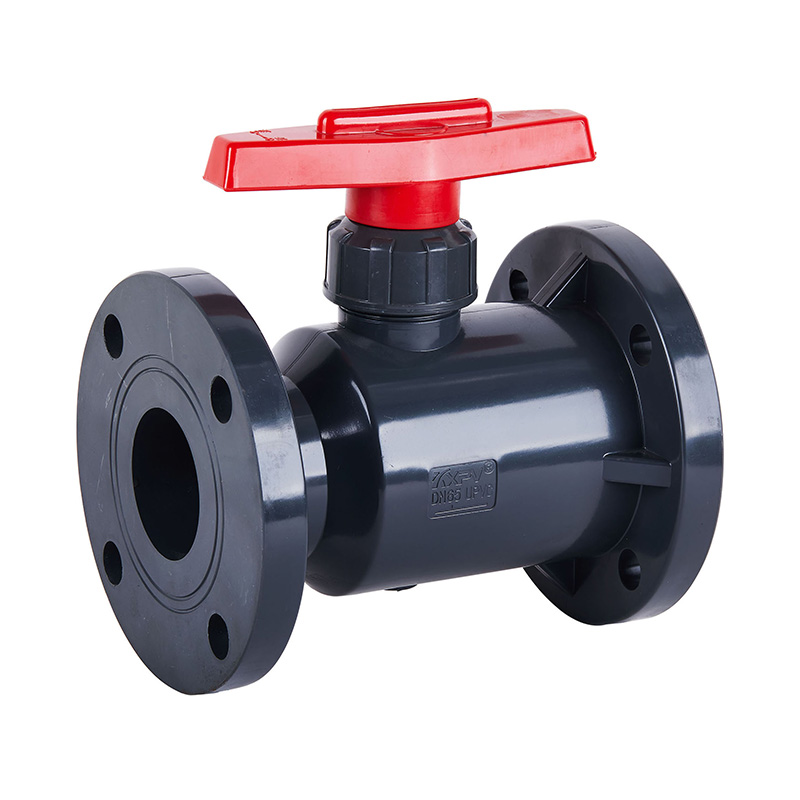
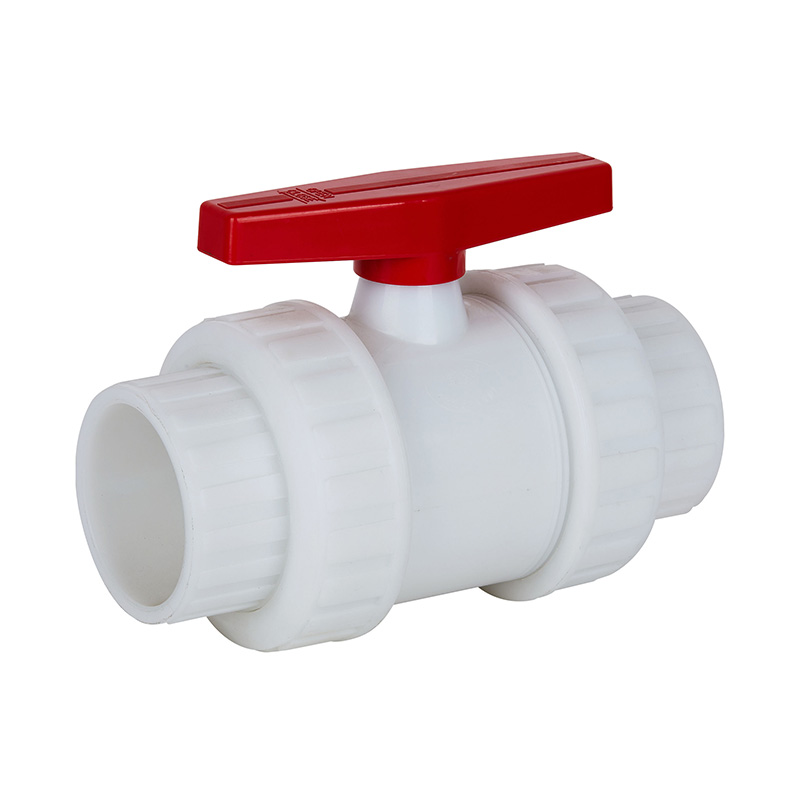
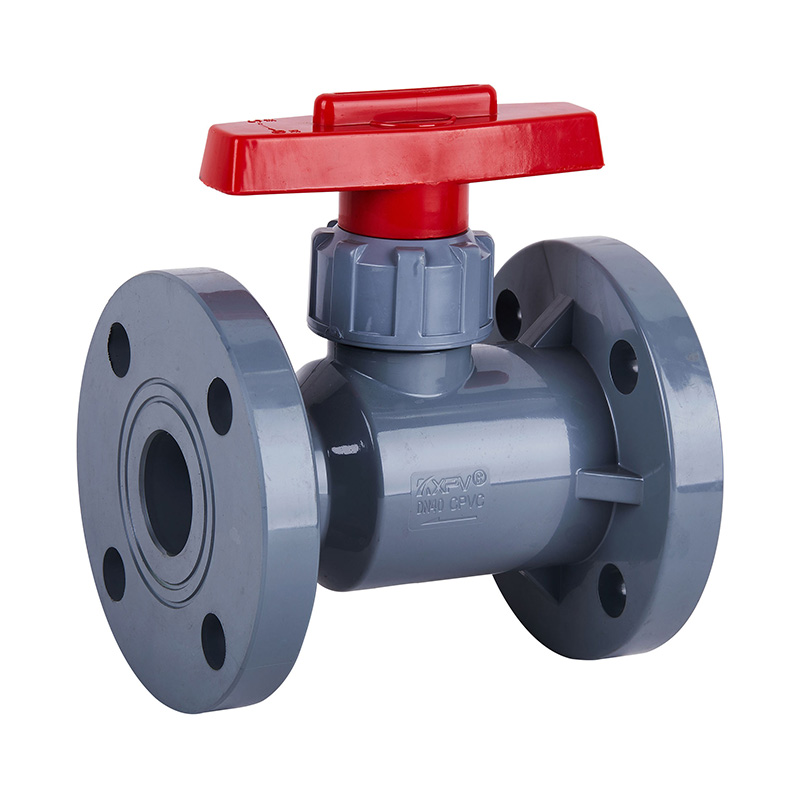 Plastic Ball Valve Series for On/Off IsolationFlanged and socket plastic ball valves in PVC-C, FRPP, PPH, PVDF and PVC-U, with PN10/PN16 ratings and sizes for chemical, water and irrigation piping.View Product →
A Selection Checklist Worth Slowing Down For
- Write down the medium, concentration and any suspended solids.
- Confirm the temperature range, including cleaning and upset conditions.
- Check operating pressure and the pressure seen during isolation.
- Count the cycles: occasional isolation and daily adjustment are different duties.
- Name the governing standard and the flange or connection details.
- Decide whether manual operation, electric actuation or pneumatic actuation is required.
- Ask what spare seat, gasket and stem parts will be kept on site.
For a wider view of material and pipe pairing, our selection guide for corrosive and abrasive service is a useful next read.
Success: The best specification is often boring: exact medium, temperature, pressure, standard and duty cycle written down before a valve is quoted.
Installation and Maintenance Keep a Gate Valve Honest
A plastic valve body is rigid, but the piping around it is not. Support the line, align the flanges, and let the gasket do its job. Using flange bolts to pull a misaligned pipe into place puts bending stress into the valve before it ever sees process pressure.
Danger: Over-tightening a plastic flange or gate stem to stop a leak can crack the body or distort the seat. Fix the joint, not the torque.
During commissioning, operate the valve through a full cycle and confirm that the stem reaches both limits cleanly. Leave it fully open or fully closed in normal service. After a chemical upset, a temperature excursion or a solids event, inspect the seat and gasket before returning the line to routine operation. Some plastics are also more UV-sensitive than others, so outdoor installations deserve a check on the body and gasket materials rather than a simple coat of paint.
How Kaixin's Range Fits Around the Valve
Kaixin has worked in high-polymer piping and valve technology since 1999, with a product range that covers plastic pipes, fittings, valves and corrosion-resistant pumps. For projects where a plastic gate valve is specified, the surrounding system still needs a coherent material and standard strategy. Our plastic valve range includes ball, butterfly, diaphragm, check, bottom and globe designs, while the piping and pump range supports the rest of the corrosive-fluid circuit.
That wider view matters because a gate valve is rarely the only decision on a line. The flange, gasket, pipe grade and neighbouring valve all affect how long the isolation point stays reliable. We would rather help a project check the duty than sell a valve that fits poorly.
The Final Thought
Choose a plastic gate valve for isolation, not for control. Match the body, seat, gasket and standard to the medium; leave the valve fully open or fully closed; and keep the piping aligned and supported. When a gate valve is treated as the quiet workhorse it is designed to be, it can sit in a harsh line for years without asking for attention. The specification should be careful, the installation should be calm, and the maintenance should be routine.

 Headquarters: No. 539 Bohai Road, Beilun District, Ningbo City, Zhejiang Province, P.R. China

 +86-18067123177
