

 EN
EN English
 Español
 عربى
عربى русский
 中文简体
中文简体
Kaixin, a high-tech enterprise specialized in the R&D, production and sales of polymer pipeline valves.
-
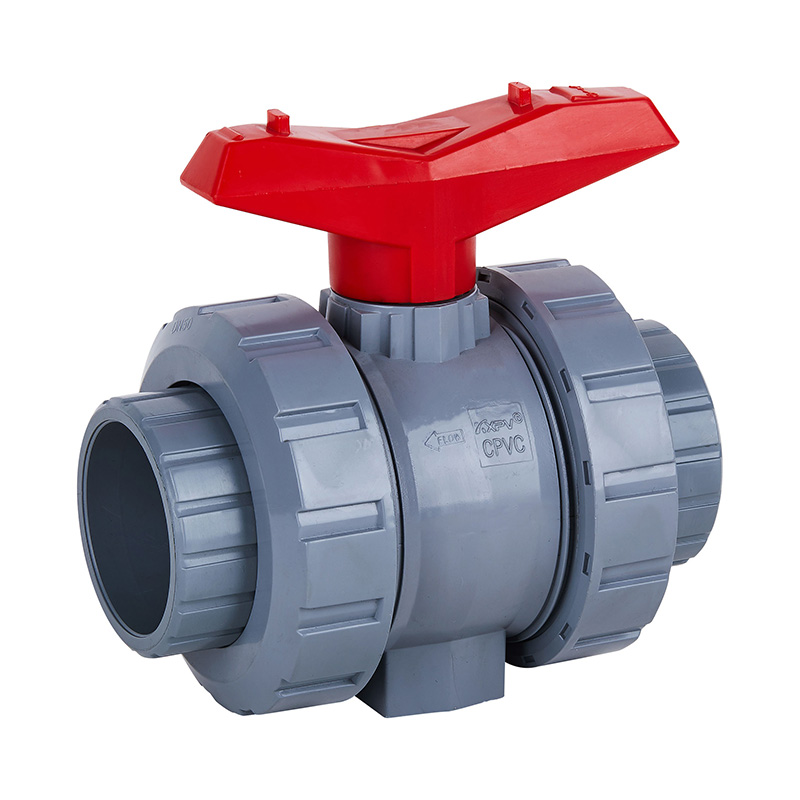
High Temperature Resistance — CPVC PIPE FITTINGS are specifically engineered to withstand the high temperatures commonly found in domestic, commercial, and industrial hot water systems. They can endure continuous operating temperatures up to 90–95°C and short-term surges up to 100–110°C without losing structural integrity, softening, or deforming. This capability ensures that hot water can be transported safely and efficiently without the risk of leakage, warping, or pressure loss that would occur in standard PVC systems. In modern construction projects, where hot water demand is high for both residential and commercial applications, the ability of CPVC fittings to tolerate elevated temperatures is critical for maintaining consistent performance. These fittings retain their mechanical strength even under repeated thermal cycling, ensuring long-term reliability and reducing the likelihood of costly maintenance or premature system failure. Their temperature resistance also allows for integration with high-efficiency water heating systems, ensuring compatibility with modern energy-saving technologies.
-
Corrosion and Chemical Resistance — Unlike metal piping and fittings, which are prone to corrosion, rusting, and scaling over time, CPVC PIPE FITTINGS exhibit exceptional resistance to chemical attack and degradation from waterborne contaminants. This corrosion resistance ensures that the internal diameter of the pipe remains smooth and unobstructed, preventing pressure drops and maintaining consistent flow rates over the lifespan of the system. In areas where water may contain chlorine, minerals, or other chemical additives, CPVC fittings protect against chemical-induced deterioration, ensuring the longevity and reliability of both hot and cold water distribution systems. By resisting internal corrosion and scaling, CPVC fittings contribute to maintaining water quality, minimizing the risk of taste or odor contamination, and preventing microbial growth within plumbing networks. This makes CPVC an ideal solution for potable water applications where hygiene and safety are paramount.
-
Lightweight and Easy Installation — One of the significant advantages of CPVC PIPE FITTINGS is their lightweight construction, which simplifies handling, transportation, and installation on construction sites. Compared to traditional metal fittings, CPVC requires less labor effort, reducing worker fatigue and allowing for faster project completion. Installation typically involves solvent cement bonding, which forms strong, leak-proof joints without the need for welding, threading, or specialized mechanical tools. This reduces the risk of human error, ensures a reliable seal at each joint, and speeds up the overall installation process. The ease of installation also translates into cost savings, as fewer man-hours are required and specialized equipment is minimized. Additionally, the lightweight nature of CPVC allows for safer handling at heights or in tight spaces, which is particularly advantageous in multi-story residential or commercial buildings where access to plumbing runs can be limited.
-
Excellent Mechanical Strength and Durability — Despite being a lightweight material, CPVC PIPE FITTINGS provide remarkable mechanical strength and are capable of withstanding high internal pressures typically found in modern plumbing systems. Their structural integrity ensures that the fittings maintain proper alignment, resist cracking, and avoid leaks even under repeated thermal cycling and high operational stress. This mechanical robustness extends to both vertical and horizontal runs, making CPVC fittings suitable for complex piping networks in large buildings or industrial applications. The durability of CPVC fittings also reduces the frequency of repairs or replacements, contributing to long-term system reliability. By maintaining consistent performance under mechanical stress, CPVC PIPE FITTINGS ensure that hot and cold water systems operate safely and efficiently, reducing downtime and maintenance costs throughout the life of the installation.
-
Low Thermal Conductivity — CPVC PIPE FITTINGS have inherently low thermal conductivity, which provides excellent insulation properties for hot water systems. This characteristic minimizes heat loss as water travels through the distribution network, ensuring that hot water reaches taps and fixtures at the desired temperature without significant energy waste. In cold water systems, low thermal conductivity reduces the risk of condensation forming on the exterior of pipes, which can otherwise lead to dripping, mold growth, and water damage to surrounding building materials. By maintaining temperature stability, CPVC fittings contribute to improved energy efficiency and system performance. This property also enhances the effectiveness of modern plumbing designs, where maintaining optimal water temperature is critical for both user comfort and compliance with energy-saving regulations in commercial and residential buildings.

 Headquarters: No. 539 Bohai Road, Beilun District, Ningbo City, Zhejiang Province, P.R. China
 +86-18067123177