

 EN
EN English
 Español
 عربى
عربى русский
 中文简体
中文简体
Kaixin, a high-tech enterprise specialized in the R&D, production and sales of polymer pipeline valves.
Plastic Pipe Pressure Rating: What the Number Really Means
A PN16 line at 23 °C is not a PN16 line at 70 °C. Here is how engineers read thermoplastic ratings before they approve a chemical, plating or wastewater line.
A plant engineer replaces a corroded metal line with CPVC pipe rated PN16. Six months later, two flange joints weep and a valve body shows a hairline crack. Nothing was out of specification. The line simply runs at 65 °C, where the same material holds roughly 60 percent of the pressure it advertises at room temperature.
The pressure rating printed on a plastic pipe, fitting or valve is a reference value. It is measured with water at 23 °C, based on a defined time-to-failure curve, and it already includes a design factor. The allowable working pressure in your plant is that number corrected for temperature, chemical exposure, joint type, surge and the weakest component in the run. The sections below explain each correction, where the underlying figures come from, and the checks worth completing before a bill of materials is signed.
What the Rating on the Pipe, Fitting or Valve Actually Means
Thermoplastic products carry three different families of markings, and they do not mean the same thing. Nominal pressure values such as PN10 and PN16 come from the GB, DIN and ISO tradition. Schedules such as SCH 40 and SCH 80 describe wall thickness, not pressure. Flange classes such as Class 150 describe a bolting and gasket interface. Reading one as if it were another is the most common source of lines that are either over-specified or quietly under-specified.
| Marking | What it refers to | Typical standard family | What it does not tell you |
|---|---|---|---|
| PN 10, PN 16 | Nominal pressure in bar, referenced to water at 20 to 23 °C | GB, DIN, ISO | The allowable pressure at your service temperature |
| SCH 40, SCH 80 | Wall thickness schedule | ASTM, ANSI | The pressure capability, which changes with material and diameter |
| Class 150 | Flange pressure class and bolting pattern | ANSI, ASME | The rating of the pipe wall or the joint behind the flange |
| DN 50, 2 inch | Nominal diameter | GB, ISO, ANSI | Wall thickness, pressure class and flange drilling |
Two conversions help when comparing offers from different suppliers: 1 bar equals 14.5 psi and 0.1 MPa, so a PN10 rating is about 145 psi. A DN50 pipe is a 2 inch pipe regardless of the standard family it was manufactured to.
Useful shortcutWhen a datasheet gives one pressure figure and no temperature, treat it as a 23 °C figure. Ask for the pressure-temperature curve before comparing it with a competing offer.
Temperature Is the First Correction You Apply
Every polymer softens as it warms, so allowable pressure falls with temperature. The drop is neither linear nor small. PVC-U, the workhorse of cold chemical service, holds barely 40 percent of its room-temperature rating once a line reaches 60 °C. CPVC keeps about 65 percent at the same temperature. That is why a pipe which looks comfortably oversized on paper at 23 °C can turn marginal on a hot afternoon.
| Material | Typical maximum continuous service temperature | Indicative rating retention at 60 °C | Typical duty |
|---|---|---|---|
| PVC-U (UPVC) | 50 to 60 °C | About 0.40 | Cold water, dilute acids, plating rinse lines |
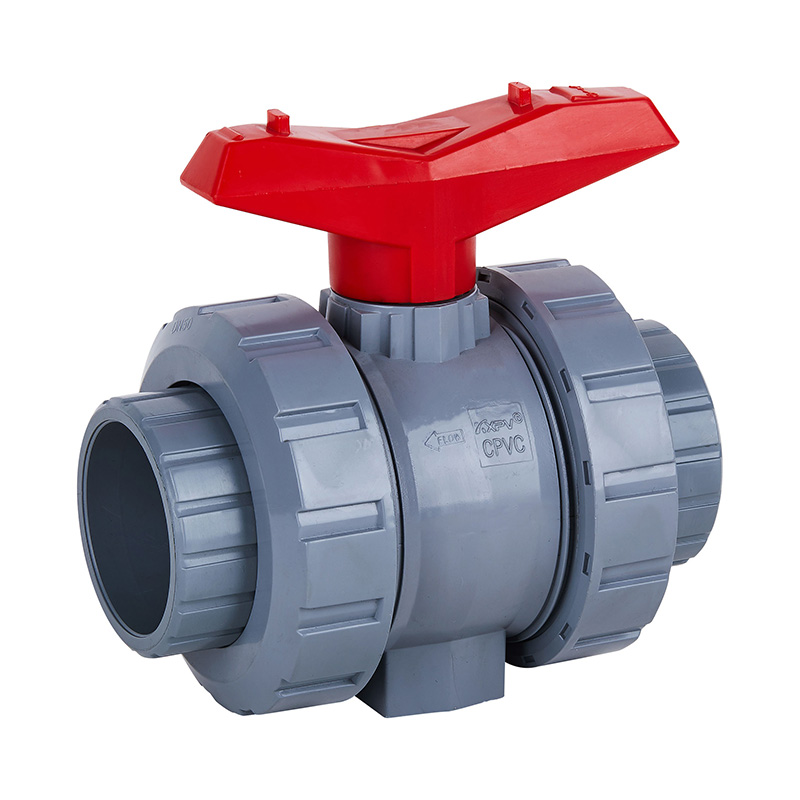
| PVC-C (CPVC) | 95 to 100 °C | About 0.65 | Hot corrosive liquids, chlorinated water |
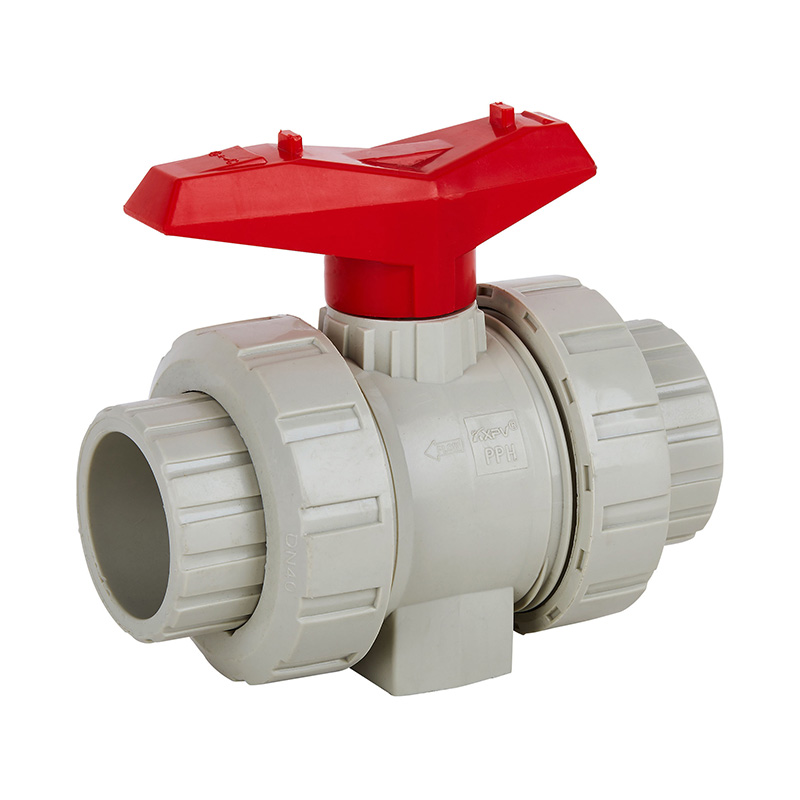
| PPH | 90 to 100 °C | About 0.60 | Acids, alkalis, drainage and high-purity media |
| FRPP | 90 to 100 °C | About 0.60 | Similar to PPH, with higher stiffness |
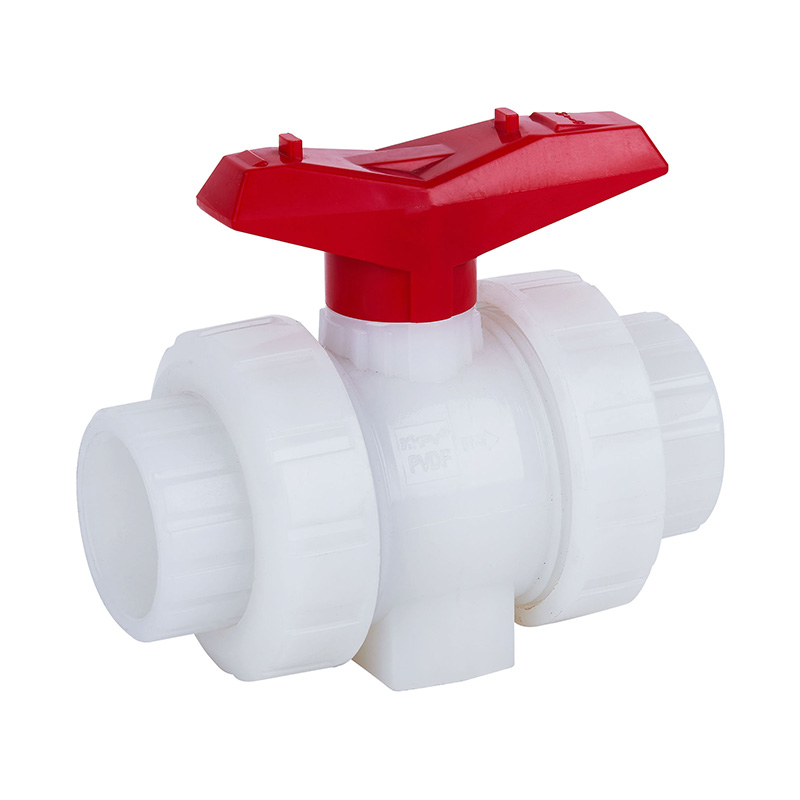
| PVDF | 140 to 150 °C | About 0.80 | Solvents, oxidizers and high-temperature duty |
A worked example makes the effect concrete. A CPVC line marked PN16 offers roughly 10.4 bar of reference pressure at 60 °C, calculated as 16 multiplied by 0.65. If your plant standard adds a further design factor for chemical service, apply it after derating rather than before, otherwise you double-count the margin already built into the published figure.
Common trapValve and fitting datasheets frequently quote the 23 °C figure alone. If the pipe is derated for 70 °C and the valve is not, the valve quietly becomes the design limit of the whole line.
Materials are not interchangeable across temperature bands. PVC-U is normally limited to cold and warm duties, while PVC-C, PPH and PVDF extend the usable range upward. For hot corrosive service, a CPVC pipe produced in GB sizes from DN15 to DN600 covers most plant requirements without custom tooling.
The Time Basis Behind the Number: HDB, ASTM D1598 and ISO 9080
A thermoplastic pipe does not fail at one fixed pressure. It fails when internal stress, temperature and time combine to start a slow crack. Test houses capture this by holding specimens under constant internal pressure until they rupture, which is the method described in ASTM D1598, then plotting the resulting scatter of failure points along a stress-rupture curve. ASTM D2837 and ISO 9080 define how that data is extrapolated into a long-term hydrostatic strength, frequently quoted as a 50-year value. The published pressure rating is a fraction of that long-term strength, commonly half of it.
A rating is a survivable stress at a reference temperature and a reference time. Change either one and the number changes with it, so the real question is never what the rating is, but what the rating is at your conditions.
Pressure in a working line also comes from the pump, not only from static head. A corrosion-resistant plastic centrifugal pump can add several bar of discharge pressure, and its shutoff head is the highest figure the downstream pipe will ever see when a valve closes. Sizing that pipe from the duty point alone leaves the line exposed on every blocked discharge, which is exactly when surge and pressure spikes arrive together.
Joints, Fittings and Valves Usually Set the Real Limit
Pipe rarely arrives as a single length. Solvent-cemented sockets, butt-welded and socket-fused joints, threaded adapters and bolted flanges all sit inside the pressure envelope, and each has its own efficiency. A properly welded joint in PPH or PVDF is normally as strong as the parent pipe, but a cold weld, an overheated bead or a poorly torqued flange becomes the weakest point in the run. The same logic applies to fittings: a reducing tee or a blind flange of the same nominal class may not share the wall thickness of the pipe it joins.
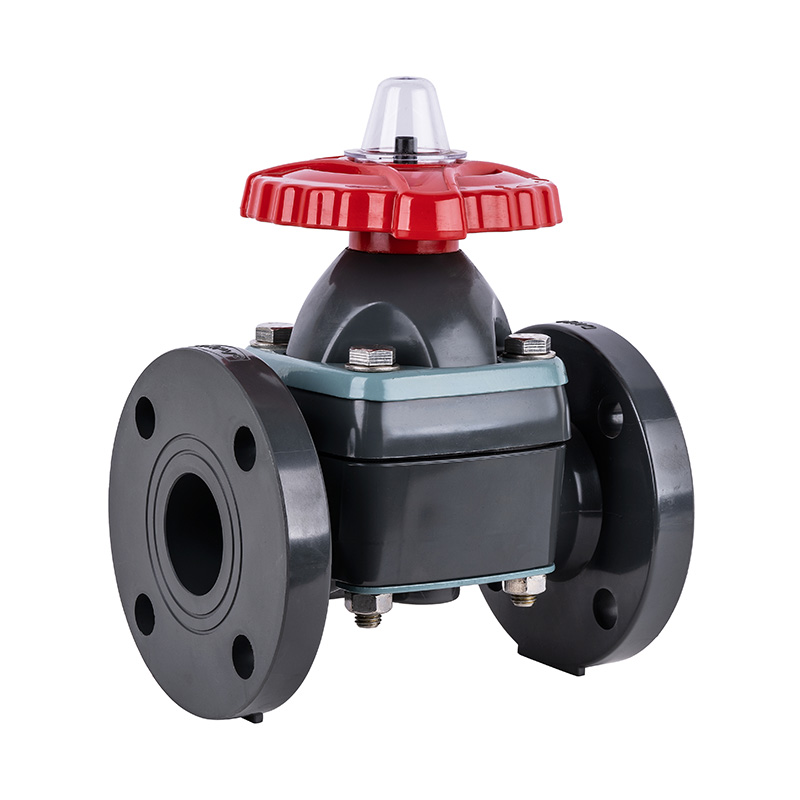
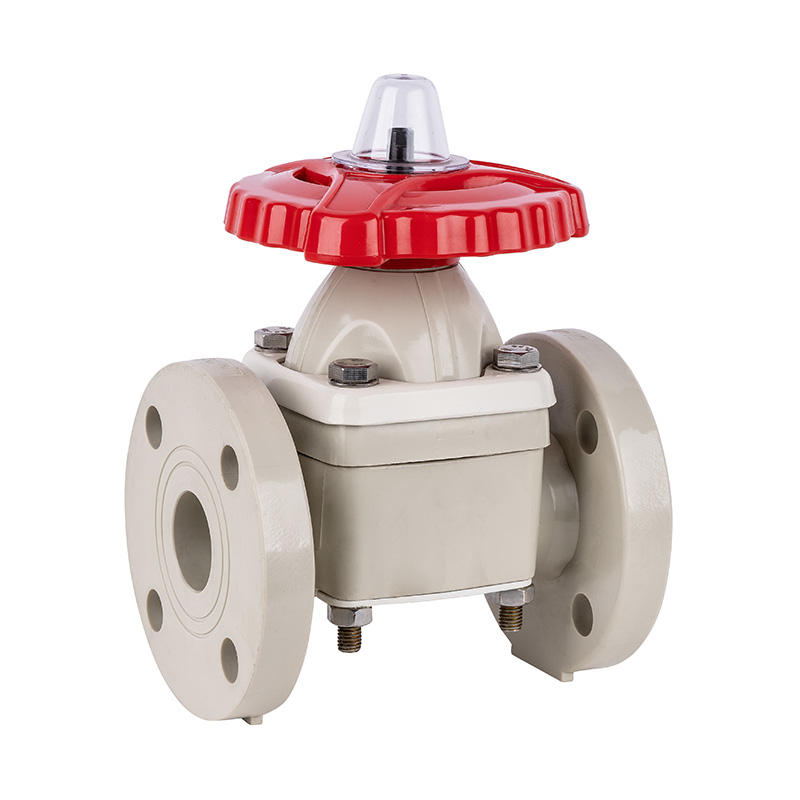
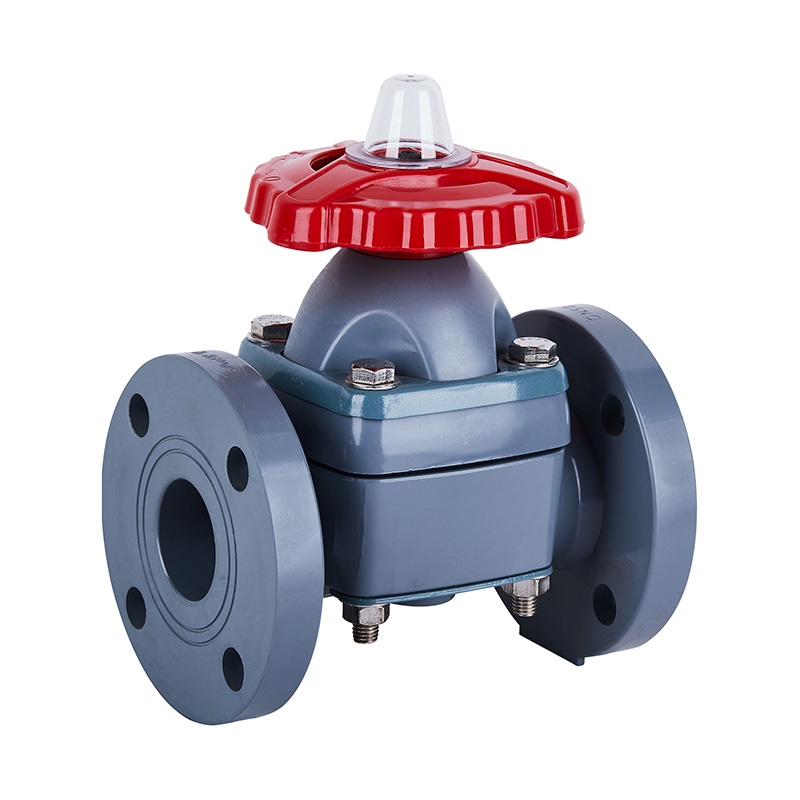
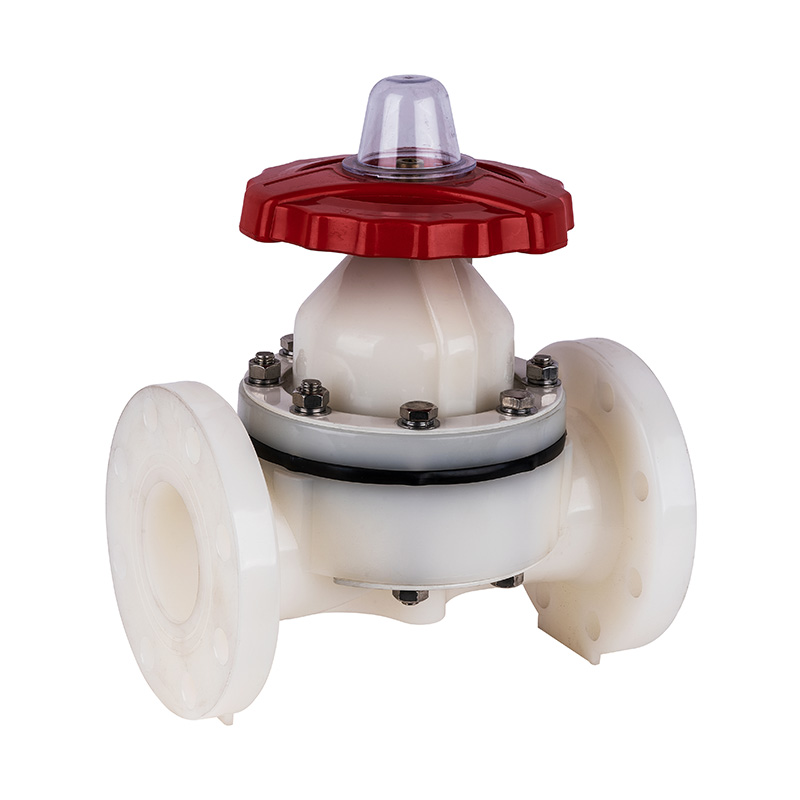
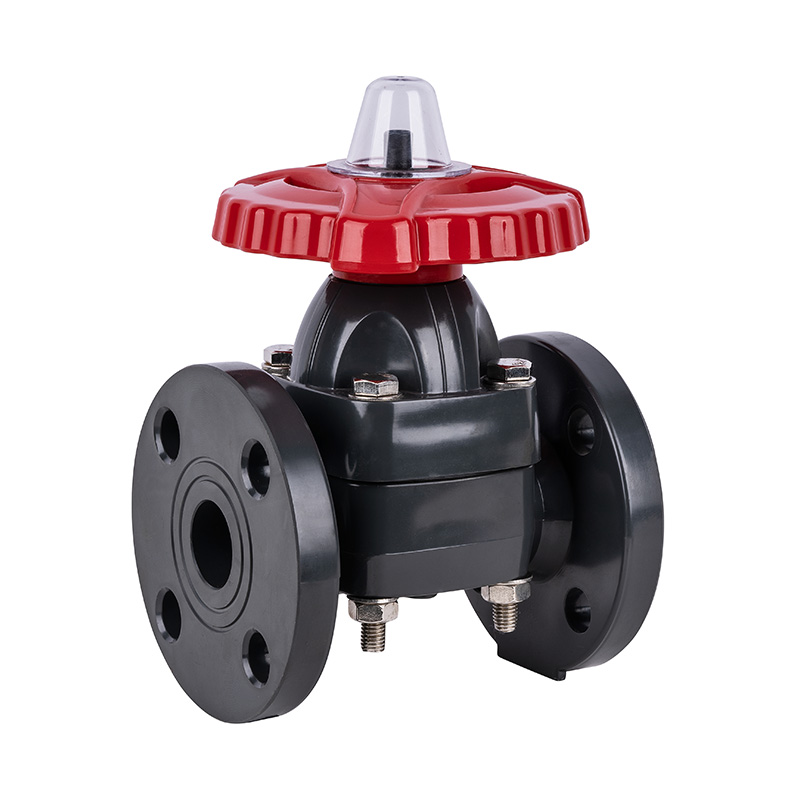
Valves deserve a separate check because two ratings live inside one body. The shell rating covers the housing, while the seat or diaphragm rating covers the closing element, and it is usually lower. Diaphragm valves are a common choice for slurries and contaminated media because the medium touches only the body lining and the diaphragm, which also makes the diaphragm the component that sets the practical pressure ceiling. Temperature and pressure interact here as well, and it is worth reviewing how operating temperature and pressure range affect chemical valve performance and service life before a model is fixed in the specification.
Flange drillings are the quiet failure point. A GB flange and an ANSI flange of the same nominal diameter are not automatically interchangeable, and a JIS pattern differs again. Mixing standard families in one line, or pairing plastic pipe fittings from one standard with valves from another, is a purchasing risk that only surfaces during installation. Holding one standard family across the entire run costs nothing at the design stage and saves a shutdown later.
A Practical Checklist Before You Approve a Line
Most rating failures are documentation failures rather than material failures. The following sequence takes an hour and prevents the majority of them.
- Record the maximum service temperature, including cleaning and steaming cycles, not just the normal operating value.
- Collect the pressure-temperature curve for every material in the line instead of a single catalogue figure.
- Derate the nominal rating at that temperature, then apply your plant design factor if you use one.
- Check each component separately: pipe, fitting, gasket, valve shell and valve seat.
- Confirm the joint method and the qualification of the welder or fitter behind it.
- Add a surge allowance for valve closure and pump shutoff, and compare it with the short-term strength of the material.
- Fix one standard family for dimensions and flange drillings across the whole purchase.
Rule of thumbIf a component's rating sits within 20 percent of your calculated working pressure at the maximum temperature, treat it as unverified until the manufacturer confirms it in writing.
Mistakes That Only Show Up After Commissioning
Three patterns repeat across chemical, plating and wastewater projects, and all three are avoidable at the desk rather than in the plant.
- Using the 23 °C rating for a hot line, then blaming the material when a joint starts weeping.
- Specifying the pipe carefully and leaving the valves, gaskets and fittings to the lowest bidder.
- Ignoring surge, so a line that passes a static pressure test fails later on a fast-closing valve.
Watch for thisA pressure test at ambient temperature proves the joints, not the design. A line can pass at 23 °C and still be over-stressed at its normal 70 °C operating point.
The pressure rating is a starting condition, not a fixed property of the plastic. Take the nominal figure, correct it for the temperature the line will genuinely see, check the joints and valves that share the same envelope, then leave room for surge. Worked in that order, material selection becomes predictable: PVC-U and CPVC for the moderate range, PPH and FRPP where chemical resistance and stiffness matter, PVDF where temperature and aggressive media rule out everything else. Worked in the other order, the failure tends to appear at a flange, a diaphragm or a weld rather than in the pipe itself, and it appears long after the invoice has been paid.
 Headquarters: No. 539 Bohai Road, Beilun District, Ningbo City, Zhejiang Province, P.R. China
 +86-18067123177