

 EN
EN English
 Español
 عربى
عربى русский
 中文简体
中文简体
Kaixin, a high-tech enterprise specialized in the R&D, production and sales of polymer pipeline valves.
Installation & Technique
Only Some Solvent Cements Work for Both PVC and UPVC
The bond between two pipes is a chemical reaction, not a physical fit — and that reaction behaves differently depending on what the plastic is made of.
PVC and UPVC fittings cannot always be joined with the same solvent cement — it depends entirely on the cement's formulation. Standard PVC cement is designed to soften and fuse the surface of flexible, plasticized PVC, while uPVC requires a stronger-bodied solvent that can penetrate its harder, unplasticized surface and still achieve a full molecular weld. Using an all-purpose cement rated for both materials is the only reliable way to join them without weakening the joint.
Many manufacturers now sell "universal" or "dual-rated" solvent cements that list both PVC and uPVC on the label, and these are formulated with a heavier resin content specifically so they can bridge the gap between a flexible substrate and a rigid one. If a cement container only mentions PVC, or only mentions uPVC, it should not be assumed to work equally well on the other material, even if the two pipes appear to fit together physically.
The joint can look bonded on the outside while remaining weak or porous internally — a common cause of slow leaks that appear months after installation rather than immediately.
How Solvent Cement Actually Bonds Two Pipes
Solvent cement does not work like glue. Instead, it chemically softens the surface layers of both the pipe and the fitting, allowing the two plastic surfaces to fuse into a single continuous piece once the solvent evaporates. This is why a properly made joint is often stronger than the pipe itself.
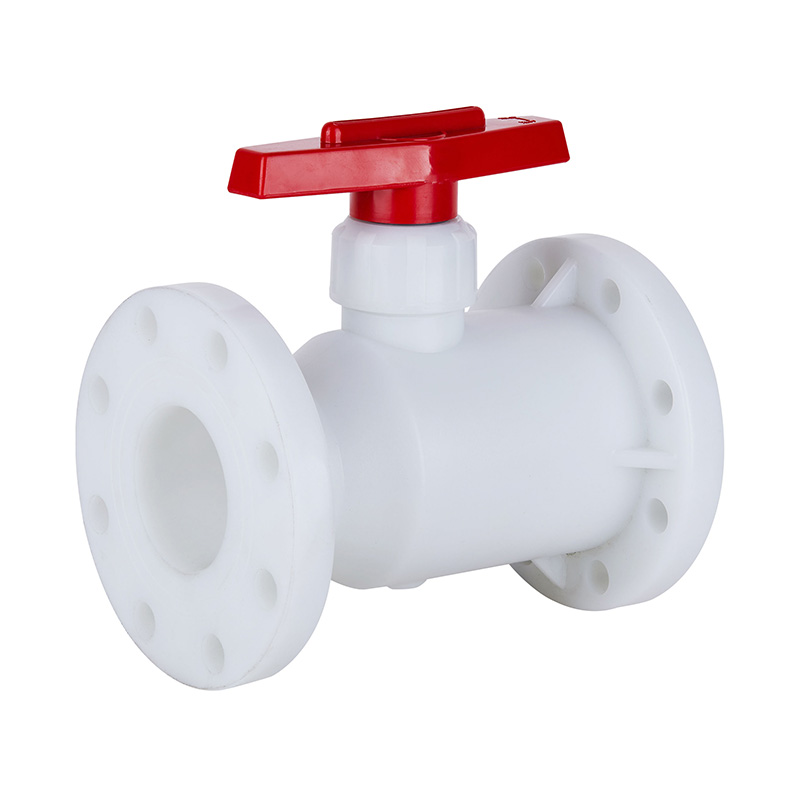
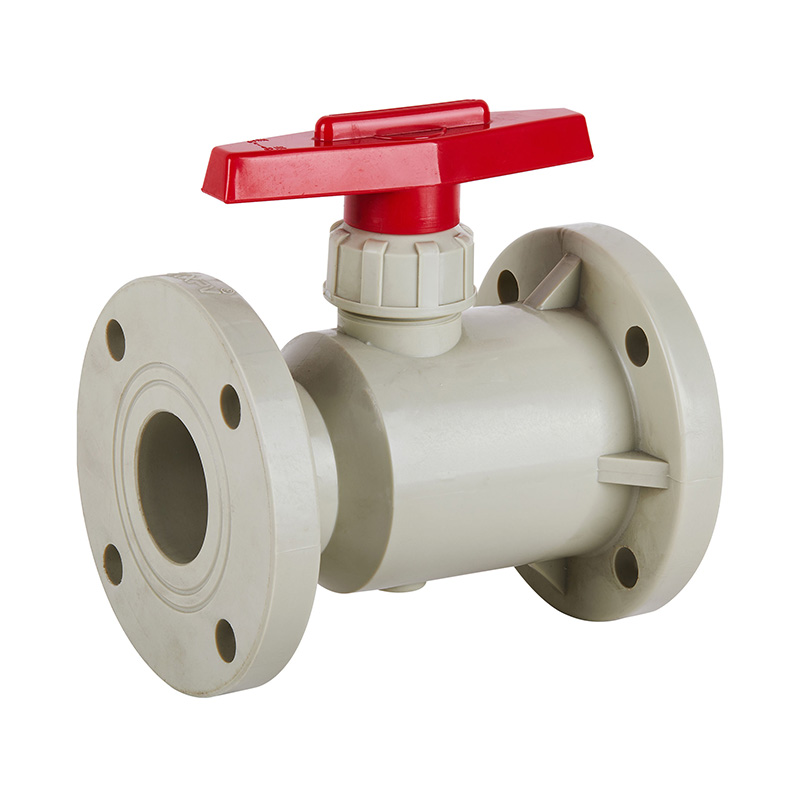
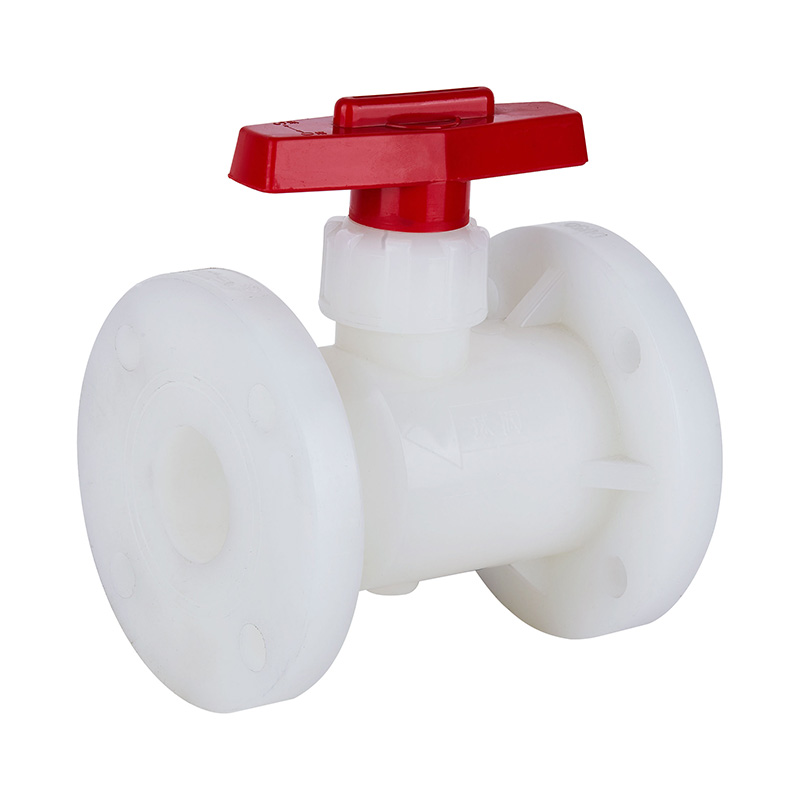
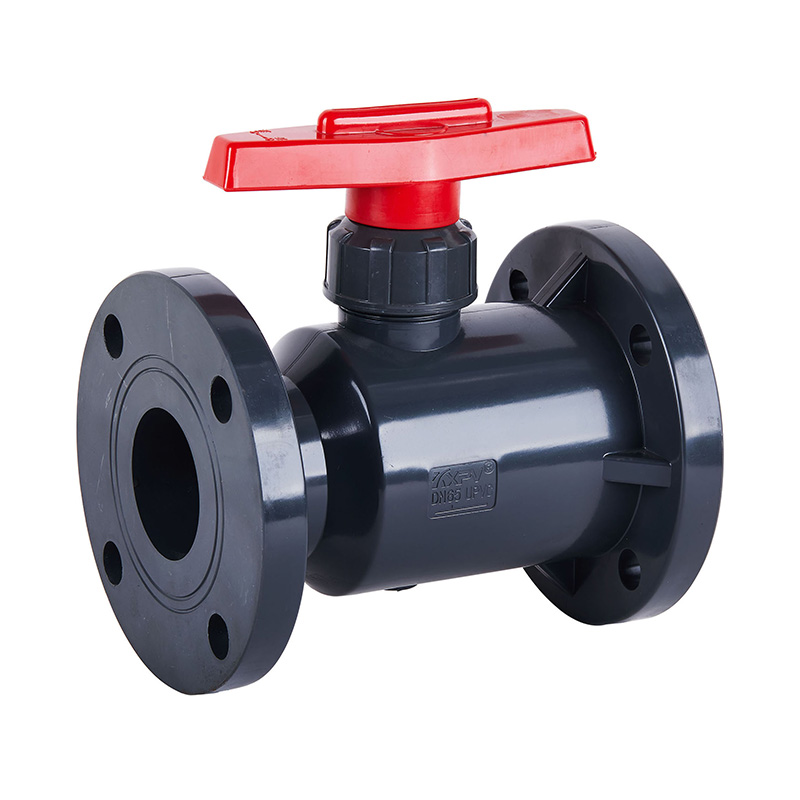
UPVC fittings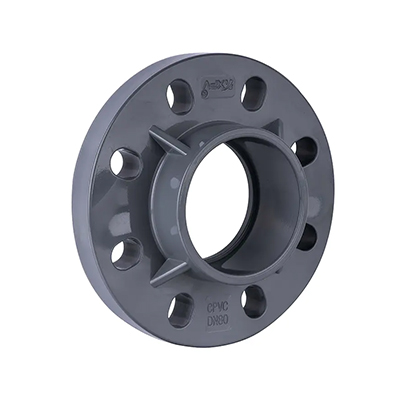
Why the Additive Content Changes the Chemistry
Standard PVC contains plasticizers that make the material more pliable. These additives change how quickly the surface absorbs solvent and how deep the softening penetrates. uPVC, with no plasticizers, is denser and more resistant to softening, so it needs a cement with a higher solid content and stronger solvency to achieve the same depth of fusion in the same working time.
What Happens With a Mismatched Cement
If a cement formulated only for flexible PVC is used on a uPVC fitting, it may not soften the rigid surface enough to achieve a true weld — a mismatch that quietly undermines the joint long before any visible sign of failure appears.
Identifying a Cement Rated for Both Materials
Not every can of solvent cement on a hardware store shelf is interchangeable, so checking the label before starting a project saves time and prevents rework later.
- Look for cement explicitly labeled for use on both rigid and flexible PVC formulations, sometimes marketed as an "all-purpose" or "universal" solvent.
- Check the listed application temperature range, since uPVC joints often require slightly longer set times in cold weather.
- Confirm the cement is rated for the pressure class of the system, particularly for potable water lines using a 40mm upvc pipe or larger diameters where joint strength matters more.
- Avoid cements designed exclusively for conduit or electrical PVC, as these are typically formulated for low-stress, non-pressurized applications only.
When in doubt, manufacturers' technical data sheets list exactly which pipe classes and materials a given cement has been tested against, and this is a more reliable source than the general marketing text on the front of the can.
Comparing Cement Types Side by Side
The table below outlines how common solvent cement categories differ in composition and suitability for mixed-material joints.
| Cement Type | Best Suited For | Works on uPVC? |
|---|---|---|
| Standard PVC cement | Flexible drainage and conduit PVC | Not reliably |
| Heavy-bodied uPVC cement | Rigid pressure pipe systems | Yes |
| Universal/dual-rated cement | Mixed PVC and uPVC joints | Yes |
| Low-VOC/fast-set cement | Small-diameter repairs | Varies by product |
Step-by-Step: Joining PVC and uPVC Correctly
A correctly executed joint depends as much on preparation and technique as it does on the cement itself.
Preparing the Surfaces
Both surfaces should be cut square, deburred, and wiped clean of dust or moisture. A light abrasion with fine sandpaper on the uPVC surface can help the solvent penetrate more evenly, since its harder finish absorbs solvent more slowly than standard PVC.
Applying Primer Where Required
Many installers skip primer on standard PVC but find it essential on uPVC, since it opens the surface before cement is applied. Using primer on both halves of a mixed joint improves the depth of fusion and reduces the risk of a weak bond.
Applying Cement and Assembling the Joint
Cement should be applied to both the pipe and the fitting, then the two pieces pushed together with a quarter turn to spread the solvent evenly. On a 40mm upvc pipe, this working window is typically shorter than on larger diameters, so installers should have all pieces cut and dry-fitted before applying any cement.
Where a Reducer Fitting Changes the Equation
Diameter transitions add another layer of complexity to mixed-material joints. An upvc pipe reducer is often the connecting point where a larger-diameter uPVC supply line steps down to a smaller branch, and this is also a common place where a standard PVC fitting gets substituted simply because it is the size on hand.
Because a reducer already concentrates stress at the transition point — the smaller opening restricts flow and increases local pressure — pairing it with the wrong cement compounds the risk. A joint that would tolerate a minor bonding weakness on a straight run can fail faster at a reducer, where turbulence and pressure differential are already higher.
Warning
When installing an upvc pipe reducer between two different pipe classes, confirm the cement is rated for both the parent pipe and the branch line, and that the reducer's pressure rating meets or exceeds the system's maximum operating pressure.
Common Mistakes That Weaken Mixed-Material Joints
Several recurring errors show up in failed joints between PVC and uPVC components.
- Using leftover cement from a previous drainage project without checking whether it is rated for pressure pipe.
- Applying too thin a layer of cement on the rigid uPVC surface, leaving insufficient solvent to soften it fully.
- Rushing the assembly and skipping the quarter-turn twist that spreads cement evenly around the joint.
- Pressurizing the system before the manufacturer's recommended cure time has fully elapsed, which is often longer for uPVC than for standard PVC.
Danger
Any one of these mistakes can turn what should be a permanent bond into a slow point of failure, sometimes not discovered until a pressure test or a wall is opened up during a later renovation.
When to Choose a Mechanical Joint Instead
Solvent welding is not the only option for connecting PVC and uPVC components. In some cases a mechanical joint is the more practical and safer choice.
Threaded and Flanged Transitions
Where the two materials differ significantly in wall thickness or schedule, a threaded adapter or flanged coupling avoids the solvent-compatibility question altogether. These connections can also be inspected, tightened, or replaced without cutting into the pipe.
Rubber Gasket Couplings
Push-fit couplings with rubber gaskets are commonly used where solvent welding is impractical, such as retrofitting an existing line. These rely on compression rather than chemical fusion, so material rigidity differences matter less.
Best Practice
Mechanical joints typically cost more per connection than a solvent weld, but for critical transitions — particularly where a 40mm upvc pipe feeds into an older or unknown-grade PVC line — the added reliability and inspectability often justify the expense.
Testing and Verifying a Mixed-Material Joint
Once a joint between PVC and uPVC has cured, verifying it before covering the pipe or restoring water pressure is a worthwhile precaution.
A visual inspection should confirm a continuous bead of squeezed-out cement around the joint, which indicates full contact and even solvent distribution. Missing or inconsistent beading at any point around the fitting is a sign the joint may not be fully fused there.
Info
For pressurized systems, a static pressure test held for at least fifteen minutes above normal operating pressure is standard practice before the line is buried or enclosed. Any drop in gauge pressure during this window signals a joint that needs to be cut out and remade rather than patched.
Final Recommendation
Only use a solvent cement explicitly rated for both PVC and uPVC when joining the two materials, and treat any product labeled for just one as unsuitable for a mixed joint. Whether the connection involves a straight coupling, a diameter transition through an upvc pipe reducer, or a full run of 40mm upvc pipe, matching the cement to both materials — and following correct surface preparation and cure times — is what separates a joint that lasts decades from one that fails within a year.
Where the stakes are high, such as buried or hard-to-access lines, a mechanical transition fitting removes the guesswork entirely and gives a connection that can be checked and serviced later. For accessible runs where solvent welding is preferred, spending a little more on a universal cement and following the manufacturer's instructions closely is a small cost against the risk of a hidden leak.
Taking the extra step to confirm cement compatibility before assembly is far less costly than reopening a wall or excavation to fix a joint that never fully bonded. Planning this at the start of a project, rather than reacting to a failed connection later, is the difference between a plumbing system that performs reliably for years and one that generates repeat callbacks.
 Headquarters: No. 539 Bohai Road, Beilun District, Ningbo City, Zhejiang Province, P.R. China
 +86-18067123177