

 EN
EN English
 Español
 عربى
عربى русский
 中文简体
中文简体
Kaixin, a high-tech enterprise specialized in the R&D, production and sales of polymer pipeline valves.
Materials & Engineering
No, PVC and UPVC Fittings Are Not Fully Interchangeable
A close look at why two materials that share a chemical family still fail differently under pressure, heat, and time — and what that means for the fittings you choose.
In most plumbing systems, PVC and uPVC fittings should not be treated as interchangeable components, even though they look similar and are often confused by homeowners and even some contractors. While both materials share a polyvinyl chloride base, the manufacturing process, flexibility, chemical additives, and intended applications differ enough that swapping one for the other can lead to leaks, premature cracking, or code violations.
uPVC (unplasticized polyvinyl chloride) is a rigid, additive-free version of the material, designed for pressurized water supply lines and structural piping. Standard PVC, by contrast, often contains plasticizers and stabilizers that make it more flexible, which is why it is frequently used for drainage, electrical conduit, or low-pressure applications. This single distinction — the presence or absence of plasticizers — is the root cause of nearly every compatibility issue between the two materials.
The short version: you can sometimes connect the two using the correct transition fittings and adhesives, but you should never assume a PVC fitting will perform the same way as a uPVC fitting under pressure, heat, or long-term chemical exposure.
Understanding the Core Material Difference
Both PVC and uPVC start from the same polymer resin, but they diverge during manufacturing. Standard PVC is typically blended with plasticizers, which soften the material and increase flexibility. uPVC skips this step entirely, resulting in a harder, more rigid product with a higher tensile strength — often rated between 45 and 52 MPa compared to standard PVC's lower flexibility range.
Why Rigidity Matters for Fittings
Fittings — elbows, tees, couplings, and reducers — are the stress points of any piping system. A rigid uPVC fitting resists deformation under water pressure and temperature swings far better than a flexible PVC fitting. This is why uPVC is the default choice for pressurized potable water systems, while PVC remains common in gravity-fed drainage and non-pressurized applications.
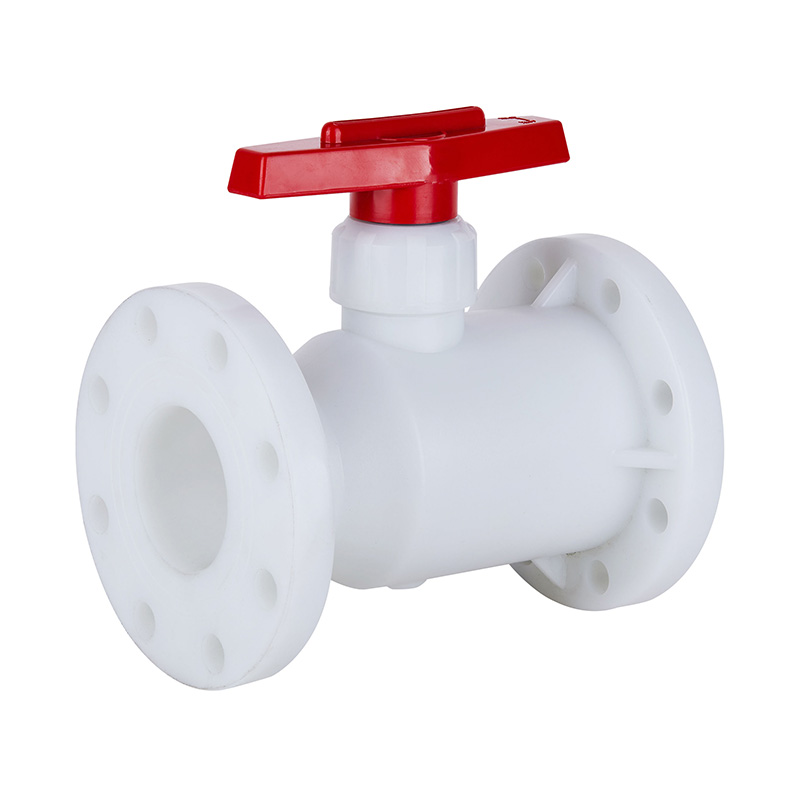
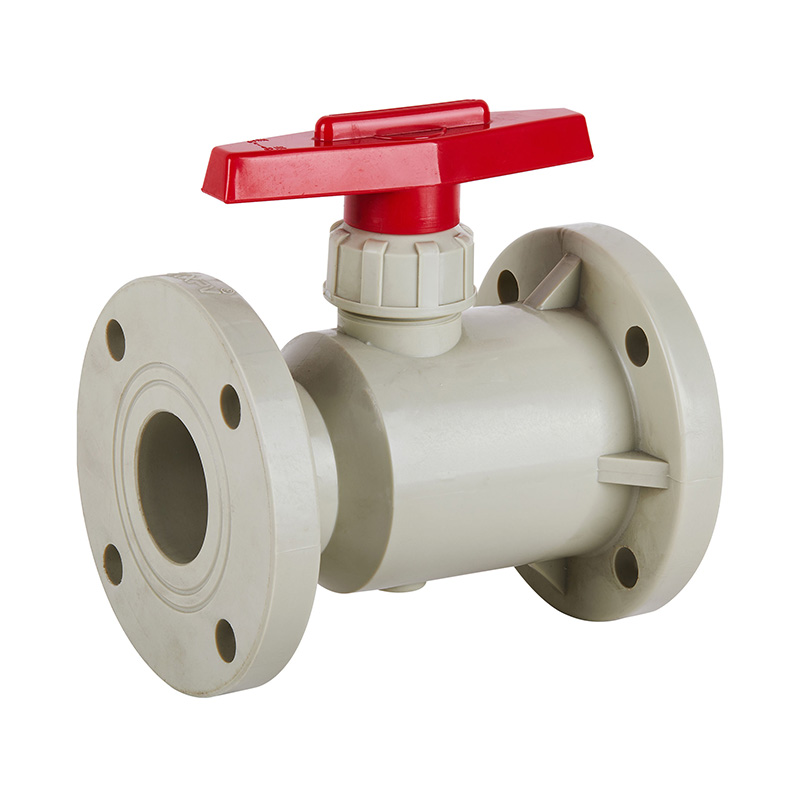
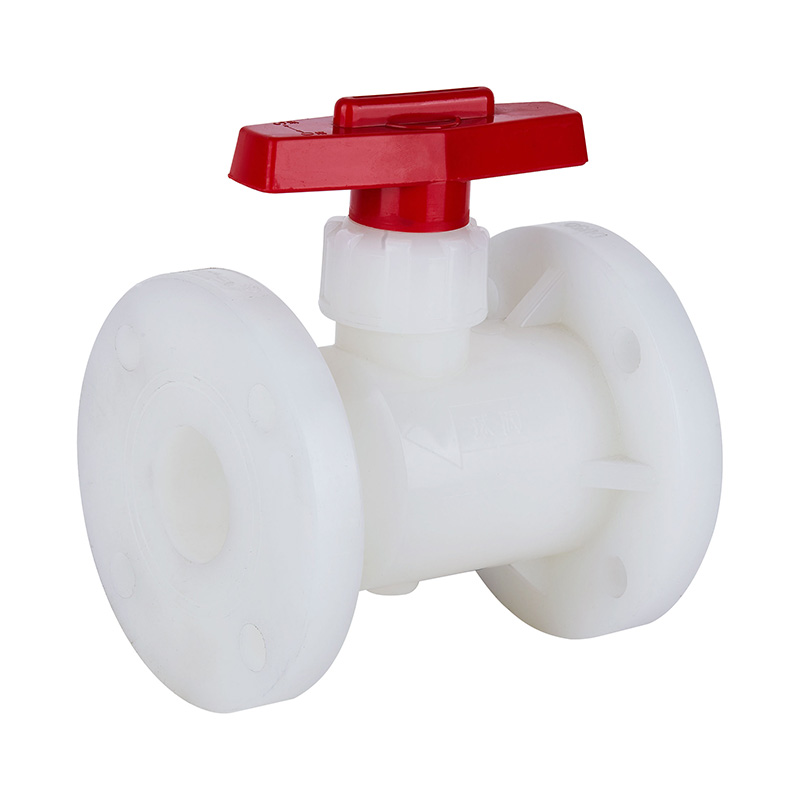
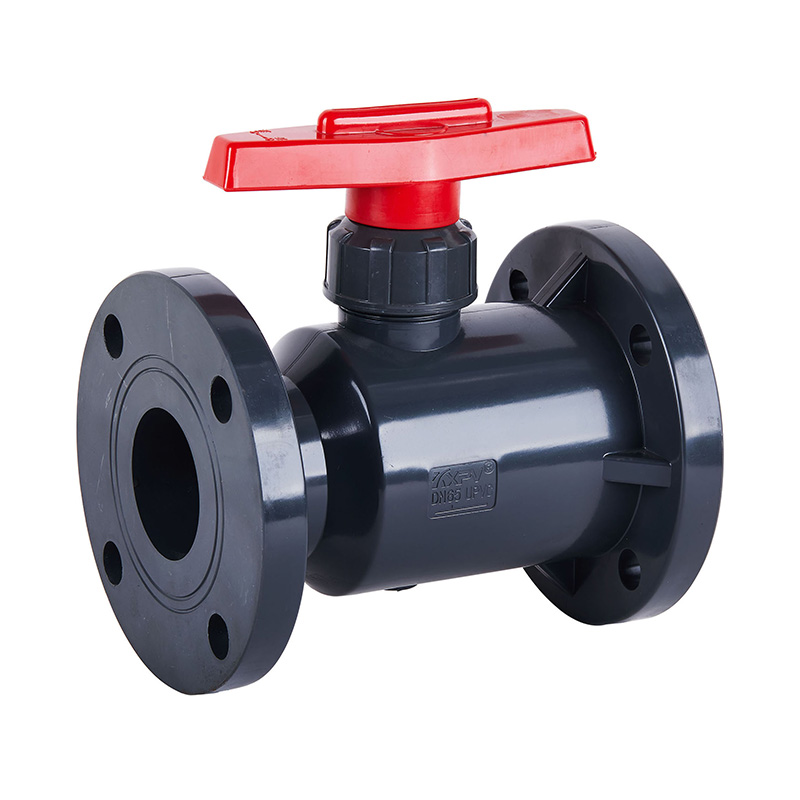
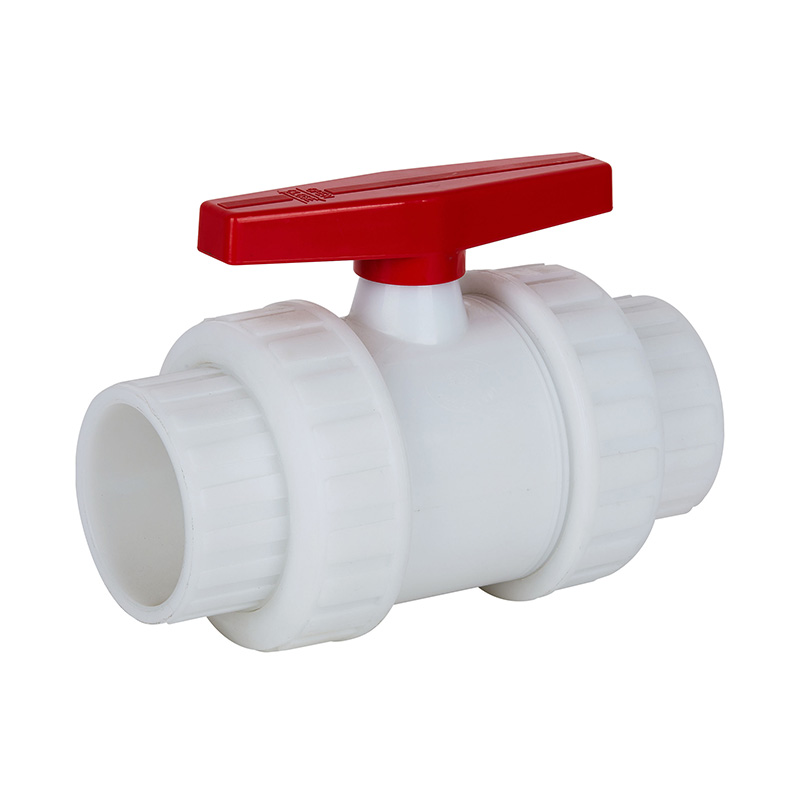
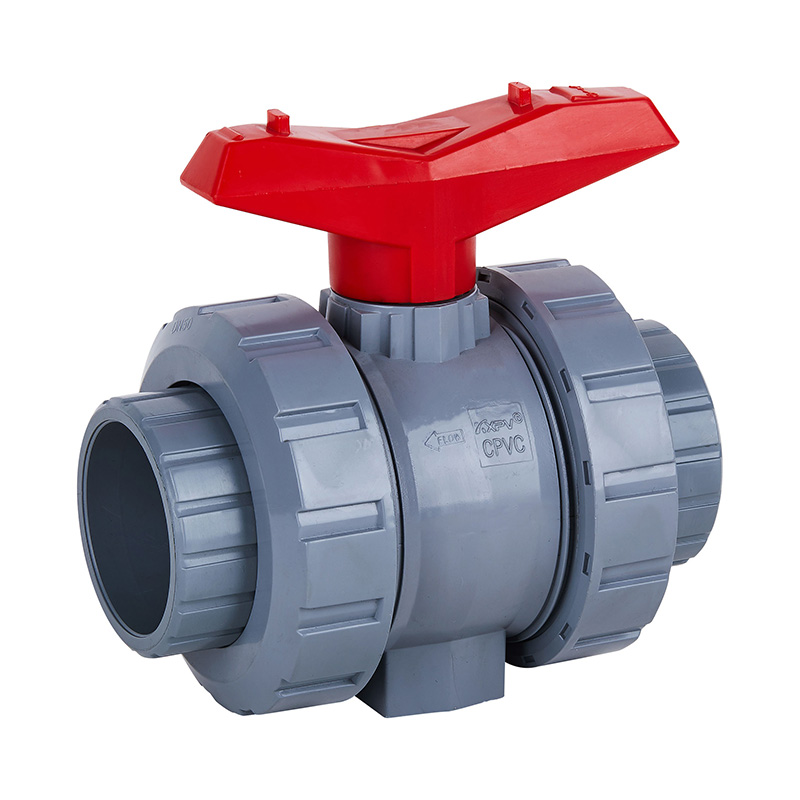
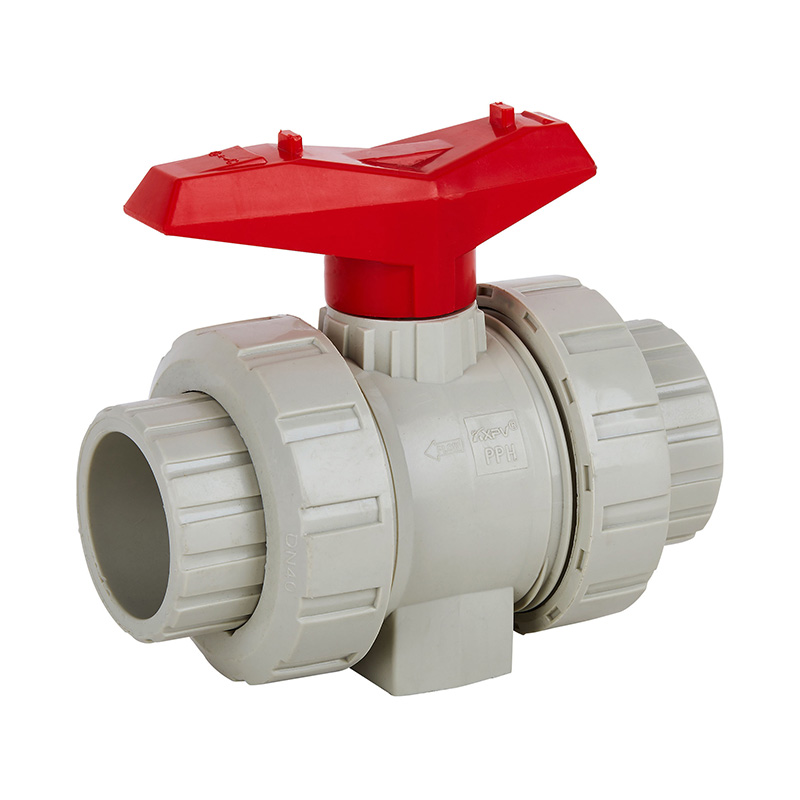
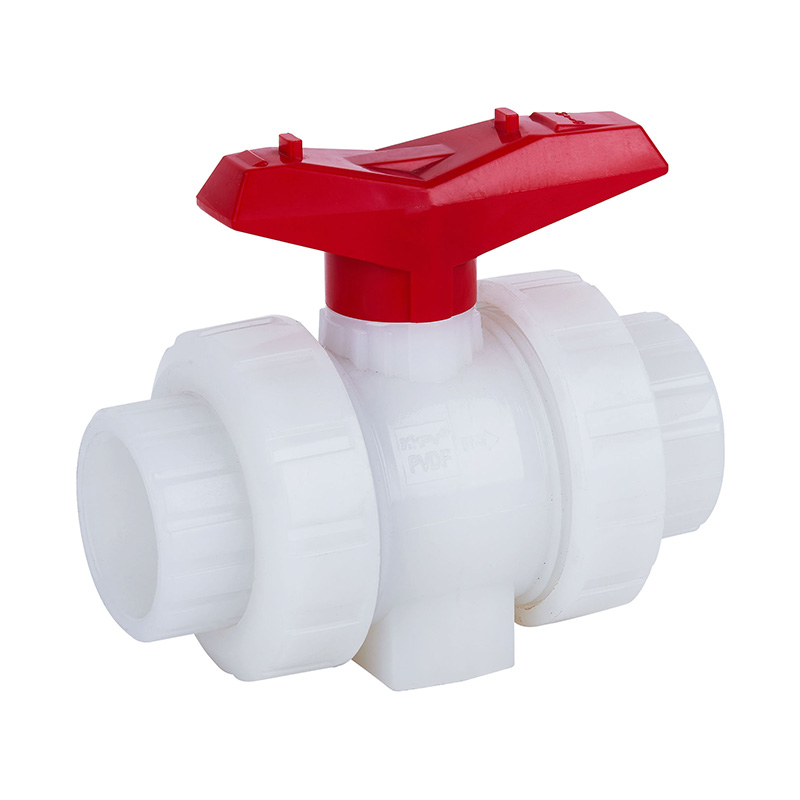
UPVC fittings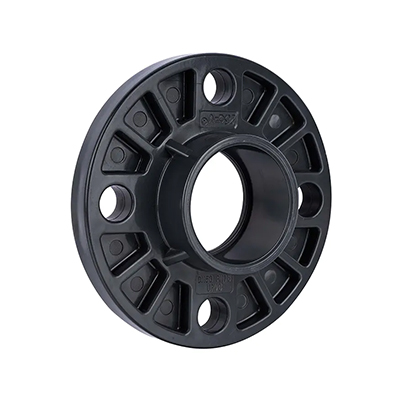
Chemical Composition and Safety
Because uPVC contains no plasticizers, it is generally considered the safer choice for drinking water lines, as it reduces the risk of chemical leaching over time. PVC formulated for drainage is not typically certified for potable water use, which is one more reason the two are not simply interchangeable at the fitting level.
Why Interchangeability Fails in Real Plumbing Systems
On paper, a PVC fitting and a uPVC fitting of the same nominal diameter might appear to fit together. In practice, several factors prevent reliable long-term interchangeability.
- Wall thickness and schedule ratings often differ between the two product lines, even at the same nominal size, which affects how solvent cement bonds and how much pressure the joint can hold.
- Thermal expansion rates are not identical, so a mixed joint can develop stress cracks over repeated heating and cooling cycles.
- Pressure ratings on uPVC fittings are usually higher, so pairing them with a lower-rated PVC fitting creates a weak point that fails first under system pressure.
- Certification and code compliance for potable water often specifies uPVC only, meaning a mixed system could fail inspection even if it holds water without leaking.
Any one of these factors on its own might not cause an immediate failure, but combined, they explain why plumbing professionals generally recommend staying within a single material system whenever possible.
Comparing Key Performance Properties
The table below summarizes the practical differences that matter most when deciding whether fittings from each material family can coexist in the same system.
| Property | PVC Fittings | uPVC Fittings |
|---|---|---|
| Flexibility | Moderate to high | Low, rigid structure |
| Typical Use | Drainage, conduit, low-pressure lines | Pressurized water supply, potable water |
| UV Resistance | Lower without added stabilizers | Higher, suited to outdoor exposure |
| Pressure Rating | Generally lower | Generally higher, up to 25 bar in some classes |
| Cold Weather Behavior | More flexible, less brittle | Can become brittle in extreme cold |
Situations Where Mixing Causes Problems
Pressurized Water Supply Lines
A uPVC pipe run fitted with a lower-rated PVC elbow can become the weakest link in the system. Under normal household pressure this may go unnoticed for months, but pressure spikes — from a water hammer event, for example — can crack the softer fitting first.
Warning
Standard PVC fittings without UV stabilizers can degrade faster in direct sunlight, becoming chalky and brittle within a few years. Paired with UV-resistant uPVC pipe, the fitting becomes the failure point long before the pipe itself shows any wear.
Solvent Cement Compatibility
Not every solvent cement is formulated for both materials. Using the wrong adhesive can result in a joint that looks bonded but never fully welds at the molecular level, leaving a slow leak that is difficult to diagnose.
Connecting PVC and uPVC: What Actually Works
There are situations where a transition between the two materials is unavoidable, such as connecting an older drainage line to a newer pressurized supply run. In these cases, the following approaches reduce risk:
- Use a rated transition coupling specifically designed to bridge different wall thicknesses and pressure classes.
- Choose a solvent cement labeled for both PVC and uPVC compatibility, and follow the manufacturer's cure time exactly.
- Avoid mixing the two materials anywhere pressure exceeds the lower-rated component's limit.
- Where possible, use a mechanical (threaded or flanged) transition rather than a solvent-welded one, since it can be inspected and re-tightened later.
Best Practice
A system built entirely from one material family, matched in schedule and pressure rating, will always outperform a mixed installation over its service life.
Cost Considerations: uPVC Pipe Price vs Standard PVC
Budget is often the deciding factor when a contractor considers substituting one material for the other. The upvc pipe price is generally higher than equivalent standard PVC because the manufacturing process requires more refined resin and tighter quality control to achieve the rigidity and pressure tolerance uPVC is known for. Buyers comparing the price of upvc pipe against standard PVC should factor in more than the sticker price at the counter.
While the upfront upvc pipe price may run somewhat higher per meter, the total cost of ownership often favors uPVC in pressurized or outdoor applications because of its longer service life and lower failure rate. A drainage system with occasional low pressure may never justify the price of upvc pipe over standard PVC, but a potable water supply line almost always does, given the reduced risk of leaks, replacements, and water damage down the line.
Info
In many markets, the price gap between PVC and uPVC sits somewhere between 10 and 30 percent, though this varies with raw material costs and order size. Request quotes at the specific schedule and diameter needed for an accurate comparison.
It also helps to compare pricing at the system level rather than fitting by fitting. A handful of uPVC elbows and couplings add only a small amount to an overall project budget compared to the pipe runs themselves, so paying a premium for correctly rated fittings rarely moves the total cost by much, even while it meaningfully reduces the chance of a future leak or code violation.
Best Practices for Choosing the Right Fitting System
Rather than asking whether PVC and uPVC fittings can be swapped, a more useful question is which material the entire system should be built around from the start. The following guidelines help make that decision.
Match the Application First
Pressurized potable water lines call for uPVC fittings rated for the system's maximum operating pressure. Gravity drainage, venting, and non-potable low-pressure lines are typically well served by standard PVC.
Check Local Plumbing Codes
Many jurisdictions specify which material is approved for potable water, irrigation, or drainage use. Confirming this before purchasing avoids costly rework after inspection.
Danger
Installing a mixed PVC/uPVC system without checking local code requirements can result in failed inspections, forced rework, or invalidated insurance coverage after a leak.
Buy From a Single Product Line Where Possible
Sourcing pipes and fittings from the same manufacturer and product series reduces the risk of dimensional mismatches, since schedule and outer diameter tolerances can vary slightly between suppliers even within the same nominal material class.
Final Recommendation
PVC and uPVC fittings share a family resemblance but are engineered for different demands. Treat them as related but distinct product lines rather than direct substitutes. For pressurized, potable, or outdoor-exposed systems, uPVC fittings are the safer and more durable choice, even at a higher price of upvc pipe. For low-pressure drainage or non-potable applications, standard PVC remains a practical and economical option.
When a transition between the two is unavoidable, use a properly rated coupling and compatible solvent cement rather than assuming the fittings will simply thread or weld together as if they were identical. This single precaution prevents the majority of leaks and premature failures reported in mixed-material plumbing systems.
Ultimately, the small amount of extra planning it takes to confirm material compatibility before installation is far cheaper than the cost of tearing out a wall or a section of buried pipe after a joint fails. Homeowners and contractors alike benefit from treating this as a design decision made at the start of a project, not a detail to be resolved on the fly at the hardware counter.
 Headquarters: No. 539 Bohai Road, Beilun District, Ningbo City, Zhejiang Province, P.R. China
 +86-18067123177