

 EN
EN English
 Español
 عربى
عربى русский
 中文简体
中文简体
Kaixin, a high-tech enterprise specialized in the R&D, production and sales of polymer pipeline valves.
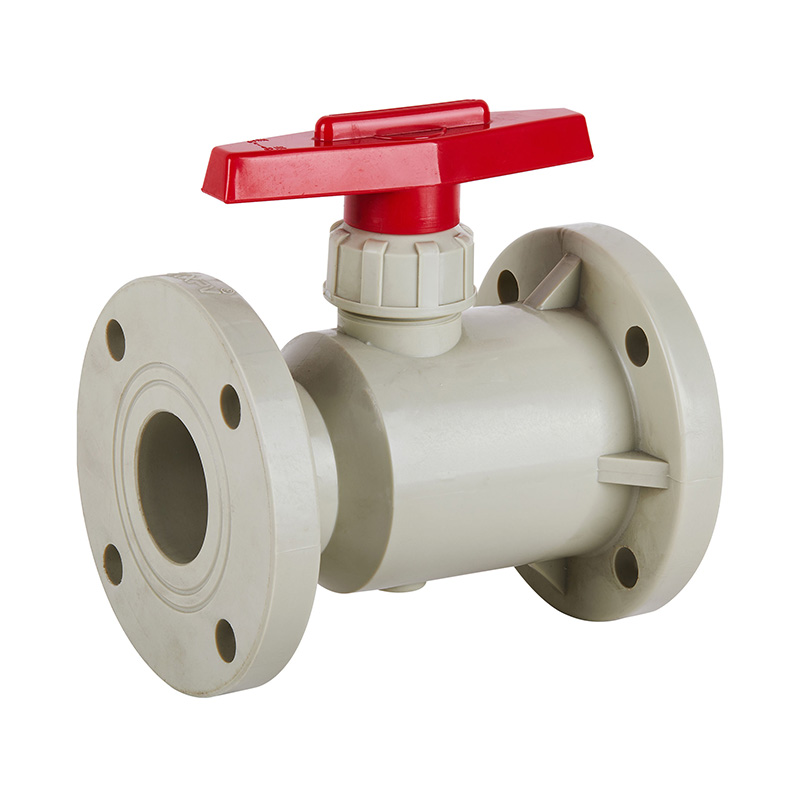
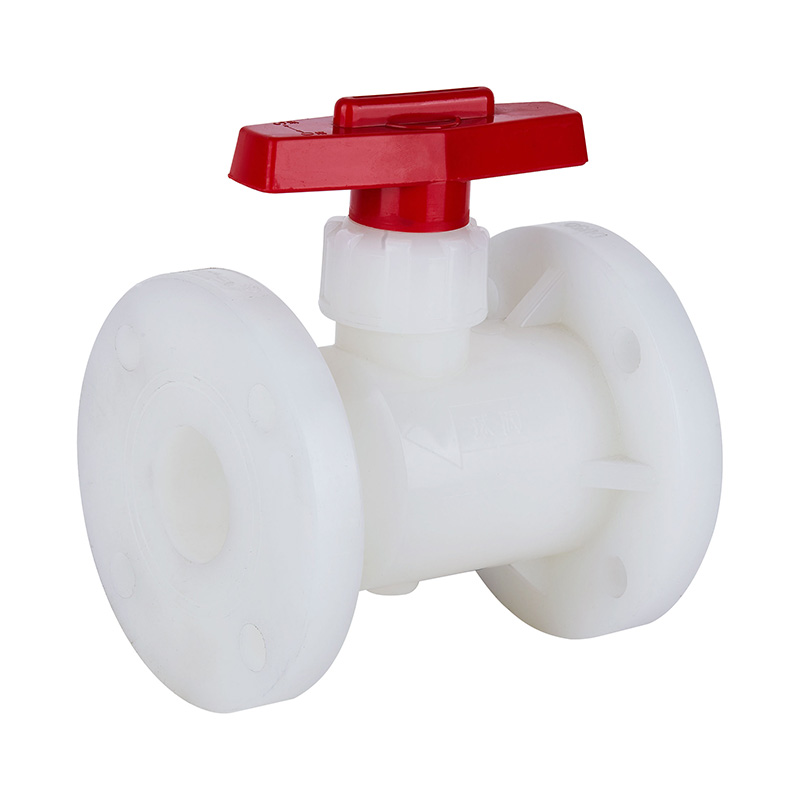
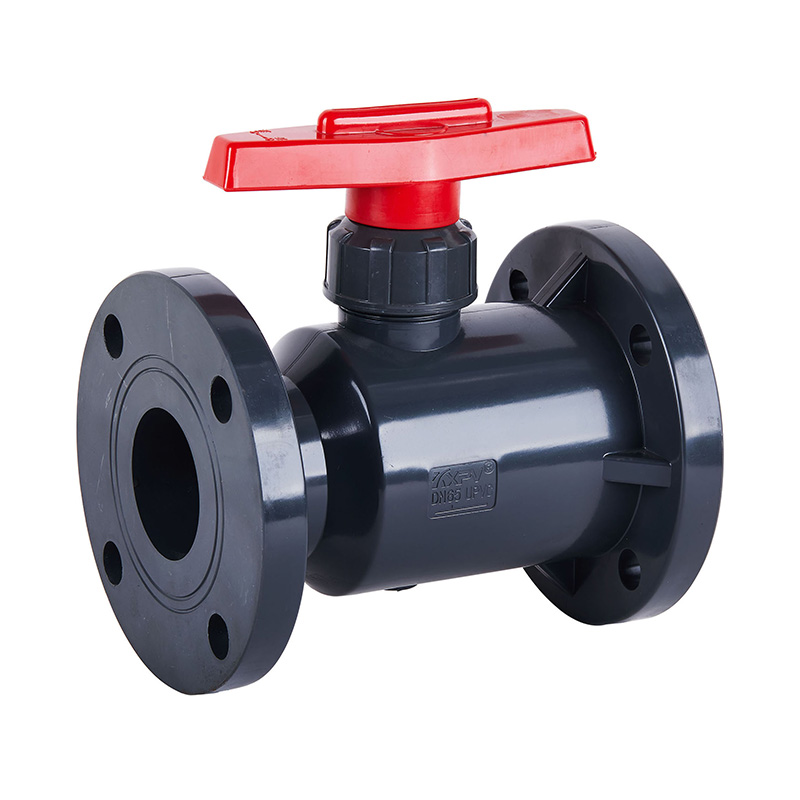
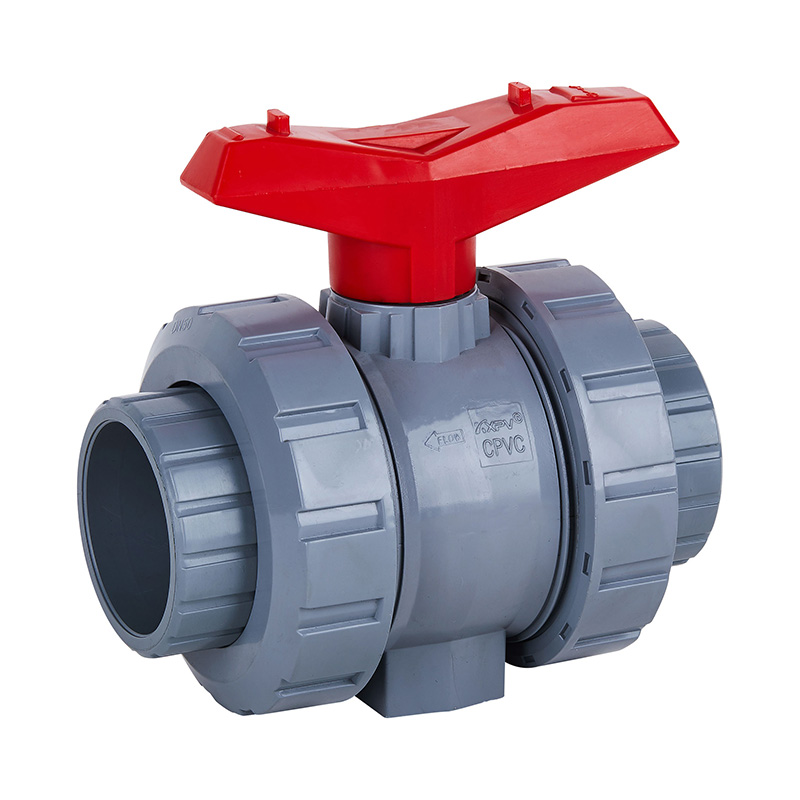
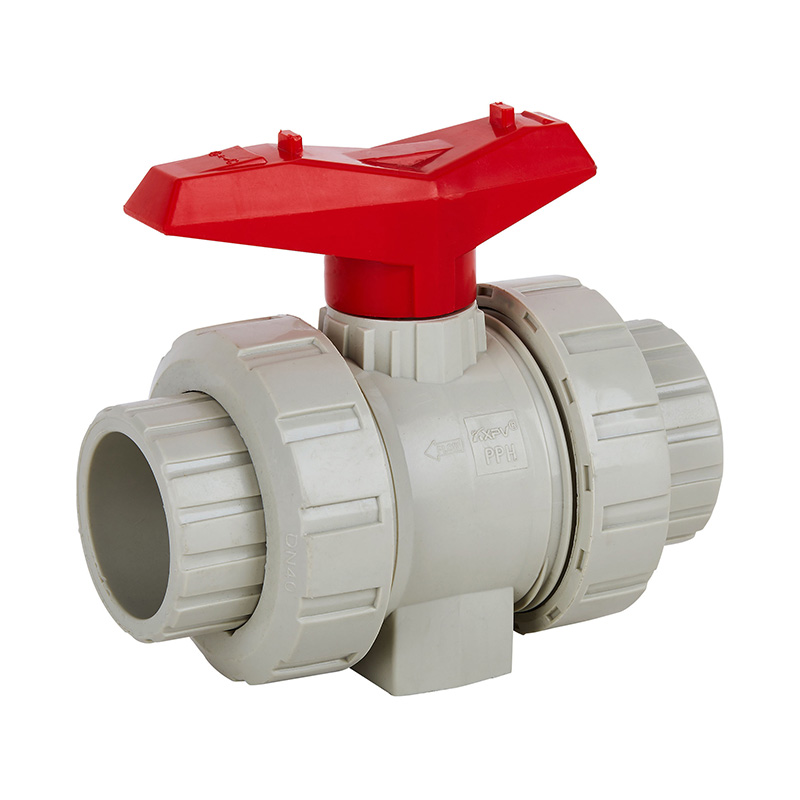
The maintenance requirements of a plastic pipe valve differ significantly between CPVC and PP materials. In general, a plastic pipe valve (CPVC check type) requires more attention to temperature stability and chemical exposure monitoring, while a PP-based valve focuses more on mechanical wear and deformation control. The CPVC material offers higher thermal resistance, making it suitable for hotter fluid systems, but it demands stricter inspection intervals under sustained high-temperature conditions. By contrast, a PP check valve is easier to maintain in low-temperature and neutral chemical environments, but it may require more frequent replacement of moving components due to fatigue.
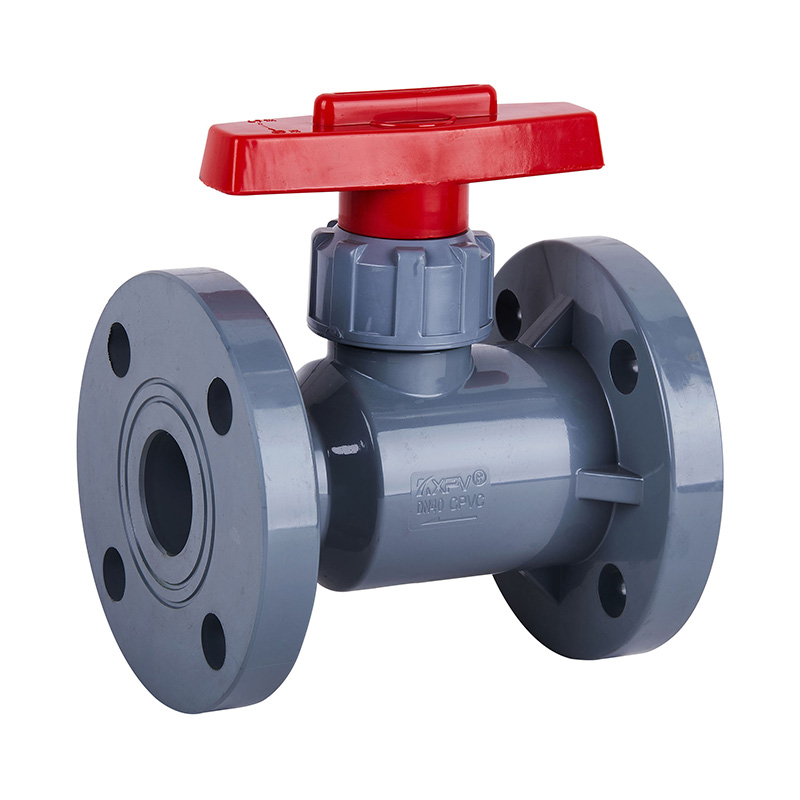
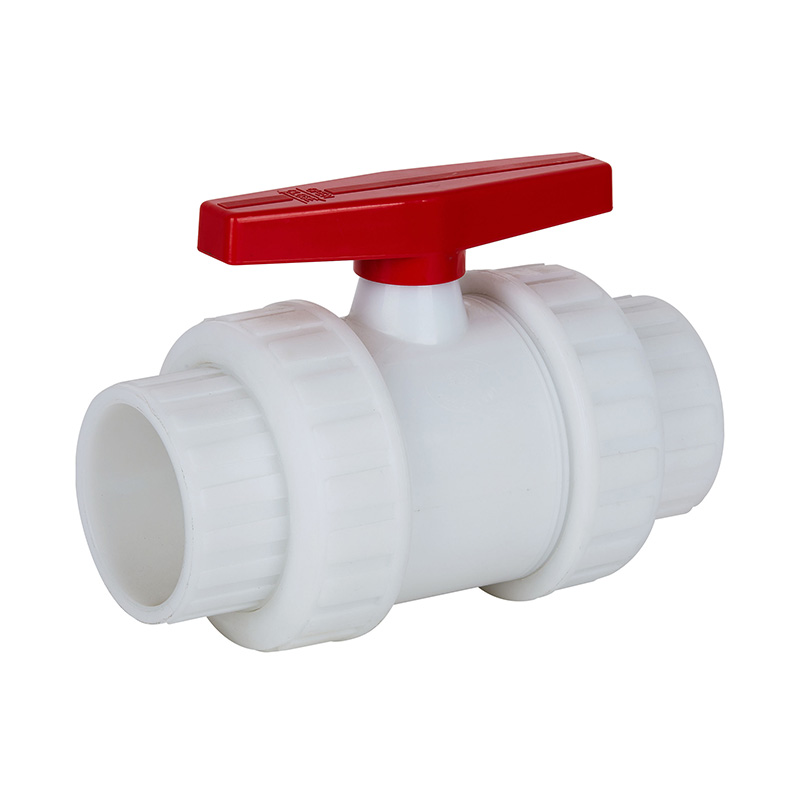
In practical applications, both the cpvc ball valve and PP check valve systems show reliable performance when operated within their design limits, but CPVC systems tend to require more preventive maintenance scheduling, while PP systems rely more on periodic functional checks.
Overview of Maintenance Differences Between CPVC and PP Check Valves
Maintenance strategies for CPVC and PP check valves differ primarily due to material properties. CPVC is engineered for higher temperature resistance, typically up to 90–95°C, while PP systems generally operate safely below 70–80°C. This difference directly affects inspection frequency and operational lifespan.
- CPVC valves require thermal stress monitoring in continuous hot fluid systems.
- PP valves require more frequent mechanical movement checks due to flexibility fatigue.
- Both systems require sealing inspections every 3–6 months depending on usage intensity.
For example, a 2 inch pvc ball valve in a PP pipeline system may require seal replacement every 12–18 months in moderate use, while CPVC equivalents may extend slightly longer in high-temperature industrial environments.
Routine Maintenance Tasks and Inspection Procedures
Routine maintenance is essential to ensure the reliability of both CPVC and PP check valves. The procedures are similar in structure but differ in inspection focus areas.
- Inspect valve body for cracks, discoloration, or deformation caused by temperature or pressure changes.
- Check sealing components for leakage or hardening, especially in CPVC systems exposed to chemicals.
- Verify check mechanism movement to ensure smooth opening and closing without obstruction.
- Flush internal passageways to remove sediment or chemical buildup.
A plastic pipe valve (PP check type) typically requires more frequent mechanical movement testing due to its flexible structure, while CPVC valves demand chemical resistance evaluation during inspection cycles.
Failure Modes and Maintenance Risk Comparison
Understanding failure modes is critical for optimizing maintenance schedules. CPVC and PP valves fail differently due to material composition and operational stress.
| Valve Type | Common Failure Mode | Maintenance Requirement |
|---|---|---|
| CPVC Check Valve | Thermal cracking and seal hardening | Temperature monitoring and seal replacement |
| PP Check Valve | Mechanical fatigue and hinge wear | Regular movement testing and part replacement |
CPVC systems tend to fail under sustained thermal stress, while PP systems are more vulnerable to repetitive motion degradation.
Cleaning and Internal Maintenance Practices
Cleaning procedures for both valve types are essential to maintain flow efficiency and prevent clogging. However, CPVC systems require more controlled cleaning agents due to chemical sensitivity.
- Use neutral pH cleaning solutions for CPVC valves to avoid surface degradation.
- PP valves tolerate a broader range of cleaning fluids but should avoid high-temperature flushing.
- Both systems benefit from low-pressure water flushing every maintenance cycle.
For industrial pipelines using a plastic pipe valve (CPVC check type), internal cleaning every 6 months is recommended, while PP systems may extend to 8–12 months depending on fluid type.
Application Scenarios and Maintenance Implications
The choice between CPVC and PP valves directly influences long-term maintenance workload. CPVC valves are preferred in chemical processing and hot water systems, while PP valves are commonly used in irrigation and low-pressure transport systems.
A 2 inch pvc ball valve is often used in medium-flow distribution networks, where PP material is favored for its cost efficiency and ease of replacement. However, in elevated temperature environments, CPVC alternatives reduce failure frequency despite higher inspection demands.
Lifecycle Cost and Long-Term Maintenance Strategy
From a lifecycle perspective, CPVC valves typically have a longer operational lifespan under high-temperature conditions, averaging 8–12 years, while PP valves average 5–10 years depending on usage intensity. However, PP systems often have lower immediate maintenance costs.
Maintenance planning should consider both replacement frequency and downtime costs. CPVC systems require fewer replacements but more structured inspection schedules, whereas PP systems require more frequent but simpler maintenance operations.
Selecting between these two types of plastic pipe valve systems depends on balancing environmental conditions, operational pressure, and maintenance resource availability.

 Headquarters: No. 539 Bohai Road, Beilun District, Ningbo City, Zhejiang Province, P.R. China
 +86-18067123177