

 EN
EN English
 Español
 عربى
عربى русский
 中文简体
中文简体
Kaixin, a high-tech enterprise specialized in the R&D, production and sales of polymer pipeline valves.
Material Selection and Chemical Compatibility
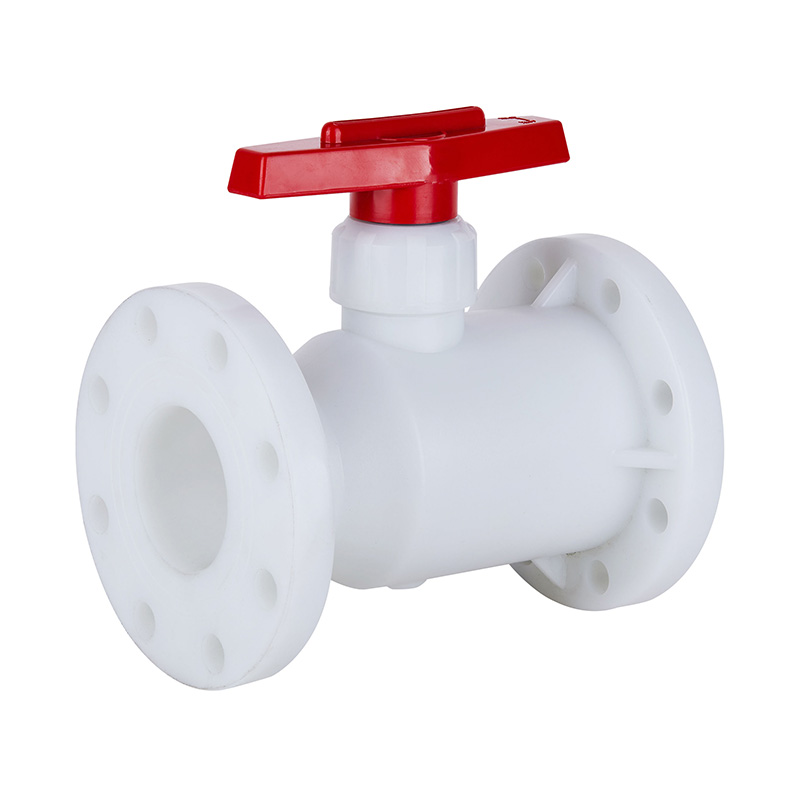
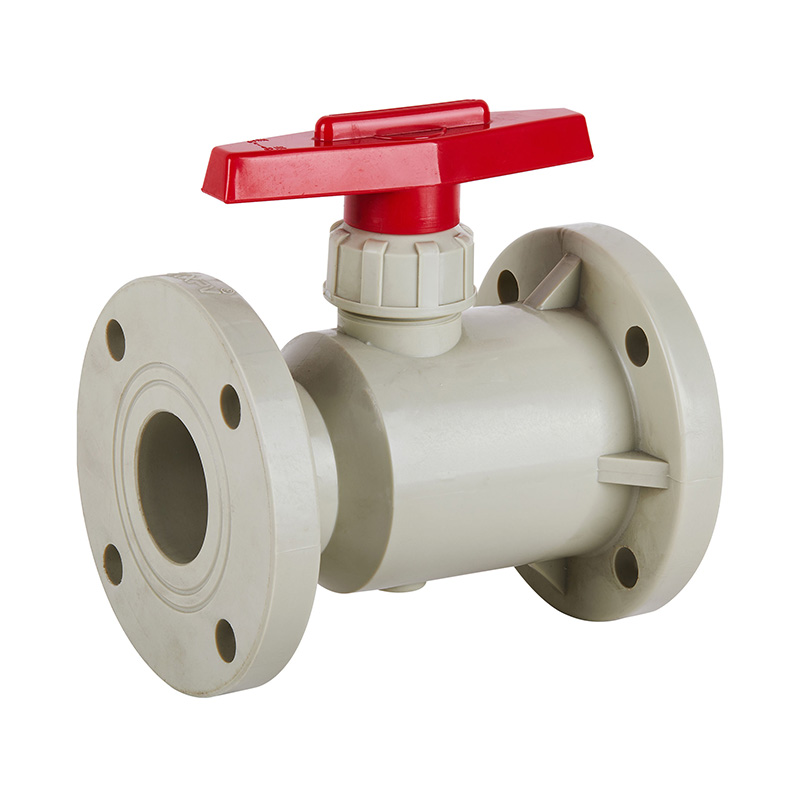
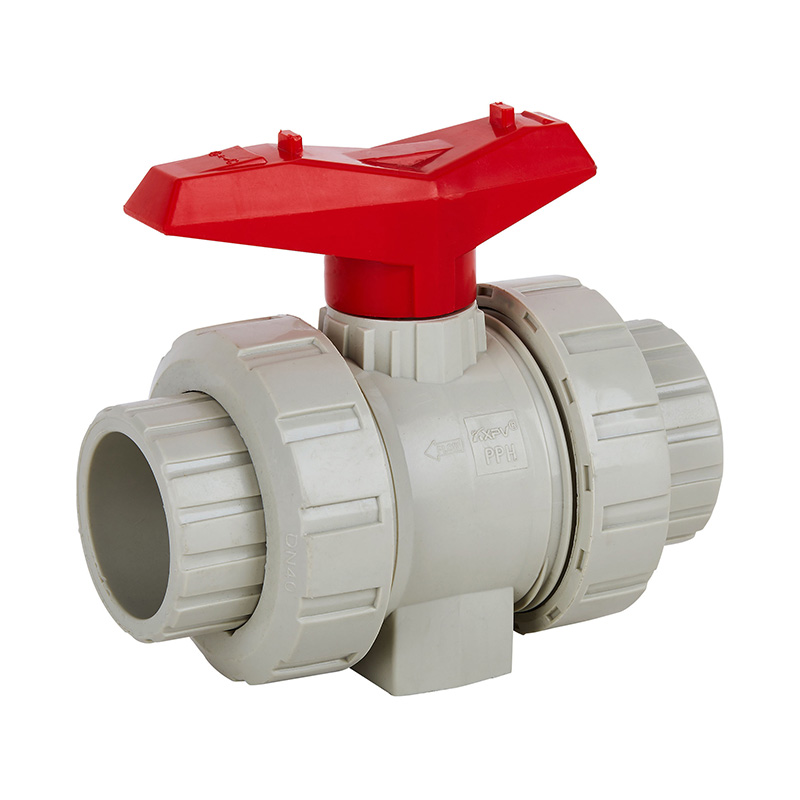
The PPH Ball Valve is primarily constructed from Polypropylene Homopolymer (PPH), a material chosen for its excellent chemical resistance, high dimensional stability, and robust mechanical properties. The inherent resistance of PPH to corrosive or aggressive chemicals ensures that the valve body, ball, and internal components maintain their integrity over long periods of operation. This chemical resistance prevents erosion, pitting, or degradation that could compromise sealing surfaces. PPH maintains its mechanical properties across a wide temperature range, reducing the risk of softening, warping, or cracking. This combination of chemical and thermal stability allows the valve to maintain a tight, leak-free seal even when exposed to fluctuating process conditions.
Precision-Machined Ball and Sealing Surfaces
At the heart of a PPH Ball Valve is the spherical ball that controls fluid flow. The ball is precision-machined to tight tolerances to ensure a smooth, uniform surface that mates perfectly with the valve seats. This precise fit eliminates gaps that could lead to leakage, providing a consistent and reliable seal. The spherical geometry distributes compressive forces evenly across the contact surface with the seats, ensuring that the sealing interface remains uniform under both high and low-pressure conditions. This precise engineering is critical for maintaining consistent performance during repeated cycles of opening and closing, as well as under fluctuating operational pressures.
High-Performance Seals and Seats
Leak-free performance in a PPH Ball Valve is achieved through the use of advanced seals and valve seats made from materials such as PTFE, reinforced elastomers, or other compatible polymers. These sealing elements are designed to be resilient and slightly compressible, allowing them to conform to minor dimensional changes in the valve body or ball caused by thermal expansion or pressure variations. The combination of a rigid PPH body and flexible seals ensures a tight, reliable seal under all operating conditions. This design minimizes the risk of leakage, enhances valve longevity, and maintains process safety in critical chemical or fluid handling applications.
Optimized Body Geometry and Flow Path
The body design of a PPH Ball Valve is carefully engineered to minimize internal stress and maintain consistent sealing forces. Smooth, rounded internal passages reduce turbulence and pressure spikes that could otherwise compromise the sealing interface. In multi-port or multi-compartment valves, the body geometry ensures that the ball remains aligned with the seats, preventing leaks caused by misalignment under variable pressures. By promoting uniform flow distribution and maintaining proper alignment, the valve ensures that the sealing surfaces engage correctly, providing reliable, leak-free operation throughout its service life.
Temperature and Pressure Compensation Features
PPH Ball Valves are designed to accommodate changes in temperature and pressure that occur during normal operation. The seals and seats are positioned to maintain consistent contact with the ball, even as the valve body expands or contracts with thermal cycling. Similarly, the valve design leverages the self-energizing effect of pressure: increased internal pressure enhances the sealing force between the ball and seats, further reducing the likelihood of leakage. This compensation mechanism ensures that the valve maintains a secure seal under dynamic operating conditions, providing both safety and reliability for industrial and chemical processes.
Robust Stem and Actuation Design
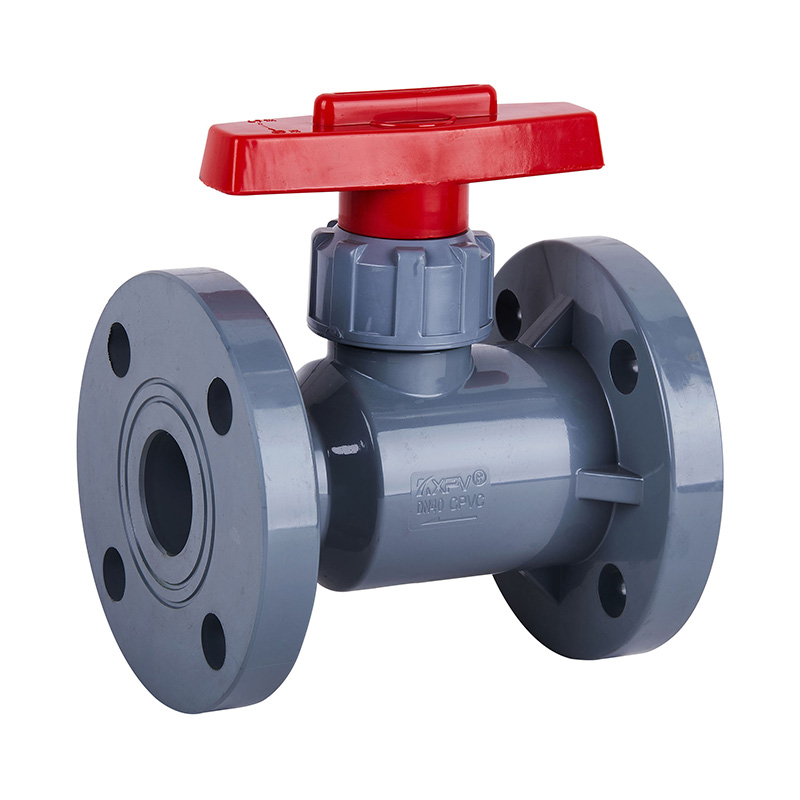
The stem of PPH Ball Valve, which connects the handle or actuator to the internal ball, is engineered to maintain precise alignment and prevent leakage. Secondary seals, such as O-rings or gaskets, are incorporated to prevent media from escaping along the stem, even under torsional stress during valve operation or thermal expansion. The actuation mechanism is designed for smooth, controlled rotation while ensuring the ball remains aligned with the seats at all times. This robust stem design contributes significantly to overall leak-free performance, even during frequent operation or under fluctuating pressures and temperatures.

 Headquarters: No. 539 Bohai Road, Beilun District, Ningbo City, Zhejiang Province, P.R. China
 +86-18067123177