

 EN
EN English
 Español
 عربى
عربى русский
 中文简体
中文简体
Kaixin, a high-tech enterprise specialized in the R&D, production and sales of polymer pipeline valves.
The Check Valve is generally the better choice for preventing backflow in industrial pipelines. Unlike a Ball Valve, which is primarily designed for flow isolation and requires manual or automated operation, a Check Valve automatically prevents reverse flow whenever pressure conditions change. This automatic functionality makes Check Valves the industry-standard solution for protecting pumps, compressors, water systems, and process equipment from damage caused by backflow.
However, Ball Valves still play an important role in industrial piping systems. They provide excellent shutoff performance, low pressure drop, and reliable isolation capabilities. In many facilities, engineers use both valve types together to achieve maximum safety and operational efficiency. Understanding the differences between these valves helps users select the most suitable solution for their specific application.
Understanding the Operating Principles
The most significant distinction between a Check Valve and a Ball Valve lies in how each valve operates.
A Check Valve uses internal components such as discs, flappers, balls, or springs that react automatically to flow direction. When fluid moves in the intended direction, the valve opens. If pressure reverses, the valve closes immediately, preventing fluid from flowing backward.
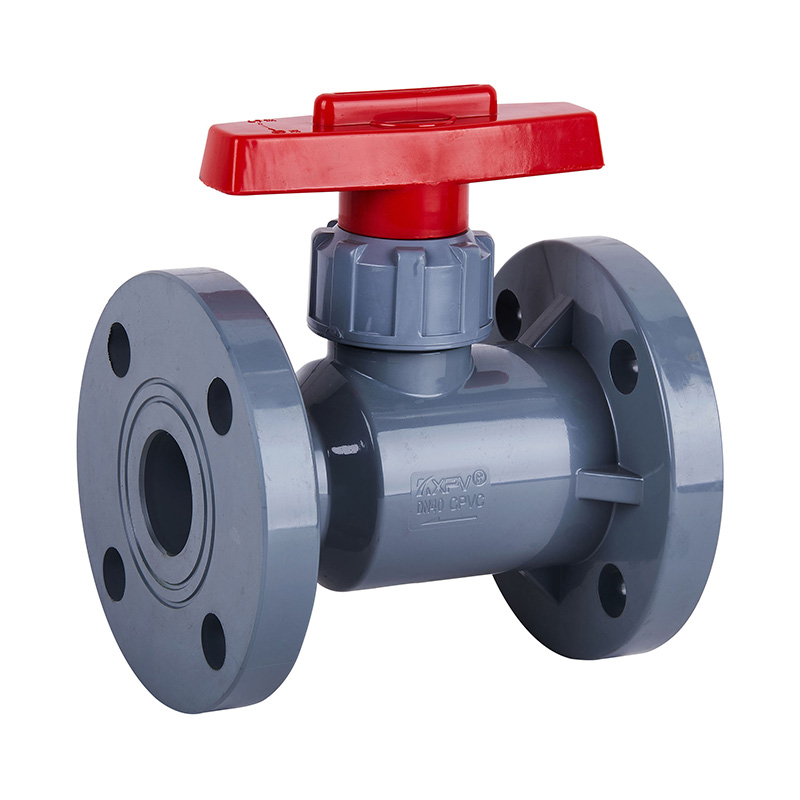
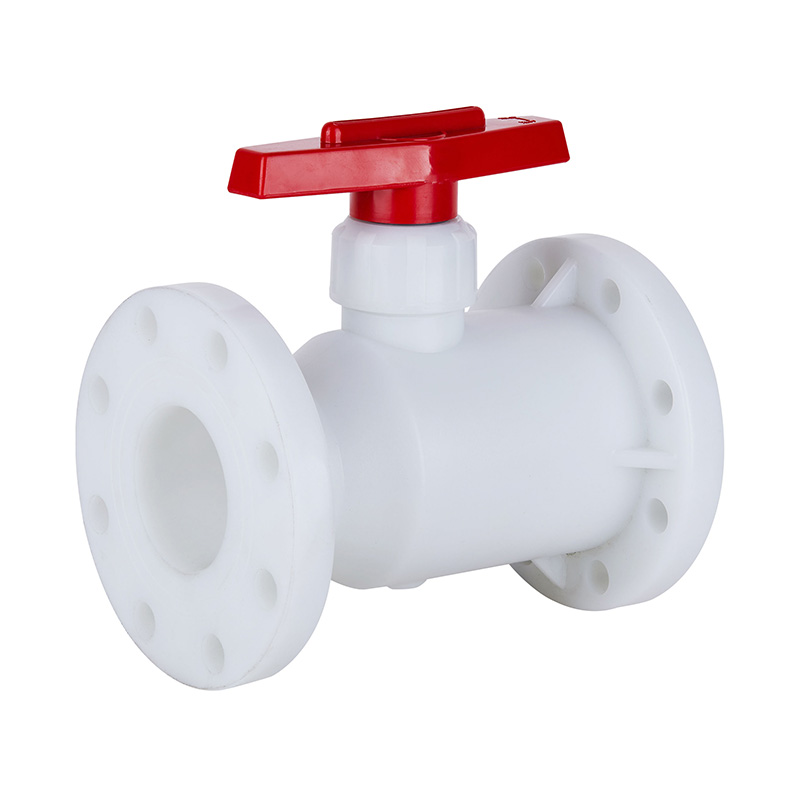
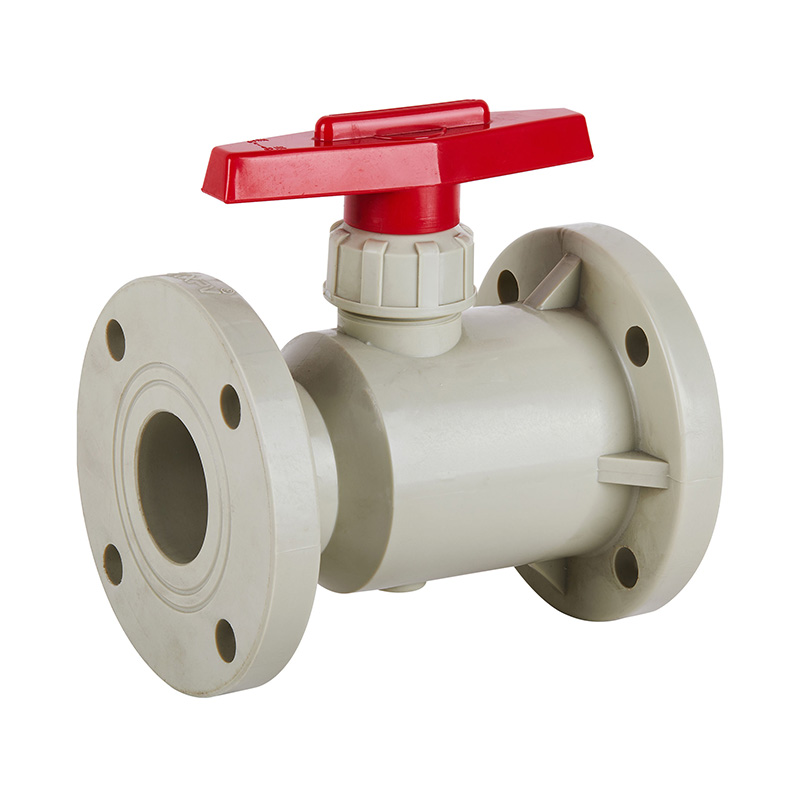
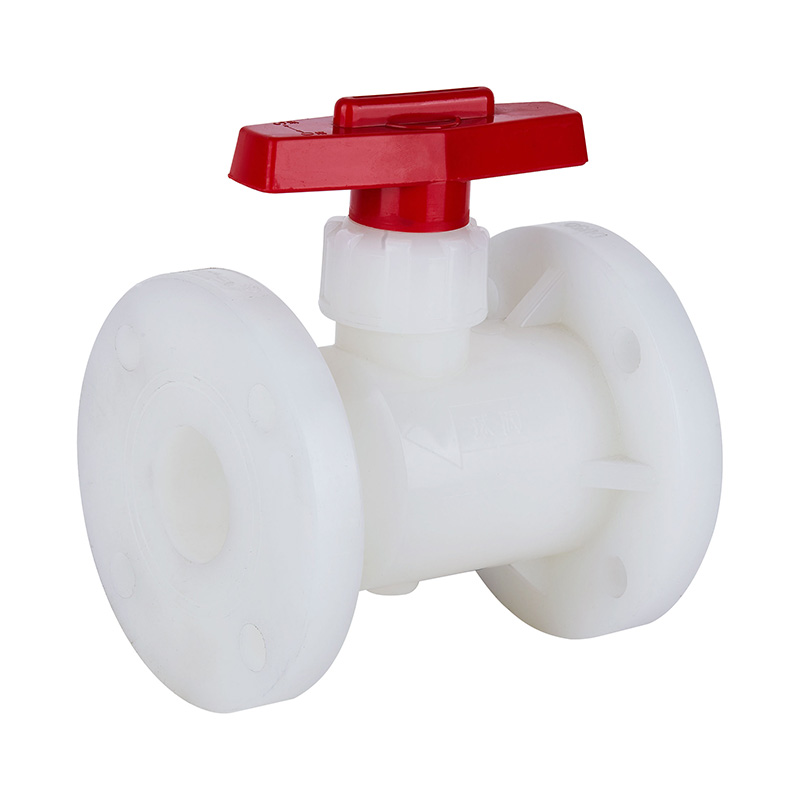
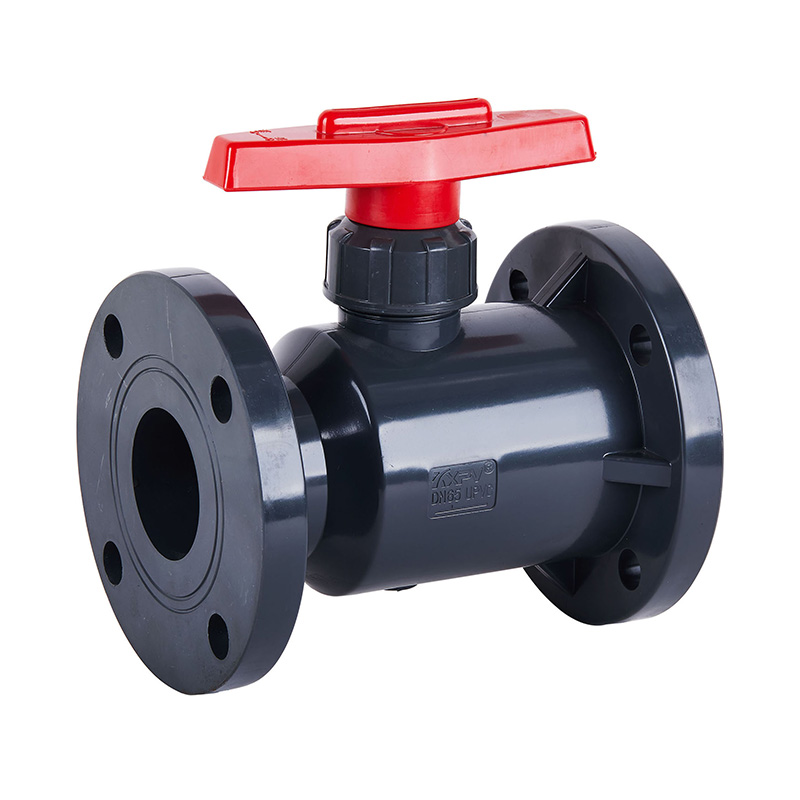
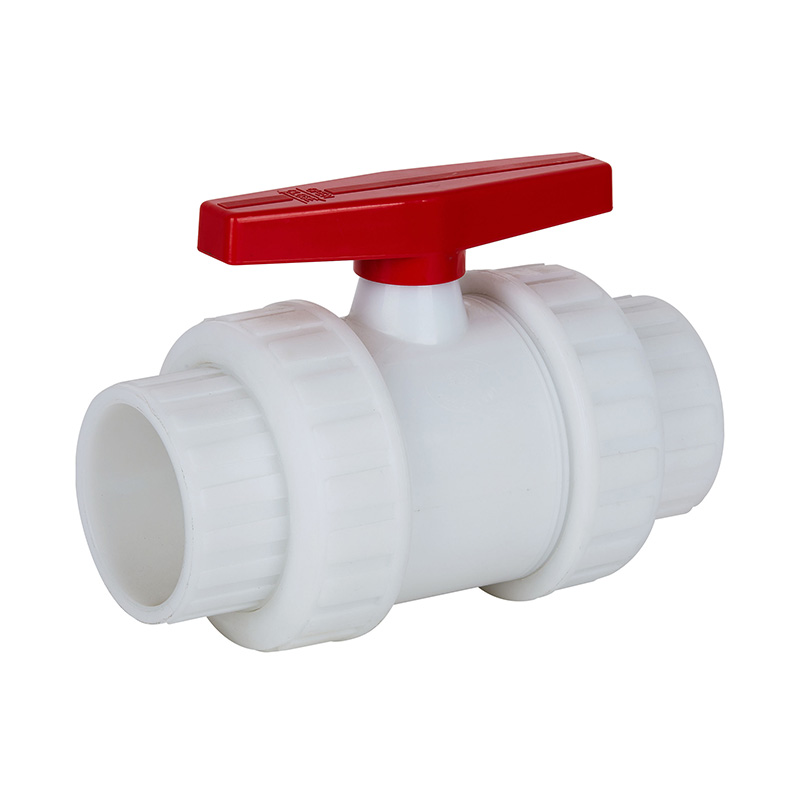
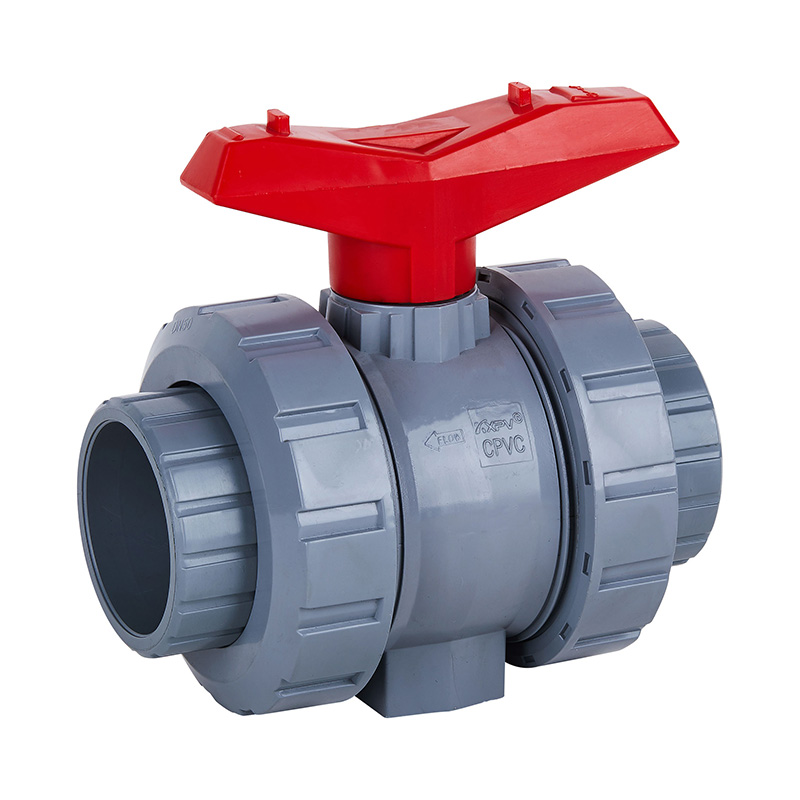
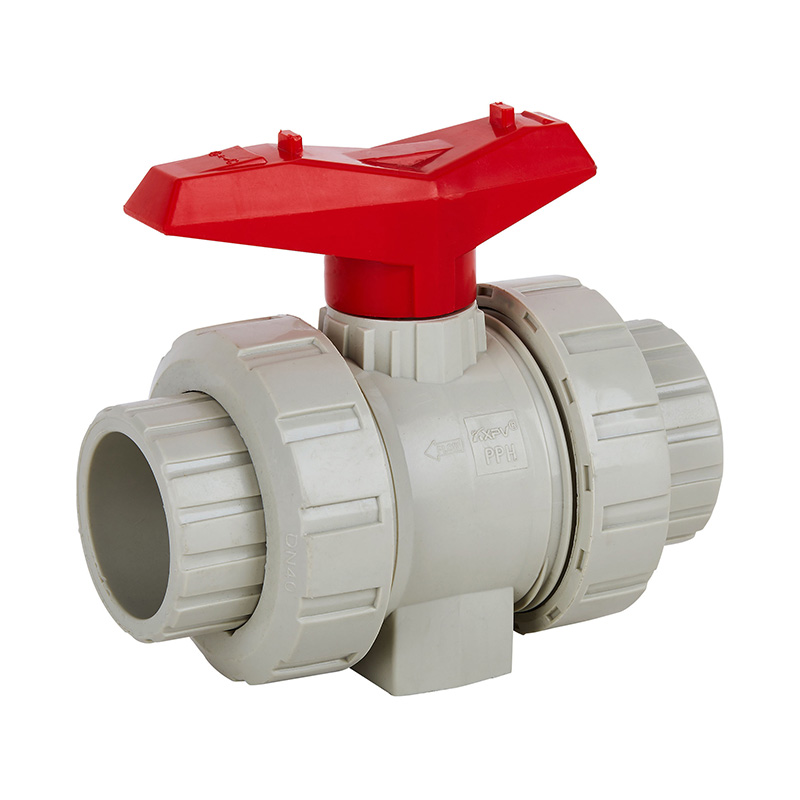
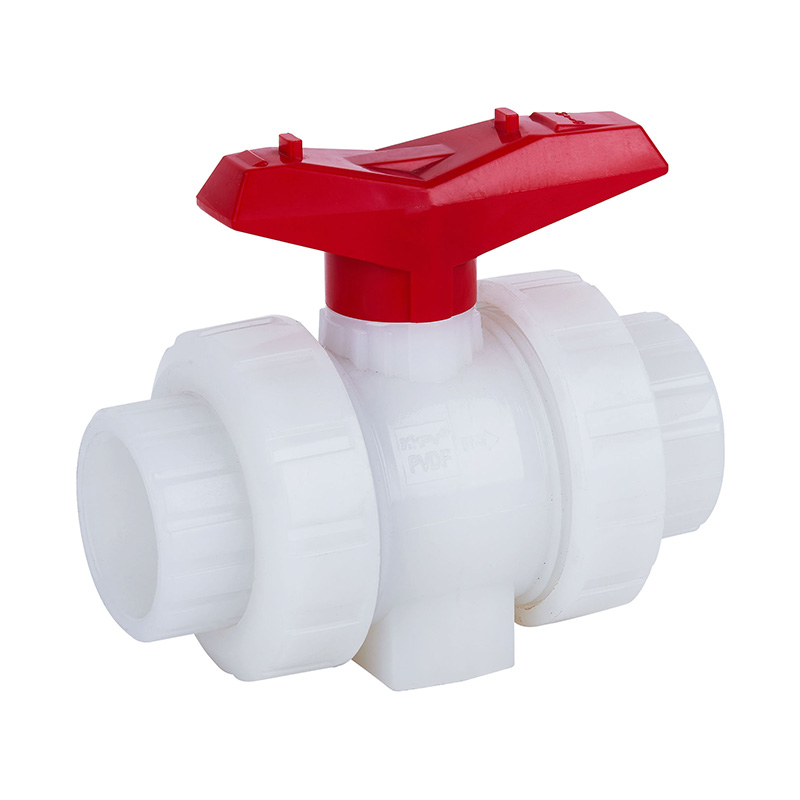
A Ball Valve contains a spherical ball with a bore through its center. Rotating the ball 90 degrees opens or closes the flow path. Because the valve remains in its selected position until actuated, it cannot independently react to changing flow conditions.
| Characteristic | Check Valve | Ball Valve |
|---|---|---|
| Primary Purpose | Prevent backflow | Flow isolation |
| Automatic Operation | Yes | No |
| Response to Reverse Flow | Immediate | Requires closure |
| Isolation Capability | Limited | Excellent |
Backflow Prevention Performance Comparison
When evaluating backflow prevention performance, Check Valves clearly outperform Ball Valves.
Industrial systems often experience pressure fluctuations due to pump shutdowns, sudden valve closures, or equipment failures. During these events, reverse flow can occur within seconds. A Check Valve automatically responds to these changes without requiring operator intervention.
Studies in water treatment and industrial pumping systems have shown that properly installed Check Valves can reduce backflow-related equipment failures by more than 80%. This level of protection is difficult to achieve with Ball Valves alone because they depend on external control.
For example, in a municipal pumping station, a sudden power outage may stop a pump instantly. Without a Check Valve, water can flow backward through the pump, potentially damaging impellers and seals. A Ball Valve cannot prevent this unless it has already been closed.
Pressure Drop and Flow Efficiency
Pressure loss is another important consideration in industrial pipeline design.
Ball Valves are known for excellent flow characteristics. Full-port Ball Valves allow fluid to pass through with minimal restriction, often resulting in pressure drops below 1 psi under normal operating conditions.
Check Valves typically introduce more resistance because internal moving components remain within the flow path. Depending on the design, pressure drops can range from 1 psi to 5 psi or more.
Modern dual-plate and silent Check Valves have significantly reduced these losses, making them suitable for high-efficiency systems. Nevertheless, Ball Valves generally maintain an advantage when maximizing flow efficiency is the primary objective.
- Ball Valves offer lower pressure loss.
- Check Valves provide superior backflow protection.
- Proper sizing minimizes pressure drop in both valve types.
Installation Requirements and System Integration
Installation practices directly affect valve performance.
Check Valves must be installed according to the indicated flow direction. Incorrect installation will prevent the valve from functioning properly. Certain Check Valve designs also require specific mounting orientations.
Ball Valves are generally easier to install and can operate effectively in various orientations. Their simple design contributes to widespread use across multiple industries.
Many industrial facilities combine a Check Valve with a line stop valve. In these systems, the Check Valve automatically prevents reverse flow during normal operation, while the line stop valve provides positive isolation when maintenance or pipeline modifications are required.
This combination is commonly found in large water transmission networks, oil and gas facilities, and chemical processing plants where both safety and maintenance flexibility are essential.
Maintenance and Long-Term Reliability
Maintenance requirements differ significantly between these valve types.
Ball Valves contain relatively few moving parts and are widely recognized for their durability. Many industrial Ball Valves can operate for years with minimal maintenance when used within their design parameters.
Check Valves experience continuous movement as flow conditions change. Over time, internal components may wear due to vibration, pressure cycling, suspended solids, or corrosion.
Typical Check Valve Maintenance Tasks
- Inspecting discs and hinges.
- Checking spring integrity.
- Cleaning debris accumulation.
- Evaluating sealing surfaces.
- Monitoring water hammer effects.
Although maintenance needs may be slightly higher, the protective benefits of Check Valves often outweigh these additional requirements.
Cost Comparison and Lifecycle Value
Purchase price alone should not determine valve selection. Lifecycle costs often have a greater impact on overall operating expenses.
| Factor | Check Valve | Ball Valve |
|---|---|---|
| Initial Cost | Moderate | Moderate |
| Maintenance Cost | Moderate | Low |
| Backflow Protection | Excellent | Limited |
| Equipment Protection | High | Medium |
In systems where a backflow event could damage equipment worth tens or hundreds of thousands of dollars, a Check Valve frequently delivers the highest return on investment despite requiring periodic inspections.
Best Applications for Each Valve Type
Where Check Valves Excel
- Pump discharge systems.
- Municipal water treatment plants.
- Chemical processing pipelines.
- Steam and condensate systems.
- Compressed air installations.
Where Ball Valves Excel
- Emergency shutoff applications.
- Pipeline isolation points.
- Gas distribution systems.
- High-flow process lines.
- Maintenance bypass systems.
In many modern facilities, engineers deploy a Check Valve, a Ball Valve, and a line stop valve together to create a comprehensive valve strategy that balances flow control, isolation, maintenance, and backflow prevention.
For preventing backflow in industrial pipelines, the Check Valve is the clear winner. Its automatic operation, rapid response to reverse pressure, and ability to protect critical equipment make it the preferred solution across virtually every industrial sector.
Although Ball Valves offer superior isolation performance and lower pressure loss, they are not designed to function as automatic backflow prevention devices. For maximum reliability, many industrial systems combine Check Valves with Ball Valves and line stop valve technologies, ensuring both operational efficiency and equipment protection.
If your primary concern is preventing reverse flow and safeguarding valuable assets, investing in a properly sized and maintained Check Valve is the most effective and economical long-term solution.
 Headquarters: No. 539 Bohai Road, Beilun District, Ningbo City, Zhejiang Province, P.R. China
 +86-18067123177