Defining the Plastic Ball Valve and Its Role in Modern Fluid Control
A Plastic Ball Valve is a pivotal component in modern fluid handling systems, designed to control the flow of liquids or gases by using a rotary ball with a bore. As a leading high-tech enterprise, Kaixin Pipeline Technologies Co., Ltd. has refined the design of the Plastic Ball Valve to meet the rigorous demands of industrial, chemical, and water treatment sectors. Unlike traditional metal alternatives, a Plastic Ball Valve offers a lightweight, corrosion-resistant, and cost-effective solution for managing aggressive media.
The fundamental structure of a Plastic Ball Valve consists of a sphere (the ball) with a hole through the center. When the handle is turned 90 degrees, the ball rotates to either align the hole with the flow path (open) or block it (closed). This quarter-turn functionality makes the Plastic Ball Valve highly efficient for quick shut-off applications. Kaixin Pipeline Technologies Co., Ltd. leverages its Ningbo Polymer Pipe & Valve Technology R&D Center to optimize these components, ensuring that every Plastic Ball Valve produced exhibits minimal friction and maximum sealing integrity.
In the context of industrial evolution, the transition toward the Plastic Ball Valve is driven by the need for materials that do not rust or scale. Whether it is a simple water line or a complex chemical processing unit, the Plastic Ball Valve has become the standard for reliability. By integrating R&D and advanced manufacturing, Kaixin Pipeline Technologies Co., Ltd. ensures that each Plastic Ball Valve complies with international standards, filling critical market gaps for high-performance non-metallic flow control products.
Core Materials Used in Plastic Ball Valve Manufacturing
The performance of a Plastic Ball Valve is primarily dictated by the polymer from which it is molded. Kaixin Pipeline Technologies Co., Ltd. utilizes strictly sourced, high-quality raw materials to produce a diverse range of valves. Selecting the right material for a Plastic Ball Valve is essential for ensuring chemical compatibility and structural longevity.
Below are the primary materials used in the production of a Plastic Ball Valve:
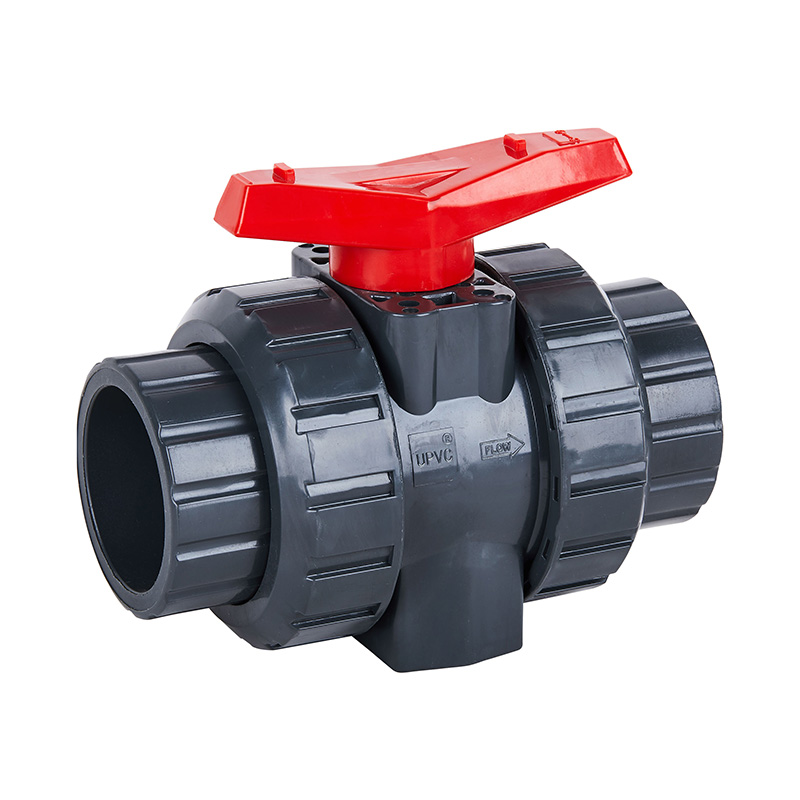
PVC-U (Unplasticized Polyvinyl Chloride): The most widely used material for a Plastic Ball Valve in water treatment and general irrigation. It offers excellent tensile strength and is resistant to a wide range of acids and bases at room temperature.
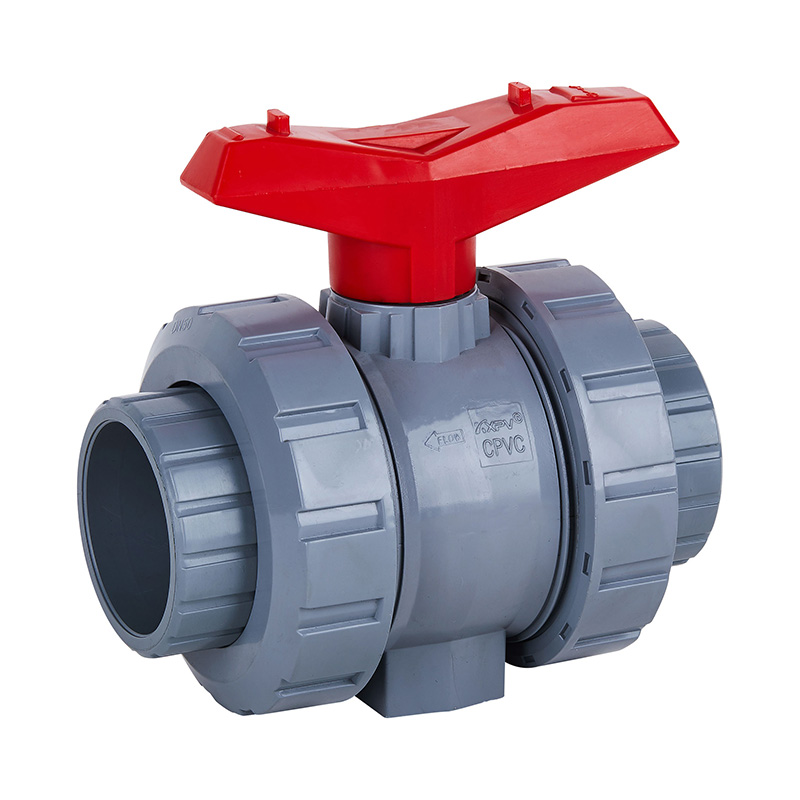
PVC-C (Chlorinated Polyvinyl Chloride): An advanced version used when a Plastic Ball Valve must handle higher temperatures. Kaixin Pipeline Technologies Co., Ltd. recommends PVC-C for industrial hot water systems and harsh chemical environments where standard PVC would fail.
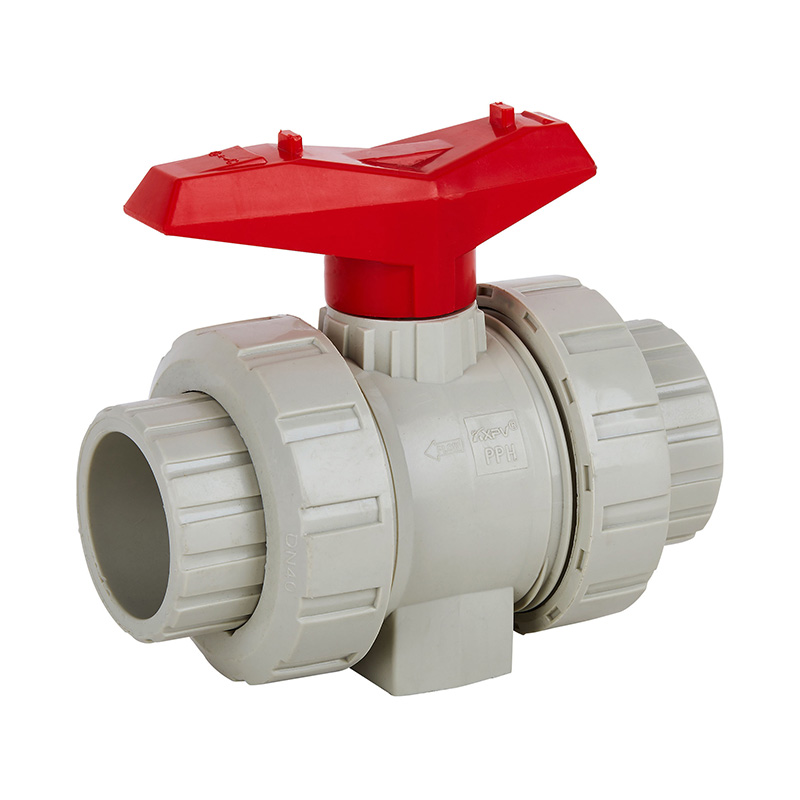
PPH (Polypropylene Homopolymer): Known for its exceptional chemical resistance to organic solvents and acids. A PPH Plastic Ball Valve is often the first choice for the electroplating and steel pickling industries.
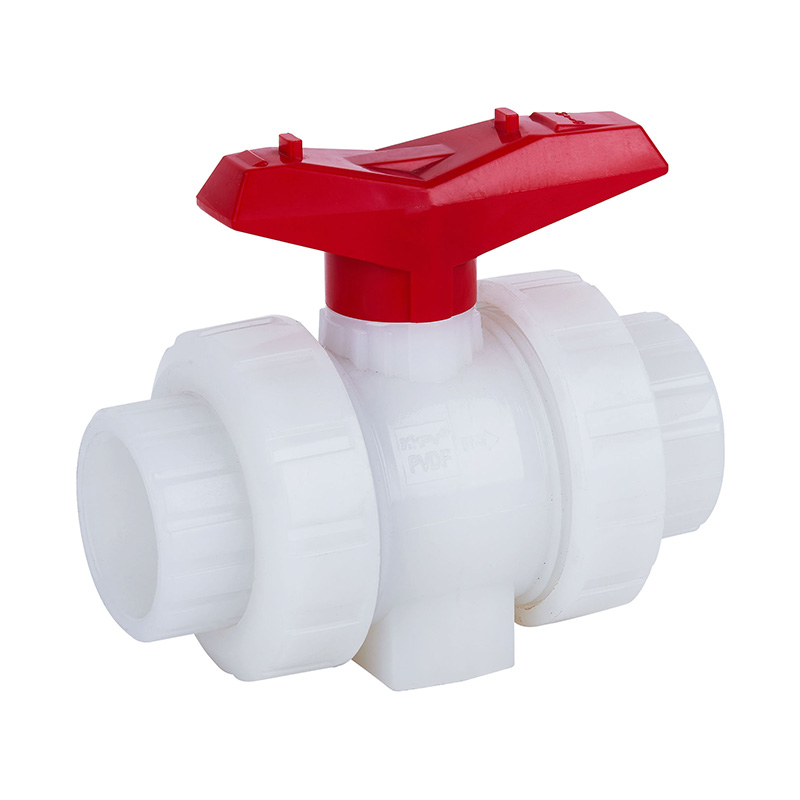
PVDF (Polyvinylidene Fluoride): The "gold standard" for high-purity and extreme chemical applications. A PVDF Plastic Ball Valve manufactured by Kaixin Pipeline Technologies Co., Ltd. can withstand highly aggressive fluids and remains stable under UV radiation and high temperatures.
Material Performance Comparison
| Property |
PVC-U |
PVC-C |
PPH |
PVDF |
| Max Operating Temp |
60C |
95C |
90C |
140C |
| Corrosion Resistance |
High (General) |
High (Acid/Base) |
Very High (Solvents) |
Excellent (Extreme) |
| Mechanical Strength |
Excellent |
Very Good |
Good |
Excellent |
| UV Resistance |
Moderate |
Good |
Moderate |
Excellent |
| Typical Application |
Water Treatment |
Hot Acid Lines |
Chemical Processing |
Ultra-Pure Fluids |
By operating 8 fully automated production lines for modified plastics, Kaixin Pipeline Technologies Co., Ltd. ensures that the material consistency of every Plastic Ball Valve meets the "Little Giant" specialized SME quality benchmarks.
Engineering Mechanics: How a Plastic Ball Valve Functions
The internal mechanics of a Plastic Ball Valve are a testament to precision engineering. At Kaixin Pipeline Technologies Co., Ltd., the focus remains on "Technology-Driven" innovation to ensure that the mechanical operation of each Plastic Ball Valve is seamless and leak-proof over thousands of cycles.
The Quarter-Turn Operation
The core advantage of a Plastic Ball Valve is its 90-degree operation. This allows for rapid actuation, which is critical in emergency shut-off scenarios. The stem of the valve connects the external handle to the internal ball. As the handle is rotated, the ball spins within the valve seats to permit or obstruct flow.
Sealing and Friction Management
A high-quality Plastic Ball Valve relies on two primary sealing points:
The Valve Seats: Usually made of PTFE (Teflon), these surround the ball to provide a low-friction surface and a tight seal.
The O-Rings: Utilizing EPDM or FKM (Viton), these seals prevent leakage through the stem and the union ends. Kaixin Pipeline Technologies Co., Ltd. carefully selects these elastomers based on the intended chemical application of the Plastic Ball Valve.
Flow Dynamics
The internal geometry of a Plastic Ball Valve is designed to be "Full Port," meaning the diameter of the hole in the ball is the same as the pipe diameter. This results in zero turbulence for the fluid and low pressure drop, maximizing pump efficiency and reducing energy costs across the pipeline system.
Classifying Different Types of Plastic Ball Valves
To address diverse engineering needs, Kaixin Pipeline Technologies Co., Ltd. produces various configurations of the Plastic Ball Valve. Understanding these types is crucial for correct system integration.
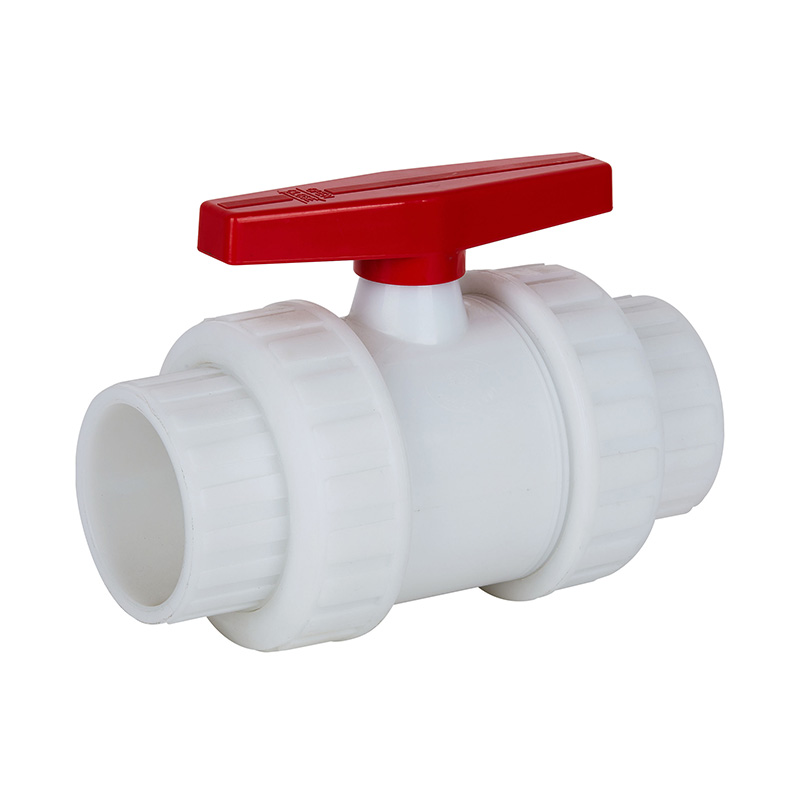
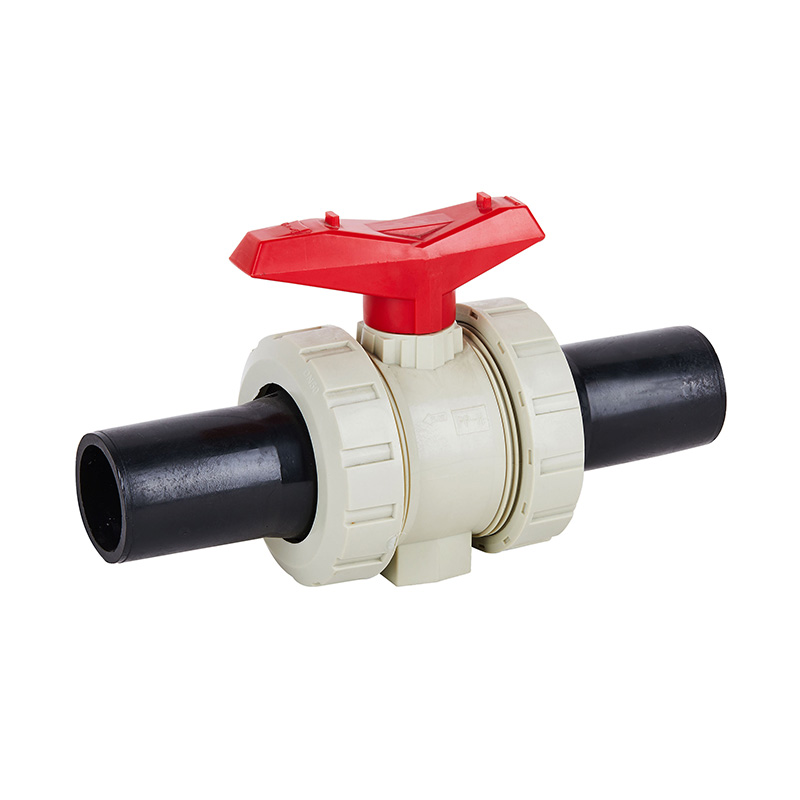
True Union Plastic Ball Valve: This is the most versatile design. It features union ends that allow the valve body to be removed from the pipeline for maintenance without cutting the pipe. It is the flagship Plastic Ball Valve for industrial plants.
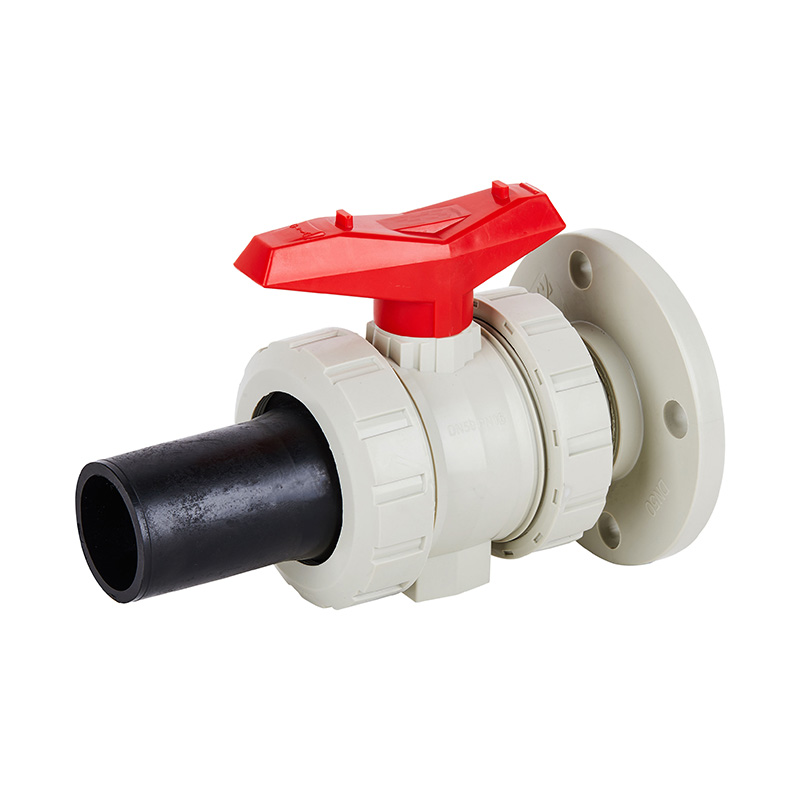
Single Union Plastic Ball Valve: A more economical version with a union on only one side, suitable for applications where full disassembly is not frequently required.
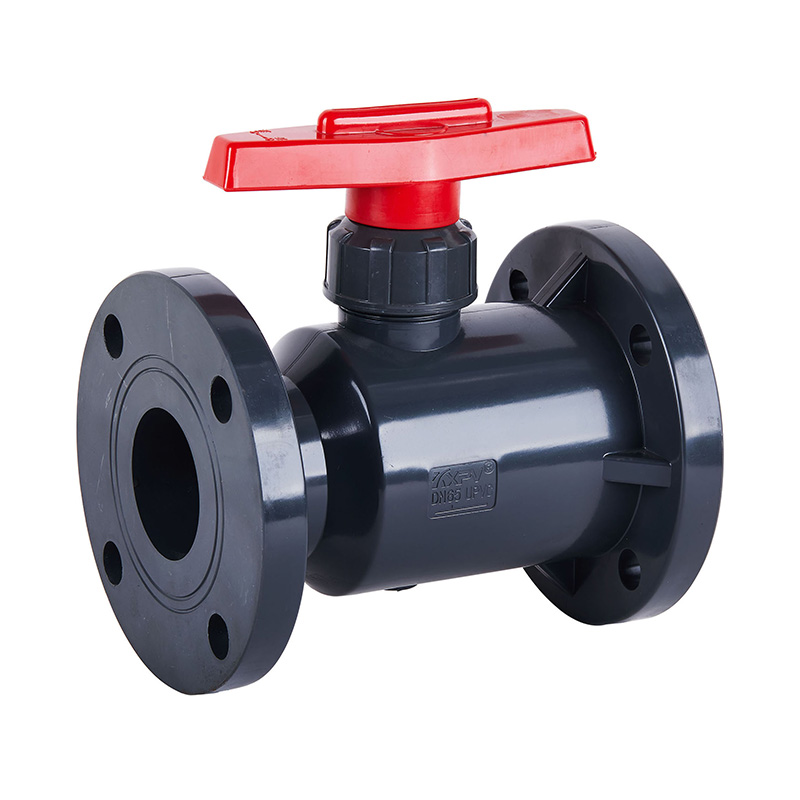
Compact Plastic Ball Valve: Often referred to as a "one-piece" valve, this design is molded as a single unit. It is lightweight and ideal for space-constrained environments or civil water projects.
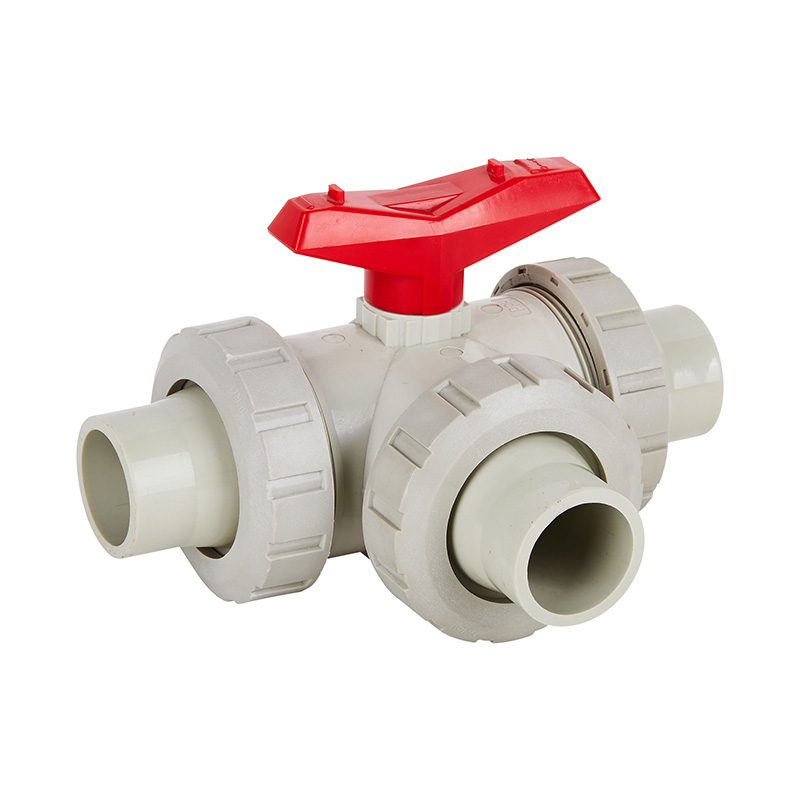
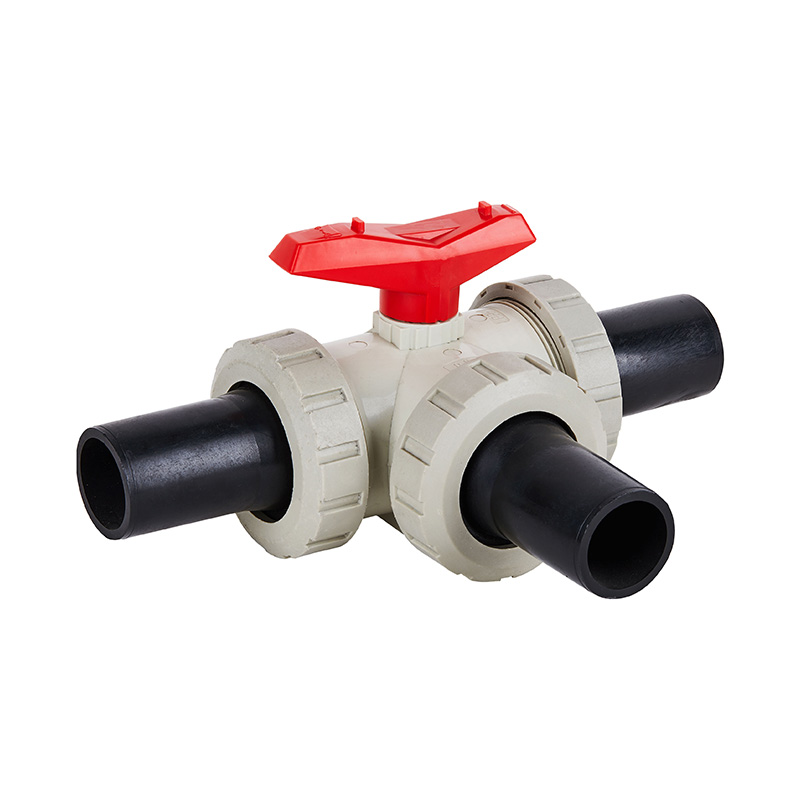
Three-Way Plastic Ball Valve: Available in L-port or T-port configurations, this Plastic Ball Valve is used for diverting flow or mixing two different fluid streams.
Kaixin Pipeline Technologies Co., Ltd. also specializes in integrating these valves with automated systems, providing electric and pneumatic actuation options for the modern, digitally-managed factory.
Technical Specifications and Selection Criteria
Selecting the appropriate Plastic Ball Valve requires a deep dive into technical parameters. Kaixin Pipeline Technologies Co., Ltd. maintains strict quality control, ensuring that every Plastic Ball Valve meets standardized pressure and temperature ratings.
Pressure Rating Standard (at 20C)
| Standard |
Pressure Rating (PSI) |
Pressure Rating (Bar/PN) |
| PN10 |
150 PSI |
10 Bar |
| PN16 |
232 PSI |
16 Bar |
| Sch 80 |
Varies by size |
Heavy Duty Wall |
Size Range and Connectivity
As a National Single Product Champion (Cultivation) enterprise, Kaixin Pipeline Technologies Co., Ltd. offers a comprehensive range of sizes for the Plastic Ball Valve, typically ranging from 1/2 inch (20mm) to 4 inch (110mm) for standard ball valves. For larger flow requirements, the company expertise extends to butterfly valves up to DN1000.
Connection Methods for Plastic Ball Valve:
Socket (Solvent Weld): Ideal for PVC-U and PVC-C systems using chemical adhesives.
Threaded (NPT/BSPT): Allows for easy mechanical connection and disconnection.
Fusion (Socket/Butt Fusion): Used for PPH and PVDF materials to create a leak-proof, monolithic joint.
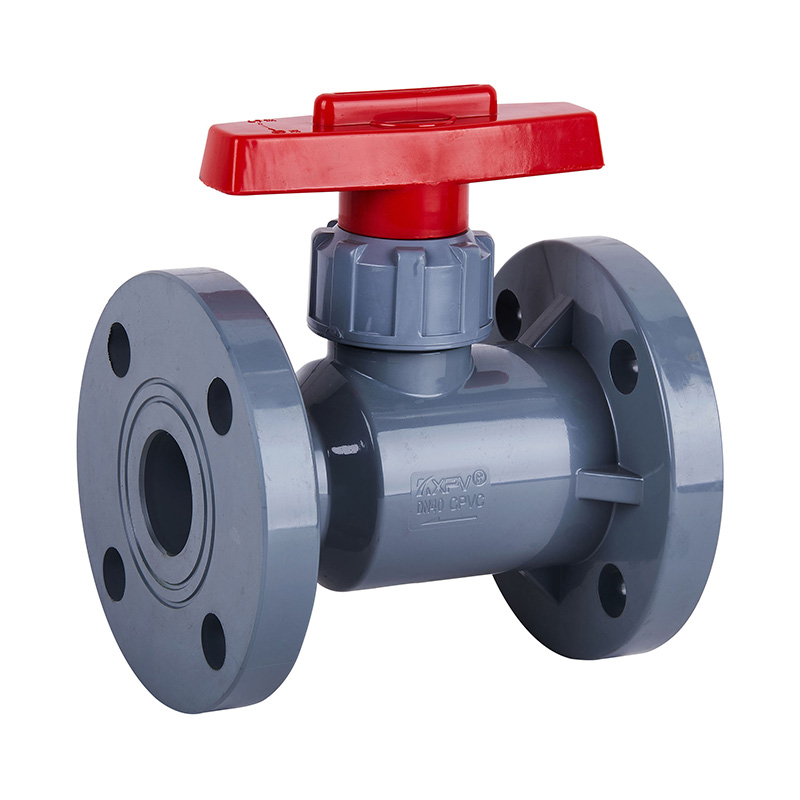
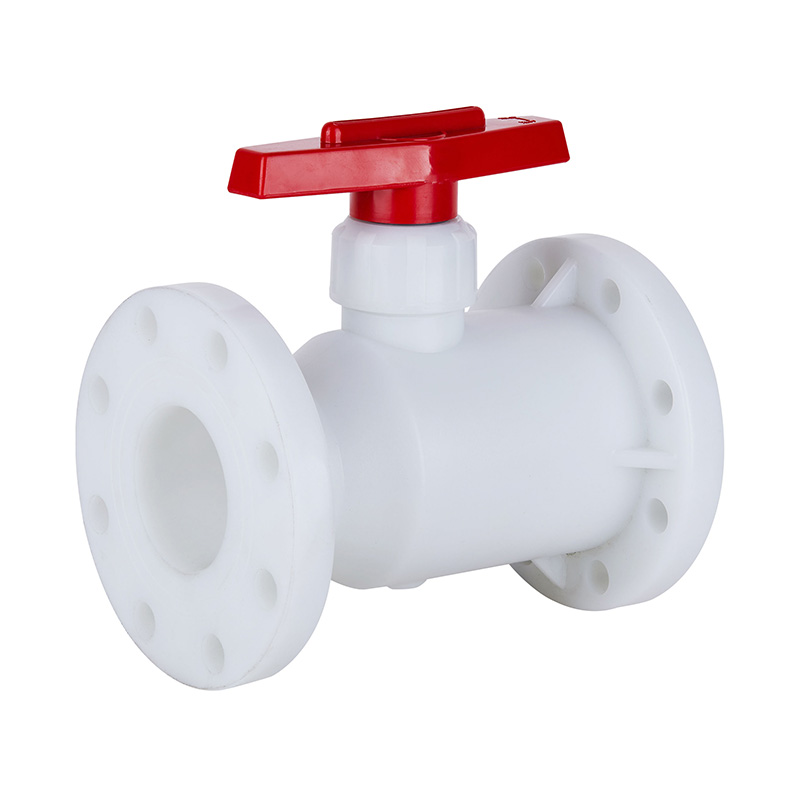
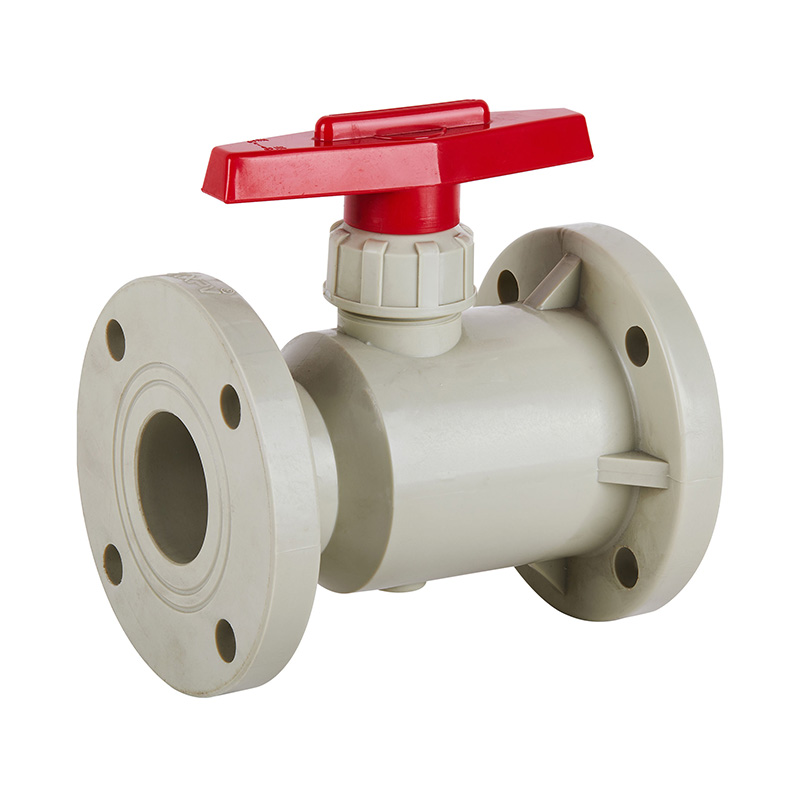
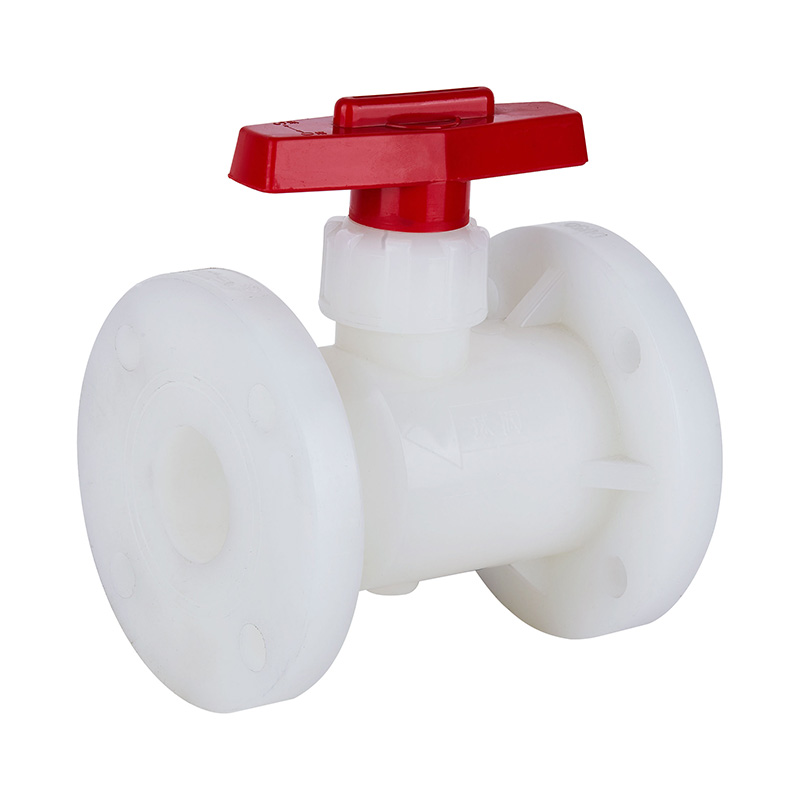
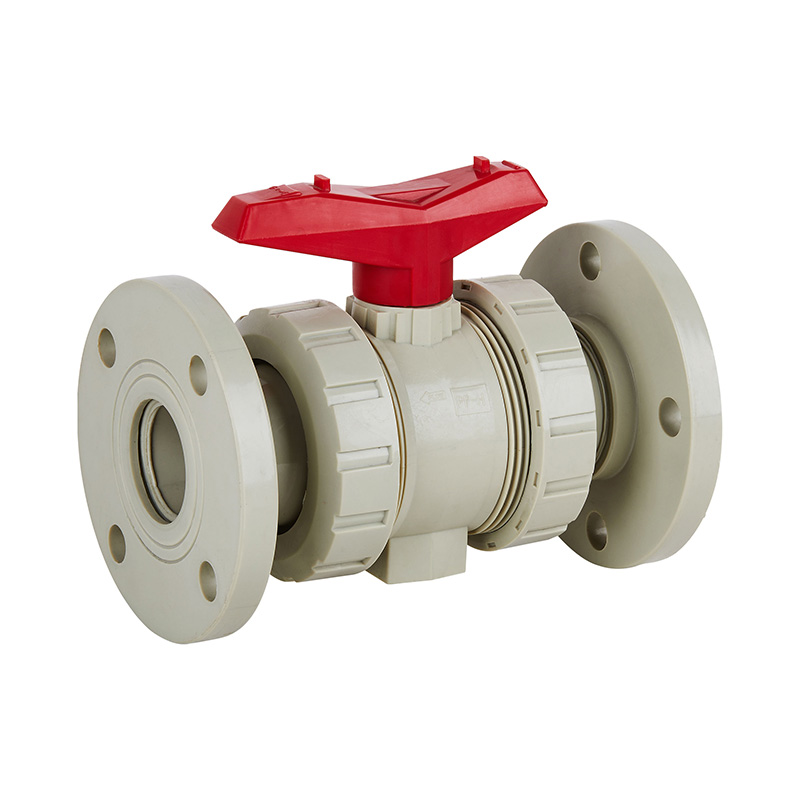
Flanged: Used to connect a Plastic Ball Valve to metal piping or large-scale equipment.
Industrial Applications of Plastic Ball Valves
The versatility of the Plastic Ball Valve produced by Kaixin Pipeline Technologies Co., Ltd. allows it to serve a vast array of industries. Our products are engineered to thrive where metal valves succumb to oxidation and chemical attack.
Chemical Processing: The primary application for a PVDF or PPH Plastic Ball Valve. These are used to transport sulfuric acid, hydrochloric acid, and various alkaline solutions in chemical manufacturing plants.
Water Treatment and Desalination: In seawater desalination, the high salt content destroys stainless steel. A PVC-U Plastic Ball Valve remains unaffected, ensuring a long service life in reverse osmosis (RO) systems.
Agriculture and Irrigation: With the rise of smart farming, the Plastic Ball Valve is integrated into automated nutrient delivery systems, where resistance to fertilizers and weather is paramount.
Semiconductor Manufacturing: Utilizing the ultra-pure materials developed at the Kaixin Ultra-Pure Pipe Technology (Ningbo) Co., Ltd. facility, our PVDF Plastic Ball Valve ensures that no contaminants are leached into deionized water loops.
Aquaculture: Ensuring the safety of aquatic life requires lead-free and non-toxic components. The Plastic Ball Valve provides a safe environment for high-density fish farming.
Installation and Maintenance Best Practices
To maximize the lifespan of a Plastic Ball Valve, proper installation is vital. Kaixin Pipeline Technologies Co., Ltd. emphasizes standardized procedures to maintain the integrity of "Made in China" excellence.
Installation Steps:
Alignment: Ensure the pipes are perfectly aligned before installing the Plastic Ball Valve to prevent stress on the valve body.
Solvent Welding: For PVC-U/C valves, apply the primer and solvent cement evenly. Insert the pipe into the Plastic Ball Valve socket and give it a quarter-turn to ensure even distribution.
Tightening Unions: When installing a True Union Plastic Ball Valve, hand-tighten the union nuts. Over-tightening with a wrench can crack the polymer threads.
Maintenance Tips:
Actuation: Periodically cycle the Plastic Ball Valve (open and close) to prevent the build-up of debris or calcification on the ball surface.
Seal Replacement: If a leak is detected at the stem, Kaixin Pipeline Technologies Co., Ltd. designs its valves so that O-rings can be replaced easily, extending the total value of the investment.
Comparative Analysis: Plastic Ball Valve vs. Metal Ball Valve
Why choose a Plastic Ball Valve over a traditional brass or stainless steel valve?
Kaixin Pipeline Technologies Co., Ltd. provides a clear comparison based on industrial performance data.
| Feature |
Plastic Ball Valve (PVC/PPH/PVDF) |
Metal Ball Valve (Stainless/Brass) |
| Corrosion Resistance |
Total resistance to acids/alkalis |
Prone to rusting and pitting |
| Weight |
Very Light (Easy to install) |
Heavy (Requires extra support) |
| Cost |
Significantly Lower |
High (Market volatile) |
| Thermal Expansion |
Higher (Needs expansion loops) |
Lower |
| Conductivity |
Non-conductive (Insulator) |
Conductive |
| Purity |
High (No metal ion leaching) |
Risk of heavy metal contamination |
By focusing on polymer innovation, Kaixin Pipeline Technologies Co., Ltd. has positioned the Plastic Ball Valve as the superior choice for modern, sustainable infrastructure.
FAQ
Can a Plastic Ball Valve be used for compressed air?
While some polymers can handle gas, it is generally recommended to use a Plastic Ball Valve for liquid media. For compressed air, specific pressure ratings and safety factors must be checked according to the material (e.g., ABS or specialized PVC).
How does UV exposure affect a Plastic Ball Valve?
Standard PVC can become brittle over time when exposed to direct sunlight. However, Kaixin Pipeline Technologies Co., Ltd. offers modified materials with UV stabilizers, and PVDF inherently possesses excellent UV resistance.
What is the maximum pressure a Plastic Ball Valve can handle?
Most industrial-grade Plastic Ball Valve units from Kaixin Pipeline Technologies Co., Ltd. are rated for PN10 or PN16 (approx. 150 to 232 PSI) at ambient temperature. Pressure capacity decreases as the operating temperature rises.
Is the Plastic Ball Valve suitable for food-grade applications?
Yes, if produced from virgin materials. Many of our Plastic Ball Valve products meet stringent purity standards, making them safe for food, beverage, and potable water systems.
How do I tell if my Plastic Ball Valve is leaking internally?
If fluid continues to flow through the downstream pipe while the Plastic Ball Valve is in the fully closed position, the PTFE seats may be worn or debris may be preventing a full seal.


 EN
EN English
 Español
 عربى
عربى русский
 中文简体
中文简体
 Headquarters: No. 539 Bohai Road, Beilun District, Ningbo City, Zhejiang Province, P.R. China
 +86-18067123177