

 EN
EN English
 Español
 عربى
عربى русский
 中文简体
中文简体
Kaixin, a high-tech enterprise specialized in the R&D, production and sales of polymer pipeline valves.
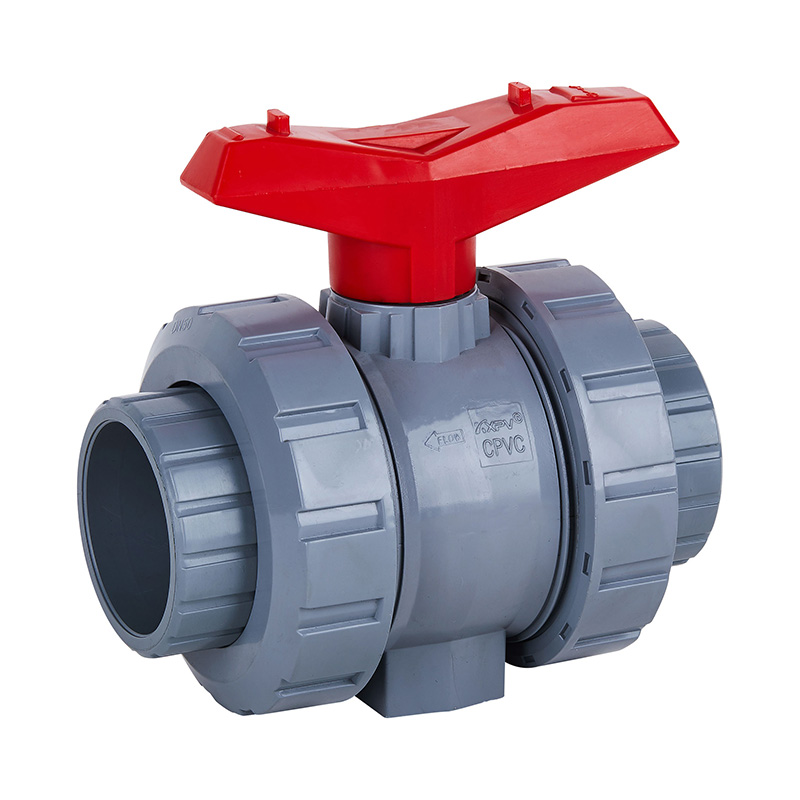
CPVC Plastic Pipe Fittings are generally the better choice for hot water systems because they can withstand significantly higher temperatures and offer greater long-term durability under thermal stress. Standard PVC Plastic Pipe Fittings are widely used in cold water distribution, drainage, and irrigation systems, but they are not designed for continuous hot water exposure.
CPVC fittings can typically handle temperatures up to 200°F (93°C), while PVC fittings are usually limited to around 140°F (60°C). In residential and commercial plumbing systems where hot water circulation is constant, CPVC provides better resistance to deformation, cracking, and pressure loss.
However, PVC Plastic Pipe Fittings remain more affordable and are still highly effective for non-heated water systems. Understanding the differences between these materials helps users choose the correct solution for performance, safety, and cost efficiency.
Understanding PVC and CPVC Materials
What Is PVC?
PVC stands for Polyvinyl Chloride, one of the most common materials used in plastic pipes and fittings worldwide. PVC is lightweight, affordable, corrosion-resistant, and easy to install. It is commonly used in irrigation systems, drainage applications, and cold-water supply systems.
What Is CPVC?
CPVC stands for Chlorinated Polyvinyl Chloride. It is produced by adding extra chlorine molecules to standard PVC material. This additional chlorination improves temperature resistance, chemical stability, and pressure performance under heated conditions.
Although both materials belong to the same polymer family, CPVC performs much better in hot water systems due to its enhanced molecular structure.
Temperature Resistance Comparison
Temperature resistance is the most important difference between PVC and CPVC Plastic Pipe Fittings in hot water applications.
| Property | PVC | CPVC |
|---|---|---|
| Maximum Operating Temperature | 140°F (60°C) | 200°F (93°C) |
| Suitable for Hot Water | Limited | Excellent |
| Thermal Expansion Resistance | Moderate | High |
Continuous exposure to hot water can soften standard PVC fittings over time, leading to deformation or leaks. CPVC fittings maintain structural stability even under prolonged high-temperature conditions.
Pressure Performance in Hot Water Systems
Water pressure ratings decrease as temperatures rise. This is another area where CPVC Plastic Pipe Fittings outperform PVC.
For example, a PVC pipe rated at 100 PSI at room temperature may experience a pressure reduction of nearly 50% at elevated temperatures. CPVC retains a higher percentage of its pressure-handling capability under the same conditions.
- PVC systems are more vulnerable to pressure drops when exposed to heat.
- CPVC maintains better mechanical strength in hot water circulation systems.
- CPVC reduces the risk of pipe joint failure in high-pressure environments.
In commercial buildings or industrial heating systems, CPVC is usually the preferred solution because of its superior thermal-pressure balance.
Durability and Service Life
Durability directly affects maintenance costs and long-term system reliability. CPVC fittings typically offer a longer operational lifespan in heated environments.
| Factor | PVC | CPVC |
|---|---|---|
| Resistance to Cracking | Moderate | High |
| Resistance to Thermal Stress | Low | High |
| Expected Service Life | 20–25 Years | 40–50 Years |
CPVC systems often last nearly twice as long as PVC systems in hot water applications. This longer service life can significantly reduce replacement and repair costs over time.
Installation Differences
Both PVC and CPVC Plastic Pipe Fittings are relatively easy to install compared with metal piping systems. However, there are some important differences.
Solvent Cement Requirements
PVC and CPVC use different solvent cements. CPVC cement is specifically formulated to handle higher temperatures and stronger chemical bonding.
Pipe Sizing and Compatibility
Many installers use common fitting sizes such as 3 4 pvc pipe fittings in residential plumbing systems. While PVC and CPVC may appear similar in size, they should not always be mixed without checking compatibility standards and manufacturer guidelines.
- PVC installation is usually slightly cheaper.
- CPVC requires more careful solvent handling.
- Both materials support fast installation compared with copper piping.
Cost Comparison
Cost is one of the primary reasons why some users still choose PVC over CPVC.
| Cost Category | PVC | CPVC |
|---|---|---|
| Material Cost | Lower | Higher |
| Installation Cost | Lower | Moderate |
| Long-Term Maintenance | Higher | Lower |
Although CPVC costs more initially, many building owners find that the reduced maintenance and longer service life justify the investment.
Chemical and Corrosion Resistance
Both PVC and CPVC Plastic Pipe Fittings provide excellent resistance to corrosion compared with metal systems. Unlike steel or iron pipes, these materials do not rust or scale internally.
CPVC offers improved resistance to chlorinated water and aggressive chemicals commonly found in industrial facilities. This makes CPVC more suitable for chemical processing plants, hospitals, and commercial water heating systems.
In modern plastic pipes and fittings systems, corrosion resistance is one of the key reasons users switch from traditional metal piping materials.
Best Applications for PVC and CPVC
Best Uses for PVC
- Cold water distribution
- Drainage systems
- Irrigation systems
- Swimming pool piping
Best Uses for CPVC
- Residential hot water plumbing
- Commercial heating systems
- Industrial chemical transport
- High-temperature water circulation
CPVC Plastic Pipe Fittings are the superior option for hot water systems because they provide higher temperature resistance, better pressure retention, longer service life, and improved reliability.
PVC fittings remain an excellent choice for cold water applications where budget considerations are more important than heat resistance. However, using standard PVC in continuous hot water systems can lead to premature wear and higher maintenance costs.
For homeowners, contractors, and industrial buyers selecting plastic pipes and fittings, understanding these differences ensures safer installations and more efficient long-term performance.

 Headquarters: No. 539 Bohai Road, Beilun District, Ningbo City, Zhejiang Province, P.R. China
 +86-18067123177