

 EN
EN English
 Español
 عربى
عربى русский
 中文简体
中文简体
Kaixin, a high-tech enterprise specialized in the R&D, production and sales of polymer pipeline valves.
Chemical Compatibility Determines the Safety and Lifespan of a Plastic Valve
Chemical compatibility is one of the most critical factors when selecting Plastic Valve because it directly determines whether the valve material can safely handle the fluid it controls. If the material of a Plastic Valve is not chemically compatible with the media flowing through it, the valve may degrade, swell, crack, or fail prematurely. This can result in leaks, system shutdowns, safety hazards, and increased maintenance costs.
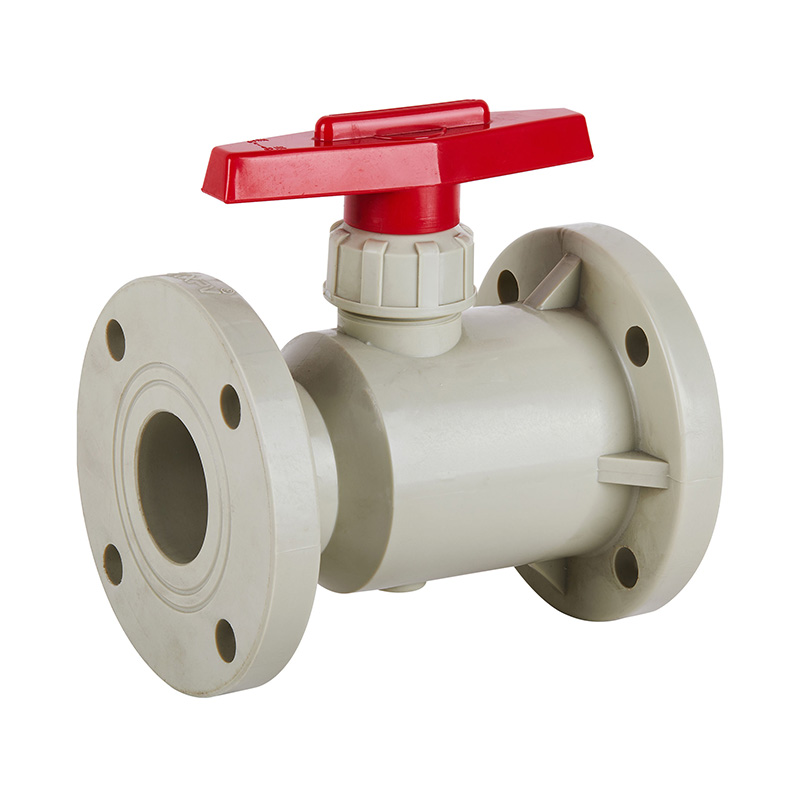
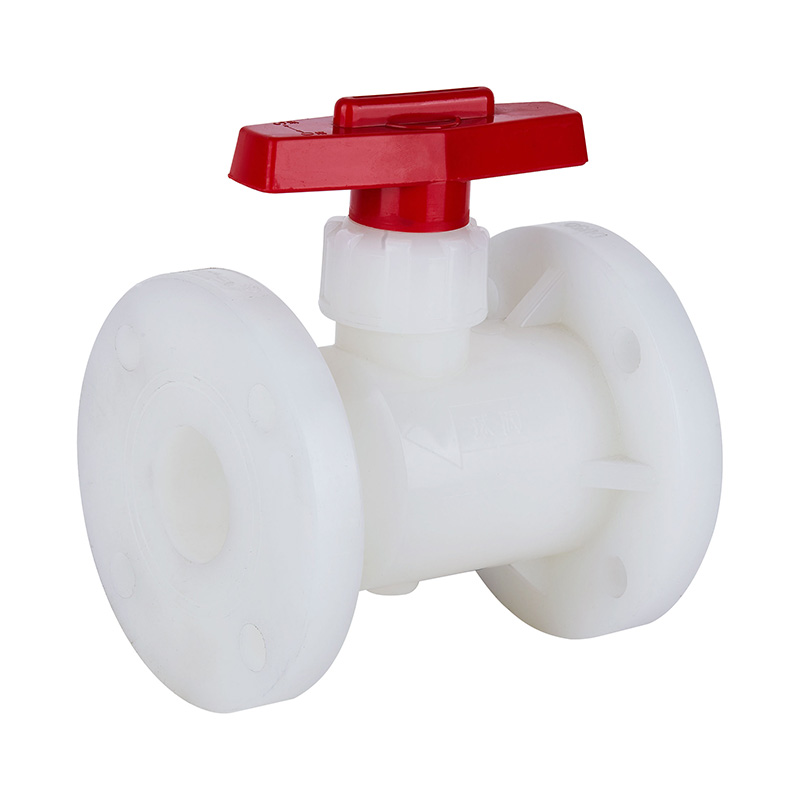
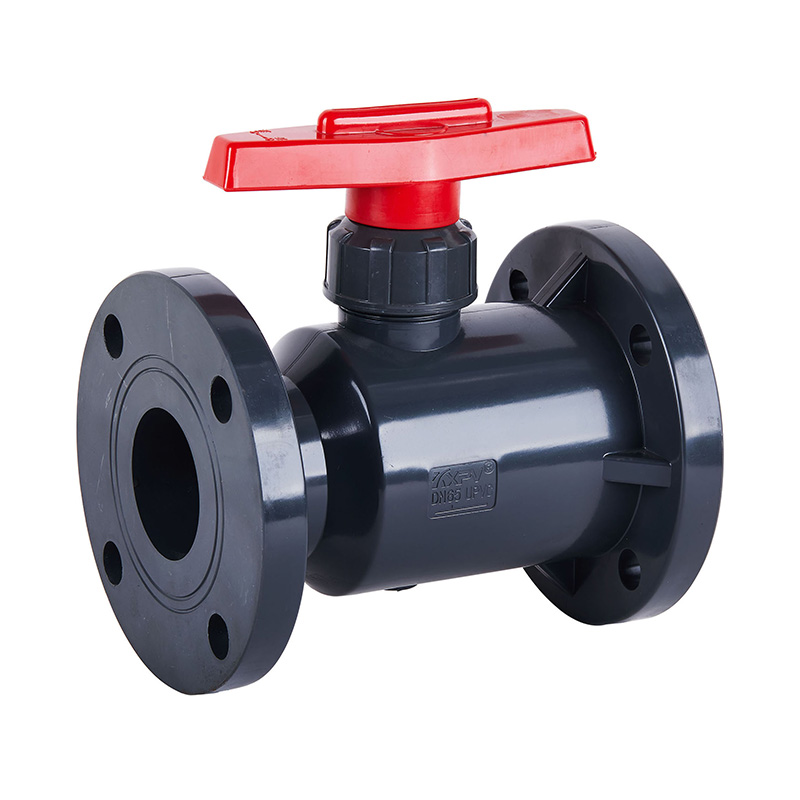
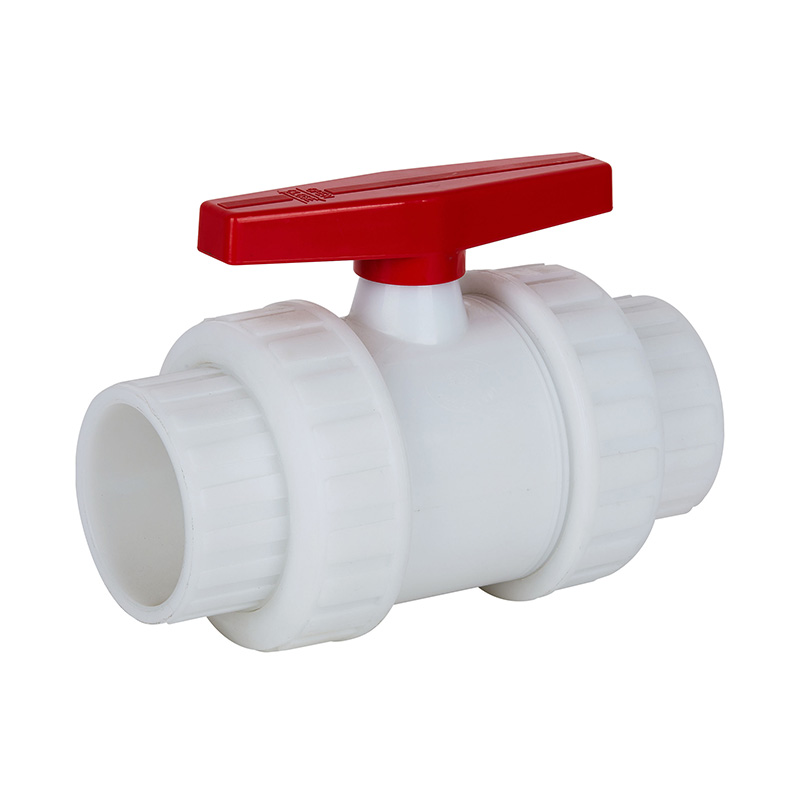
In industrial systems such as chemical processing, water treatment, pharmaceuticals, and agriculture, different chemicals interact with plastics in different ways. A properly selected Plastic Valve made from materials like PVC, CPVC, PP, or PVDF can resist corrosion and chemical attack for many years. In contrast, choosing the wrong material can reduce the service life of the valve from several years to only a few months.
Therefore, understanding chemical compatibility helps users ensure safe operation, maintain system efficiency, and reduce long-term operational costs.
Why Chemical Compatibility Matters in Plastic Valve Applications
Plastic valves are widely used because they offer excellent corrosion resistance and cost advantages compared to metal valves. However, different plastics react differently when exposed to chemicals such as acids, alkalis, solvents, and oxidizing agents.
Studies in industrial fluid systems show that nearly 30–40% of valve failures are related to improper material selection or chemical incompatibility. When chemical compatibility is ignored, the plastic material may experience several types of degradation.
- Material swelling caused by solvent absorption
- Stress cracking due to chemical attack
- Softening or loss of mechanical strength
- Surface erosion or corrosion
- Seal failure leading to leakage
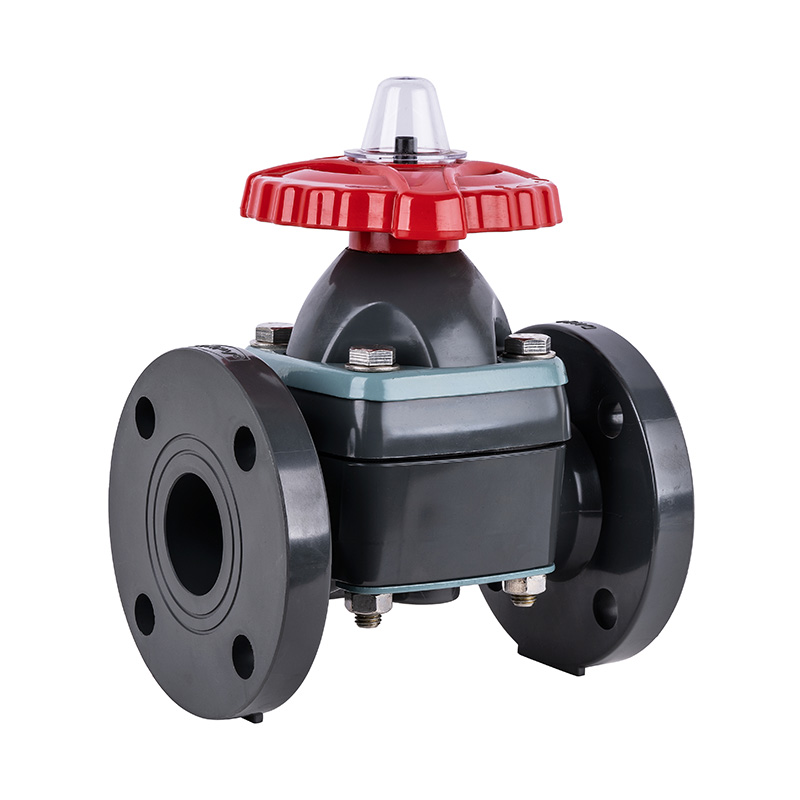
For example, a PVC Plastic Valve works well for dilute acids but may degrade quickly when exposed to certain organic solvents. On the other hand, PVDF valves perform well with aggressive chemicals such as concentrated acids or chlorine-based solutions.
Common Plastic Valve Materials and Their Chemical Resistance
Different plastic materials provide different levels of resistance to chemicals. Selecting the right material ensures the Plastic Valve performs reliably in its intended environment.
| Plastic Valve Material | Typical Chemical Resistance | Common Applications |
|---|---|---|
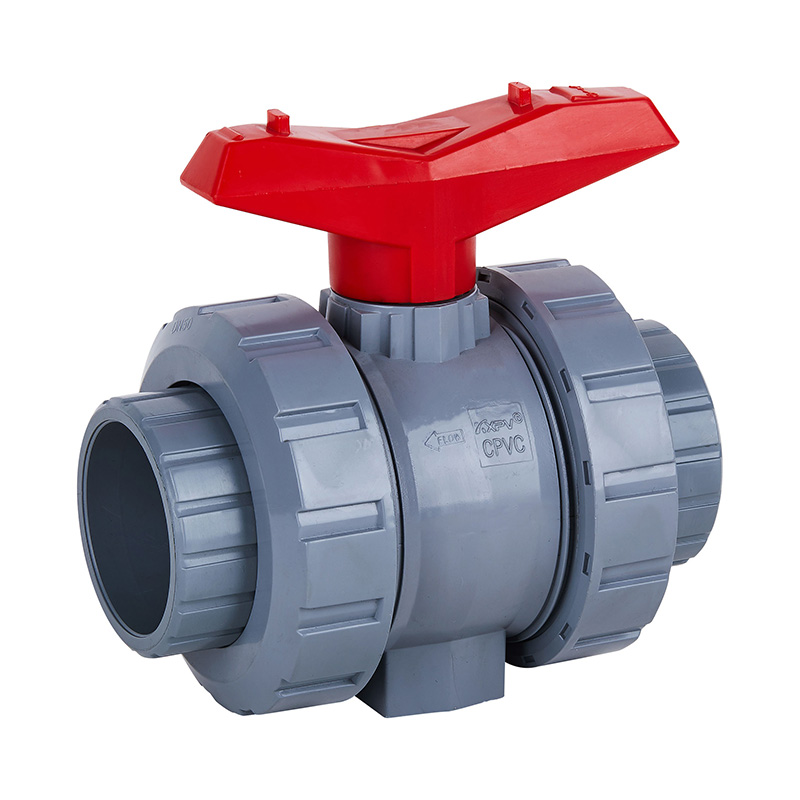
| PVC | Acids, salts, alkalis | Water treatment, irrigation |
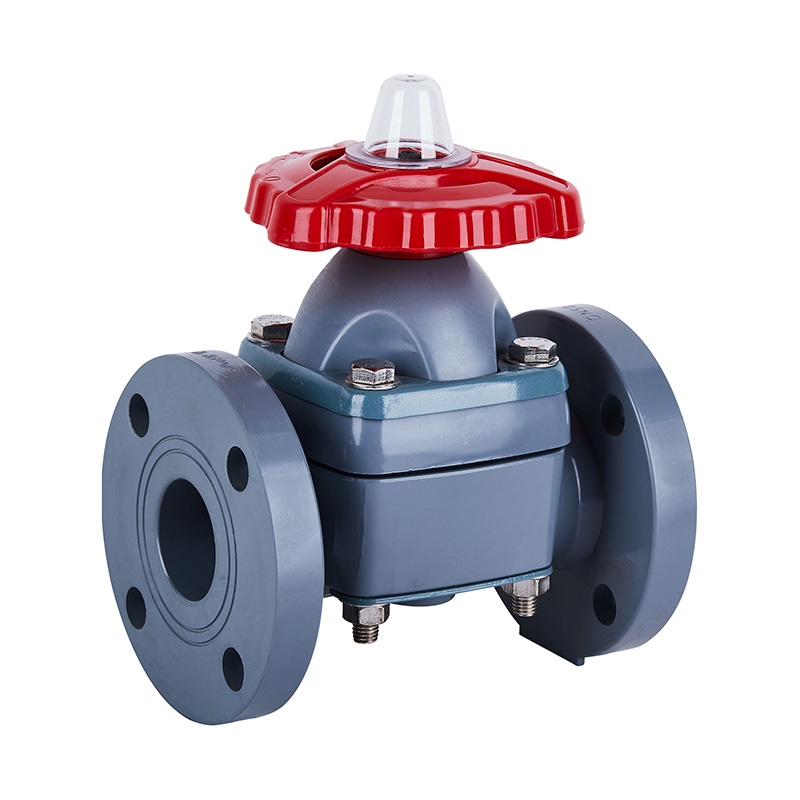
| CPVC | Hot corrosive fluids | Chemical processing |
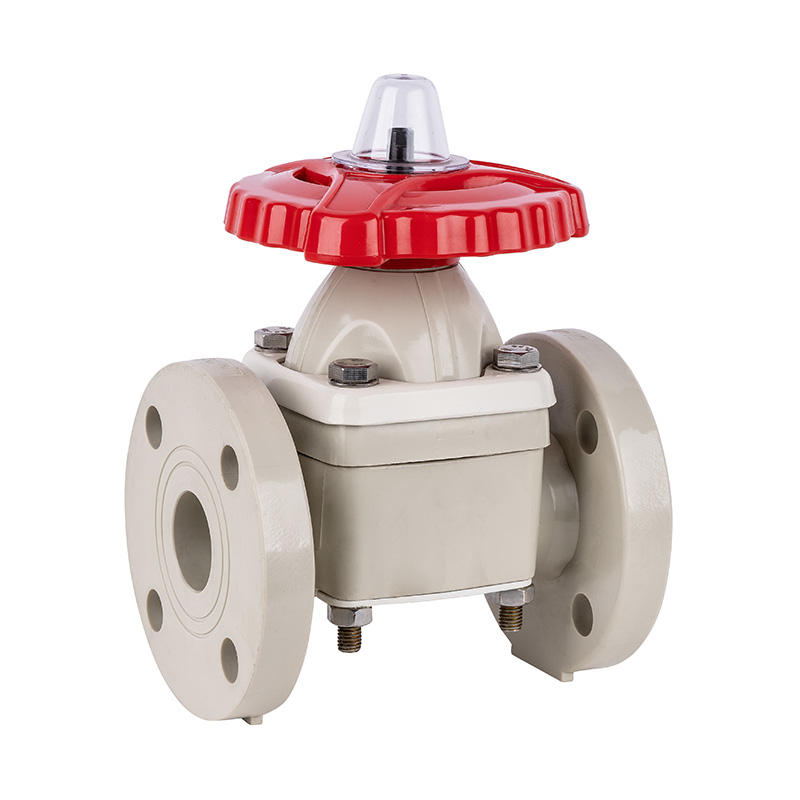
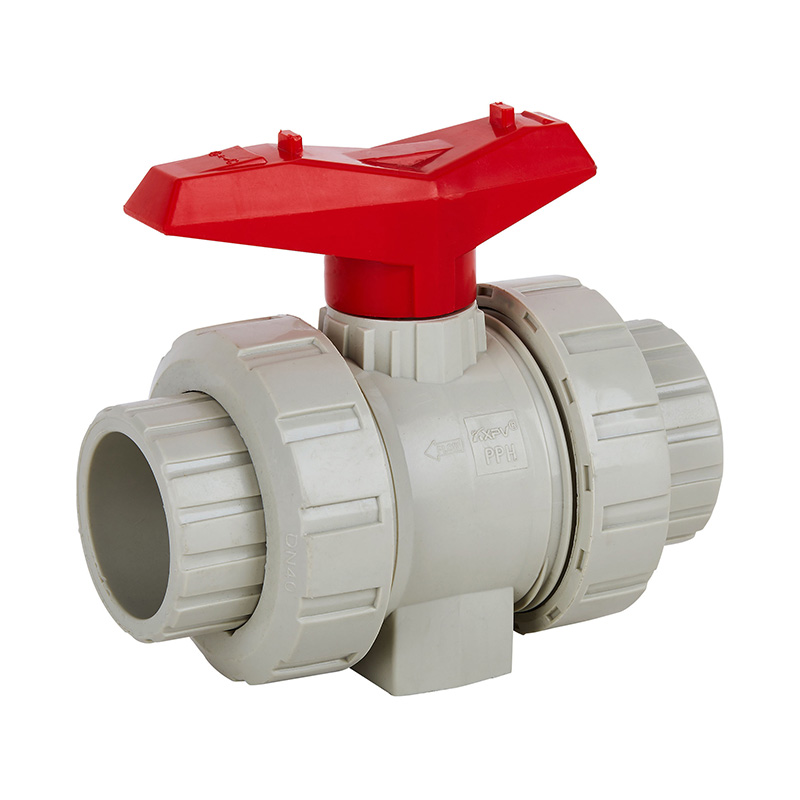
| PP | Alkalis and organic solvents | Industrial chemical transport |
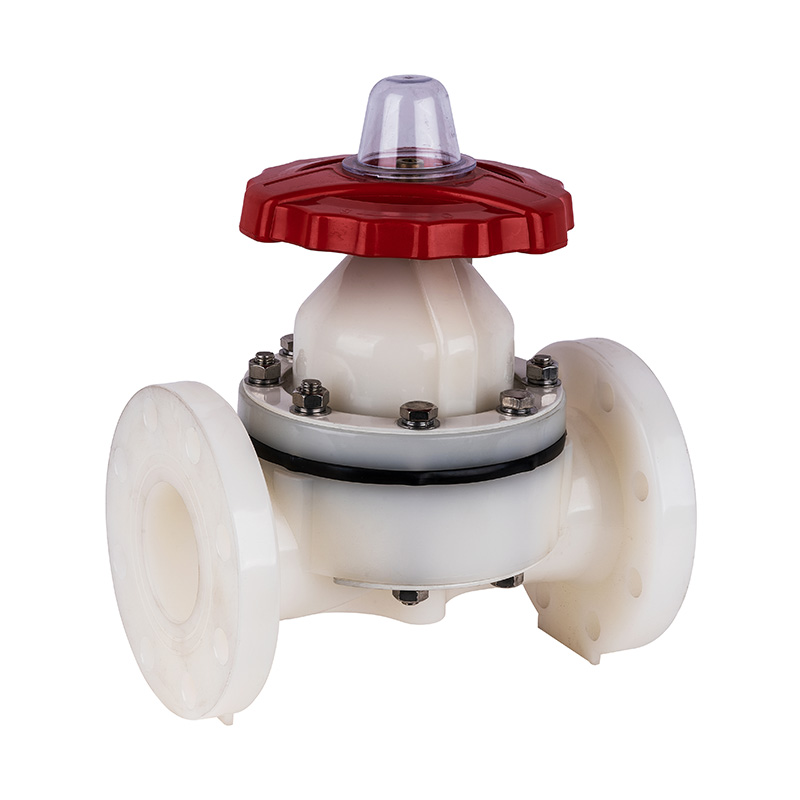
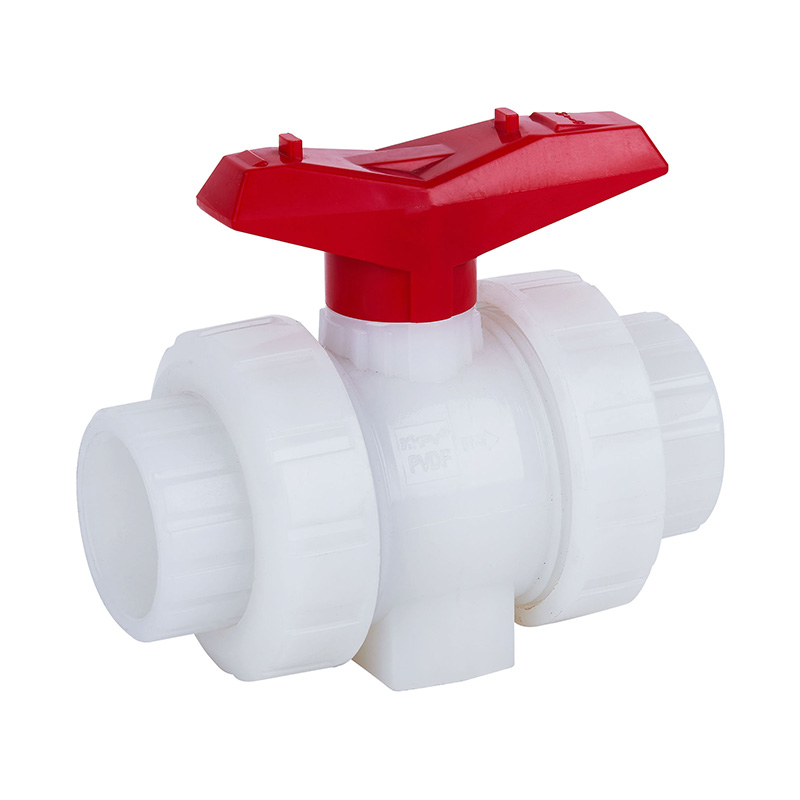
| PVDF | Strong acids and oxidizers | Semiconductor and pharmaceutical systems |
Choosing the correct material ensures that the Plastic Valve maintains its structural integrity and prevents contamination or leakage in the system.
How to Evaluate Chemical Compatibility Before Choosing a Plastic Valve
Before selecting a Plastic Valve, engineers and system designers typically evaluate chemical compatibility using several key methods. These steps help minimize operational risks and ensure long-term reliability.
Consult Chemical Resistance Charts
Manufacturers publish chemical compatibility charts showing how different plastics react to specific chemicals. These charts classify compatibility levels as excellent, good, fair, or not recommended.
Consider Temperature and Concentration
Chemical reactions often accelerate at higher temperatures. For example, PVC may tolerate a certain acid at 25°C but degrade quickly at 60°C. Both chemical concentration and operating temperature must be evaluated together.
Check Seal and O-Ring Materials
The compatibility of seals is just as important as the valve body. Common seal materials include EPDM, FKM (Viton), and PTFE. If seals fail due to chemical attack, the Plastic Valve may leak even if the body remains intact.
Real-World Examples of Chemical Compatibility in Plastic Valve Selection
Practical applications illustrate how chemical compatibility influences Plastic Valve selection across different industries.
- Water treatment plants: PVC Plastic Valves are commonly used because they resist chlorine and many disinfectants used in water systems.
- Chemical manufacturing: PVDF Plastic Valves are preferred for handling aggressive acids such as sulfuric acid or hydrochloric acid.
- Semiconductor production: Ultra-pure PVDF valves are selected because they resist corrosion and prevent contamination.
- Agricultural fertilizer systems: Polypropylene Plastic Valves are used because they handle alkaline fertilizers and agricultural chemicals effectively.
These examples demonstrate how the correct Plastic Valve material ensures operational reliability while reducing maintenance frequency and downtime.
Consequences of Ignoring Chemical Compatibility
Selecting a Plastic Valve without evaluating chemical compatibility can lead to significant operational and financial consequences.
- Premature valve failure and unexpected system shutdown
- Fluid leakage that may cause environmental or safety hazards
- Higher maintenance and replacement costs
- Potential contamination of processed fluids
- Reduced efficiency in fluid control systems
Industry reports show that replacing failed valves and repairing leaks can increase system maintenance costs by up to 25% annually in chemical processing facilities. Proper material selection helps avoid these unnecessary expenses.
Best Practices for Selecting a Chemically Compatible Plastic Valve
To ensure long-term reliability and safety, users should follow several best practices when selecting a Plastic Valve for chemically aggressive environments.
- Identify the exact chemical composition of the fluid
- Verify operating temperature and pressure conditions
- Review manufacturer chemical compatibility charts
- Ensure seals and gaskets are also chemically resistant
- Consult valve manufacturers or engineers for complex systems
Following these guidelines allows users to select the most appropriate Plastic Valve material, improving system performance while extending the valve's service life.
 Headquarters: No. 539 Bohai Road, Beilun District, Ningbo City, Zhejiang Province, P.R. China
 +86-18067123177