

 EN
EN English
 Español
 عربى
عربى русский
 中文简体
中文简体
Kaixin, a high-tech enterprise specialized in the R&D, production and sales of polymer pipeline valves.
UPVC pipe fittings can handle moderate water hammer and surge pressure events, but they have defined limits. When properly specified, installed, and supported with surge mitigation accessories, UPVC pipe fittings perform reliably in many high-flow systems. However, in systems where surge pressures routinely exceed the fitting's rated pressure class, additional engineering controls are essential to prevent joint failure, cracking, or delamination. Whether you are working with basic toilet plumbing tools on a residential repair or engineering a large-scale industrial pipeline, understanding how UPVC fittings respond to surge events is fundamental to long-term system reliability.
This article breaks down the mechanics of water hammer, how UPVC pipe fittings respond to surge events, what the data says about their pressure tolerance, and what practical steps engineers and installers can take to protect their pipelines.
What Is Water Hammer and Why Does It Matter for UPVC Pipe Fittings?
Water hammer is a pressure surge or wave that occurs when a fluid in motion is forced to change direction or stop suddenly. This typically happens when a valve is closed rapidly, a pump trips offline unexpectedly, or flow direction reverses in a pipeline. The result is a shockwave that travels through the system at speeds approaching the acoustic velocity of water — roughly 1,400 meters per second in rigid pipelines.
The instantaneous pressure spike generated by water hammer can be several times higher than the normal operating pressure. In a system running at 10 bar, a water hammer event can briefly produce surge pressures of 20 to 40 bar depending on flow velocity and valve closure time. For UPVC pipe fittings rated to a specific pressure class, this is a critical design consideration. A related phenomenon known as water pipe vibration often accompanies water hammer events — the shockwave causes the pipe wall and connected fittings to oscillate rapidly, which over time loosens joints, fatigues pipe supports, and accelerates wear at every connection point in the system.
Fittings — elbows, tees, reducers, end caps — are structurally more vulnerable than straight pipe runs because they represent points of directional change where surge forces are concentrated. This makes the selection of appropriately rated UPVC pipe fittings especially important in high-flow or high-velocity systems.
Pressure Ratings of UPVC Pipe Fittings and Their Surge Tolerance
UPVC pipe fittings are manufactured in standard pressure classes. Understanding these classes — and how they relate to surge pressure — is the foundation of safe system design.
| Pressure Class (PN) | Rated Working Pressure | Typical Surge Allowance | Common Applications |
|---|---|---|---|
| PN 6 | 6 bar | Up to 9 bar (×1.5) | Gravity drainage, low-pressure irrigation |
| PN 10 | 10 bar | Up to 15 bar (×1.5) | Municipal water supply, general plumbing |
| PN 16 | 16 bar | Up to 24 bar (×1.5) | Industrial pipelines, pump discharge lines |
| PN 20 | 20 bar | Up to 30 bar (×1.5) | High-pressure industrial and chemical systems |
Most standards, including ISO 4422 and BS EN 1452, allow UPVC pipe fittings to tolerate occasional surge pressures up to 1.5 times their rated working pressure. This surge allowance assumes infrequent, short-duration events. If water hammer occurs repeatedly or continuously, the cumulative fatigue on fittings — particularly at solvent-cemented joints and sharp-angle elbows — can lead to premature failure even within the rated allowance. The choice of plumbing pipe connectors at these critical junctions is equally important; low-grade or mismatched connectors are among the most common points of failure when surge pressures approach the upper tolerance boundary.
How UPVC Pipe Fittings Respond to Surge Pressure: Material Behavior
Unlike ductile iron or steel, UPVC is a rigid, relatively brittle thermoplastic under impact loading. Its response to water hammer differs from metallic pipework in several important ways:
- Lower acoustic velocity: The pressure wave in UPVC pipework travels at approximately 350 to 500 meters per second — significantly slower than in steel (around 1,200 m/s). This means the peak surge pressure generated in a UPVC system is inherently lower than in an equivalent metallic system under the same flow conditions, which is a natural advantage.
- Limited plastic deformation: UPVC pipe fittings do not deform plastically before failure. When surge pressure exceeds the material's tensile strength (typically 48 to 55 MPa for unplasticized PVC), cracking occurs suddenly rather than gradually, making monitoring more difficult.
- Joint vulnerability: Solvent-cemented joints in UPVC pipe fittings are strong under static pressure but can delaminate under repeated surge shock. The bond strength of a correctly made solvent joint is typically 80 to 90% of the parent material strength, but poor surface preparation reduces this significantly.
- Fitting geometry risk: 90-degree elbows and tee branches in UPVC pipe fittings are the most vulnerable points because surge pressure forces are redirected at these junctions, creating stress concentrations.
High-Flow Systems: Where UPVC Pipe Fittings Are Most at Risk
Not all high-flow systems present the same level of water hammer risk. The following system types are where UPVC pipe fittings require the most careful surge analysis:
Pump Discharge and Suction Lines
When a centrifugal pump trips unexpectedly, the column of water in the discharge line can reverse rapidly, generating severe negative and positive pressure transients. UPVC pipe fittings in pump discharge lines should be rated at PN 16 minimum and paired with non-return valves and pressure relief valves to absorb the transient energy.
Irrigation Systems with Automated Valve Banks
Agricultural and landscape irrigation systems that use solenoid valves closing simultaneously across multiple zones create compounded water hammer events. A system with a flow velocity of 3 m/s and a valve closure time of under 1.5 seconds can generate surge pressures well above the PN 10 rating of standard UPVC pipe fittings used in these networks.
Municipal Water Distribution Mains
In municipal networks, hydrant operations and rapid valve closures during maintenance can trigger surge events. UPVC pipe fittings used in distribution mains are typically PN 12.5 or PN 16, with pipe diameters from 63 mm to 315 mm. Surge analysis using software such as HAMMER or AFT Impulse should be conducted before specifying UPVC fittings in trunk mains carrying flows above 5 liters per second.
Rooftop Drainage and Rainwater Systems
Although often overlooked in surge discussions, rooftop drainage networks can experience significant pressure transients during heavy storm events when large volumes of water surge through downpipe connections simultaneously. Installers who need to know how to seal rain gutter joints should be aware that improper sealing at UPVC gutter-to-downpipe interfaces not only causes leakage but can also create partial blockages that amplify surge pressure within the vertical stack, transmitting unexpected loads to the fittings below.
Surge Mitigation Accessories Compatible with UPVC Pipe Fittings
The good news is that water hammer in systems using UPVC pipe fittings can be effectively controlled through a combination of engineering design and compatible accessories. The following solutions are widely used:
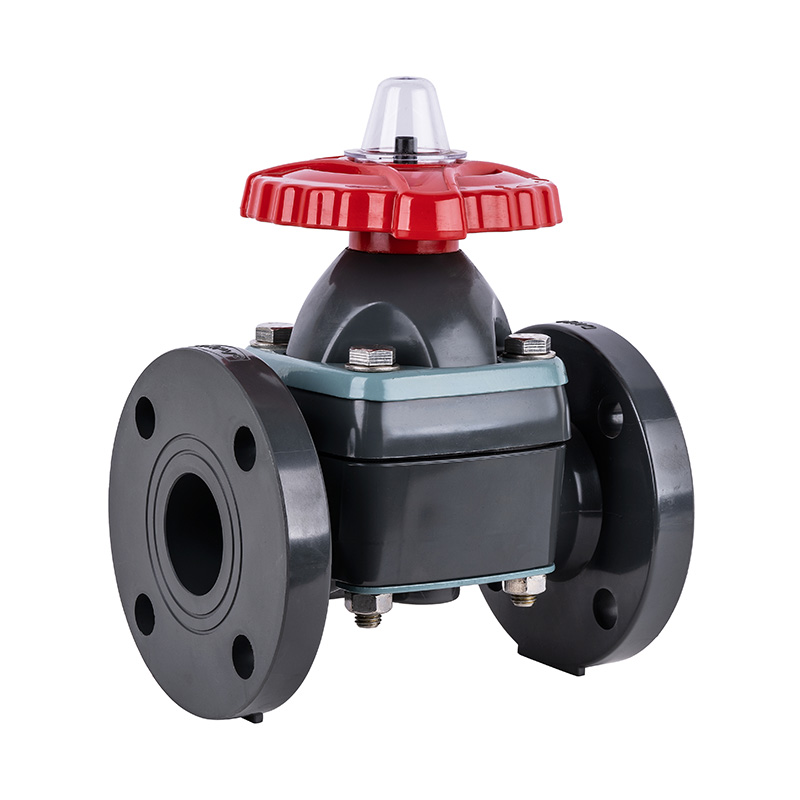
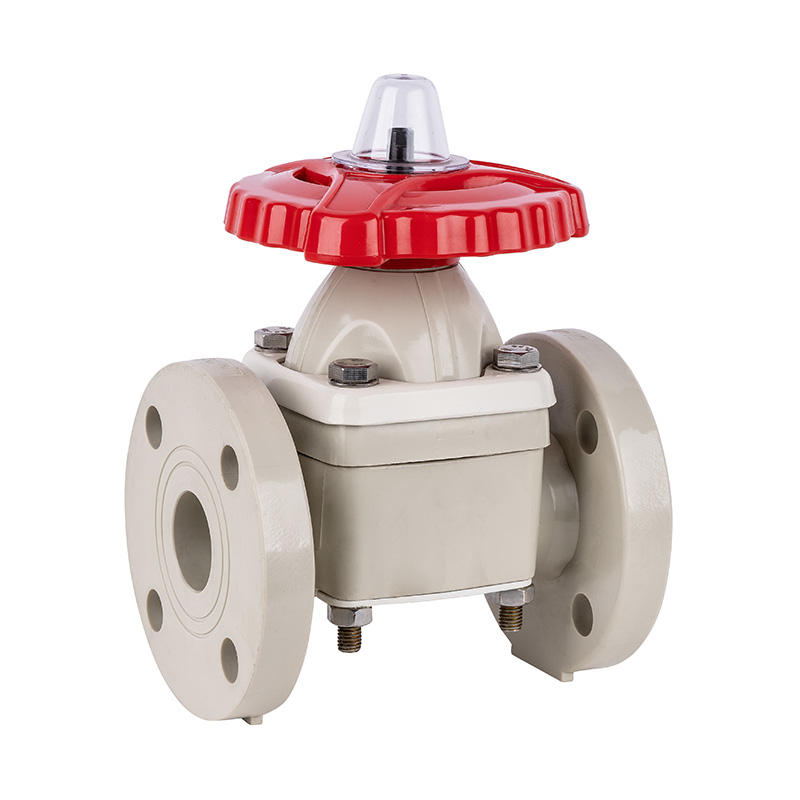
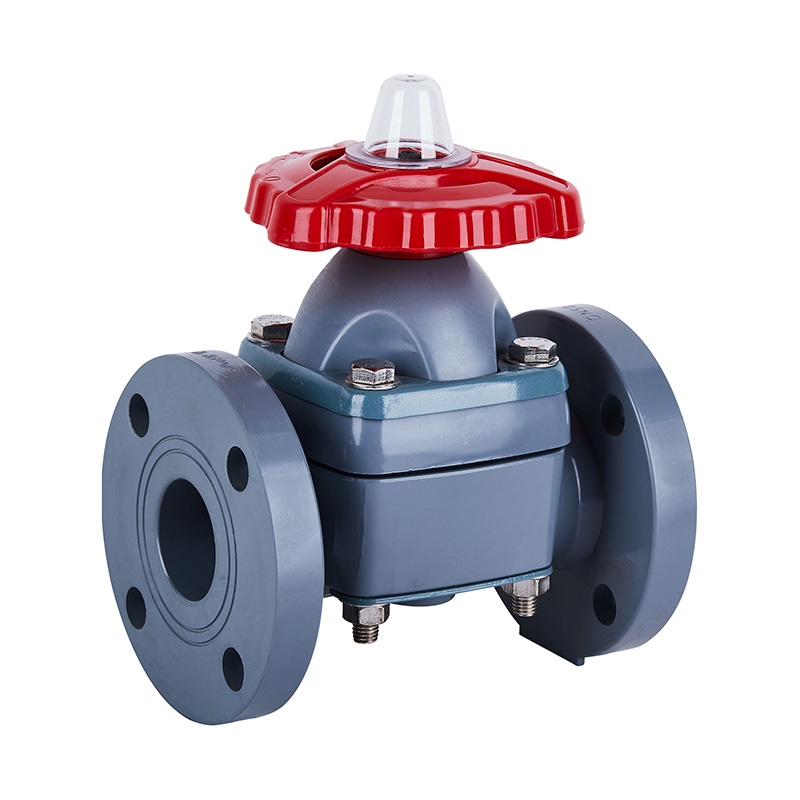
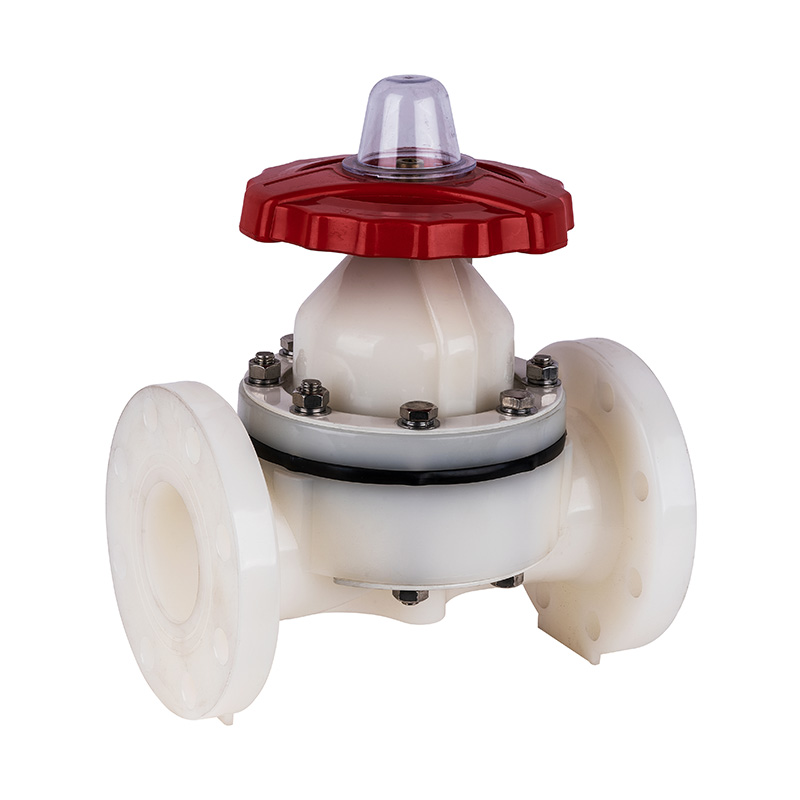
- Pressure relief valves (PRVs): Installed at high-risk points — pump outlets, valve stations — PRVs release excess pressure when surge events occur. For UPVC pipe fitting systems, diaphragm-type PRVs with UPVC or PVC bodies are available in sizes from DN 25 to DN 200.
- Air vessels and surge tanks: These act as hydraulic accumulators, absorbing the energy of a pressure wave before it reaches UPVC pipe fittings. Bladder-type air vessels are commonly installed on pump discharge headers. A correctly sized air sink — an air chamber installed at strategic high points in the pipeline — serves a complementary function by venting trapped air pockets that would otherwise compress under surge pressure and amplify the shockwave transmitted to downstream UPVC fittings.
- Slow-closing valves: Replacing fast-acting ball valves or gate valves with slow-closing butterfly or globe valves — designed for a minimum closure time of 10 to 30 seconds — dramatically reduces the surge pressure generated when flow is interrupted.
- Flexible couplings: At transitions between UPVC pipe fittings and rigid metallic systems, flexible rubber couplings absorb differential movement and dampen pressure transients, reducing the shock load on cemented joints.
- Flow velocity control: Designing pipeline systems to maintain flow velocities below 1.5 m/s in residential systems and 2.5 m/s in industrial systems is one of the simplest ways to limit water hammer severity in UPVC pipe fitting networks.
Installation Best Practices to Maximize Surge Resistance of UPVC Pipe Fittings
Even correctly specified UPVC pipe fittings can fail prematurely under water hammer if installation quality is poor. These practices are critical:
- Ensure full solvent cement cure time: Pressurizing the system before the solvent cement joint has fully cured is a leading cause of fitting blowouts. Allow a minimum of 24 hours at temperatures above 20°C before applying any hydraulic pressure.
- Use proper pipe supports and anchoring: UPVC pipe fittings must be anchored at all directional changes with thrust blocks or mechanical restraints. Unsupported elbows and tees can move violently during surge events, cracking the joint interface. This is particularly important in bathroom installations where fixtures such as bathtubs incorporate an overflow kit for bathtub drainage — the overflow assembly connects directly to UPVC waste fittings, and any surge-induced movement at that joint can compromise the overflow seal and lead to concealed water damage within the floor void.
- Conduct hydrostatic testing at 1.5× working pressure: Before commissioning, test the system at 150% of design working pressure for a minimum of one hour to confirm joint integrity under elevated load.
- Avoid sharp bends where possible: Use long-radius bends (22.5° or 45° fittings in series) rather than single 90° elbows wherever the layout allows, to distribute surge force over a greater pipe length.
- Inspect fittings for stress whitening post-surge: After any known water hammer event, inspect UPVC pipe fittings visually for stress whitening — a milky discoloration of the pipe wall — which indicates incipient cracking and requires immediate fitting replacement.
When UPVC Pipe Fittings Are Not the Right Choice for Surge-Prone Systems
There are scenarios where the surge risk is simply too high for UPVC pipe fittings to be the primary fitting material, regardless of mitigation measures. Consider alternative materials when:
- Operating pressures consistently exceed 16 bar with frequent transient events above 24 bar.
- The system operates at fluid temperatures above 45°C, which reduces the pressure rating of UPVC pipe fittings by up to 50%.
- Surge events are frequent and unavoidable due to operational requirements, such as in rapid-cycling pump stations.
- The pipeline carries fire suppression water where system failure has life-safety consequences.
In these cases, ductile iron, stainless steel, or HDPE pipe fittings — which offer greater impact toughness and ductility — are more appropriate. HDPE in particular, with its high flexibility and ability to absorb surge energy through pipe wall deformation, is increasingly preferred over UPVC for high-risk water hammer applications in municipal infrastructure.
UPVC pipe fittings are a reliable and cost-effective choice for the majority of water supply, irrigation, and industrial drainage applications where water hammer is a manageable risk rather than a dominant system characteristic. Their lower acoustic velocity compared to metallic pipework gives them a natural advantage in reducing peak surge pressures. With correct pressure class selection, quality installation, and the use of appropriate surge mitigation accessories, UPVC pipe fittings can safely handle water hammer events within their rated surge allowance of 1.5× working pressure.
The key is to treat water hammer not as an afterthought but as a primary design input. Whether you are specifying large-diameter distribution mains or selecting the right toilet plumbing tools for a domestic retrofit, surge awareness must inform every stage of the process — from material selection and fitting specification through to commissioning and post-installation inspection. When these steps are followed, UPVC pipe fittings deliver decades of dependable service even in demanding high-flow environments.

 Headquarters: No. 539 Bohai Road, Beilun District, Ningbo City, Zhejiang Province, P.R. China
 +86-18067123177