

 EN
EN English
 Español
 عربى
عربى русский
 中文简体
中文简体
Kaixin, a high-tech enterprise specialized in the R&D, production and sales of polymer pipeline valves.
Thermal expansion and contraction directly cause mechanical stress, joint fatigue, leakage, and premature failure in pipe fittings over time. When a piping system repeatedly heats up and cools down, every fitting in the system absorbs dimensional changes that accumulate into long-term structural damage — especially at connection points, bends, and transitions. Understanding this phenomenon is not optional for engineers and procurement professionals; it is a fundamental requirement for safe and durable system design.
Most metals expand at predictable rates. Carbon steel, one of the most common materials for pipe fittings, expands at approximately 12 × 10⁻⁶ m/(m·°C). This means a 10-meter carbon steel pipe exposed to a 100°C temperature rise will elongate by roughly 12 mm. Over thousands of thermal cycles in an industrial plant, that movement — if unmanaged — will crack welds, loosen threaded connections, and deform socket-weld fittings.
The Physics Behind Thermal Movement in Pipe Fittings
Every material has a coefficient of thermal expansion (CTE), which defines how much it expands per unit length per degree of temperature change. When pipe fittings are made from a different material than the adjoining pipe — for example, a brass fitting on a copper pipe — differential thermal expansion occurs. The two materials expand and contract at different rates, creating shear stress at the joint interface.
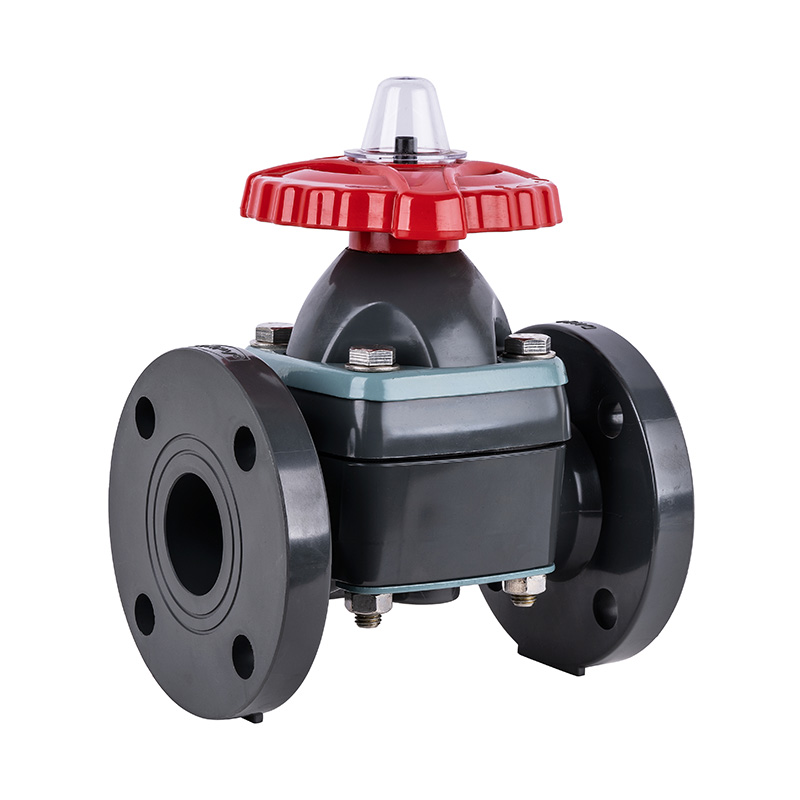
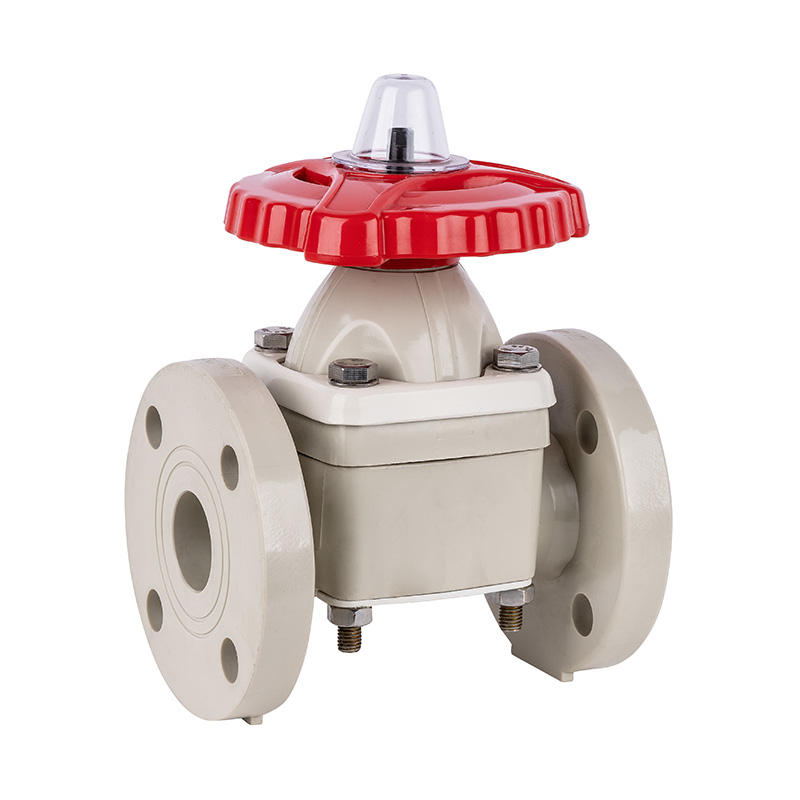
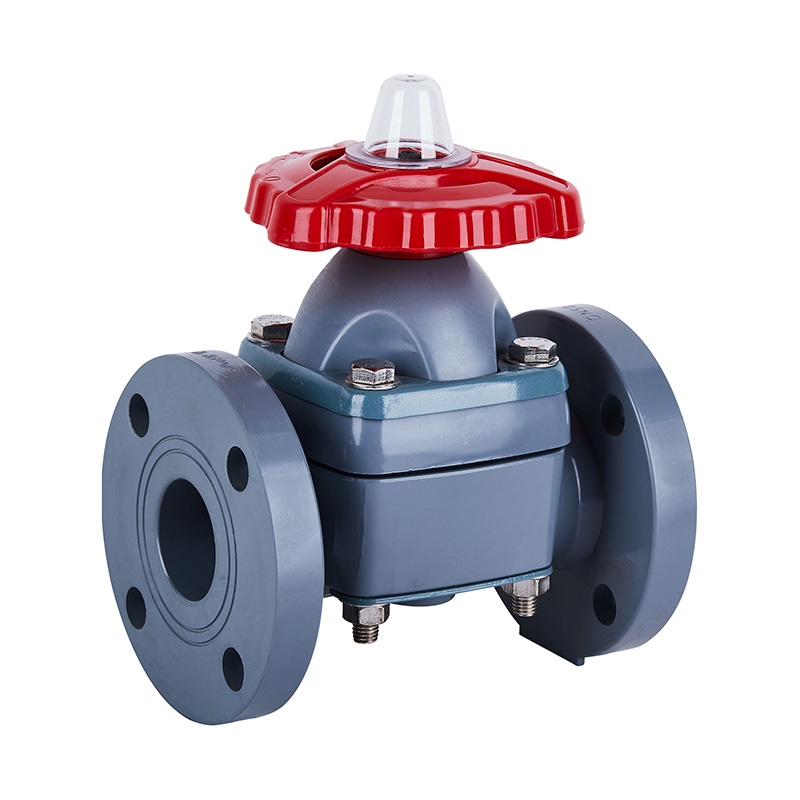
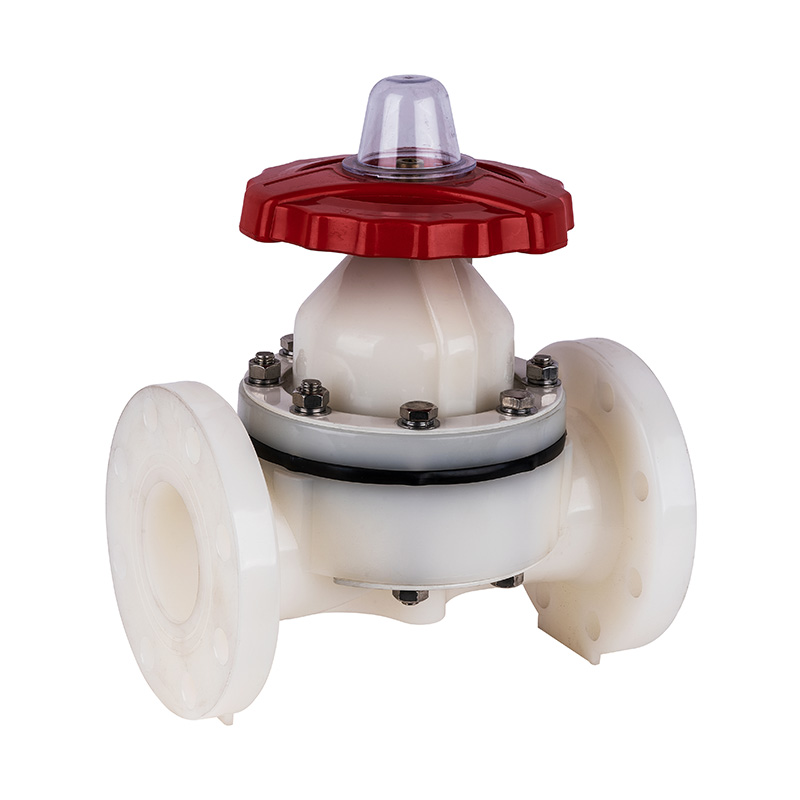
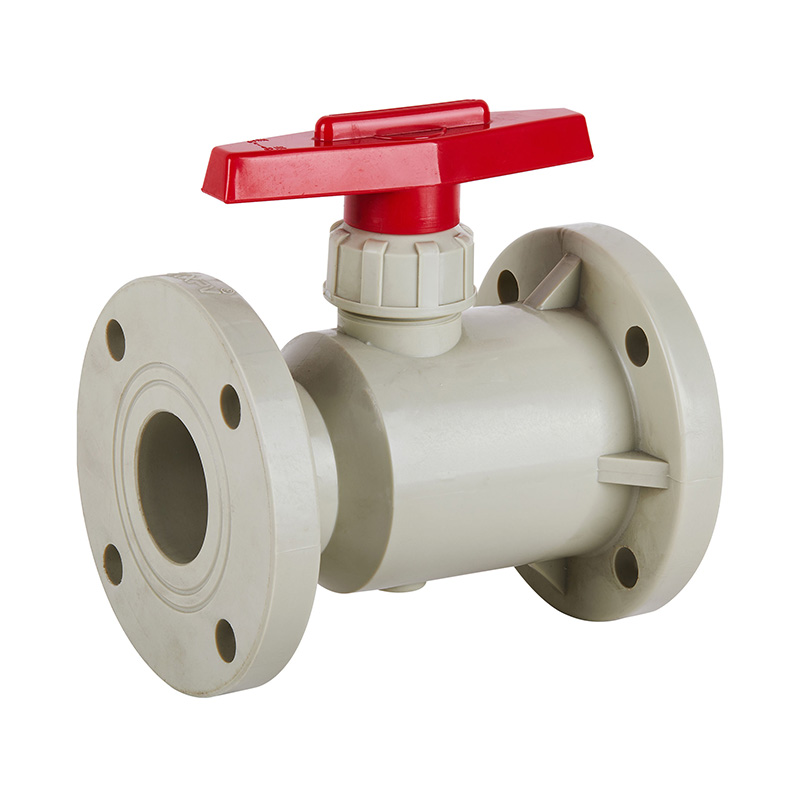
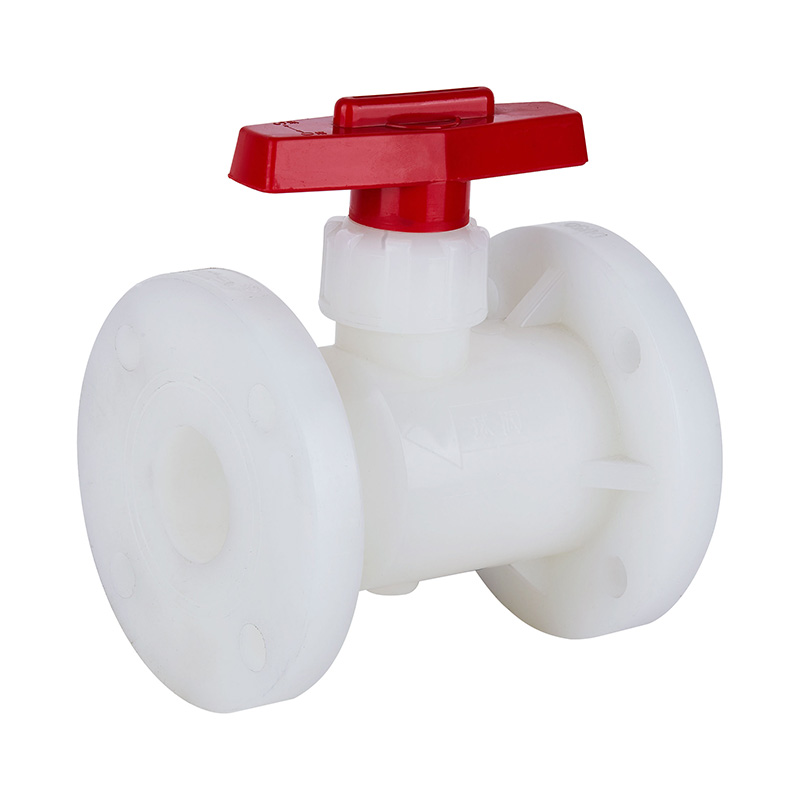
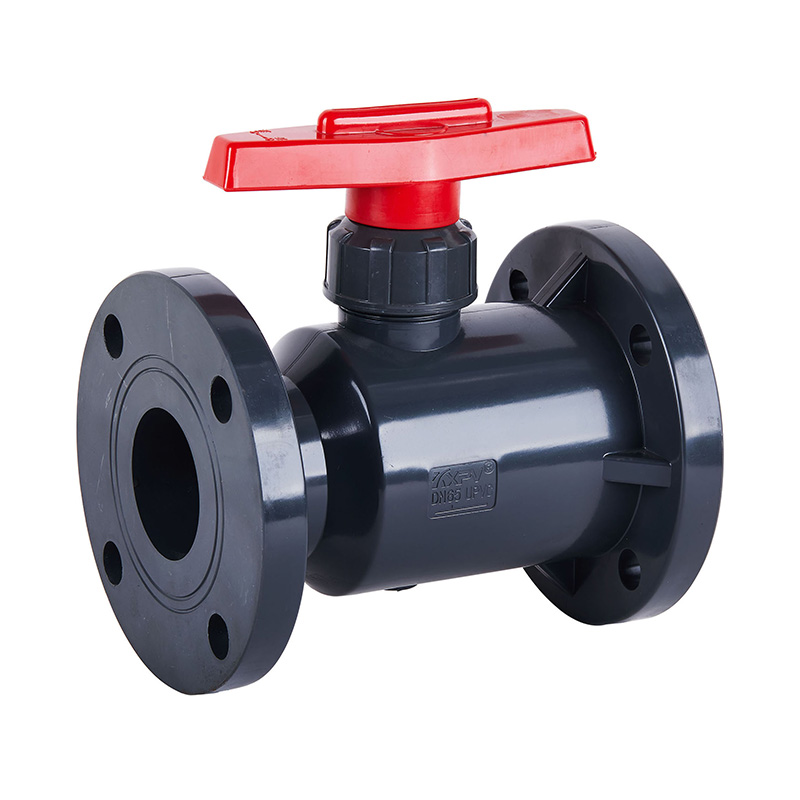
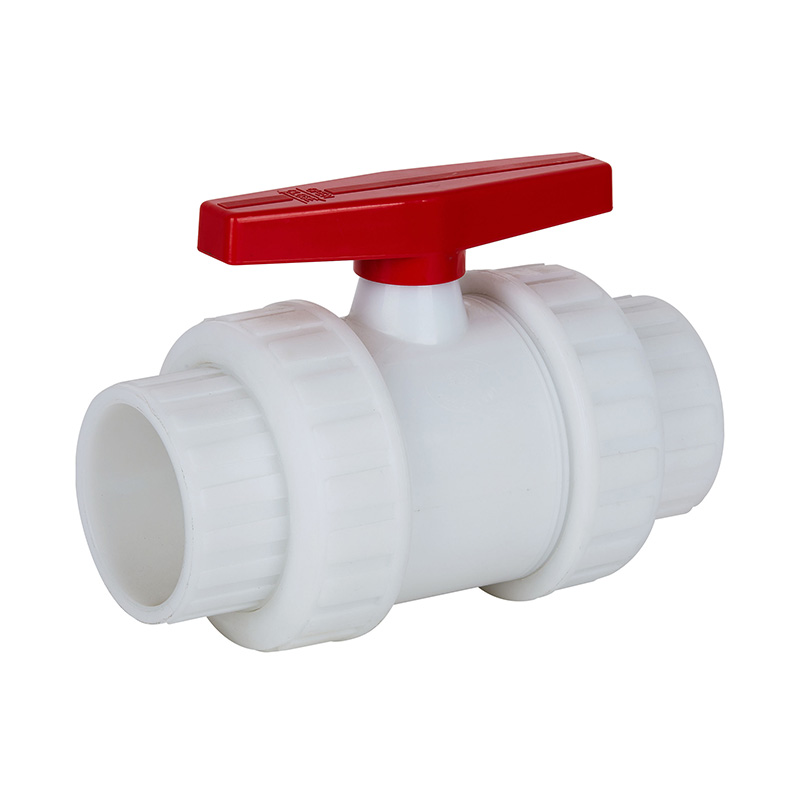
This is particularly critical in mixed-material systems common in industrial and commercial plumbing. The same principle applies to any pipe valve installed within these systems — a pipe valve made from a different alloy than the surrounding pipe fittings will expand at its own rate, generating stress at both the inlet and outlet connections. Below are the CTE values for common pipe fitting materials:
| Material | CTE (× 10⁻⁶ m/m·°C) | Common Fitting Applications |
|---|---|---|
| Carbon Steel | 11–12 | Oil & gas, steam lines |
| Stainless Steel (304/316) | 16–17 | Chemical, food-grade, pharma |
| Copper | 17 | HVAC, plumbing |
| PVC | 54 | Cold water, drainage |
| CPVC | 63 | Hot water distribution |
| Brass | 19–21 | General plumbing, valves |
Note that PVC and CPVC plastic pipe fittings expand at nearly five times the rate of carbon steel. This has major implications for plastic pipe fittings installed in systems with fluctuating temperatures, making expansion loops and flexible connectors essential rather than optional.
How Repeated Thermal Cycles Degrade Pipe Fittings Over Time
A single thermal event rarely causes visible damage to pipe fittings. The danger lies in thermal fatigue — the cumulative degradation caused by thousands of expansion and contraction cycles over the service life of a system. Each cycle introduces micro-stresses at the fitting's most vulnerable points: the threads, welds, gasket seats, and transition zones between different wall thicknesses.
Threaded Pipe Fittings
Threaded pipe fittings are among the most susceptible to thermal fatigue. As the pipe expands and contracts, the thread engagement loosens incrementally. In steam systems cycling between ambient temperature and 180°C, NPT-threaded fittings have been documented to develop leaks within 2–5 years without proper thread sealant maintenance or re-torquing schedules.
Socket-Weld Pipe Fittings
Socket-weld pipe fittings trap a small gap between the pipe end and the socket bottom — typically 1.6 mm (1/16 inch) per ASME B16.11 guidelines. This gap is intentional to allow for thermal expansion. If the pipe is bottomed out during assembly, the fillet weld experiences extreme tensile stress during heating, often leading to weld cracking in high-cycle environments such as power generation or chemical processing plants.
Butt-Weld Pipe Fittings
Butt-weld pipe fittings generally offer the highest resistance to thermal fatigue because the weld forms a continuous, full-penetration joint. However, they are not immune. In systems where pipe fittings are rigidly anchored without adequate expansion joints, the stress is transferred directly into the weld heat-affected zone (HAZ), which is metallurgically weaker than the base material. Stress corrosion cracking in the HAZ is a documented failure mode in stainless steel butt-weld fittings used in chloride-containing environments.
Real-World Failure Examples Caused by Thermal Movement
Thermal expansion failures in pipe fittings are well-documented across multiple industries. Understanding specific failure scenarios helps engineers and buyers make better procurement and design decisions.
- District heating networks: In European district heating systems operating at 90–120°C, improperly anchored elbow pipe fittings have caused pipeline buckling, requiring full section replacements at costs exceeding €50,000 per incident.
- Pharmaceutical clean steam systems: Stainless steel 316L pipe fittings in clean steam lines cycling between sterilization temperature (134°C) and ambient showed crevice corrosion and micro-cracking at tee junctions within 7 years of service.
- Plastic irrigation systems: Plastic pipe fittings installed in outdoor irrigation systems in desert climates — where temperature swings exceed 50°C between night and day — exhibited fitting splits at coupling ends within 18–24 months. In several of these installations, a co-located plastic pipe valve at the zone inlet also failed at the bonnet seal, confirming that both plastic pipe fittings and the plastic pipe valve are equally vulnerable when thermal movement is unaccommodated.
- Refinery process lines: Carbon steel reducing pipe fittings at temperature transition points — where hot process fluid meets cooler sections — developed stress concentration cracks at the shoulder of the reducer within 10 years of operation.
Key Factors That Determine How Much Thermal Stress Pipe Fittings Must Absorb
Not all pipe fittings experience the same level of thermal stress. The severity depends on several interacting variables that must be evaluated during system design. These variables apply equally to metallic and plastic pipe fittings, and must also be considered for every pipe valve positioned within the system, since a pipe valve introduces additional rigidity and mass that can act as a stress concentration point:
- Temperature differential (ΔT): The greater the swing between operating and ambient temperature, the larger the dimensional change and the higher the stress on pipe fittings.
- Pipe length between fixed anchor points: Longer unrestrained pipe runs amplify the absolute expansion distance that fittings must accommodate.
- Cycle frequency: A system that heats and cools daily accumulates fatigue damage far faster than one that operates at steady state for months.
- Fitting geometry: Elbows, tees, and reducers act as stress concentrators. Long-radius elbow pipe fittings (R = 1.5D) distribute bending stress more evenly than short-radius elbows (R = 1.0D), reducing fatigue risk.
- Material modulus of elasticity: Stiffer materials (e.g., carbon steel at ~200 GPa) generate higher stress for the same strain compared to more flexible materials like copper (~117 GPa).
- Insulation status: Uninsulated pipe fittings experience steeper temperature gradients along their body, introducing through-wall thermal stresses in addition to axial expansion forces.
Engineering Solutions to Protect Pipe Fittings from Thermal Damage
Managing thermal expansion is fundamentally a system-level engineering task, but the selection of the right pipe fittings plays an equally important role. The following strategies are used in professional piping engineering to extend the service life of pipe fittings:
Expansion Loops and Offsets
Expansion loops use the natural flexibility of elbow pipe fittings to absorb axial pipe growth. A standard U-shaped loop with four 90° elbows can absorb 50–150 mm of thermal growth depending on loop dimensions and pipe material, without imposing excessive force on anchors or adjacent fittings.
Expansion Joints and Flexible Connectors
Where space does not permit expansion loops, bellows-type expansion joints or rubber flexible connectors are installed adjacent to pipe fittings. These components absorb movement axially, laterally, and angularly, reducing the mechanical load transmitted to nearby elbows, tees, and couplings. When a pipe valve is positioned close to a fixed anchor, installing a flexible connector between the pipe valve and the nearest elbow or tee fitting is strongly recommended to isolate the valve body from bending moments caused by thermal movement.
Correct Pipe Support and Guided Anchoring
Pipe supports should guide thermal movement in the intended direction rather than restraining it completely. Fixed anchors should be located strategically so that pipe fittings are not positioned at points of maximum stress. Guide supports, typically placed 4–6 pipe diameters away from expansion joints, ensure controlled directional movement without lateral buckling.
Material Selection for High-Cycle Applications
For systems with frequent thermal cycling, specify pipe fittings manufactured from materials with proven fatigue resistance. ASTM A182 F316L stainless steel pipe fittings offer superior fatigue strength in corrosive high-temperature environments compared to standard 304 grades. For cryogenic-to-ambient cycling, duplex stainless steel fittings offer excellent toughness and reduced thermal expansion compared to austenitic grades. Where plastic pipe fittings are unavoidable in moderate-temperature applications, CPVC is preferred over standard PVC due to its higher heat deflection temperature and lower CTE sensitivity at elevated service conditions.
Inspection and Maintenance Practices for Thermally Stressed Pipe Fittings
Even well-designed systems require periodic inspection of pipe fittings to detect early-stage thermal fatigue damage before it leads to failure. A practical inspection program should include:
- Visual inspection of all elbow, tee, and reducer pipe fittings for signs of surface cracking, weld discoloration, or fitting misalignment after the first 1,000 operating hours.
- Liquid penetrant testing (LPT) or magnetic particle testing (MPT) on socket-weld and butt-weld pipe fittings in high-cycle steam or process systems every 3–5 years.
- Ultrasonic thickness measurement at the intrados (inner radius) of elbow pipe fittings, where erosion and fatigue cracking tend to initiate due to combined flow turbulence and thermal stress.
- Re-torquing of threaded pipe fittings in systems that undergo seasonal temperature changes, particularly outdoor installations or those without thermal insulation.
- Pipe valve inspection at stem seals and packing glands, since a pipe valve subjected to repeated thermal cycling will often show packing leakage before the adjacent pipe fittings show any visible damage — making the pipe valve a useful early-warning indicator in routine maintenance rounds.
- Thermal imaging surveys during operation to identify hot spots or cold spots at pipe fittings that may indicate localized stress, blockage, or insulation failure.
Selecting Pipe Fittings Specifically for Thermally Demanding Systems
When procuring pipe fittings for systems with significant temperature variation, the following selection criteria should be explicitly included in your technical specification:
- Specify pipe fittings manufactured to ASME B16.9 (butt-weld) or ASME B16.11 (socket-weld and threaded) with verified dimensional tolerances to ensure proper gap and fit during assembly.
- Request material test reports confirming the CTE value and yield strength at the maximum operating temperature, not just at ambient conditions.
- Prefer long-radius elbow pipe fittings (1.5D) over short-radius (1.0D) in all high-cycle thermal applications to reduce stress concentration factors.
- For plastic pipe fittings (PVC, CPVC, HDPE), require compliance with ASTM D2466, D2467, or equivalent standards, and confirm the fitting's rated temperature-pressure derating curve accounts for your maximum operating temperature. Always verify that any plastic pipe valve specified alongside these plastic pipe fittings carries the same temperature rating — mismatched ratings between the plastic pipe valve and the plastic pipe fittings are a common source of premature system failure.
- In mixed-metal systems, use pipe fittings with transition unions or dielectric unions to accommodate differential expansion and prevent galvanic corrosion simultaneously.
Thermal expansion and contraction are unavoidable physical realities in any piping system. The long-term performance of pipe fittings depends not just on material quality, but on how intelligently the system accommodates movement. Engineers who account for thermal behavior at the design stage — and buyers who specify fittings with the correct material grade, geometry, and connection type — will see dramatically longer service intervals, fewer unplanned shutdowns, and lower total lifecycle costs.
 Headquarters: No. 539 Bohai Road, Beilun District, Ningbo City, Zhejiang Province, P.R. China
 +86-18067123177