

 EN
EN English
 Español
 عربى
عربى русский
 中文简体
中文简体
Kaixin, a high-tech enterprise specialized in the R&D, production and sales of polymer pipeline valves.
Various functions of the valve
01 Cut-off and open medium
02Control flow
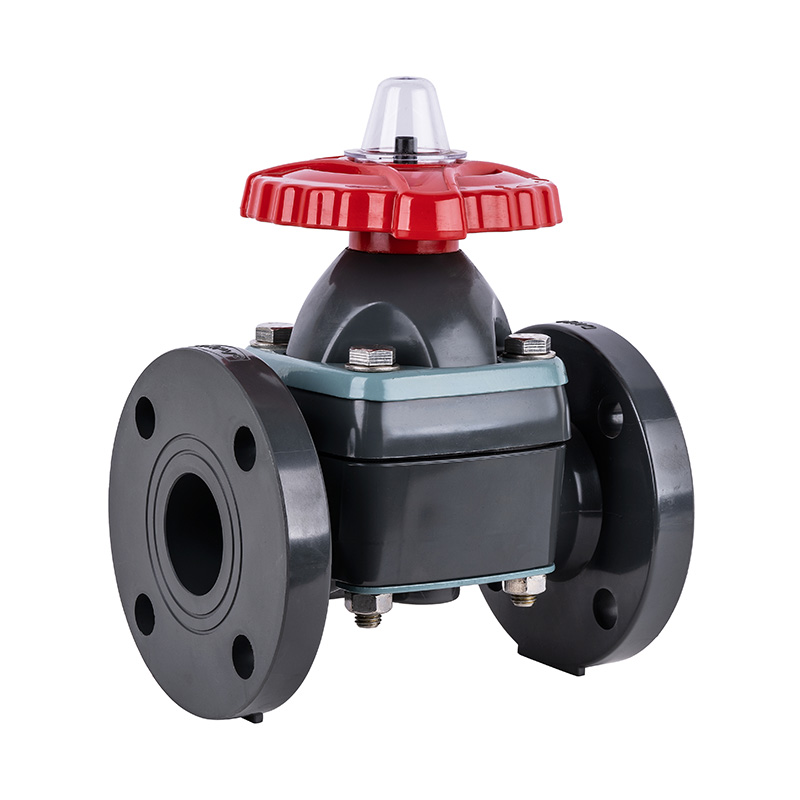
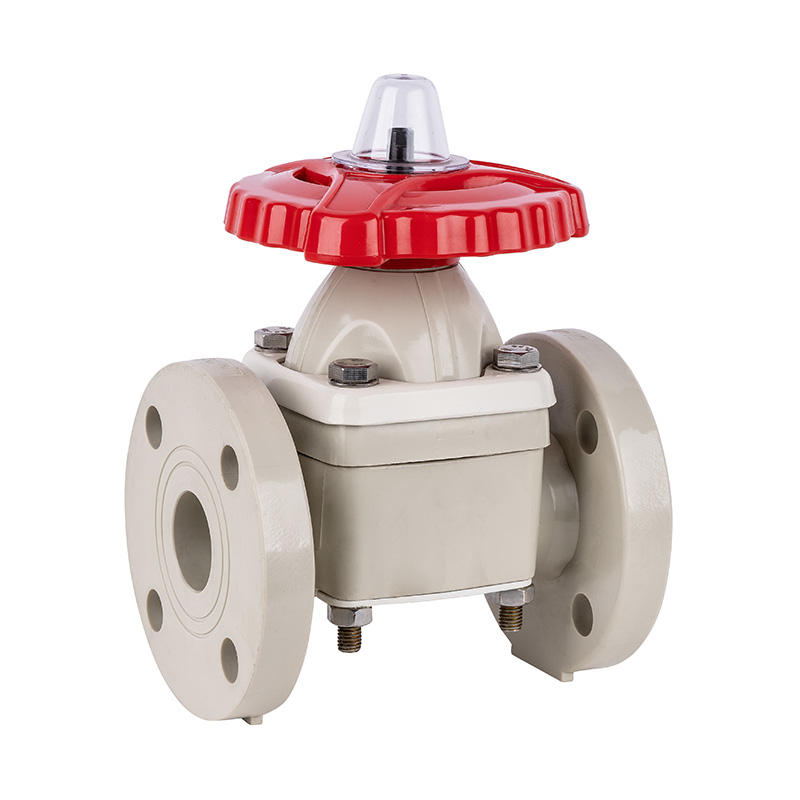
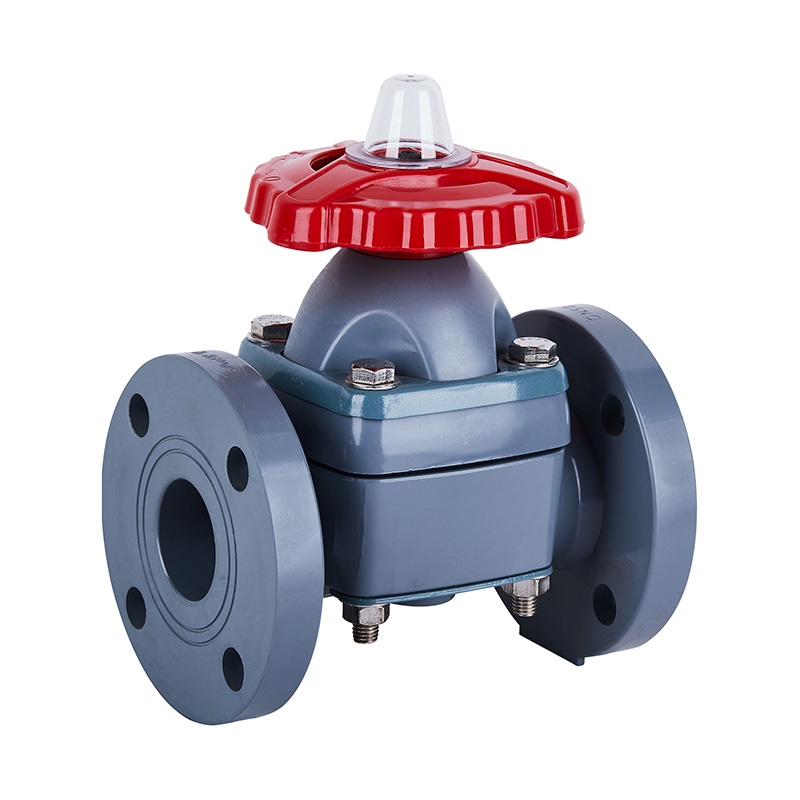
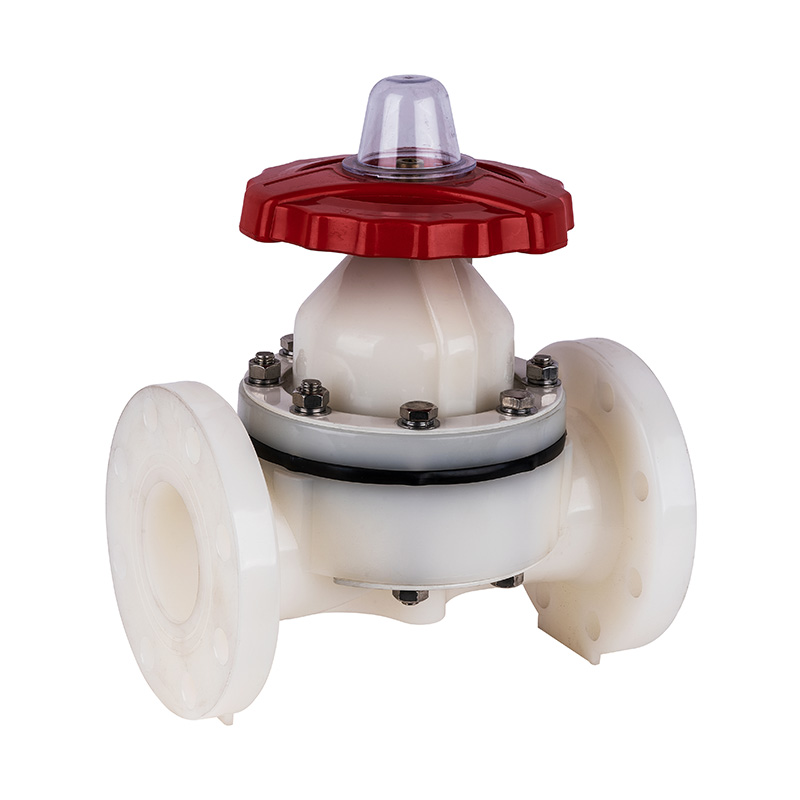
Usually choose the valve that is easy to adjust the flow as the control flow. Downward closing valves (such as globe valves) are suitable for this purpose because of the proportional relationship between the size of its seat and the stroke of the closing member. Rotary valves (plug valves, butterfly valves, ball valves) and flex-body valves (pinch valves, diaphragm valves) can also be used for throttling control, but they are usually only applicable within a limited range of valve diameters. The gate valve uses a disc-shaped gate to cross-cut the circular valve seat opening. It can only control the flow better when it is close to the closed position, so it is usually not used for flow control.
03 Commutation shunt
However, in some cases, other types of valves can also be used for reversing and shunting as long as two or more valves are properly connected to each other.
04Through a medium with suspended particles
01 gate valve
Also known as gate valve, it is a valve that uses a gate to control the opening and closing, and adjusts the flow of the pipeline and opens and closes the pipeline by changing the cross section. Gate valves are mostly used for pipelines that fully open or fully close the fluid medium. Gate valve installation generally has no directional requirements, but it cannot be inverted.
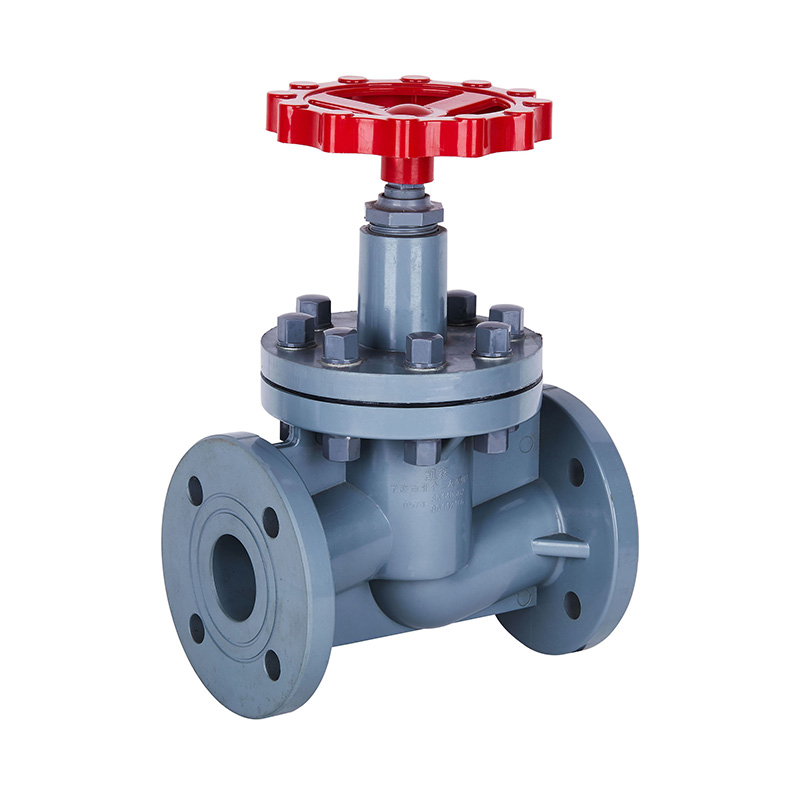
02Stop valve
The principle that the shut-off valve must be installed is that the fluid in the pipeline passes through the valve hole from bottom to top, commonly known as "low inlet and high outlet", and no reverse installation is allowed.
03Check valve
Check valve, also known as check valve or one-way valve, is a valve that automatically opens and closes under the action of the pressure difference between the front and back of the valve. Its function is to make the medium flow in only one direction, and prevent the medium from flowing back in the opposite direction. According to the different structure of the check valve, there are lift type, swing type and butterfly wafer type. The lift check valve is divided into horizontal and vertical.
When installing the check valve, you should also pay attention to the flow direction of the medium, and it cannot be installed reversely.
04 Pressure reducing valve
The pressure reducing valve is a valve that reduces the inlet pressure to a certain required outlet pressure through adjustment, and relies on the energy of the medium itself to automatically maintain a stable outlet pressure. From the point of view of fluid mechanics, the pressure reducing valve is a throttling element whose local resistance can be changed, that is, by changing the throttling area, the flow rate and the kinetic energy of the fluid are changed, resulting in different pressure losses, so as to achieve the purpose of decompression. Then rely on the adjustment of the control and regulation system to balance the fluctuation of the pressure behind the valve with the spring force, so that the pressure behind the valve remains constant within a certain error range.
This article is from the Internet, only for learning and communication, no commercial purpose
Come give me a thumbs up
 Headquarters: No. 539 Bohai Road, Beilun District, Ningbo City, Zhejiang Province, P.R. China
 +86-18067123177