

 EN
EN English
 Español
 عربى
عربى русский
 中文简体
中文简体
Kaixin, a high-tech enterprise specialized in the R&D, production and sales of polymer pipeline valves.
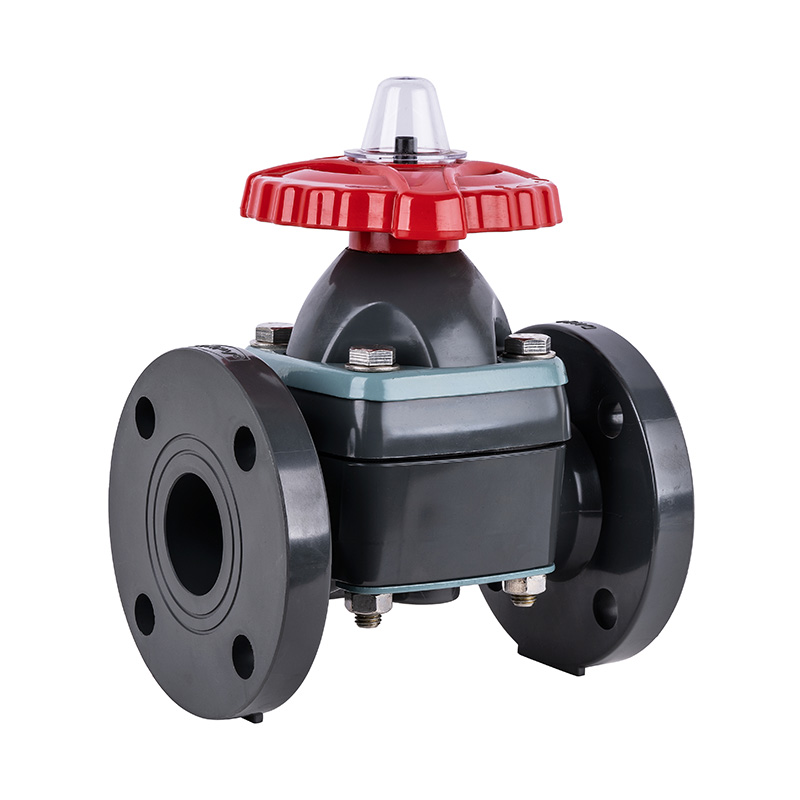
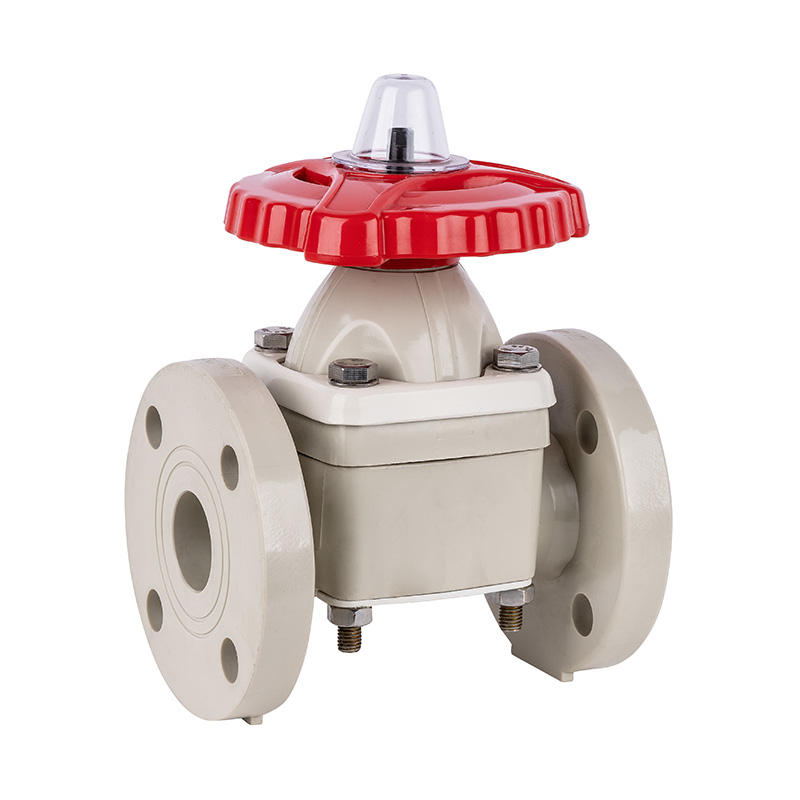
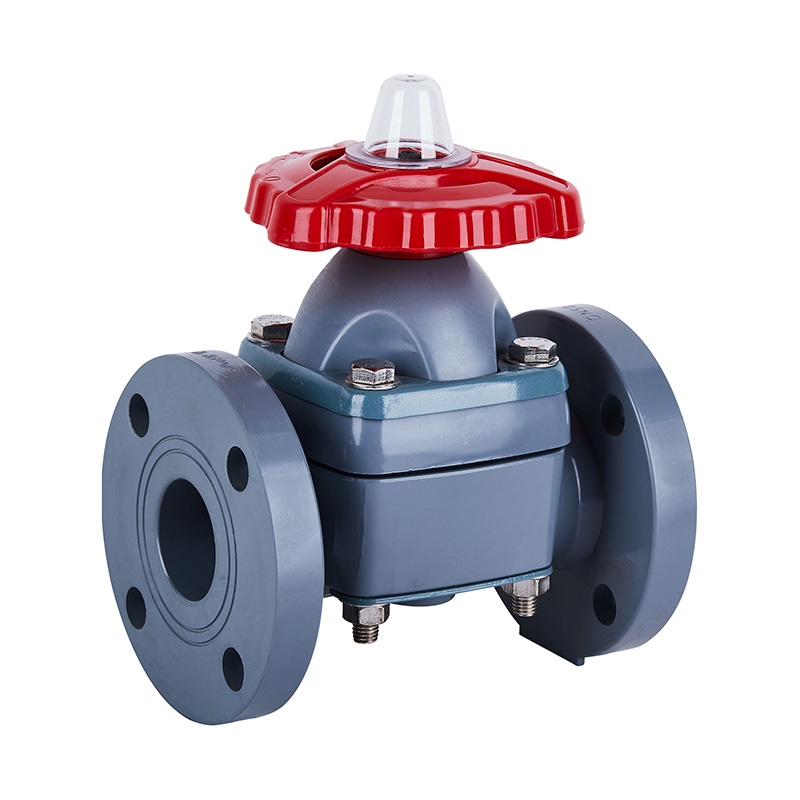
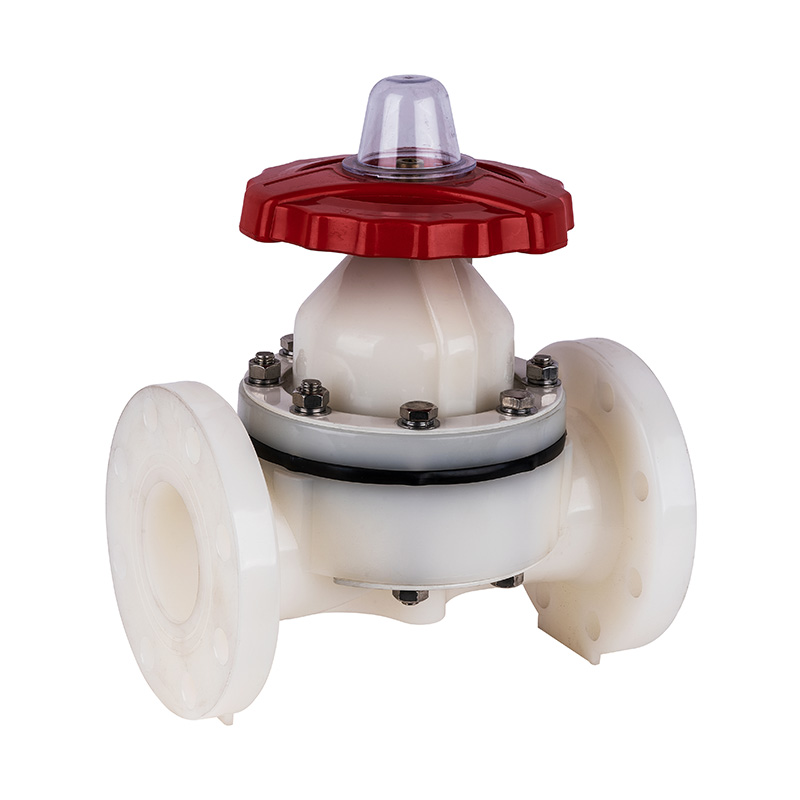
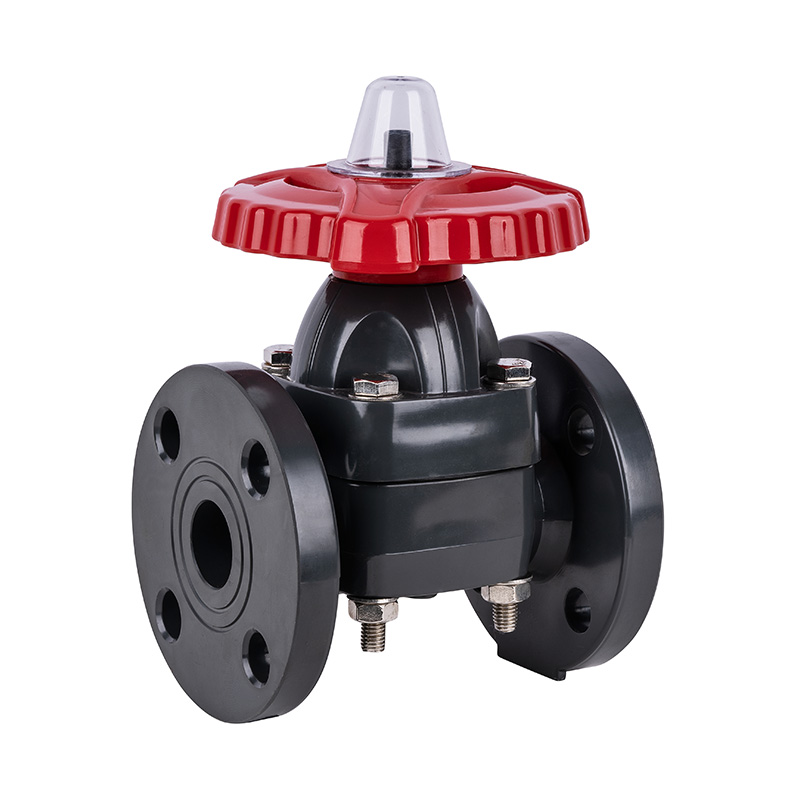
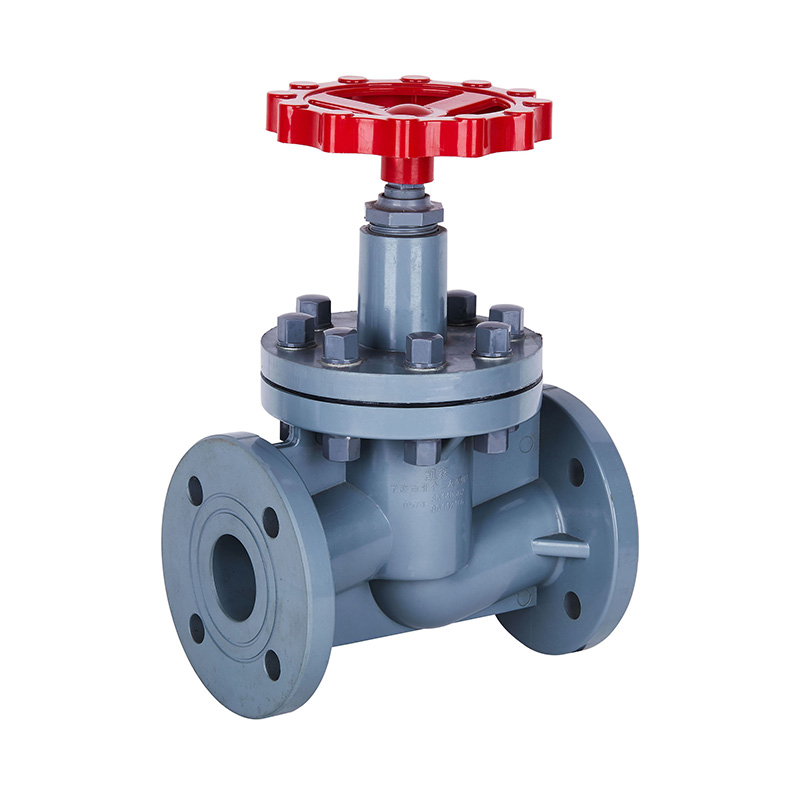
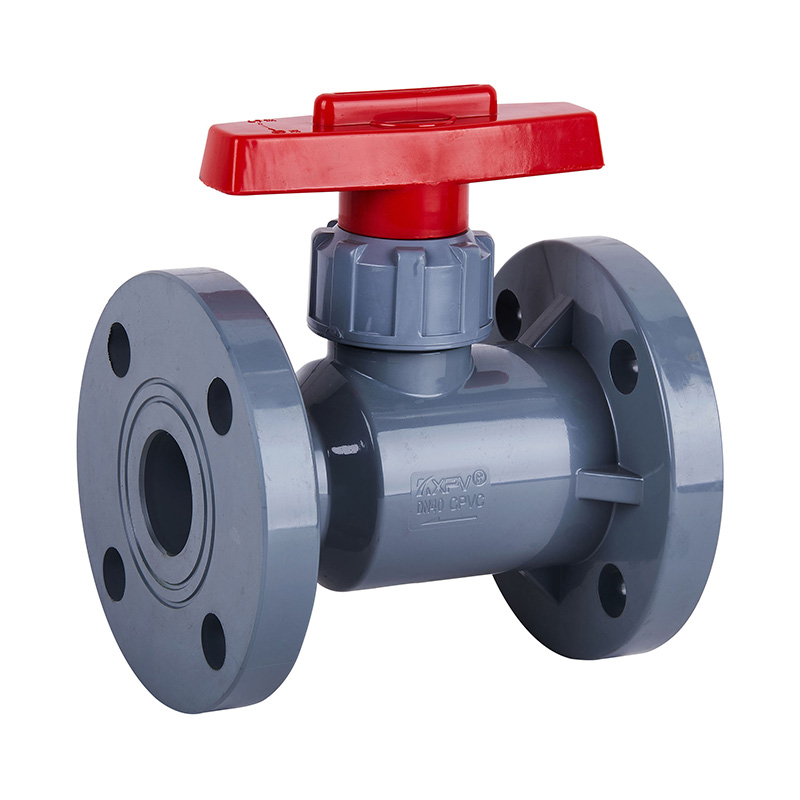
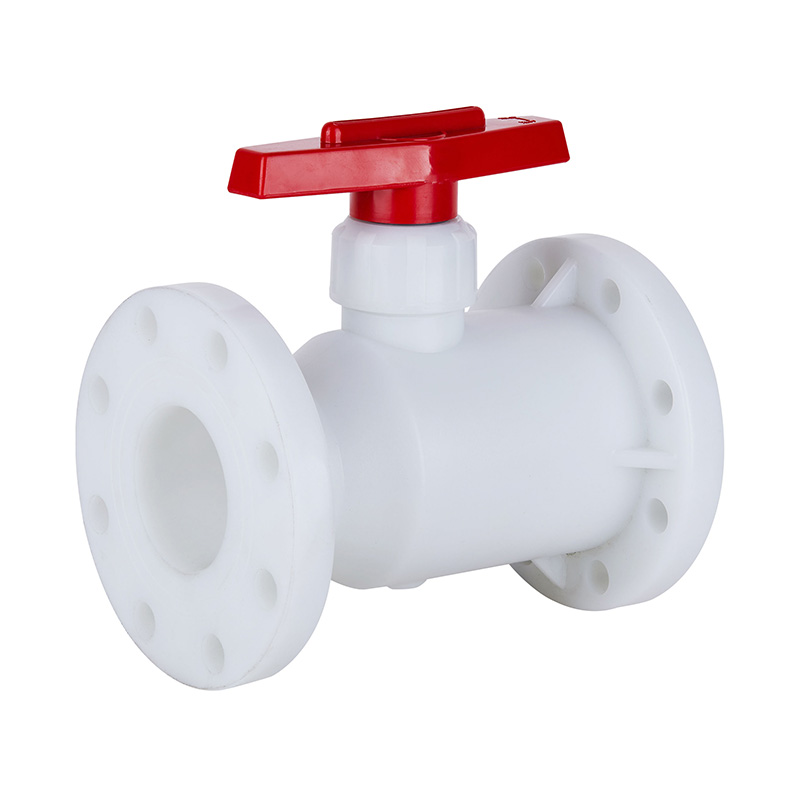
Diaphragm valves are preferred over ball valves and gate valves in applications requiring high purity, excellent sealing, corrosion resistance, and the ability to handle abrasive or viscous fluids without contamination. They are especially suitable for industries where leak-tight shutoff, hygienic design, and minimal dead zones are critical. While ball and gate valves excel in general-purpose flow control, diaphragm valves provide superior performance in specialized environments such as pharmaceuticals, food processing, chemical handling, and slurry transport.
Hygienic and Sterile Applications
Diaphragm valves are widely used in hygienic industries due to their ability to prevent contamination. The valve body is isolated from the process fluid by a flexible diaphragm, eliminating internal cavities where bacteria or residues can accumulate.
Why Diaphragm Valves Excel
- Zero dead space design reduces microbial growth risk.
- Smooth internal surfaces enable effective cleaning and sterilization (CIP/SIP).
- No direct contact between moving parts and process media.
These characteristics make diaphragm valves the preferred choice in pharmaceutical manufacturing and biotechnology processes where sterility is mandatory.
Handling Corrosive and Aggressive Chemicals
In chemical processing, diaphragm valves are often selected over ball and gate valves due to their excellent corrosion resistance. The diaphragm acts as a protective barrier between the fluid and the valve body, which can be lined with materials such as PTFE, EPDM, or PVDF.
Key Advantages
- Compatibility with highly corrosive acids and alkalis.
- Reduced risk of internal corrosion compared to metal-seated ball valves.
- Extended service life in aggressive environments.
For example, in sulfuric acid handling systems, diaphragm valves can significantly reduce maintenance frequency compared to conventional metal valves.
Slurry and Particulate-Laden Fluids
Diaphragm valves perform exceptionally well in applications involving slurry, sludge, or fluids containing suspended solids. Unlike ball valves, which can become clogged, diaphragm valves provide a straight-through flow path with minimal obstruction.
Performance Benefits
- Reduced risk of clogging due to open flow path.
- Ability to handle abrasive particles without damage to sealing surfaces.
- Lower maintenance requirements in mining and wastewater applications.
These properties make diaphragm valves a preferred option in wastewater treatment plants and mining slurry transport systems.
Food and Beverage Processing
In food and beverage industries, hygiene and cleanliness are critical. Diaphragm valves meet stringent sanitary standards by preventing contamination and enabling easy cleaning.
Typical Applications
- Dairy processing lines
- Beverage production systems
- Brewery operations
Compared to ball valves, diaphragm valves minimize product retention and ensure compliance with food safety regulations.
Low-Pressure and Vacuum Systems
Diaphragm valves are particularly effective in low-pressure and vacuum systems where tight sealing is essential. Their flexible diaphragm provides reliable shutoff even under minimal pressure differentials.
- Suitable for vacuum filtration systems
- Effective sealing at low differential pressures
- Reduced leakage risk compared to gate valves
Comparison with Ball and Gate Valves
The following table highlights key differences between diaphragm valves, ball valves, and gate valves in relevant application scenarios:
| Feature | Diaphragm Valve | Ball Valve | Gate Valve |
|---|---|---|---|
| Hygienic suitability | Excellent | Moderate | Low |
| Corrosion resistance | High (lined) | Moderate | Low to moderate |
| Handling slurry | Excellent | Poor | Poor |
| Leak tightness | Very high | High | Moderate |
Selection Considerations
When deciding whether to use a diaphragm valve instead of a ball or gate valve, several practical factors should be evaluated:
- Nature of the fluid (corrosive, abrasive, sterile)
- Required level of hygiene and cleanability
- Operating pressure and temperature conditions
- Maintenance frequency and lifecycle cost
- Flow control precision requirements
In systems where contamination, leakage, or material compatibility are critical concerns, diaphragm valves are often the most practical and reliable choice.
 Headquarters: No. 539 Bohai Road, Beilun District, Ningbo City, Zhejiang Province, P.R. China
 +86-18067123177