What is the working principle of an Automatic Valve?
An automatic valve is a valve that automatically adjusts its open or closed state based on external control signals (such as temperature, pressure, flow rate, or liquid level). Compared to traditional manual valves, automatic valves can provide precise control without manual intervention and are widely used in industrial automation, chemical engineering, oil and gas, wastewater treatment, and other fields requiring precise fluid control. Its working principle relies on several key factors, including control signals, actuators, and feedback mechanisms.
Signal Input and Processing
The control system of an automatic valve typically receives various sensor signals from field devices. Common signal inputs include pressure sensors, temperature sensors, liquid level sensors, flow meters, etc. These sensors continuously monitor the fluid state in the pipeline or container and transmit the data to the automatic control system. Based on the real-time data collected by the sensors, the automatic control system processes the signals and generates control commands, instructing the valve to perform specific opening or closing actions or adjust the valve opening.
Actuator
The actuator of an automatic valve is responsible for actually operating the valve according to the control signal. The types of actuators typically include:
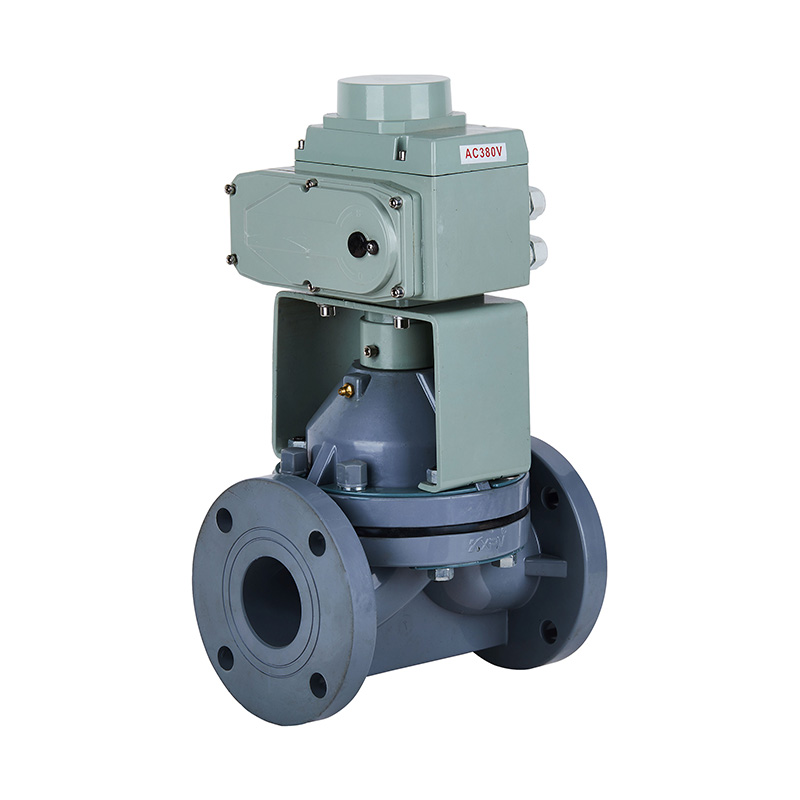
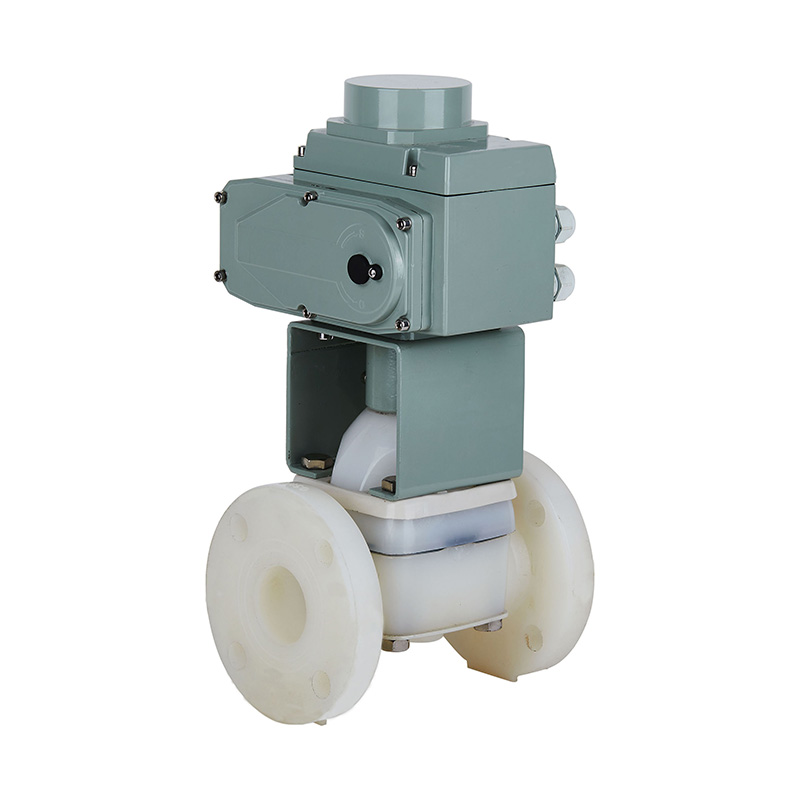
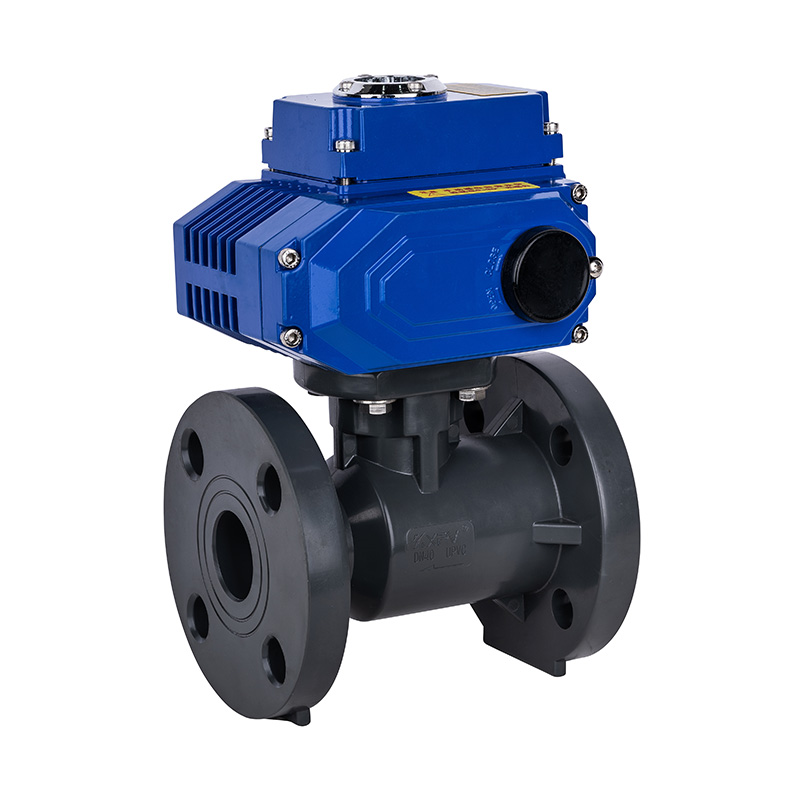
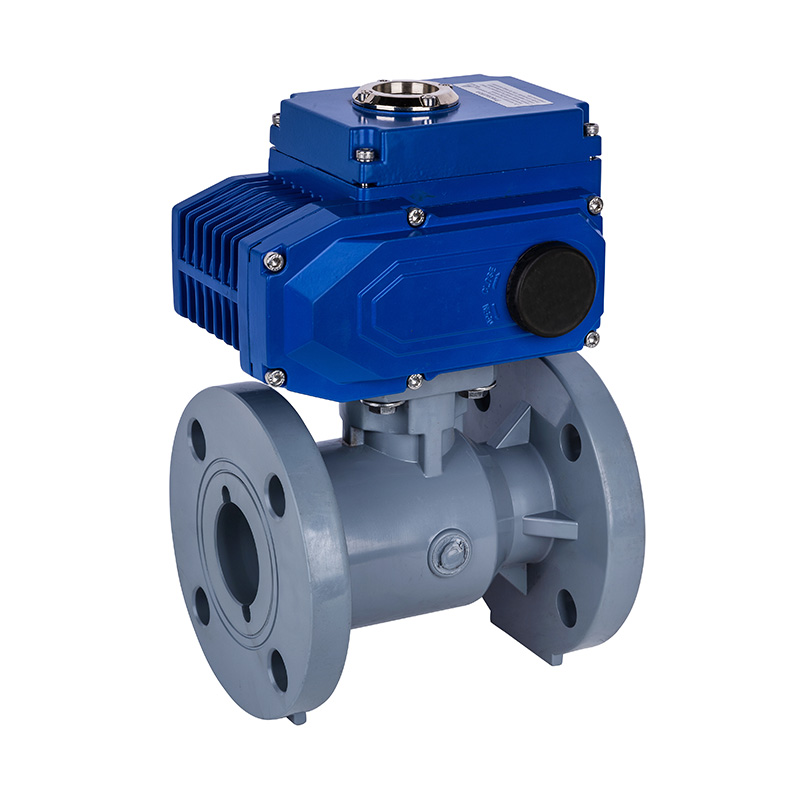
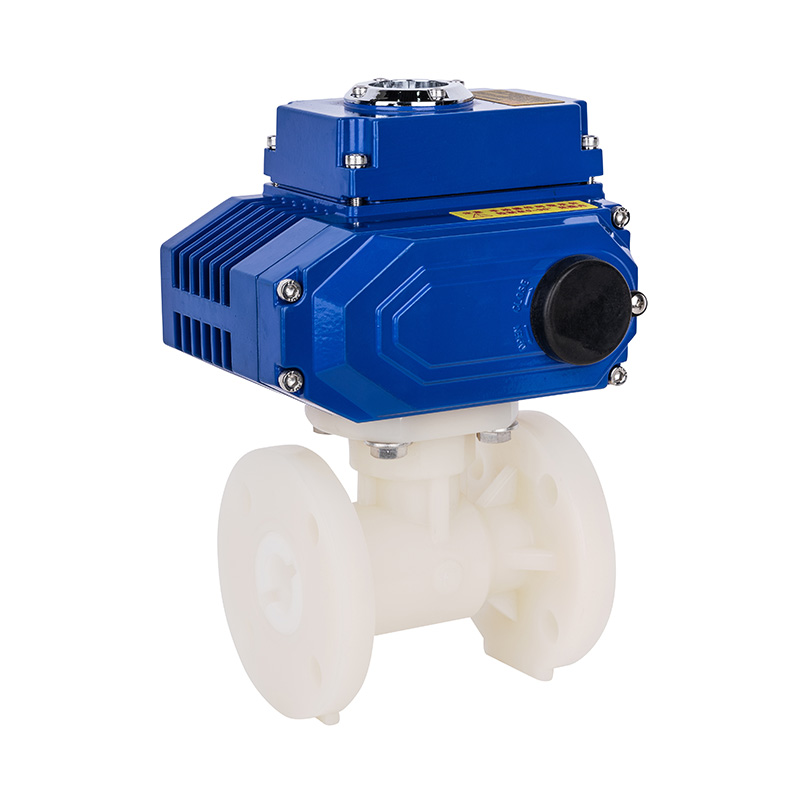
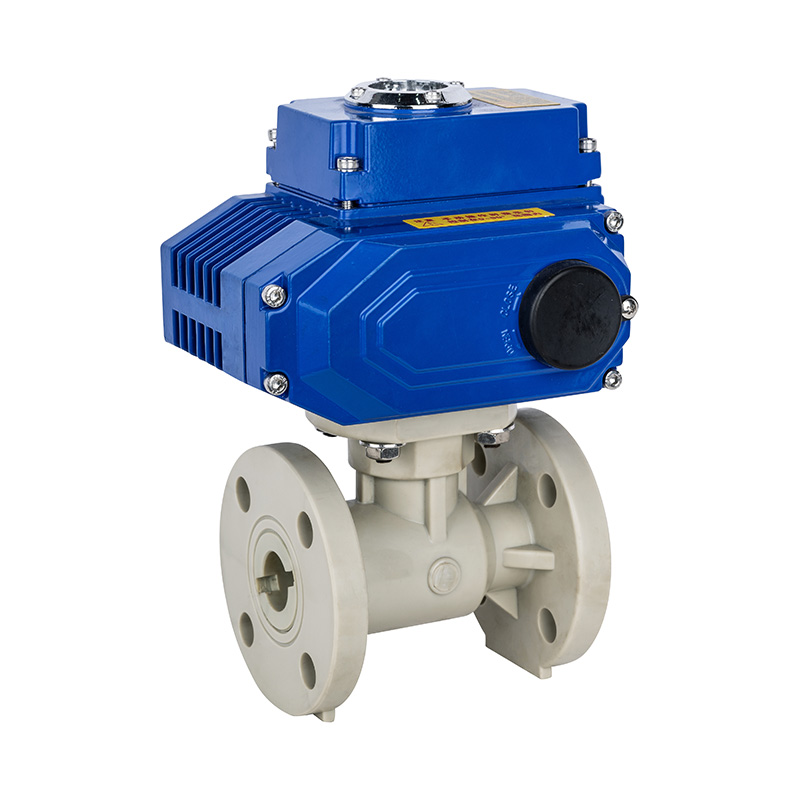
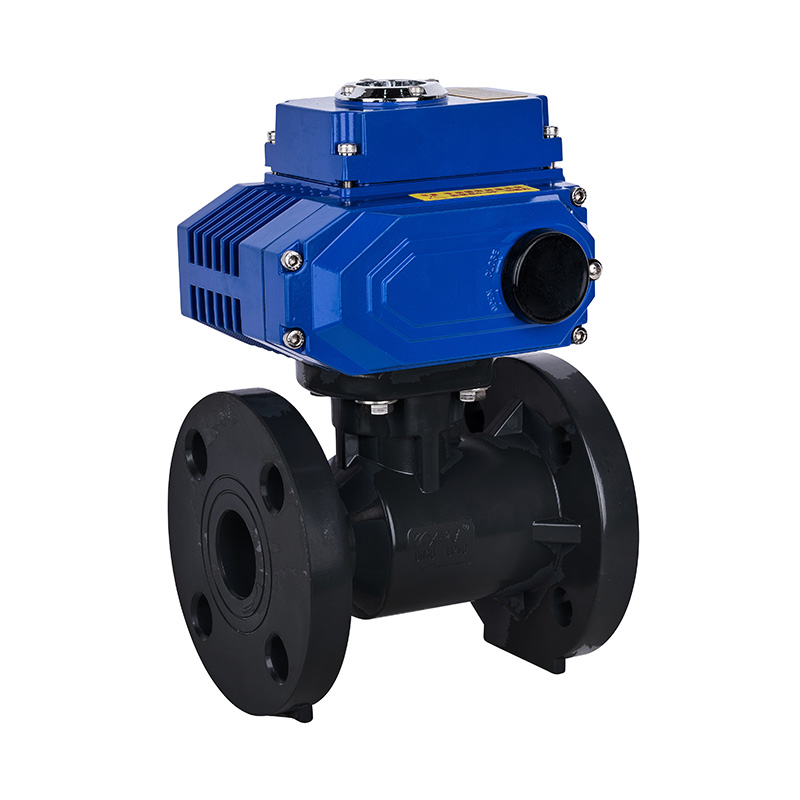
- Electric Actuators: These use an electric motor to rotate the valve stem to open or close the valve. Electric actuators are suitable for applications requiring precise opening adjustment and can achieve continuous flow control.
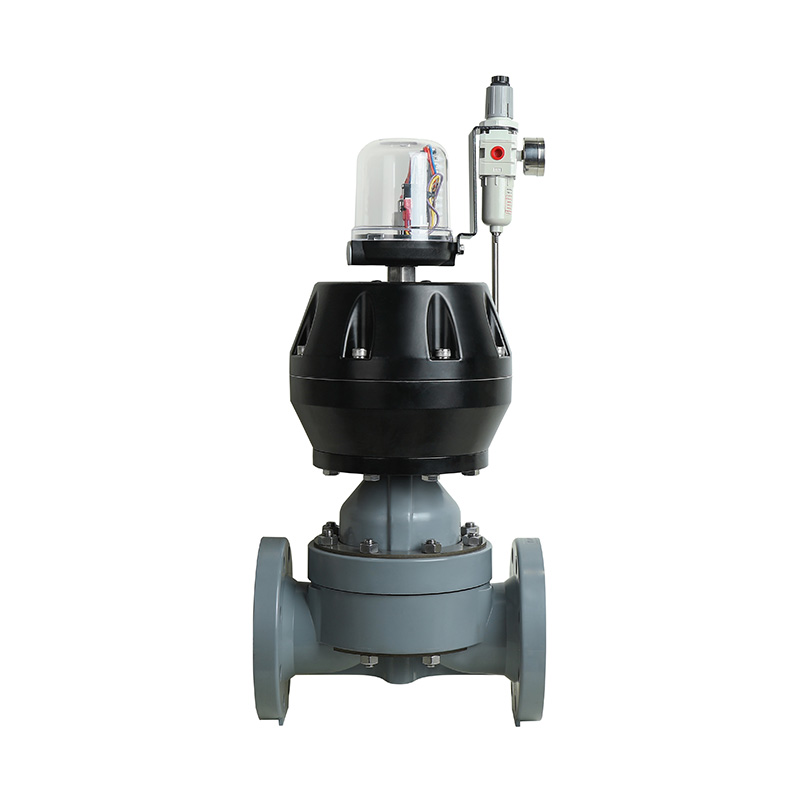
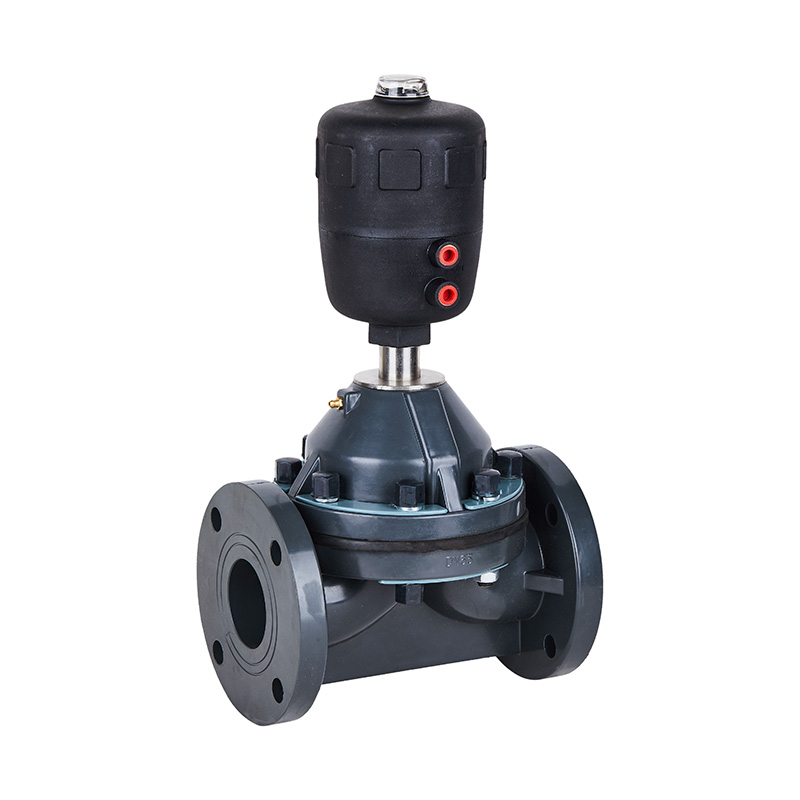
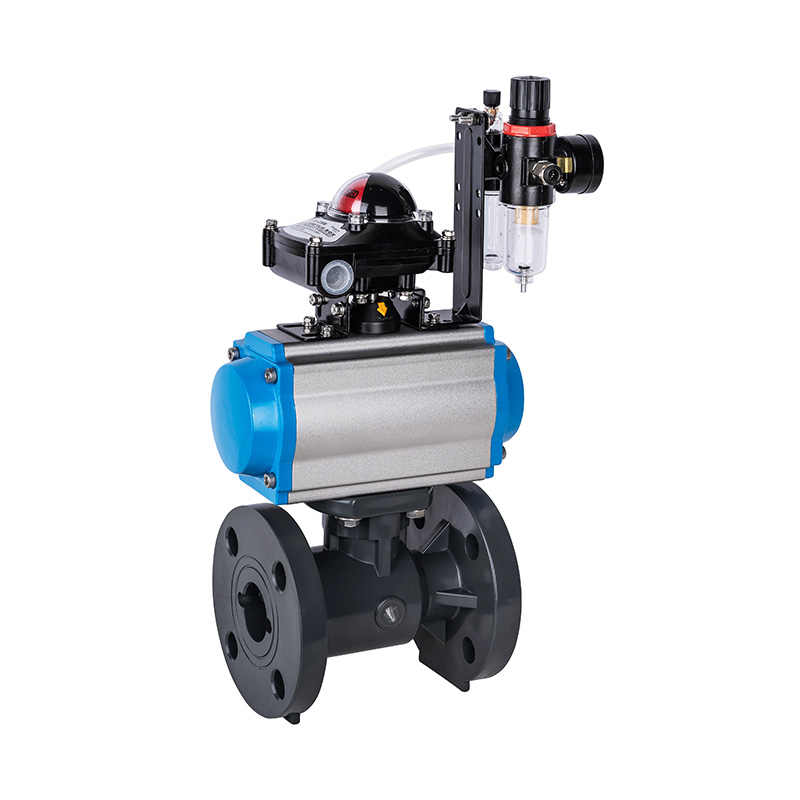
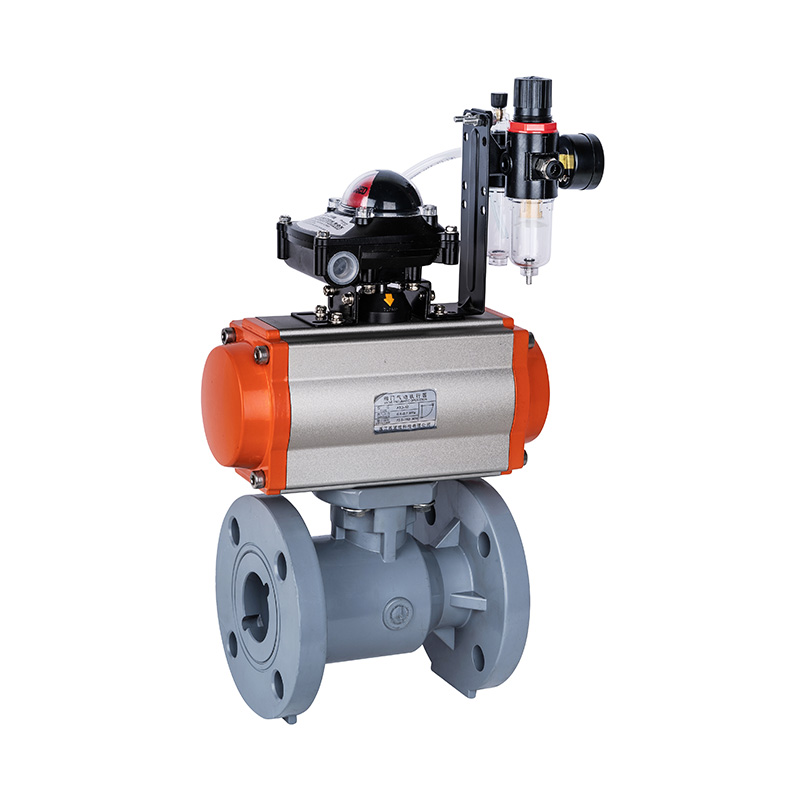
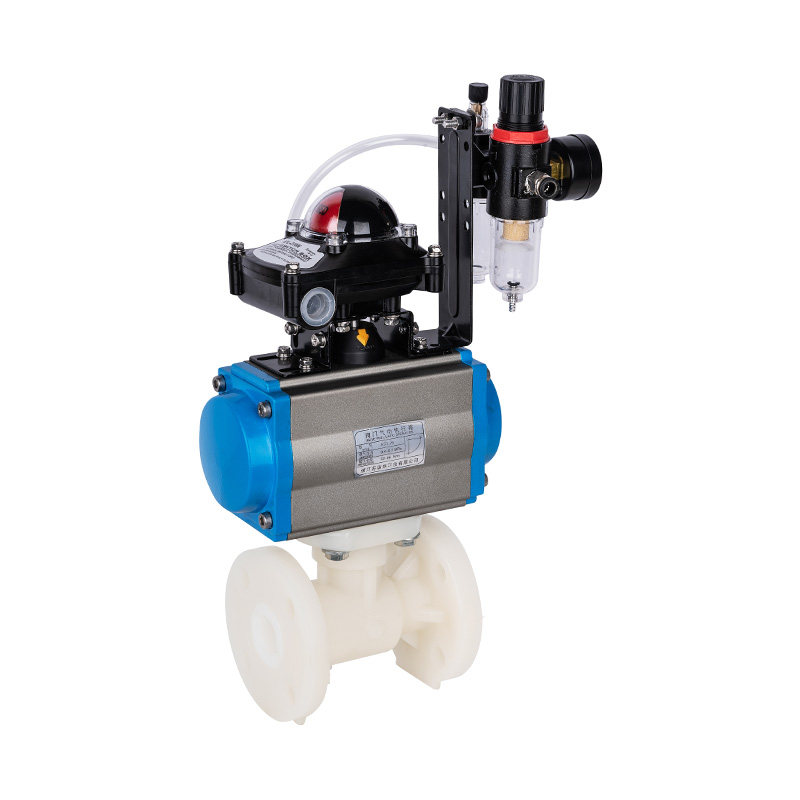
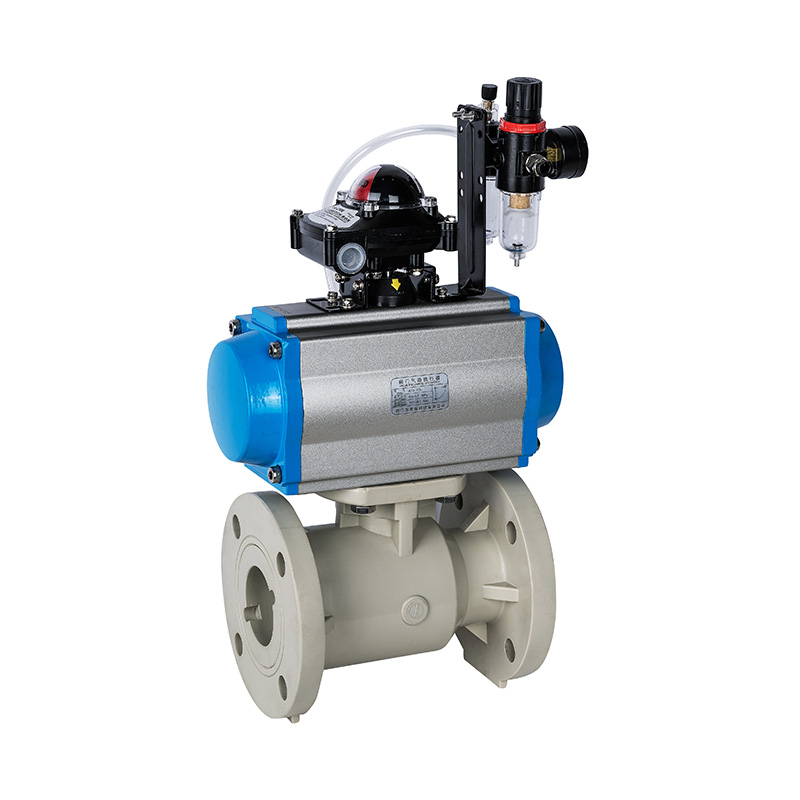
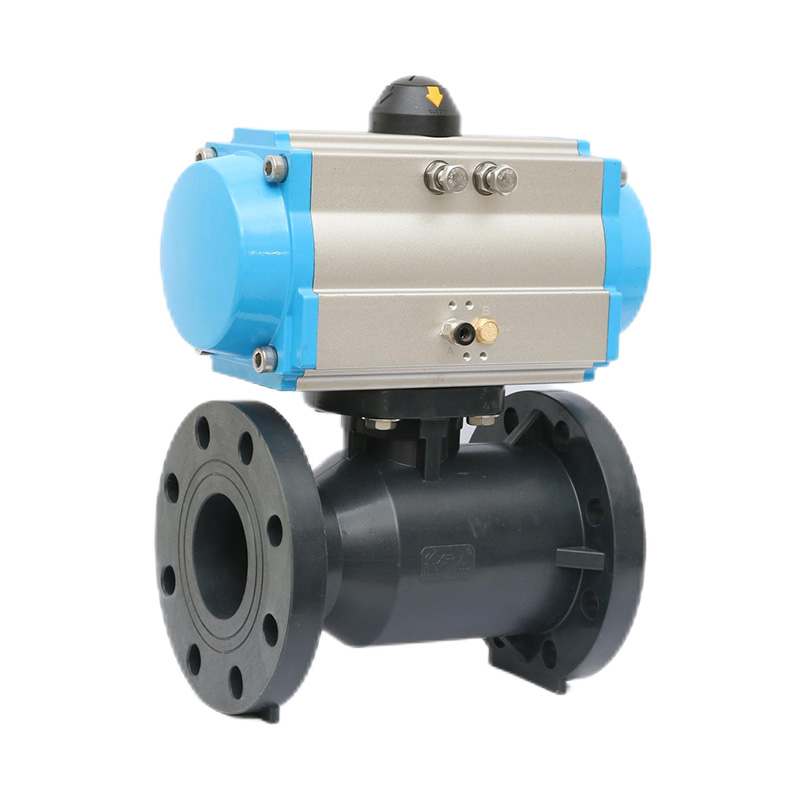
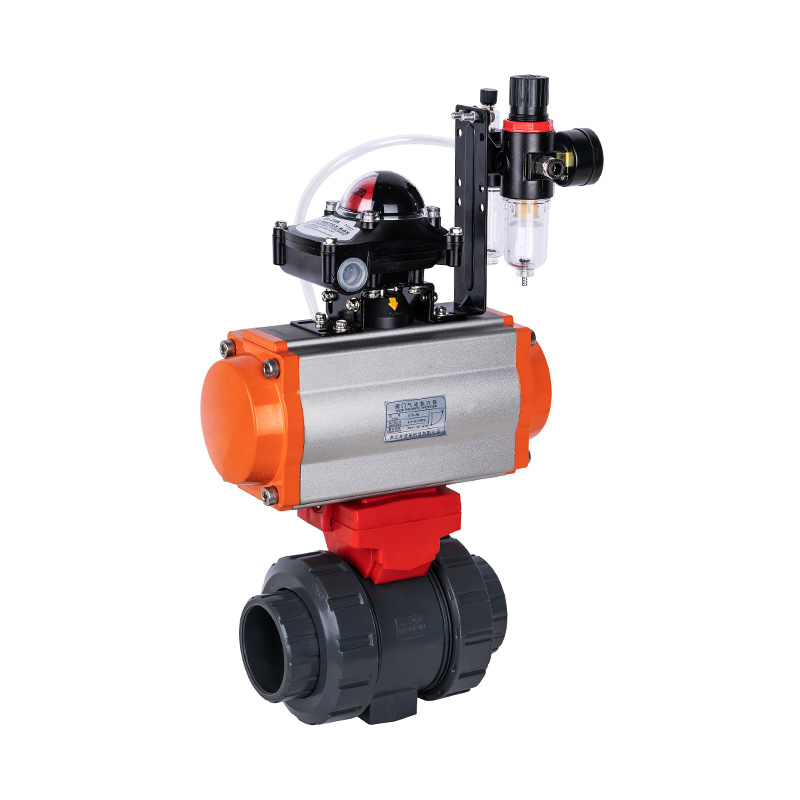
- Pneumatic Actuators: These use compressed air to drive a piston in a linear motion to open or close the valve. Pneumatic actuators are typically used in applications requiring fast response and can complete opening and closing actions in a short time.
- Hydraulic Actuators: These use the pressure of hydraulic oil to drive a piston, thereby opening or closing the valve. Hydraulic actuators have stronger power output and are suitable for high-pressure, high-load environments.
The actuator automatically adjusts the valve opening according to the instructions from the control system. In regulating valves (such as control valves), the valve opening is continuously adjustable to ensure that the flow rate or pressure is precisely at the set value. In on-off valves (such as ball valves, gate valves, etc.), the valve is either fully open or fully closed.
Feedback System and Control
To ensure that the automatic valve accurately executes control commands, automatic valves are usually equipped with a feedback system. Position sensors monitor the actual valve opening and transmit the data back to the control system. If the valve opening does not match the set value, the control system will adjust the actuator based on the feedback signal to achieve the desired effect. This feedback mechanism ensures that the valve responds accurately and adjusts the fluid state, which is crucial, especially in applications requiring highly precise control (such as fine chemical processes or water treatment).
The control system also monitors the valve's operating status in real time, analyzing for any abnormalities, such as over-temperature, over-pressure, or blockage. If any abnormal situation is detected, the control system will promptly issue an alarm and automatically make corresponding adjustments or shut down the system to prevent more serious equipment damage or process accidents.
How does the Automatic Valve's Actuation System Work?
The actuation system of an automatic valve is its core component, responsible for driving the valve's opening, closing, or adjustment based on control signals. The selection and design of the actuation system directly affect the valve's response speed, accuracy, stability, and suitability for different applications. Common automatic valve actuation methods include electric, pneumatic, and hydraulic drives. Each actuation method has different working principles and advantages and disadvantages, so the choice should be based on the specific operating conditions.
Electric Actuation
Electric actuation is one of the most common actuation methods for automatic valves. It uses an electric motor to rotate the valve stem, controlling the valve's opening. Electric actuation is widely used in applications requiring precise control of flow and pressure, such as in the chemical, food and beverage, and pharmaceutical industries.
- Working Principle: An electric actuator typically consists of an electric motor, a gearbox, a valve stem, and a controller. Upon receiving a control signal, the electric motor starts, and the gearbox converts the rotational motion into the rotation of the valve stem, thereby adjusting the valve opening. Electric actuation provides high-precision flow or pressure control based on the power supply.
Advantages:
- Precise Control: Enables continuous flow adjustment, suitable for applications requiring high accuracy in flow control.
- High Reliability: Electric actuation systems are stable and suitable for long-term operation, with relatively simple maintenance.
- Easy Integration: Electric actuation can be seamlessly integrated with automation control systems (such as PLC, DCS), supporting remote monitoring and operation.
Disadvantages:
- Slower Response Speed: Compared to pneumatic actuation, electric actuation has a relatively slower response speed, which may not be suitable for applications requiring rapid response.
- Higher Energy Consumption: Electric actuators consume more energy, especially in applications requiring frequent adjustments, which can lead to higher electricity costs.
Pneumatic Actuation
Pneumatic actuation uses compressed air to drive a piston in a linear motion, thereby opening, closing, or adjusting the valve. Pneumatic actuation is widely used in applications requiring rapid opening and closing, such as in the petrochemical, pharmaceutical, and food processing industries.
- Working Principle: A pneumatic actuator has a piston inside. When a control signal is sent, compressed air enters the actuator, and by changing the air pressure, it pushes the piston, thereby driving the valve's opening and closing. Pneumatic actuation is characterized by its fast response speed, enabling rapid opening and closing of valves.
Advantages:
- Fast response speed: Pneumatic actuation has a short response time, suitable for applications requiring rapid opening and closing.
- High torque: Pneumatic actuation can generate high torque, suitable for large-sized valves.
- Low energy consumption: Pneumatic systems have low energy consumption, especially in cases of frequent valve opening and closing.
Disadvantages:
- High air quality requirements: Pneumatic systems require high-quality compressed air. If the air contains moisture or impurities, it may affect the performance of the actuation system.
- Pressure fluctuation problems: In cases of unstable pressure or poor compressed air quality, the accuracy and reliability of pneumatic actuation may be affected.
Hydraulic Actuation
Hydraulic actuation drives the actuator through the pressure of hydraulic oil, thereby achieving the opening, closing, or adjustment of the valve. Hydraulic actuation is suitable for applications requiring high load and high-precision adjustment, such as high-pressure fluid control and heavy industrial applications.
- Working Principle: The hydraulic actuator controls the working pressure of the hydraulic pump, injecting liquid into the actuator to drive the valve open or closed. Hydraulic actuation can provide high torque, suitable for working in high-load and high-pressure environments.
Advantages:
- High load capacity: Hydraulic actuation can generate high thrust, suitable for high-pressure or high-load applications.
- Good stability: Hydraulic systems can achieve smooth adjustment, especially advantageous in precision control.
Disadvantages:
- Higher energy consumption: Hydraulic systems have higher energy consumption, especially when continuous operation is required.
- High maintenance costs: Hydraulic systems are usually more complex and require regular inspection of components such as oil, pumps, and valves, resulting in higher maintenance costs.
Factors to Consider When Choosing an Actuation Method
When choosing the actuation method for an automatic valve, in addition to considering the valve's operating conditions (such as fluid characteristics, pressure, flow rate, etc.), the following factors should also be considered:
- Response time requirements: Pneumatic actuation is suitable for applications requiring fast response, while electric actuation is suitable for applications requiring higher control accuracy.
- Load Capacity: Hydraulic drives are suitable for applications requiring high thrust and heavy loads, while electric drives are suitable for small to medium load applications.
- System Stability: If high system stability is required and integration into an automation system is necessary, electric drives are the ideal choice.
What are the fault diagnosis and maintenance requirements for Automatic Valves?
Fault diagnosis and maintenance of Automatic Valves are crucial factors in ensuring their long-term stable and efficient operation. Regular inspection, cleaning, and repair can prevent sudden failures during operation, ensuring the safety and efficiency of the production process. Automatic Valves are widely used in various fields such as petrochemicals, pharmaceuticals, water treatment, and the food industry. With technological advancements, valve maintenance now includes not only the maintenance of mechanical components but also the diagnosis and optimization of automated control systems.
Common Fault Types and Causes
1. Valve Sticking or Failure to Open/Close:
- Causes: Wear or corrosion of the valve stem, valve seat, or other moving parts, accumulation of impurities in the fluid, and poor sealing can all lead to valve sticking or failure to fully open/close. Valves are particularly susceptible to wear in high-temperature, high-pressure, or corrosive environments.
- Solutions: Regularly inspect the lubrication status and internal components of the valve, and promptly remove impurities to ensure smooth operation. If severely worn parts are found, consider replacement or repair.
2. Drive System Failure:
- Causes: Failures in the drive device (such as electric, pneumatic, or hydraulic drives) are usually caused by power supply problems, insufficient air supply, or hydraulic system oil leaks. The drive system is a critical part of the Automatic Valve, and any failure can prevent the valve from functioning properly.
- Solutions: Regularly inspect the drive device to ensure the stability of the power, air, or hydraulic system. When an electric drive system fails, check the motor voltage and wiring connections; for pneumatic drive system failures, check the compressed air flow and quality; for hydraulic drive system failures, check the quality and flow rate of the hydraulic oil.
3. Leakage Problems:
- Causes: Aging or damage of seals, and failure of the seal between the valve seat and valve core are common causes of valve leakage, especially under high-temperature, high-pressure, and corrosive fluid conditions.
- Solutions: Regularly inspect the integrity of the sealing components, especially for valves operating under harsh conditions, to ensure good sealing performance. Aging or damaged sealing materials should be replaced promptly.
Fault Diagnosis Methods
With the development of automation technology, modern automatic valves are equipped with highly intelligent diagnostic systems that can monitor the valve status in real time and promptly alert operators. The following are common diagnostic methods:
1. Position Feedback System: Modern automatic valves are usually equipped with position sensors to monitor the valve opening. If the valve position does not match the setting of the control system, the position sensor will provide feedback to the control system, indicating a valve malfunction. Through real-time data monitoring, operators can promptly detect whether the valve is operating normally, preventing valve jamming or failure.
2. Pressure and Temperature Sensors: Automatic valves are also usually equipped with pressure and temperature sensors to monitor the fluid status in real time. When the pressure or temperature in the system exceeds the set range, the sensors will send an alarm to the control system, triggering the automatic valve's protection measures. The control system can adjust the valve opening based on sensor feedback to avoid equipment damage or loss of control of process parameters.
3. Self-Diagnostic Function: Modern valve control systems generally have a self-diagnostic function. It can detect the status of the valve and drive system in real time and automatically identify any abnormalities. For example, if an abnormal current is detected in the electric actuator, the control system will trigger an alarm and record the fault information. Operators can view the fault code through the control panel or remote terminal for further maintenance and adjustments.
Regular Maintenance Requirements
To ensure the long-term efficient and stable operation of automatic valves, regular maintenance is very important. Regular maintenance can prevent failures and extend the service life of the valve.
1. Cleaning and Lubrication: Regularly clean the inside of the valve to prevent impurities or deposits in the fluid from blocking the moving parts of the valve. The moving parts of the valve need to be lubricated regularly, especially when working in high-temperature environments. Lubricants can reduce friction and prevent valve stem wear.
2. Checking for Leaks: Inspect the seals of the automatic valve to ensure that the valve does not leak. The condition of the seals is particularly important for valves in high-temperature, corrosive fluid, or high-pressure environments. Aging or damaged seals can lead to valve leakage, affecting the system's efficiency and safety. Seals need to be replaced regularly according to the operating environment.
3. Drive System Inspection and Calibration: Regularly inspect the valve's drive system to ensure that the driving device (such as electric motors, pneumatic pistons, and hydraulic systems) is functioning correctly. Electric valve motors require regular checks of current and voltage, pneumatic valves require checks of compressed air quality and flow rate, and hydraulic valves require checks of oil quality and flow rate. Regularly calibrate the valve's position sensors and control system to ensure precise system adjustment.
4. Valve Performance Testing: Regularly conduct valve performance tests to check parameters such as opening and closing time, adjustment accuracy, and sealing performance, ensuring that the overall performance of the valve meets process requirements. Pressure tests and flow tests can be used during the testing process to detect various performance indicators of the valve.
Kaixin Pipeline Technologies Co., Ltd.'s Quality Control and R&D Support
To ensure the quality and reliability of Automatic Valves and related products, Kaixin Pipeline Technologies Co., Ltd. has implemented stringent measures in quality control and research and development.
1. Quality Control: Kaixin Pipeline Technologies Co., Ltd. adheres to strict quality control standards. The company possesses its own laboratory and advanced testing equipment, capable of conducting various product performance tests, including strength tests, pressure tests, and flow tests. Before each batch of products leaves the factory, the company conducts internal inspections to ensure that every product meets quality requirements, and provides detailed test reports and inspection reports with the goods. Furthermore, the company has obtained ISO9001 quality management system certification, further ensuring stable product quality.
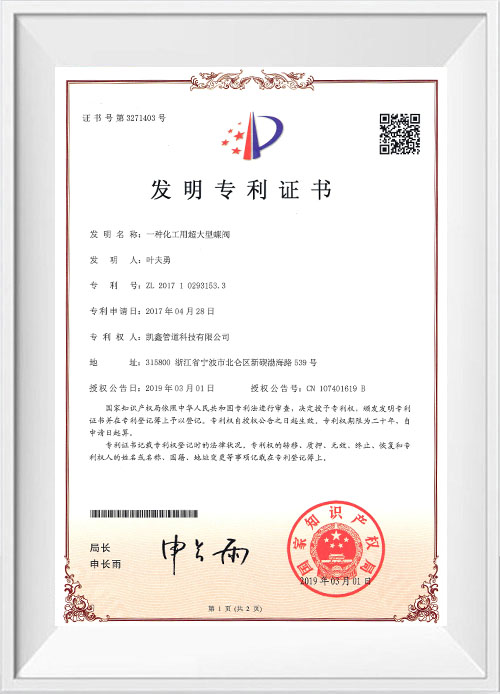
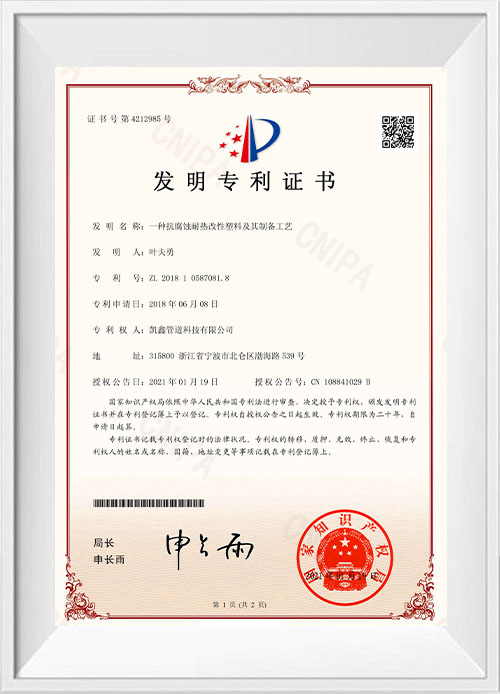
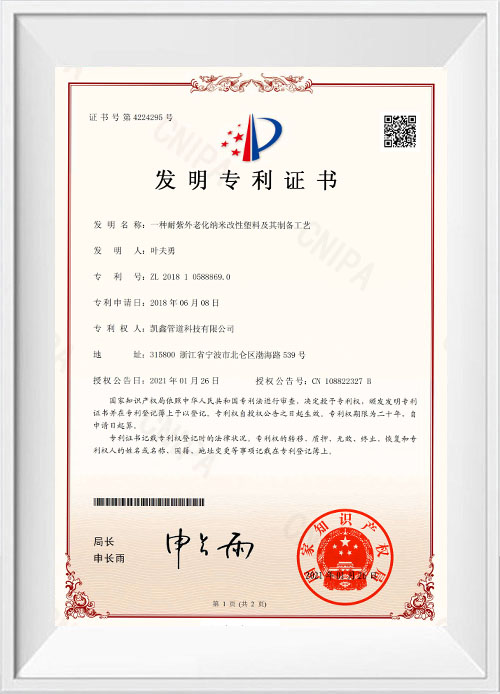
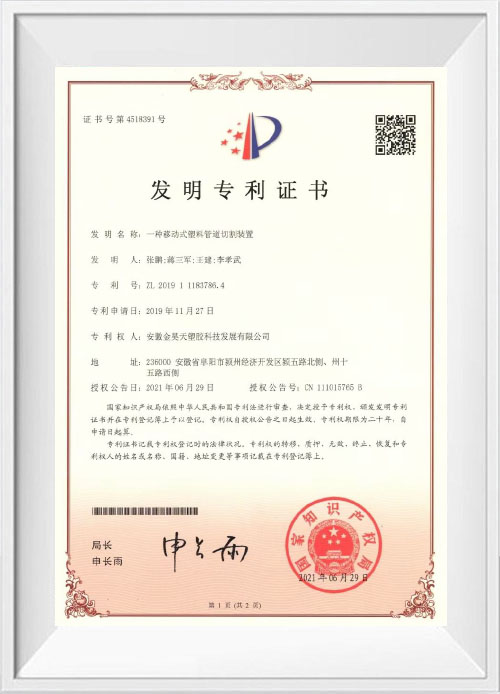
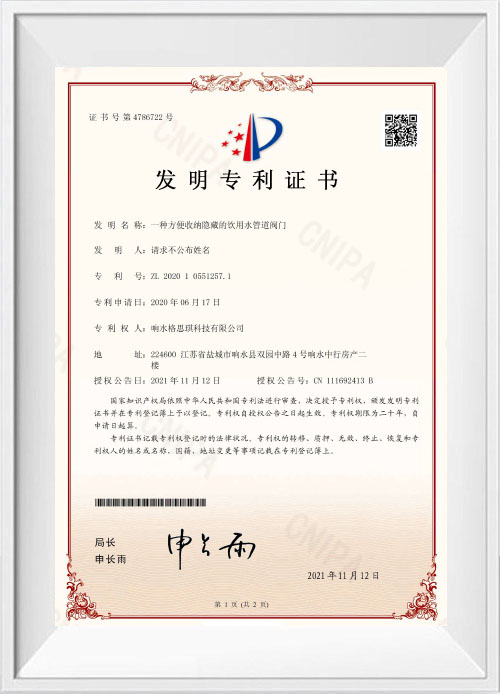
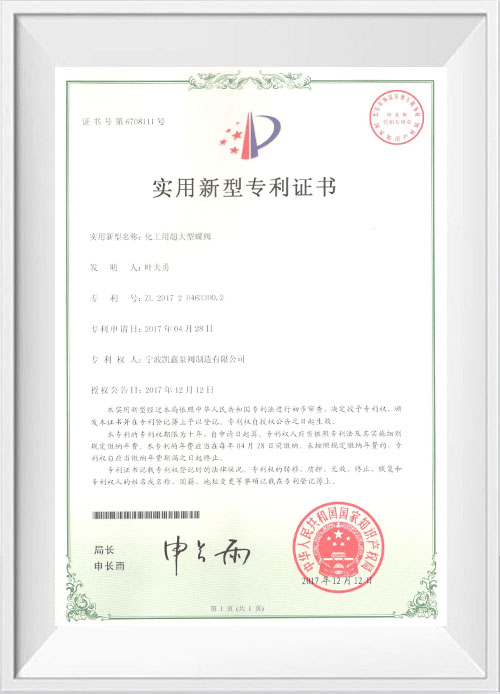
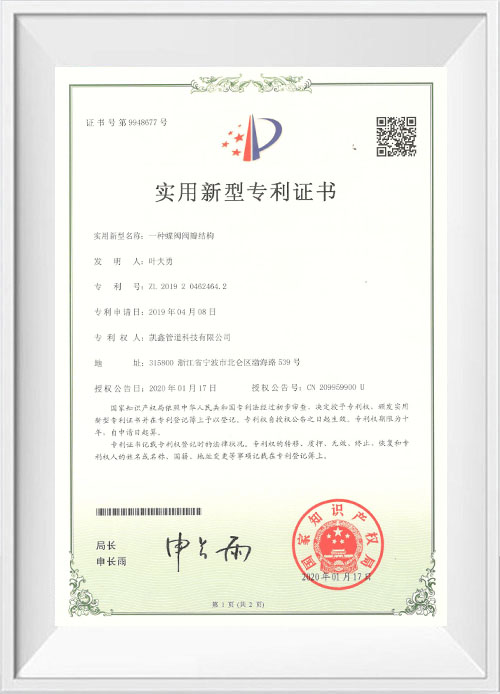
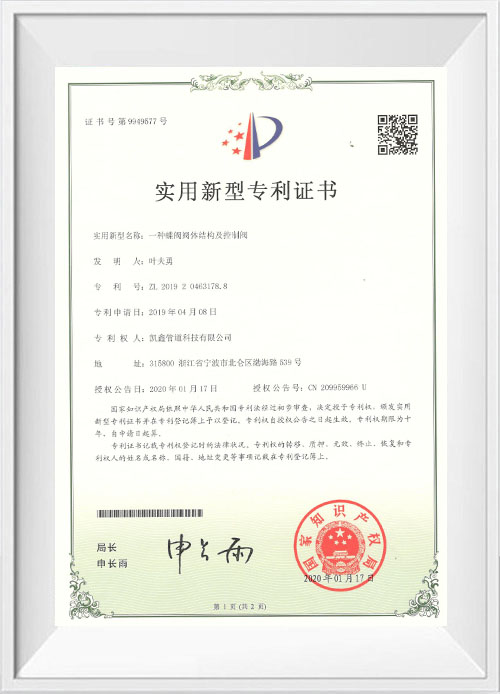
2. R&D Support: Through years of independent research and development and manufacturing practice, Kaixin Pipeline Technologies Co., Ltd. has mastered the core technologies for manufacturing various pipes, valves, pumps, and accessories. The company holds multiple invention patents and has participated in the development of several national standards. Kaixin Pipeline Technologies Co., Ltd.'s R&D team is committed to continuous innovation, launching more efficient, energy-saving, and environmentally friendly valve products. For Automatic Valves, Kaixin Pipeline Technologies Co., Ltd. not only provides standardized products but also offers customized solutions based on specific customer needs.
3. Customization Services: In addition to providing standardized products, Kaixin Pipeline Technologies Co., Ltd. also offers OEM (Original Equipment Manufacturing) and ODM (Original Design Manufacturing) services to its customers. The company can develop and manufacture products based on drawings or samples provided by customers, meeting their diverse needs. In addition, Kaixin Pipeline Technologies Co., Ltd.'s R&D team can provide targeted technical support based on customer application requirements, ensuring that product quality and performance are optimized.
Through continuous quality control and R&D innovation, Kaixin Pipeline Technologies Co., Ltd. ensures that every automatic valve and other related products meet market demands and provides customers with stable and reliable service.


 EN
EN English
 Español
 عربى
عربى русский
 中文简体
中文简体

 Headquarters: No. 539 Bohai Road, Beilun District, Ningbo City, Zhejiang Province, P.R. China
 +86-18067123177