

 EN
EN English
 Español
 عربى
عربى русский
 中文简体
中文简体
Kaixin, a high-tech enterprise specialized in the R&D, production and sales of polymer pipeline valves.
Temperature Resistance
PVDF (Polyvinylidene Fluoride) plastic is known for its relatively high temperature resistance compared to many other plastics, with the ability to withstand continuous operating temperatures up to 150°C (302°F) under normal conditions. This makes it suitable for many chemical applications, including handling hot liquids and gases. However, when exposed to high-pressure steam or fluctuating temperatures above its thermal limits, PVDF can begin to degrade or lose its mechanical properties. Steam in high-pressure systems often reaches temperatures beyond the limits of PVDF, especially if the system operates at pressures greater than 100 psi, where temperature increases significantly. In these conditions, PVDF’s structural integrity can be compromised. For systems that require continuous exposure to steam at temperatures exceeding the limits of PVDF, other materials like PFA (Perfluoroalkoxy) or PTFE (Polytetrafluoroethylene) are generally preferred due to their superior thermal stability and resistance to extreme heat.
Pressure Limitations
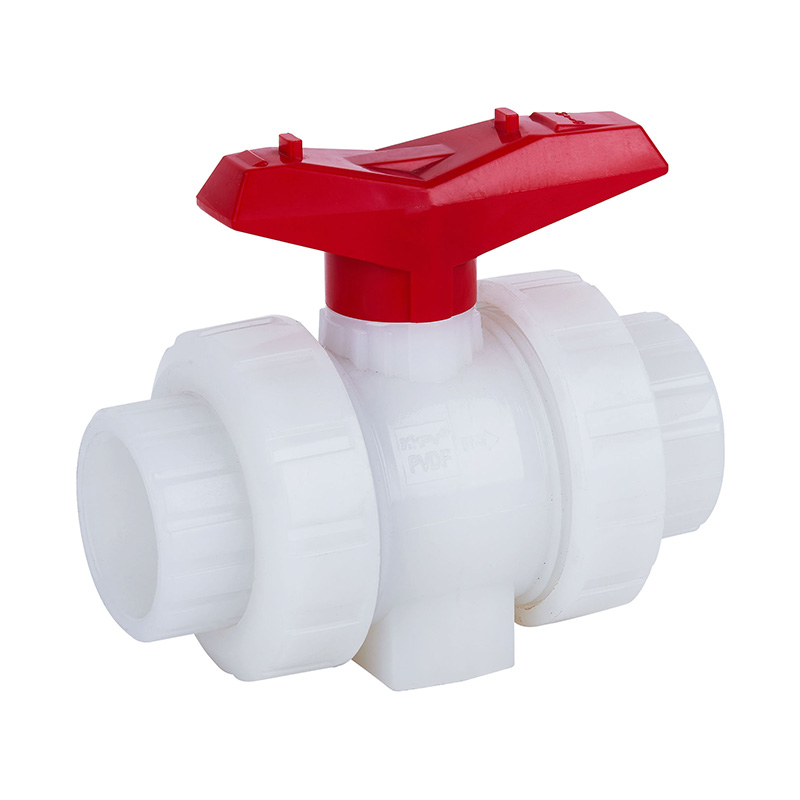
While PVDF Plastic Pipe Valves are designed to handle moderate to high pressures, they have their limitations when it comes to high-pressure steam systems. PVDF is capable of withstanding pressures of up to 1500 psi in many configurations, making it effective for various industrial applications. However, in high-pressure steam systems, the dynamic nature of steam flow—combined with both temperature fluctuations and pressure changes—can create challenges. Steam under high pressure is highly energetic and can cause stress-induced failures in valve components over time, especially if the system operates in cycling conditions or at pressures significantly above PVDF's rated limit. Extended exposure to such pressures, especially in systems involving fluctuating conditions, may lead to the development of cracks or deformation in the valve body. To mitigate such risks, metal-reinforced PVDF valves may be used to improve pressure handling capacity, but for systems involving extreme pressures consistently, metal valves or PTFE-lined valves are usually more suitable.
Mechanical Properties Under Stress
The mechanical properties of PVDF make it suitable for many chemical processing and general fluid handling applications, but its performance under the stress of high-pressure steam systems needs to be carefully considered. Steam systems can introduce forces that lead to thermal expansion and contraction, which, over time, may cause fatigue in PVDF valves. The brittleness of the material at high temperatures, especially when subjected to mechanical stress or pressure cycling, can lead to cracks or failures in the valve structure. PVDF’s ability to withstand long-term mechanical stress is limited compared to metallic valves, which tend to perform better in high-stress environments. As the valve body and internal components repeatedly expand and contract due to temperature fluctuations, PVDF may not provide the same long-term reliability, especially in high-pressure steam applications. Materials such as metal alloys or PFA provide better mechanical resistance in such extreme conditions.
Corrosion Resistance in Steam Applications
One of the standout features of PVDF plastic is its exceptional chemical resistance. PVDF is highly resistant to many corrosive chemicals, including acids, alkalis, and solvents. However, when exposed to high-pressure steam, especially in systems containing aggressive contaminants such as chlorides or oxygen, PVDF’s performance may start to decline. Over time, the combination of oxidation and temperature extremes can cause the material to degrade. Although PVDF resists corrosion from many chemicals, steam can still cause oxidative degradation under certain conditions, especially if the steam contains dissolved gases or contaminants. In critical applications, such as pharmaceuticals or food processing, where contamination risks need to be minimized, PVDF may not offer the same long-term resistance to high-pressure steam as metallic valves or PFA-lined valves, which are more resistant to oxidative degradation.
Compatibility with Steam Quality
The quality of steam, including its moisture content, pressure variations, and potential for contamination, is a crucial factor when considering the use of PVDF valves. High-pressure steam systems, especially those exposed to fluctuating pressures, can cause scale buildup or particulate contamination within the valve, especially if the steam is not properly treated. Over time, these contaminants can clog the valve or cause premature wear. While PVDF is resistant to many chemicals and solvents, it does not have the same resistance to particulate contamination or scale formation that metallic valves or special fluoropolymer-based valves may have. These issues can lead to valve malfunction, reduced flow efficiency, or system leaks. PVDF valves may require more frequent maintenance or cleaning to prevent these issues, whereas metallic valves typically handle contaminants better in high-pressure steam environments.
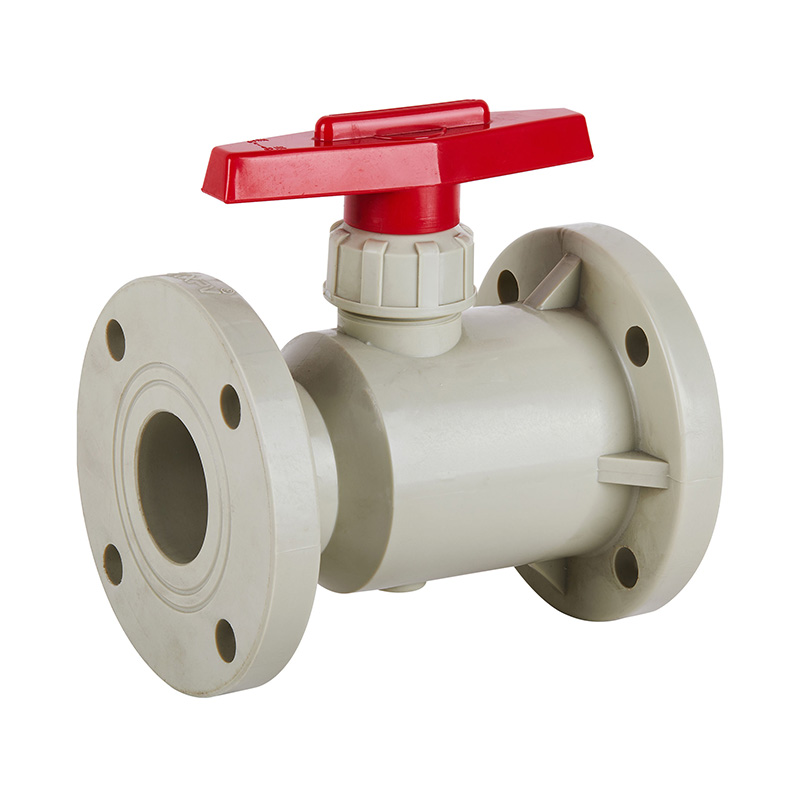
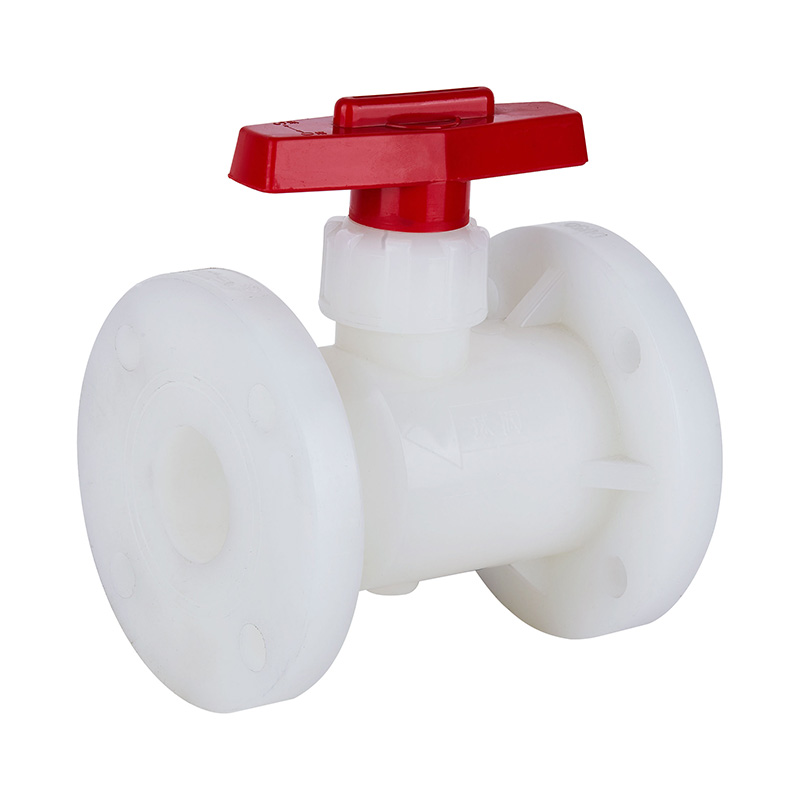
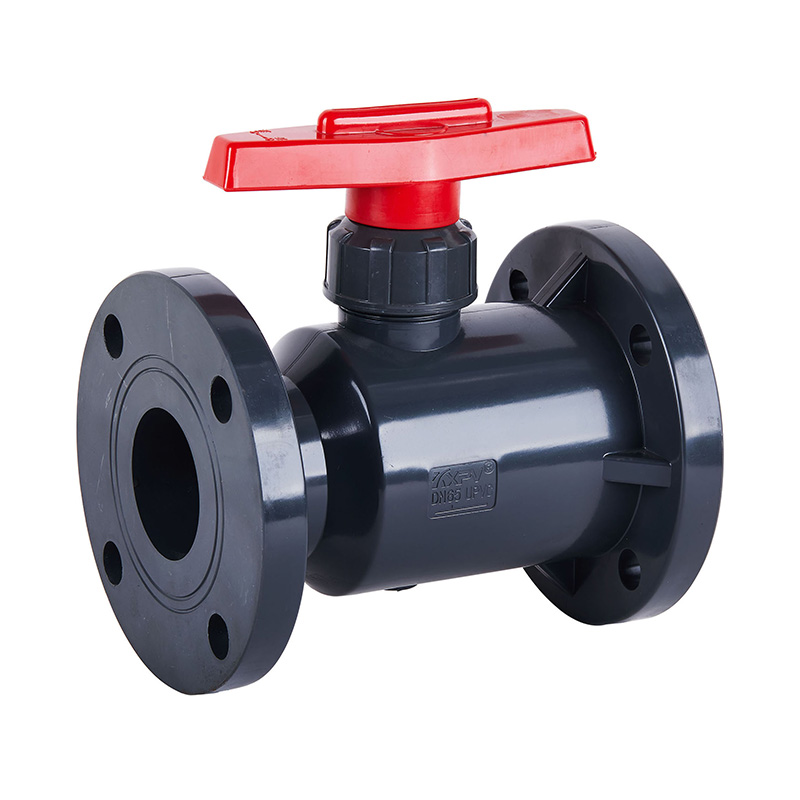
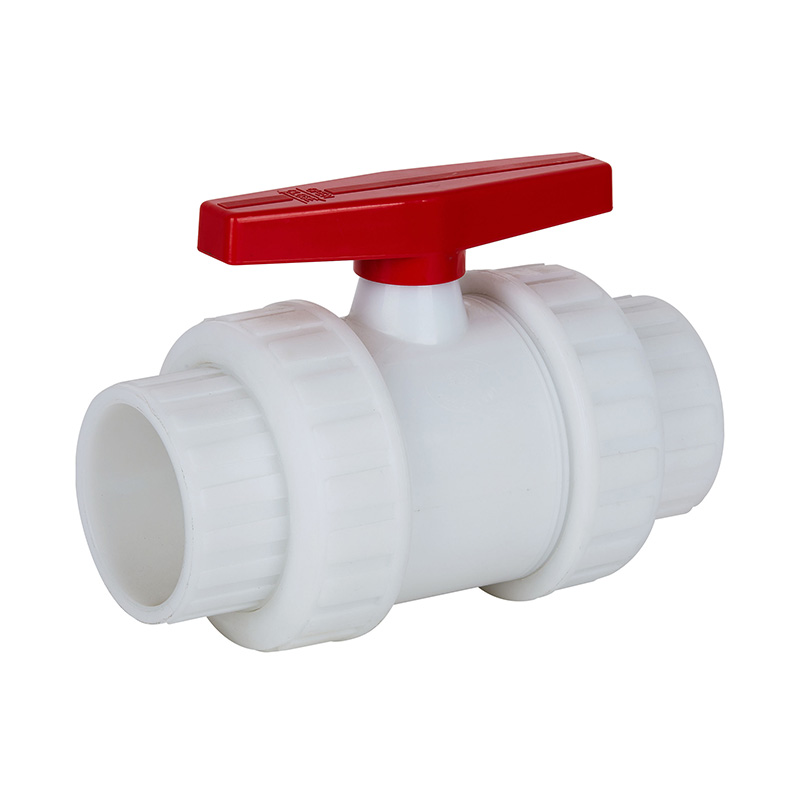

 Headquarters: No. 539 Bohai Road, Beilun District, Ningbo City, Zhejiang Province, P.R. China
 +86-18067123177