Reducing Water Hammer and Pressure Surge Issues in Check Valves
Understanding Why Water Hammer Happens in Check Valves
Water hammer and pressure surge are problems that many engineers and plant operators talk about, especially in chemical and industrial piping systems. In simple terms, water hammer happens when the flow of liquid suddenly stops or changes direction. In check valves, this usually occurs when the valve closes too fast and the moving fluid has nowhere to go. The result is a pressure spike that can travel through the pipeline, causing noise, vibration, and sometimes damage to valves, pipes, and pumps.
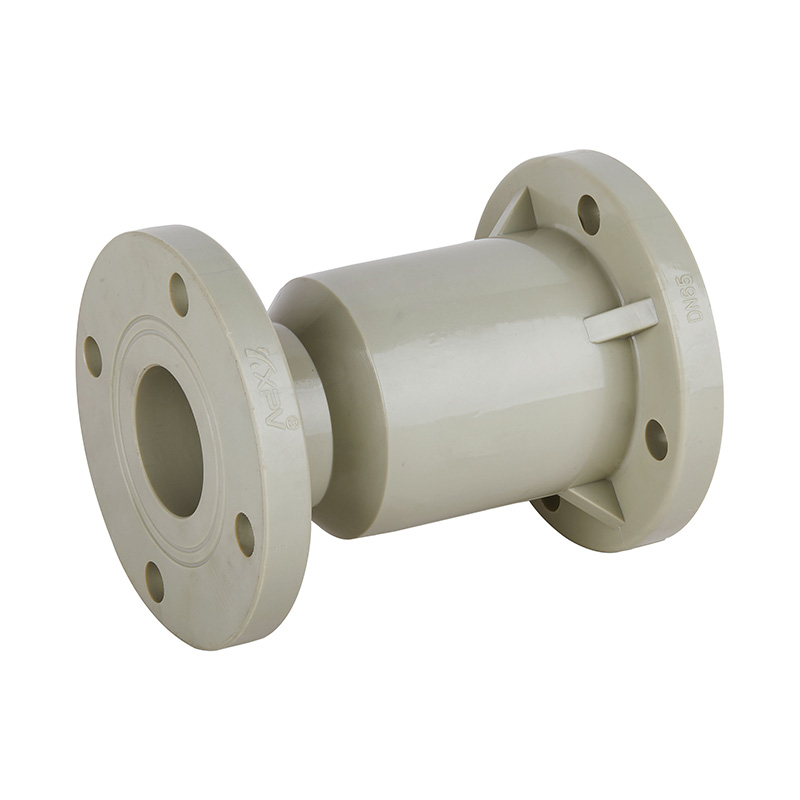
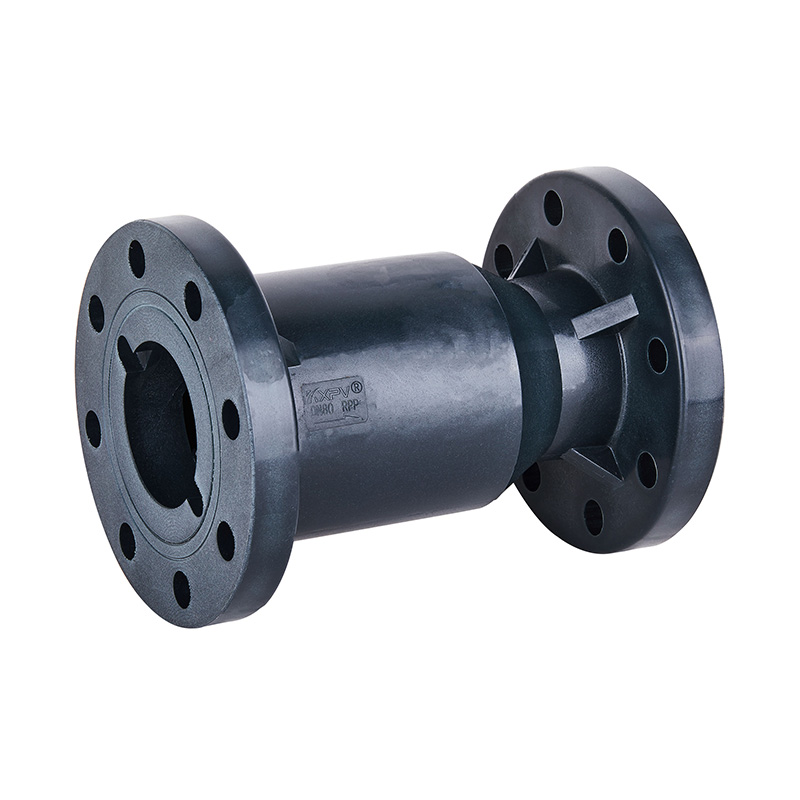
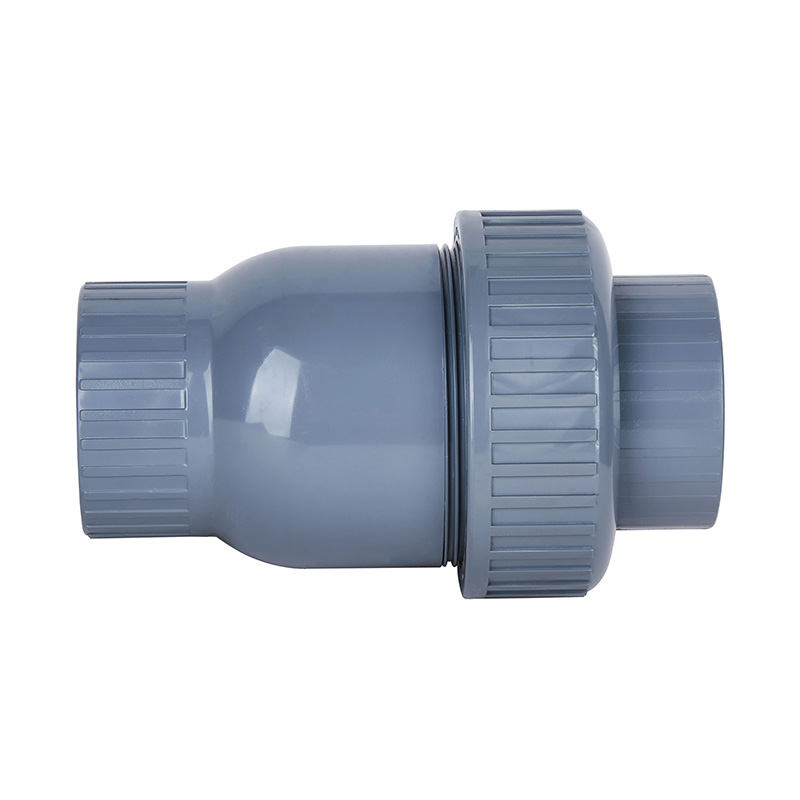
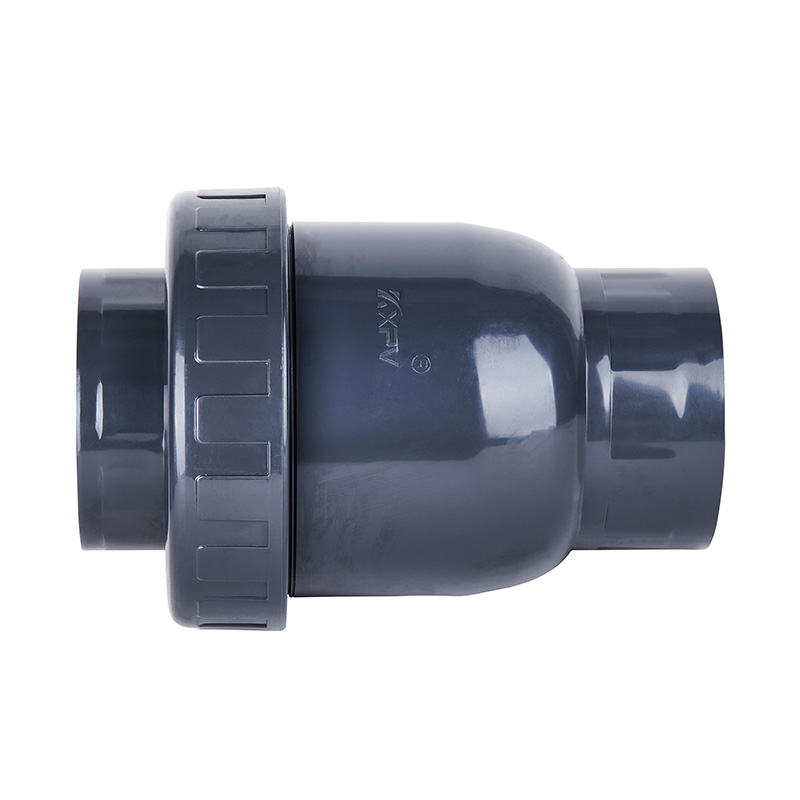
In chemical systems using non-metallic pipelines such as PVC-C, PVC-U, PVDF, PPH, and FRPP, controlling pressure surges is even more important. These materials offer strong corrosion resistance, but like all piping materials, they still have pressure limits. Kaixin Pipeline Technologies focuses on designing valves and piping systems that help users manage these challenges in real operating conditions.
The Role of Check Valve Design in Pressure Control
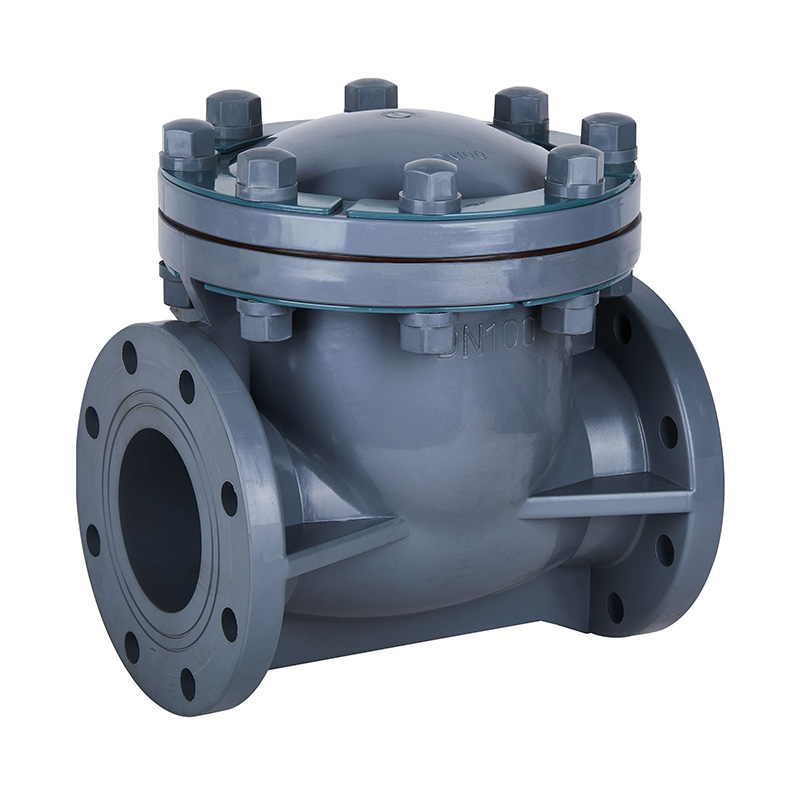
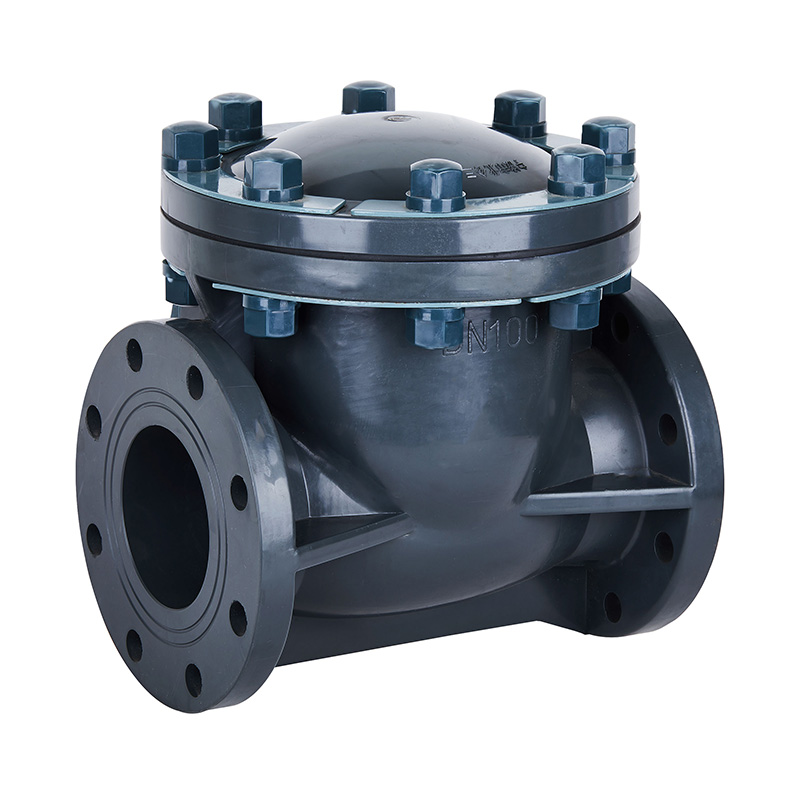
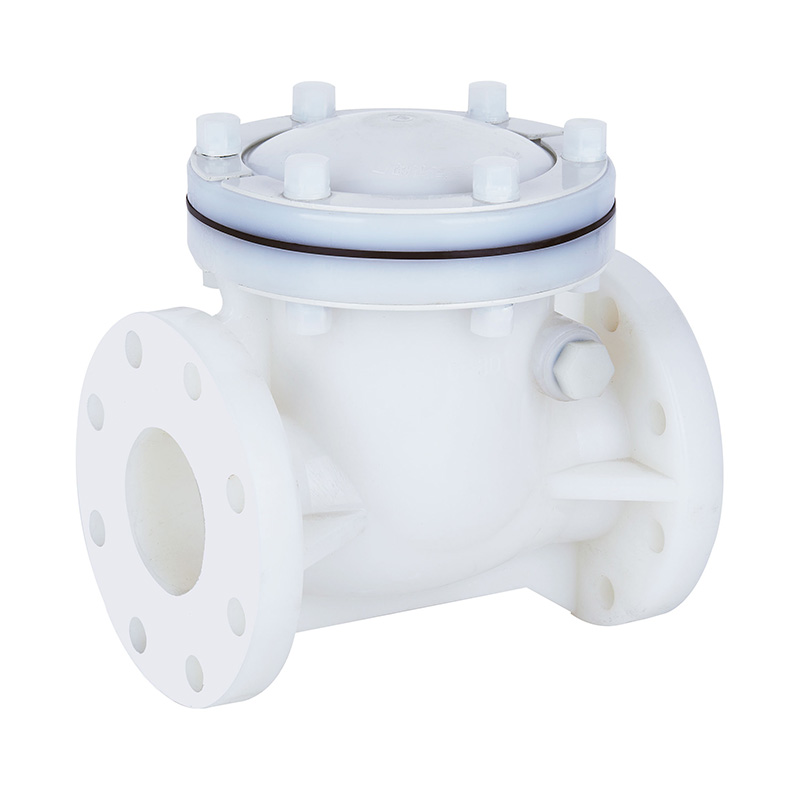
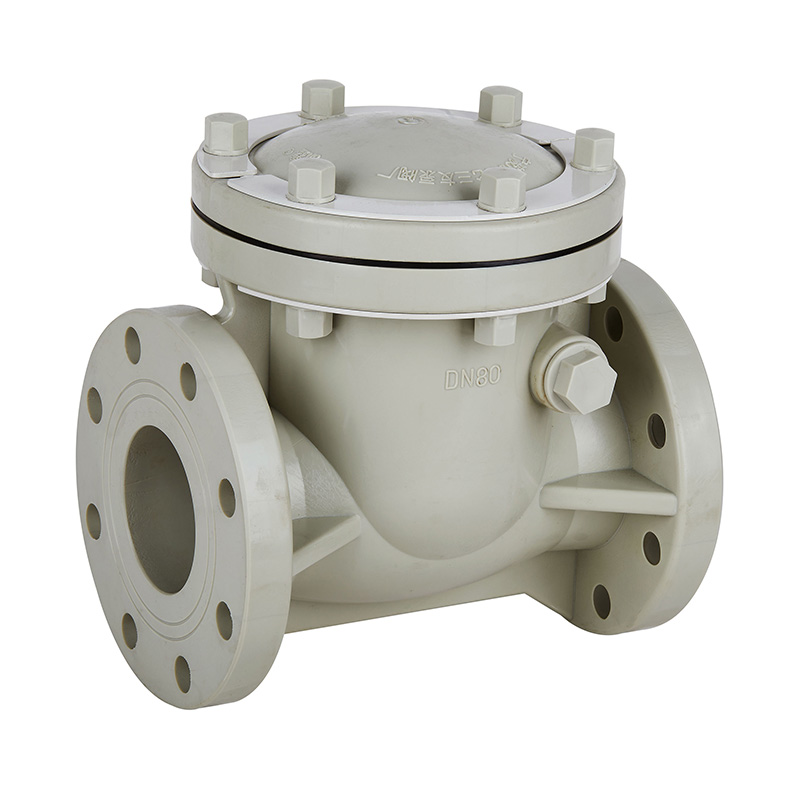
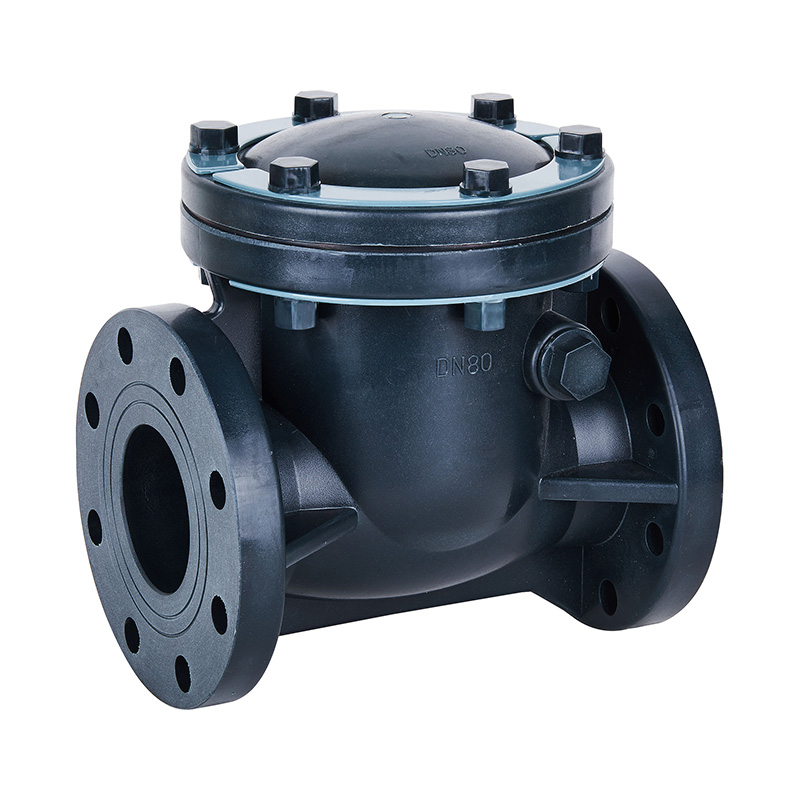
The internal structure of a check valve has a direct impact on how pressure surges develop. Traditional swing check valves with large discs may close abruptly when flow reverses. This sudden closure increases the risk of water hammer. By adjusting the disc weight, hinge position, and closing angle, manufacturers can slow down the closing speed and reduce the pressure spike.
For large-diameter systems, such as pipelines using DN800 pipes or DN1000 valves, even small changes in flow velocity can generate significant surge forces. That is why modern check valve designs focus on controlled motion rather than simple open-and-close behavior.
Using Damped and Soft-Closing Mechanisms
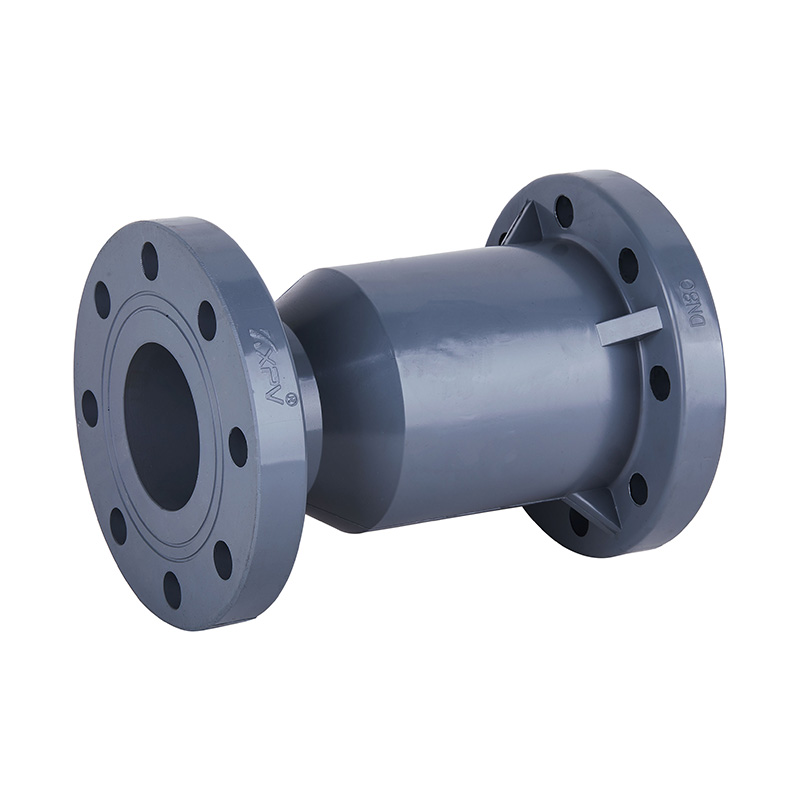
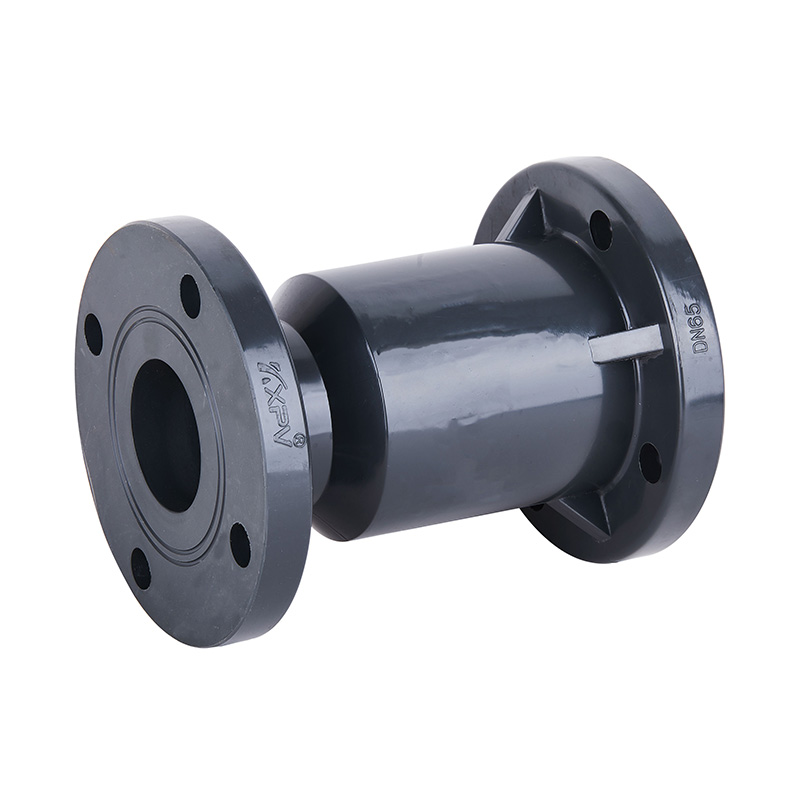
One effective way to reduce water hammer is to use check valves with damping or soft-closing mechanisms. These designs use springs, hydraulic dampers, or guided discs to slow the closing action. Instead of slamming shut, the valve closes gradually as flow decreases.
In chemical applications where flow conditions can change frequently, soft-closing check valves help protect both the valve and the surrounding piping. This approach is commonly used in systems that transport corrosive liquids, where maintenance access may be limited and reliability is a key concern.
Material Selection and Its Influence on Pressure Surge Behavior
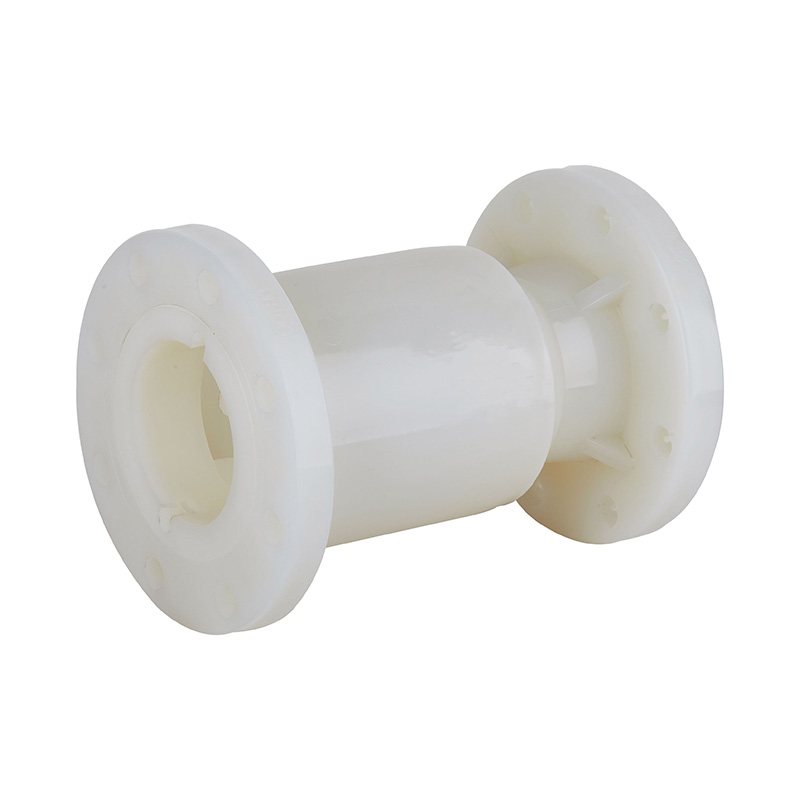
The material of the check valve body and internal components also affects how pressure surges are absorbed. Non-metallic materials such as PVDF and FRPP have different elastic properties compared to metal. This elasticity can slightly absorb pressure fluctuations, but it must be carefully considered during system design.
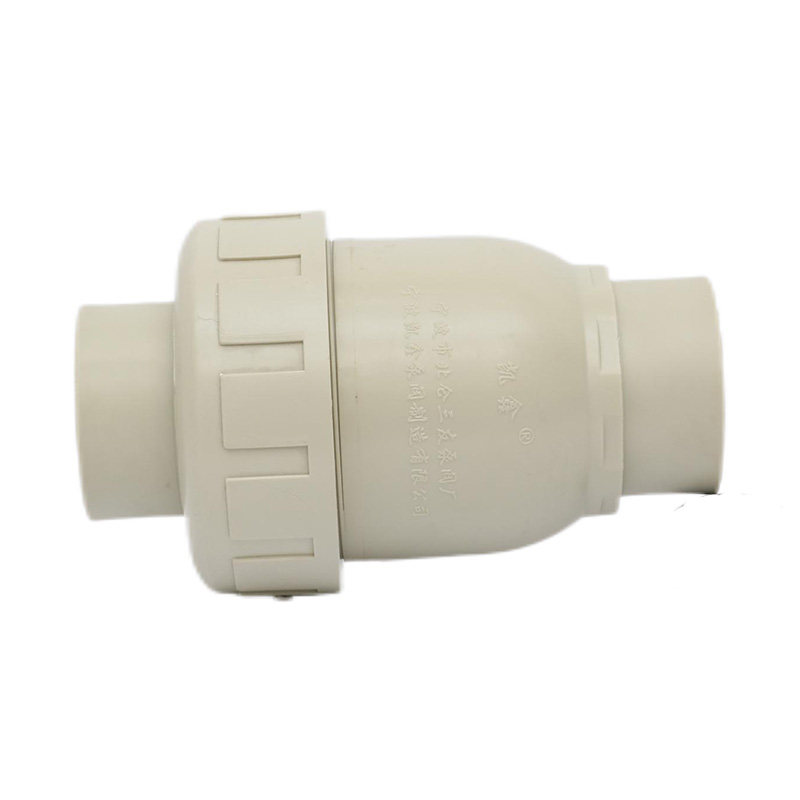
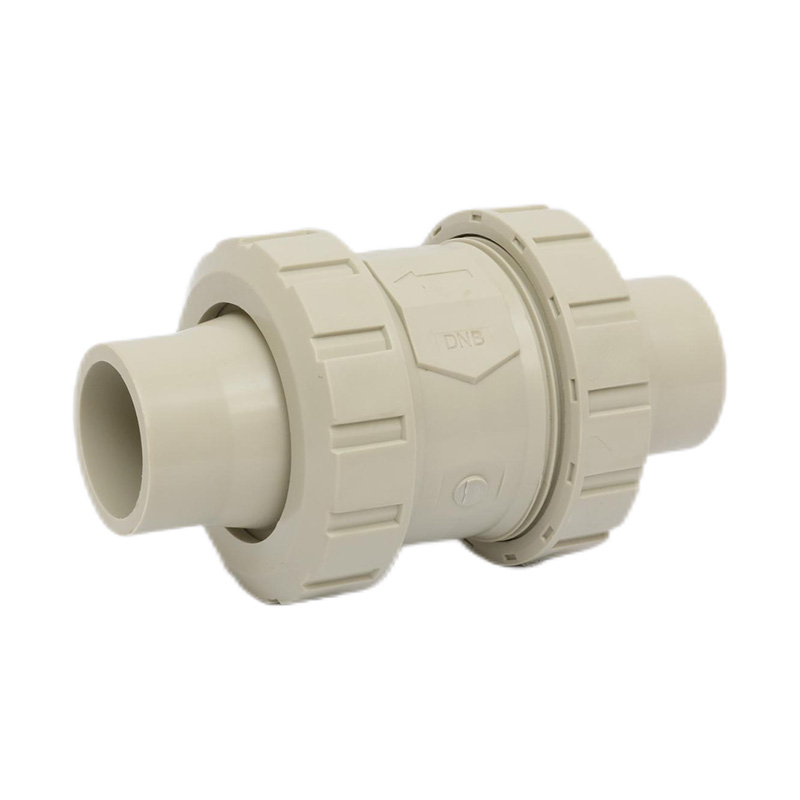
Kaixin Pipeline Technologies develops non-metallic check valves that match the behavior of plastic piping systems. By aligning valve material characteristics with pipe materials, the system responds more evenly to pressure changes, reducing localized stress points.
Pipeline Layout and Installation Practices
Even the best check valve design cannot fully prevent water hammer if the pipeline layout is not properly planned. Long straight runs, high flow velocities, and sudden changes in pipe diameter all increase the risk of pressure surges. Installing check valves too far from pumps or at incorrect orientations can also worsen the problem.
In chemical plants, valves are often installed in tight spaces. Careful attention to valve position, flow direction, and support structures helps minimize vibration and pressure shock. Installation practices should always match the valve manufacturer’s recommendations.
Controlling Flow Velocity to Reduce Surge Energy
Flow velocity plays a major role in how strong a pressure surge becomes. Higher velocities mean more kinetic energy, which translates into stronger water hammer when flow stops. By designing systems with moderate flow speeds, engineers can significantly reduce surge risk.
This is especially relevant in large-diameter non-metallic pipelines. Using appropriately sized check valves and pipes helps maintain balanced flow conditions and avoids unnecessary stress on the system.
Combining Check Valves with Surge Protection Devices
In some systems, check valves alone are not enough to manage pressure surges. Additional devices such as air chambers, surge tanks, or pressure relief valves can be used together with check valves. These components absorb excess pressure and release it in a controlled way.
In chemical applications where process stability is critical, combining multiple protection methods provides an extra layer of safety. This approach is often used in systems with frequent pump starts and stops.
Comparing Check Valve Types and Their Impact on Water Hammer
Different check valve types behave differently under changing flow conditions. Understanding these differences helps users choose the right solution for their system.
| Check Valve Type |
Closing Behavior |
Water Hammer Risk |
Typical Applications |
| Swing Check Valve |
Free swinging disc |
Higher if not damped |
Low to moderate flow systems |
| Lift Check Valve |
Vertical disc movement |
Moderate |
Compact piping layouts |
| Spring-Assisted Check Valve |
Controlled closing |
Lower |
High-frequency flow changes |
| Dual Plate Check Valve |
Balanced plate motion |
Lower |
Large-diameter pipelines |
Maintenance and Long-Term Performance Considerations
Over time, wear and deposits can change how a check valve closes. Increased friction or misalignment may cause delayed or uneven closing, increasing the risk of pressure surges. Regular inspection and maintenance help ensure that the valve continues to perform as intended.
In corrosive environments, choosing materials that resist chemical attack helps maintain smooth valve operation. Kaixin Pipeline Technologies designs check valves with long-term stability in mind, helping users maintain consistent performance with routine maintenance.
Matching Check Valve Selection to Real Operating Conditions
Reducing water hammer is not about a single solution but about matching the check valve design to actual operating conditions. Factors such as fluid type, temperature, pressure range, pipe material, and system layout all play a role.
For chemical systems using non-metallic valves and pipelines, a well-matched combination of material selection, valve structure, and installation practice provides better control over pressure surges. This approach supports safer operation and longer service life across the entire piping system.
FAQ
Q: How do check valves in chemical pipelines help protect pumps and downstream equipment?
A: In chemical pipeline systems, check valves are used to prevent reverse flow that may occur during pump shutdown or pressure fluctuation. By blocking backflow, they help reduce the risk of pump damage, seal wear, and contamination of upstream equipment, which is especially important when handling corrosive media.
Q: What factors should be considered when selecting check valves for corrosive fluids?
A: Material compatibility is a primary concern when dealing with corrosive fluids. Check valves made from PVC-C, PVC-U, PVDF, PPH, or FRPP are commonly selected based on chemical resistance, operating temperature, and pressure conditions. Matching the valve material with the pipeline system helps maintain stable long-term operation.
Q: How do non-metallic check valves perform in large-diameter piping systems?
A: In large-diameter pipelines, non-metallic check valves are designed to balance flow control and structural stability. Properly engineered valve bodies and internal components allow them to handle higher flow volumes while maintaining controlled closing behavior, helping to reduce vibration and pressure fluctuation in the system.
Q: Can check valves be customized for different installation orientations?
A: Yes, check valves can be designed to suit horizontal or vertical installation depending on system requirements. Selecting the correct structure and orientation ensures that the valve disc or plate moves smoothly with the flow, which supports reliable operation under varying process conditions.
Q: How does check valve design influence maintenance requirements?
A: The internal structure of a check valve directly affects wear patterns and maintenance frequency. Designs with guided discs or simplified flow paths tend to reduce uneven wear and buildup, making routine inspection and maintenance more manageable in chemical processing environments.
Q: What role do check valves play in maintaining process stability?
A: By preventing unwanted reverse flow, check valves help maintain stable pressure and flow direction throughout the pipeline. This stability is important in chemical processes where consistent operating conditions support product quality and reduce the likelihood of unplanned shutdowns.
Q: How can check valves be integrated with other non-metallic piping components?
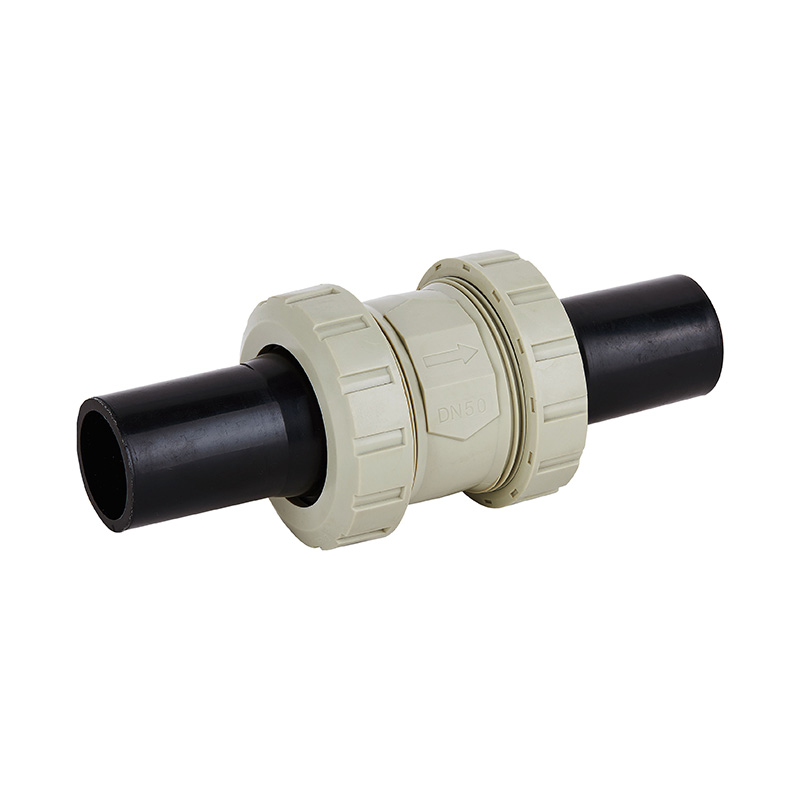
A: Check valves are typically selected to match the same material system as pipes and fittings. Using compatible non-metallic components helps ensure uniform thermal expansion, chemical resistance, and pressure performance across the entire pipeline, supporting reliable system integration.


 EN
EN English
 Español
 عربى
عربى русский
 中文简体
中文简体
 Headquarters: No. 539 Bohai Road, Beilun District, Ningbo City, Zhejiang Province, P.R. China
 +86-18067123177