How Bottom Valves Keep Pumps Full and Prevent Backflow in Chemical Systems
What role does a bottom valve play in a pump system?
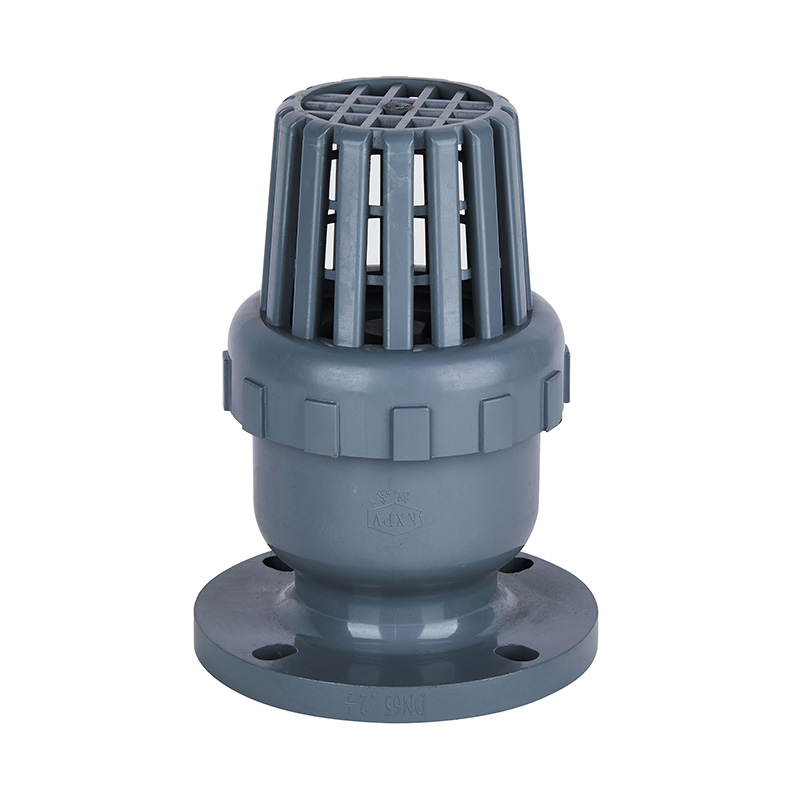
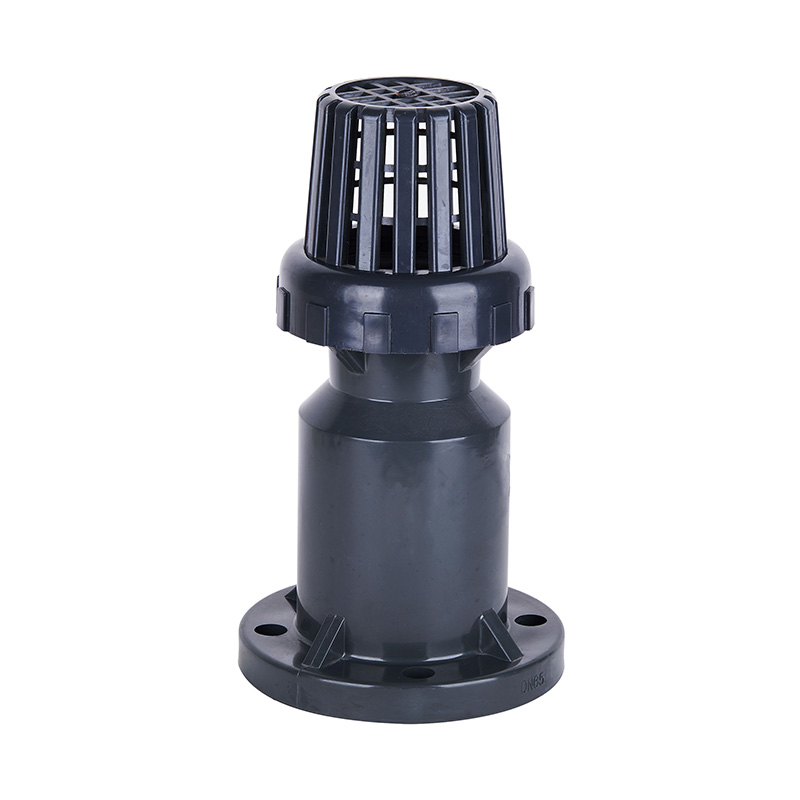
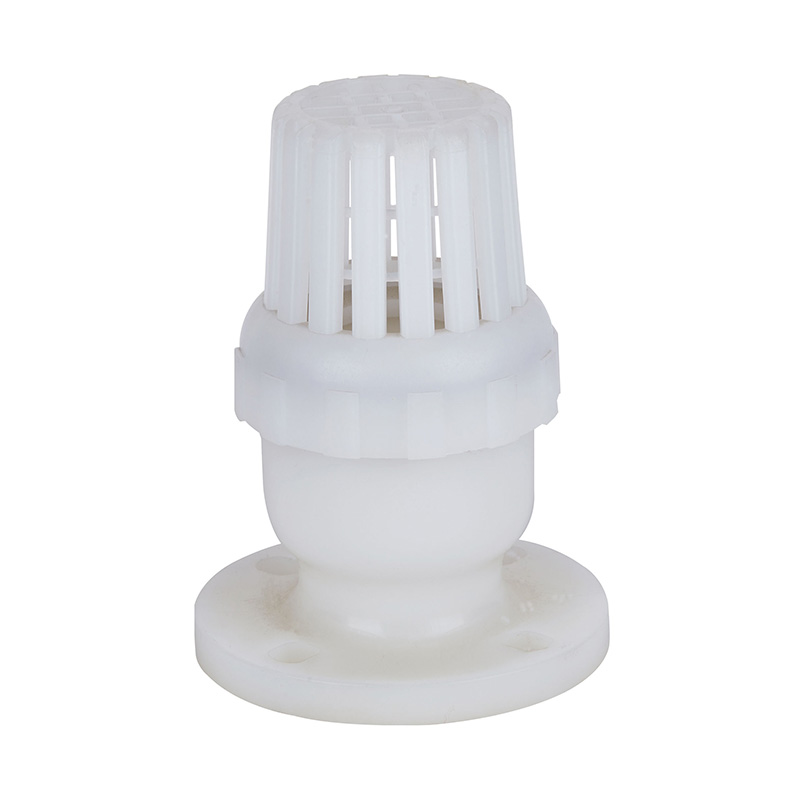
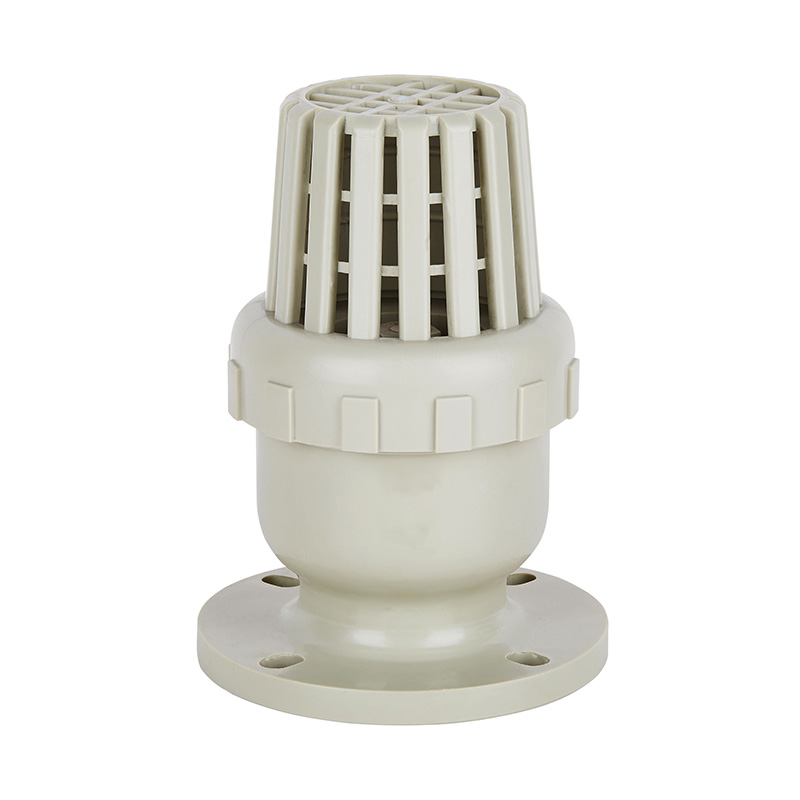
In a pump system, a bottom valve acts like a gatekeeper at the bottom of the suction line. When the pump stops, it closes automatically to prevent the liquid from flowing back down the pipe. This keeps the pump body filled with liquid, which is especially important in chemical systems where re-priming the pump can be time-consuming and may expose operators to hazardous fluids. A bottom valve also helps maintain a stable working pressure and reduces the risk of dry running, which can damage the pump and shorten its service life.
Why is maintaining a filled pump body so important in chemical applications?
In chemical processes, many fluids are corrosive, viscous, or prone to foaming. If the pump body loses its liquid and runs dry, the internal parts can overheat or wear out faster, and the fluid can break down or change properties when exposed to air. Keeping the pump body filled helps ensure consistent performance and reduces the risk of sudden failures. For manufacturers like Kaixin Pipeline Technologies, which focuses on corrosion-resistant systems, this is a key factor in keeping production stable and safe.
How does the bottom valve actually prevent backflow?
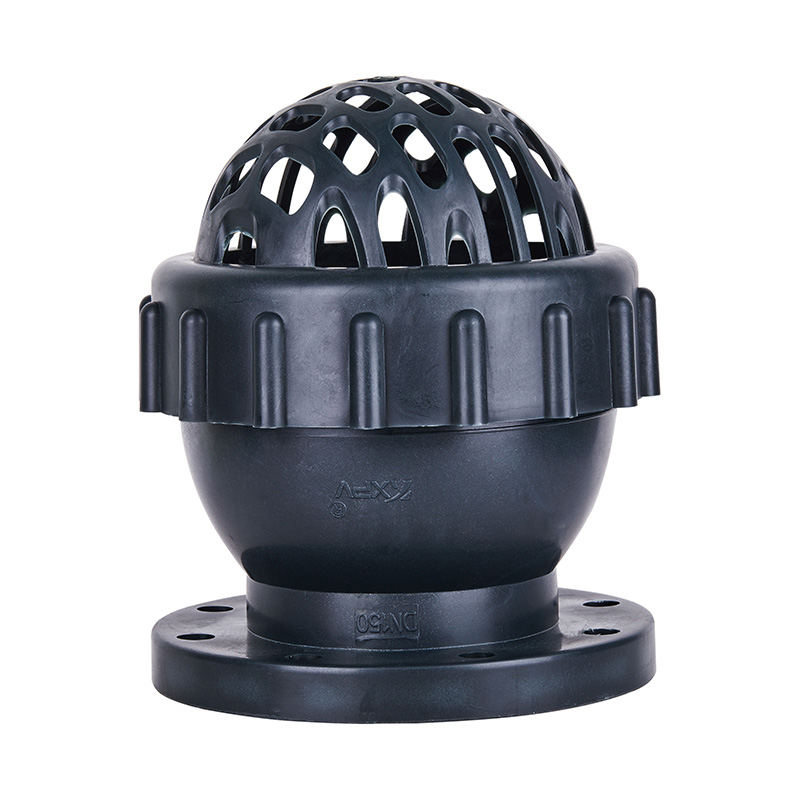
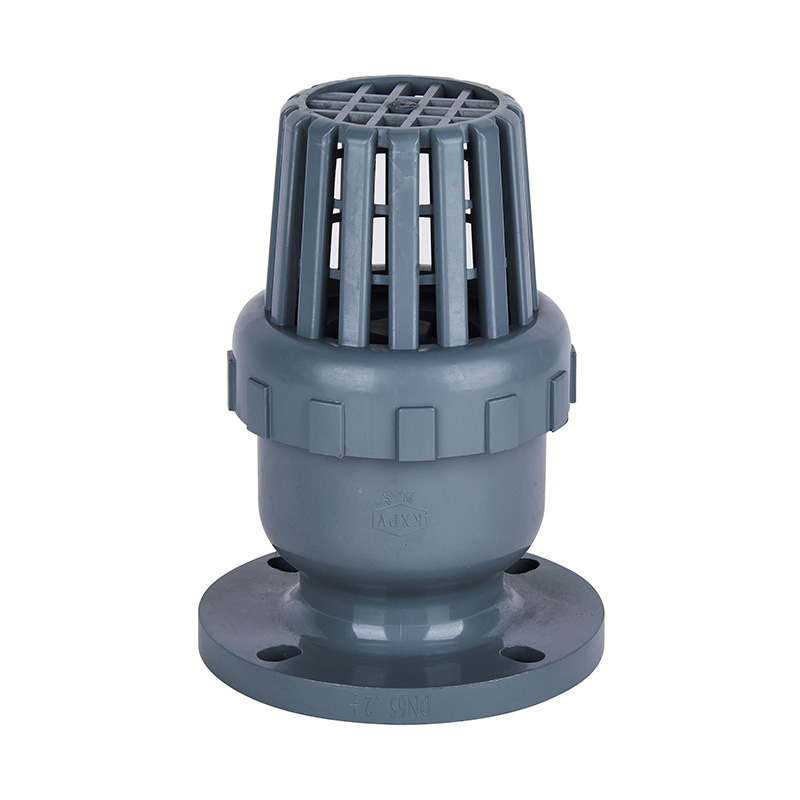
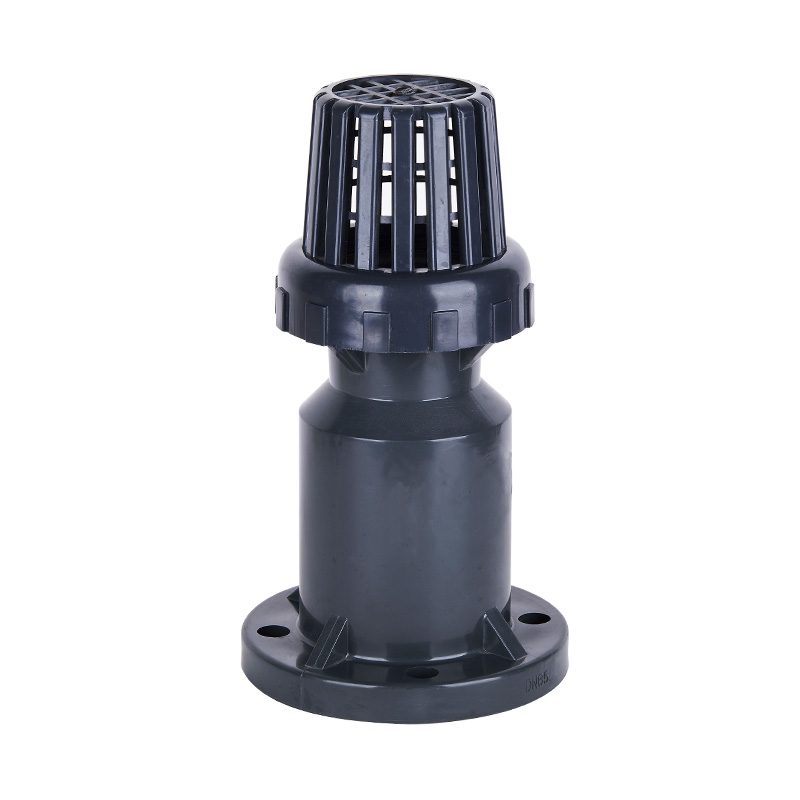
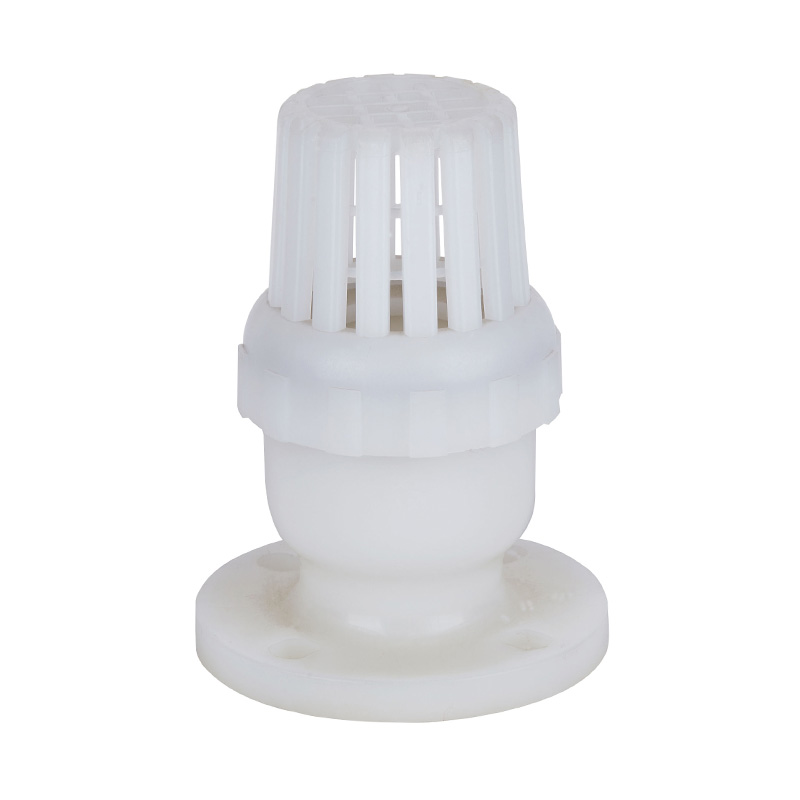
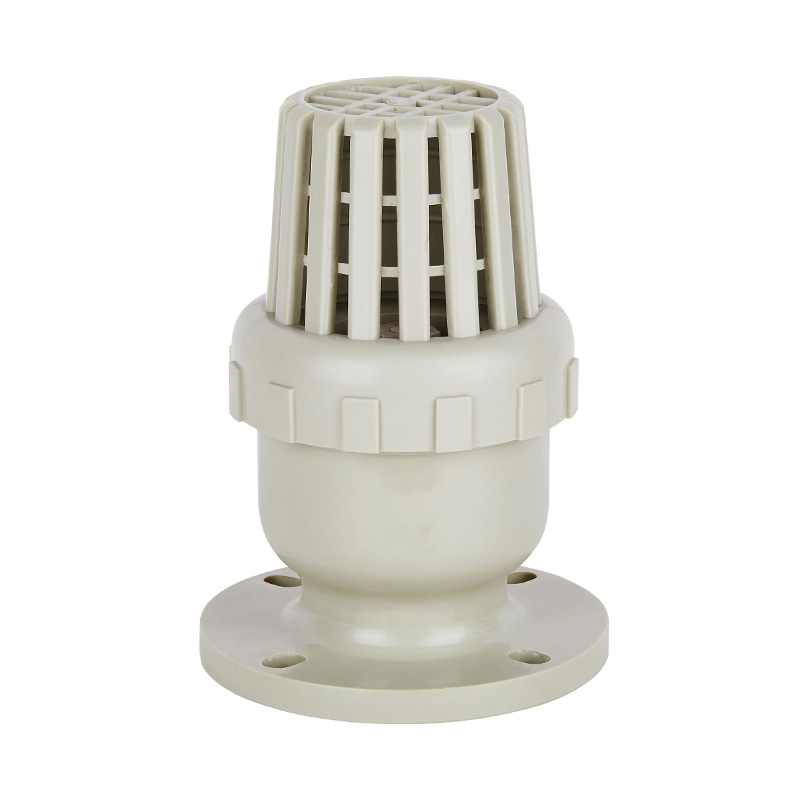
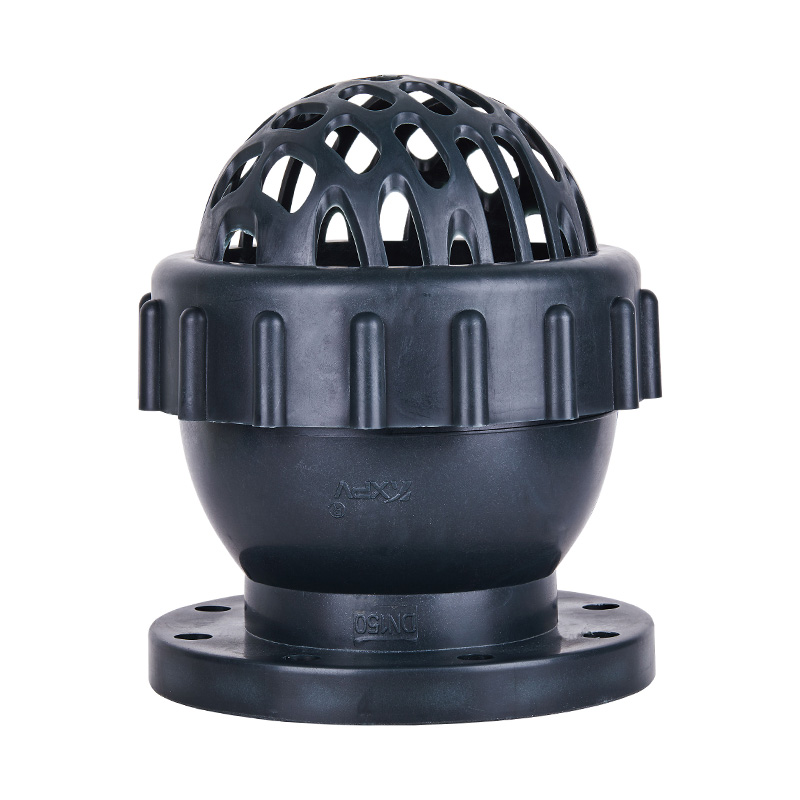
Bottom valves typically use a sealing mechanism such as a spring-loaded check or a floating ball design. When the pump is operating, the liquid pressure pushes the valve open, allowing fluid to flow into the pump. When the pump stops, the pressure drops, and the valve closes quickly. This closure blocks the reverse flow, effectively sealing the line. The speed and reliability of this closing action are crucial, because slow closure can still allow liquid to drain back, causing the pump to lose its prime.
What design features help bottom valves stay reliable in corrosion-resistant systems?
To match the demands of chemical environments, bottom valves are often built from materials like PVC-C, PVDF, PPH, and FRPP. These materials resist corrosion and maintain structural integrity under harsh conditions. A common feature is a fully enclosed sealing seat, which reduces leakage paths and keeps the valve functioning even when the fluid contains abrasive particles or aggressive chemicals. At Kaixin Pipeline Technologies, the emphasis on non-metallic materials and high-quality manufacturing helps ensure the valve performs consistently in industrial settings.
What are the key advantages of a bottom valve maintaining a filled pump body?
When a bottom valve keeps the pump body filled, the system stays ready to restart without manual intervention. This reduces downtime and improves operational efficiency. It also reduces the risk of air entering the system, which can cause cavitation, pressure instability, and fluctuating flow rates. In chemical plants, where maintaining stable process conditions is essential, these benefits translate into more predictable operations and fewer safety risks.
What are the trade-offs or challenges when using bottom valves?
One challenge is that bottom valves can become clogged if the fluid contains solids or if sediment builds up over time. In such cases, regular maintenance is required to ensure the valve closes properly. Another consideration is that some valve designs may not work well in high-viscosity or highly foaming fluids, because the flow dynamics can delay valve closure. Choosing the right material and design for the specific fluid and operating conditions is critical, especially in chemical applications where failure can have serious consequences.
What should operators pay attention to when selecting and using bottom valves?
Operators should consider the fluid type, operating pressure, temperature range, and the presence of solids or contaminants. It is also important to select a valve size that matches the pump and pipe diameter to avoid flow restrictions. In chemical systems, material compatibility is especially important, so choosing a valve made from PVC-C, PVDF, PPH, or FRPP can help prevent corrosion and extend service life. Additionally, periodic inspection and cleaning can prevent blockage and ensure the valve closes fully.
How can a manufacturer like Kaixin Pipeline Technologies help ensure the bottom valve performs well?
With strong R&D and manufacturing capabilities, Kaixin Pipeline Technologies offers bottom valves designed specifically for corrosion-resistant systems. The company’s expertise in plastic valves and high-quality production standards supports reliable performance in demanding chemical environments. By providing a wide range of materials and sizes, including solutions up to DN800 for pipes and fittings, the company can match the right valve to each application, helping customers maintain stable operations and reduce maintenance needs.
| Factor |
Impact on Bottom Valve Performance |
Typical Solution |
| Fluid Corrosiveness |
Can degrade metal valves over time |
Use PVC-C, PVDF, PPH, or FRPP materials |
| Presence of Solids |
Can cause clogging or prevent sealing |
Choose a design with larger flow paths and regular cleaning |
| Operating Pressure |
Higher pressure requires stronger sealing |
Use spring-loaded or reinforced sealing structures |
| System Stability |
Backflow causes pump to lose prime |
Use quick-closing bottom valve designs |
FAQ
Q: What materials are commonly used in the construction of bottom valves for chemical applications?
A: Bottom valves used in chemical applications are often constructed from corrosion-resistant materials such as PVC-C, PVDF, PPH, and FRPP. These materials are selected for their ability to withstand harsh chemical environments, high pressures, and temperature variations, ensuring long-lasting performance in industrial systems.
Q: How does the sealing mechanism in a bottom valve prevent backflow of fluids?
A: The sealing mechanism in a bottom valve typically consists of a floating ball or a spring-loaded design. When the fluid pressure drops or when the pump is not operating, the valve automatically closes, creating a tight seal that prevents any fluid from flowing back into the system, maintaining the integrity of the pipeline.
Q: What factors should be considered when selecting a bottom valve for a pumping system?
A: When selecting a bottom valve, it is crucial to consider factors such as the type of fluid being handled, the pressure range, the temperature conditions, and the compatibility with other system components. The material of the valve is especially important in chemical applications to ensure that it can withstand corrosion and other chemical reactions.
Q: Can bottom valves be used in systems that handle non-metallic fluids?
A: Yes, bottom valves are commonly used in systems handling non-metallic fluids, such as chemical processes involving PVC-C, PVDF, or FRPP. These valves are designed to maintain fluid containment and prevent contamination, even in systems that handle aggressive or corrosive fluids.
Q: What are the typical maintenance requirements for bottom valves?
A: Regular maintenance for bottom valves includes inspecting for wear, checking seals for integrity, cleaning the valve components to remove any debris or buildup, and verifying that the valve closes properly. In chemical applications, it's also important to check for signs of chemical degradation or corrosion and replace parts as necessary to maintain optimal performance.
Q: How does the size of the bottom valve impact its performance in large-scale systems?
A: The size of the bottom valve plays a significant role in its ability to manage large fluid volumes and pressures. Larger bottom valves, such as those reaching DN1000 in diameter, are designed to handle high-flow systems efficiently while preventing backflow and maintaining fluid integrity. Proper sizing ensures that the valve can accommodate the system's specific needs without compromising performance.
Q: Are bottom valves suitable for both industrial and residential applications?
A: While bottom valves are commonly used in industrial applications, particularly in chemical and wastewater treatment systems, they can also be used in residential applications where backflow prevention is required. However, the materials and designs for residential systems may differ from those used in industrial-grade valves to meet specific operational and safety standards.


 EN
EN English
 中文简体
中文简体

 Headquarters: No. 539 Bohai Road, Beilun District, Ningbo City, Zhejiang Province, P.R. China
 +86-18067123177