How Sealing Structure Shapes Leakage Prevention in Butterfly Valves?
Why sealing structure matters more than many users expect
In chemical and industrial piping systems, leakage is not just a maintenance issue. It directly affects safety, operating stability, and long term operating costs. Butterfly valves are widely used because of their compact structure and ease of operation, but their leakage prevention ability depends heavily on sealing design. For manufacturers like Kaixin Pipeline Technologies Co., Ltd., which focuses on non-metallic corrosion-resistant systems, sealing structure is often the key factor that determines whether a valve can perform reliably under real working conditions.
Unlike metal valves used in mild environments, plastic and composite butterfly valves often operate in corrosive fluids, fluctuating temperatures, and continuous pressure cycles. Under these conditions, even small differences in sealing geometry or material selection can lead to noticeable changes in leakage behavior over time.
Basic sealing concepts used in butterfly valves
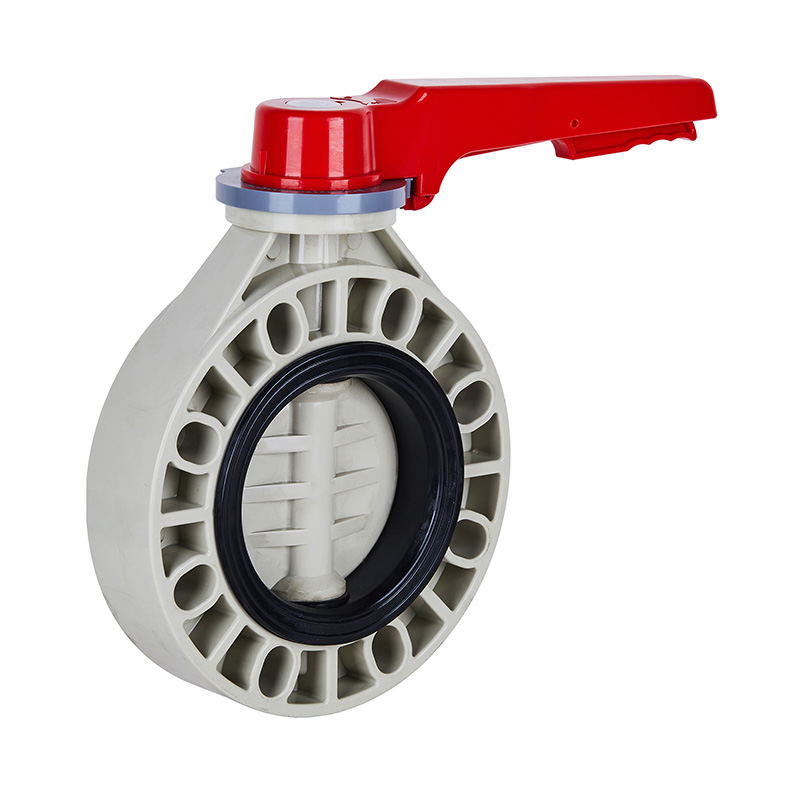
The sealing structure of a butterfly valve usually refers to the interface between the valve disc and the valve seat. This interface must block fluid flow when the valve is closed, while still allowing smooth rotation during opening and closing. In non-metallic butterfly valves, the sealing structure often combines elastic deformation with precise dimensional control.
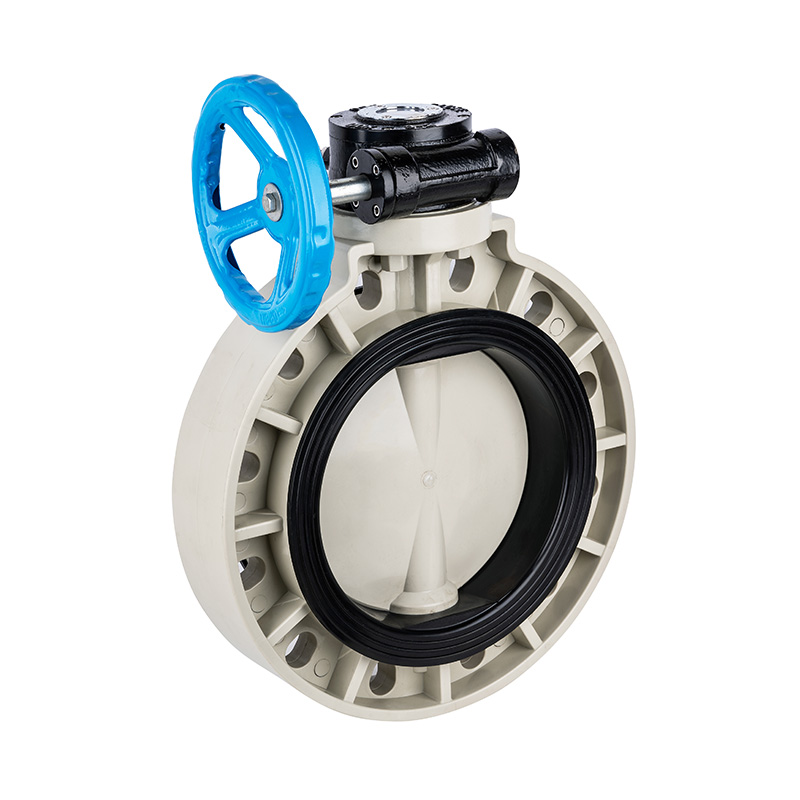
Most designs rely on soft seals made from polymers or elastomers that can adapt to small surface irregularities. This flexibility is especially important in large-diameter valves, such as DN800 or DN1000 butterfly valves, where uniform contact pressure is more difficult to achieve.
Soft seal structures and their impact on leakage prevention
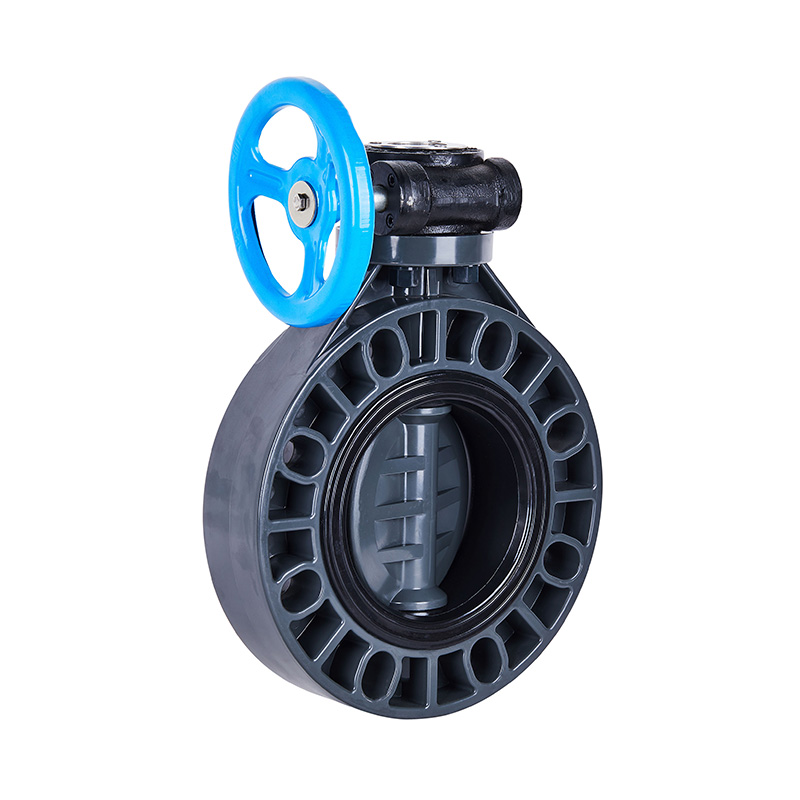
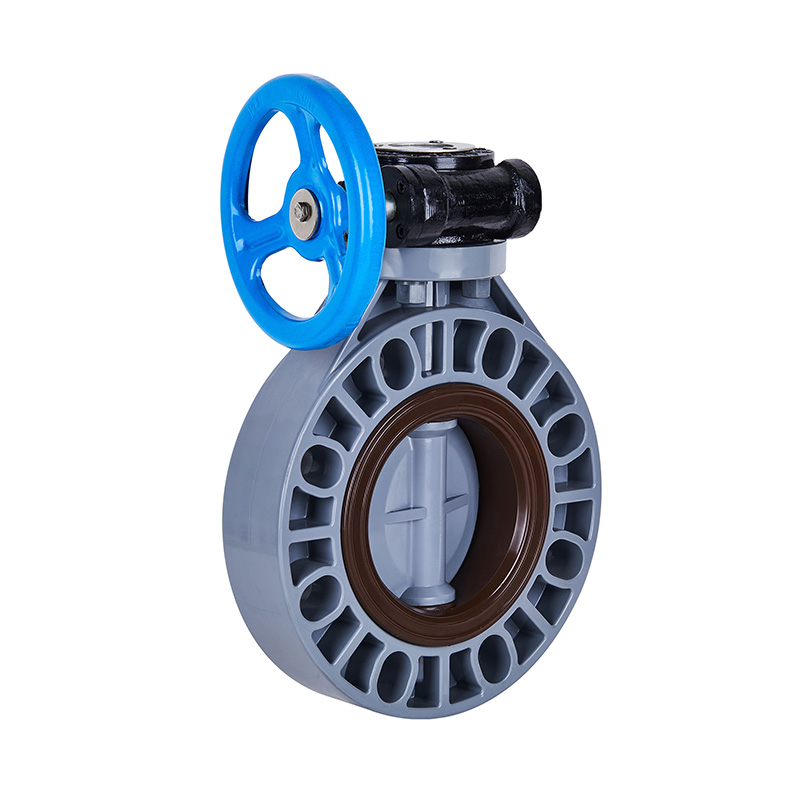
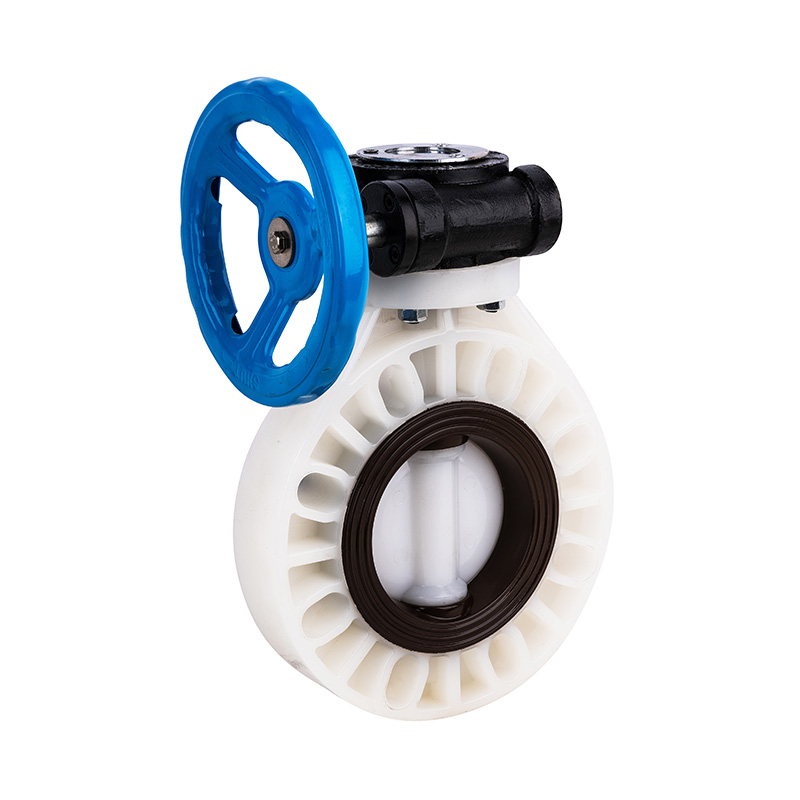
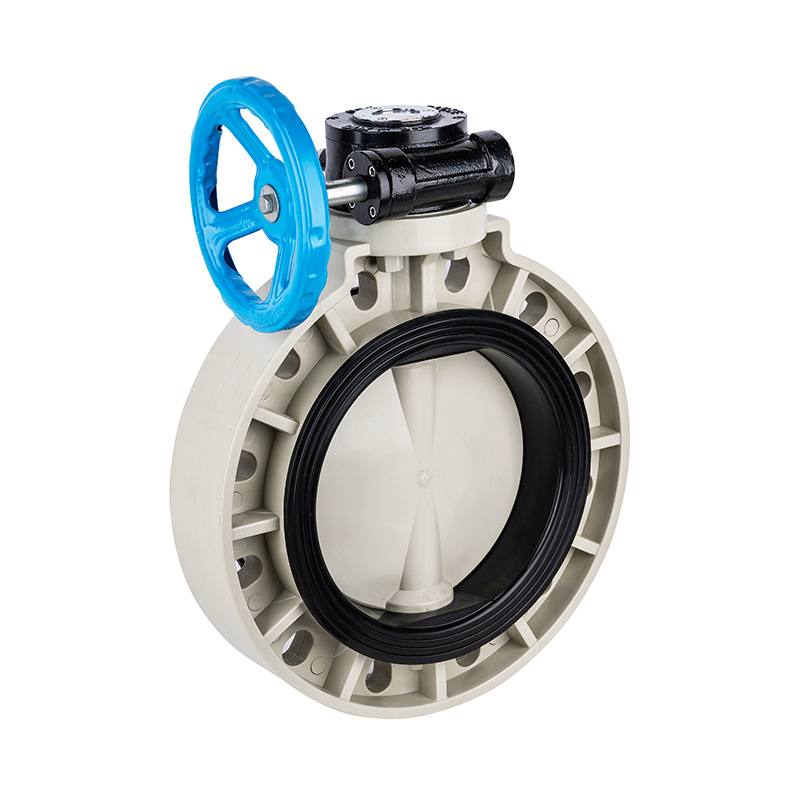
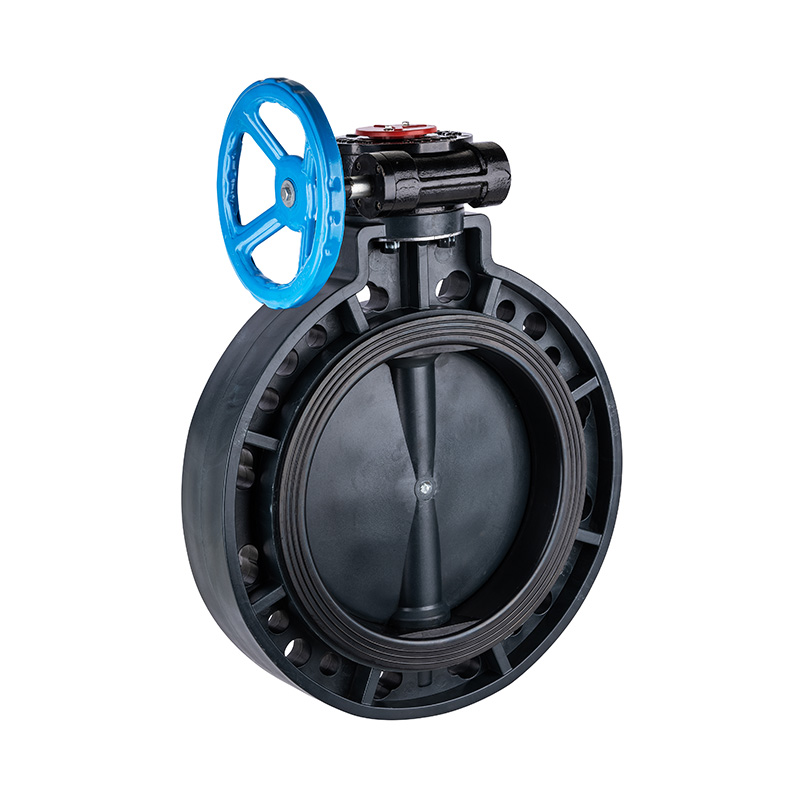
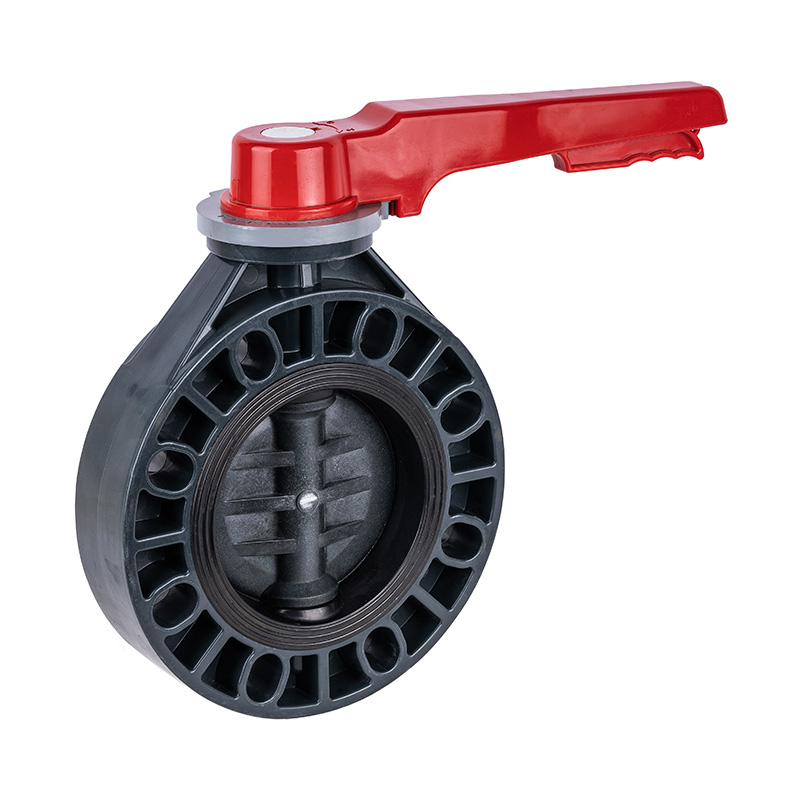
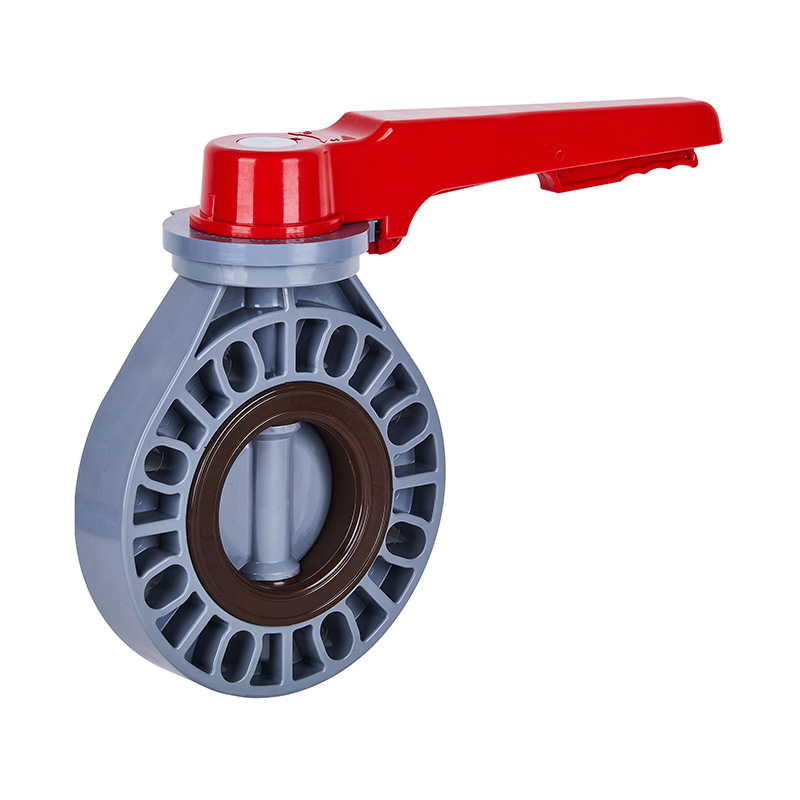
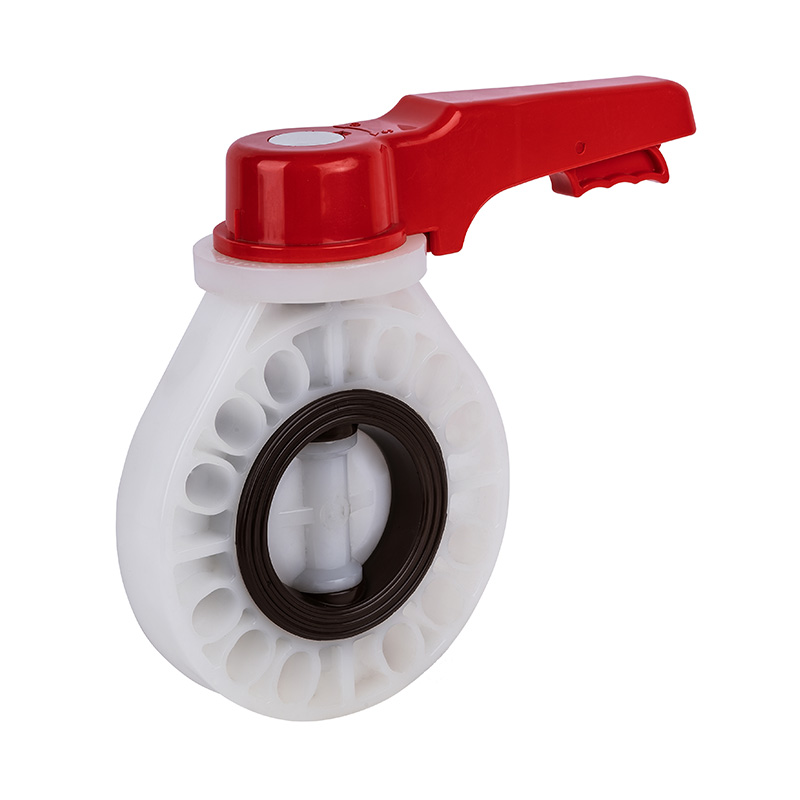
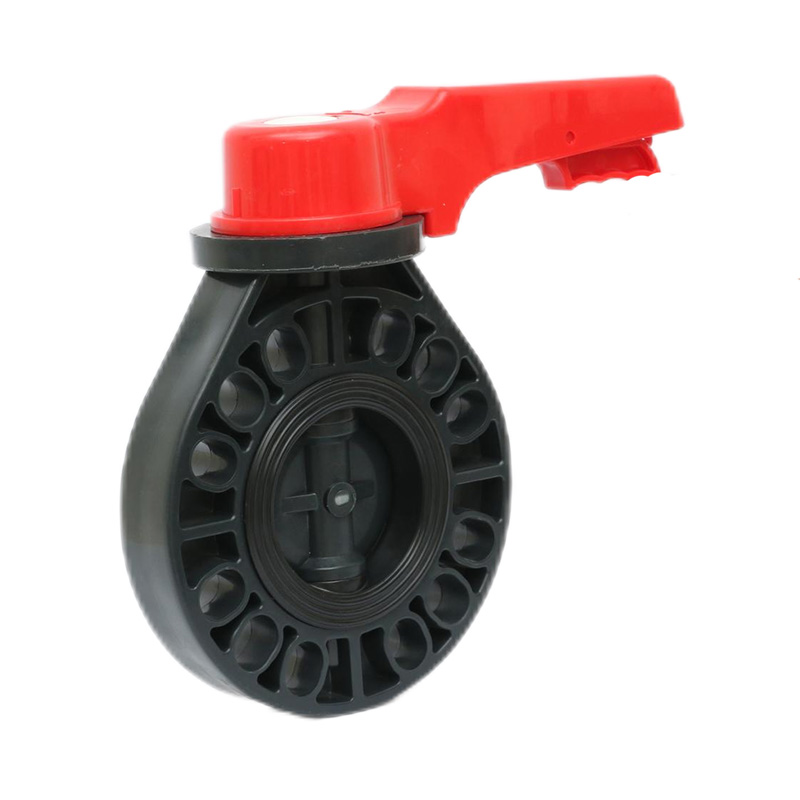
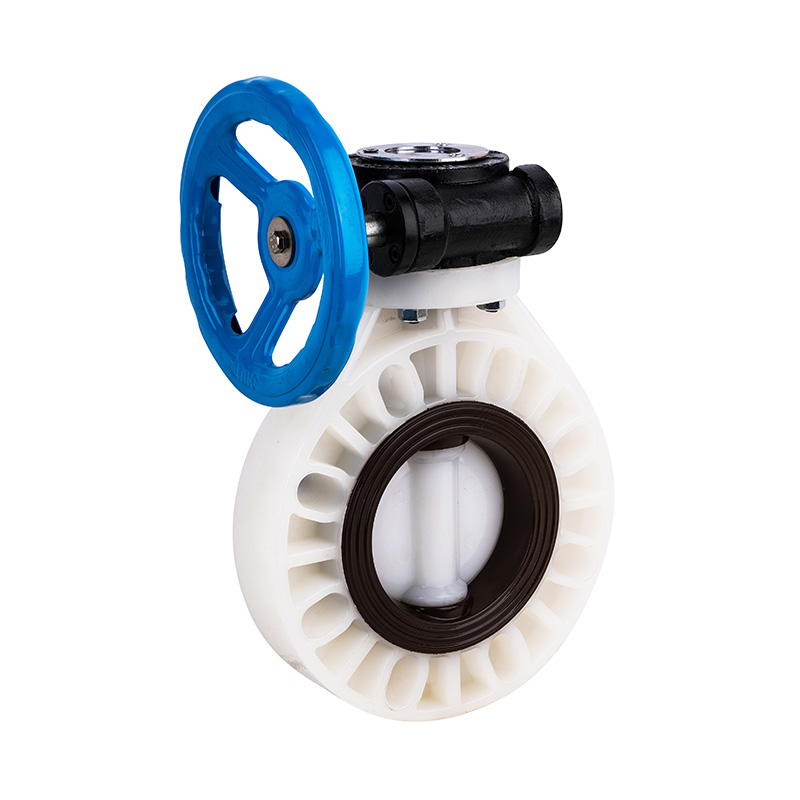
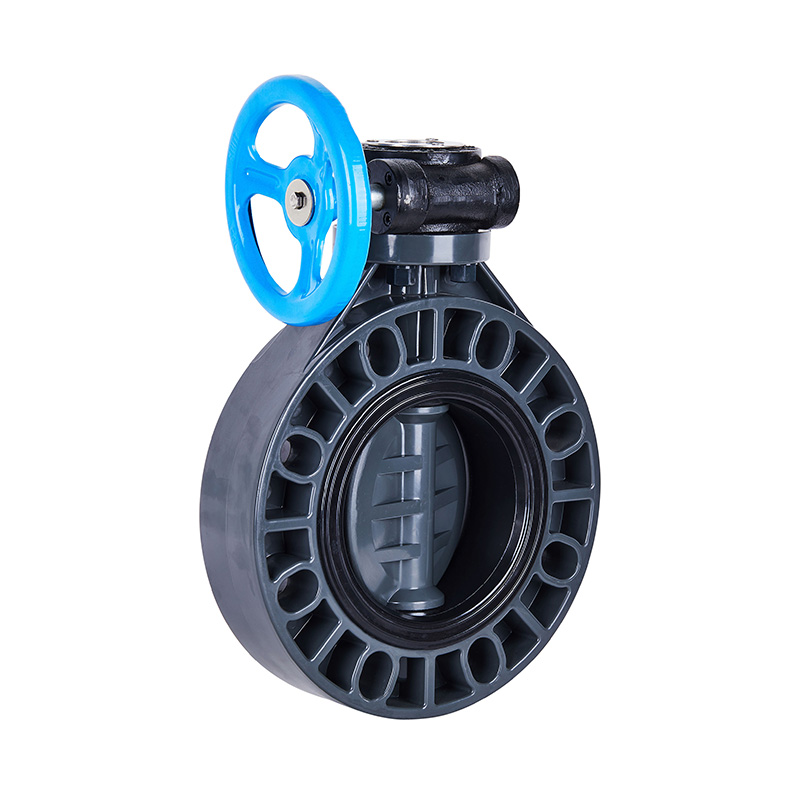
Soft sealing structures are commonly used in corrosion-resistant butterfly valves made from PVC-U, PVC-C, PVDF, PPH, or FRPP systems. These seals usually sit in a groove within the valve body or are bonded to the valve disc. When the disc rotates into the closed position, the seal deforms slightly to create a tight barrier.
The advantage of soft seals is their ability to compensate for small misalignments, thermal expansion, and surface wear. This makes them suitable for chemical pipelines where operating conditions change frequently. However, sealing performance depends on seal compression ratio and material resilience. If compression is too low, leakage can occur. If it is too high, seal wear accelerates.
Double offset and triple offset sealing logic
In larger or more demanding systems, offset sealing structures are often introduced. A double offset butterfly valve changes the position of the disc shaft relative to the seal, reducing friction during operation. This helps protect the seal surface and maintain leakage prevention over repeated cycles.
Although triple offset designs are more common in metal valves, the logic behind reducing contact stress is still relevant in non-metallic systems. By carefully controlling how and when the seal contacts the seat, manufacturers can balance sealing tightness with service life.
Material choice and its interaction with sealing geometry
Sealing structure cannot be separated from material selection. In Kaixin Pipeline Technologies Co., Ltd.’s product range, materials such as PVDF and PVC-C are often selected for their chemical resistance and dimensional stability. These properties influence how seals behave under pressure and temperature changes.
For example, a PVDF butterfly valve operating in a chemical plant may experience higher temperatures than a PVC-U valve in water treatment. The sealing structure must account for thermal expansion differences between the valve body, disc, and seal. Poor matching can lead to uneven sealing pressure and localized leakage.
Sealing performance under pressure and vacuum conditions
Many users focus on pressure ratings but overlook vacuum performance. Sealing structures that work well under positive pressure may behave differently under vacuum. Soft seals can deform inward, potentially losing contact with the disc edge.
For corrosion-resistant butterfly valves used in chemical transfer systems, designers often reinforce the sealing groove or adjust seal hardness to maintain contact under both pressure and vacuum conditions. This structural detail has a direct impact on leakage prevention reliability.
Installation alignment and its influence on sealing effectiveness
Even a well-designed sealing structure can fail if installation conditions are poor. Butterfly valves rely on proper alignment between flanges to ensure uniform seal compression. Misaligned pipelines can introduce side loads that distort the valve body or seat.
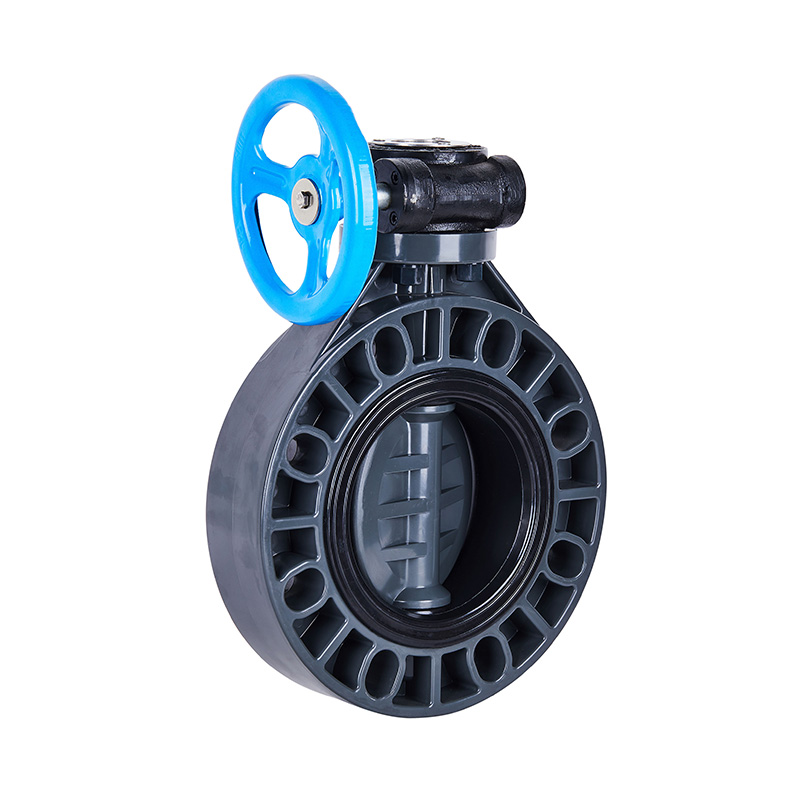
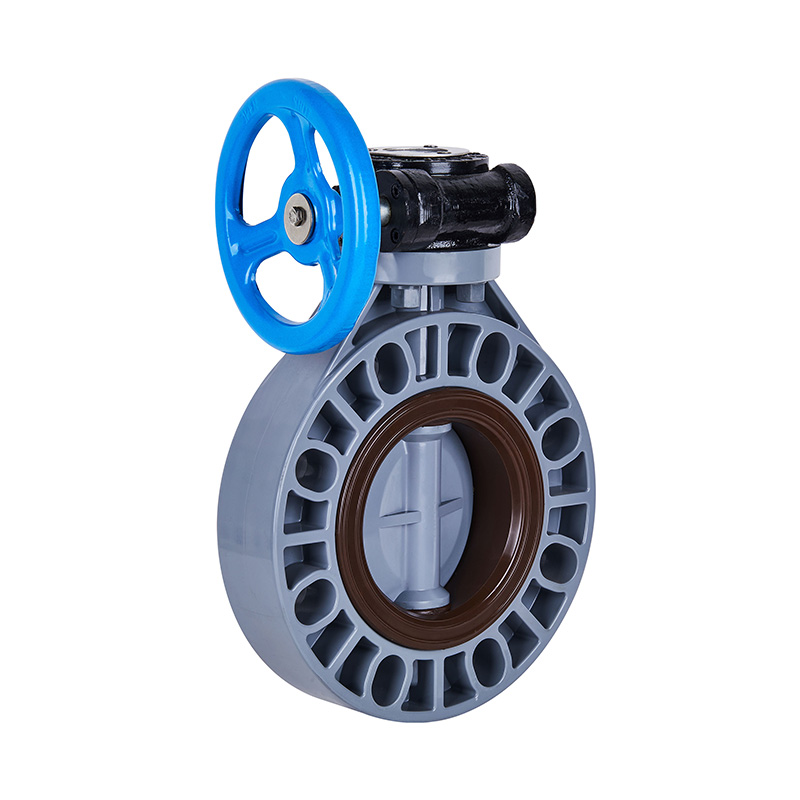
Manufacturers with experience in large-diameter valves often design sealing structures with some tolerance for installation variation. This is particularly important for DN800 and DN1000 butterfly valves, where installation conditions on site are harder to control.
Wear patterns and long-term leakage behavior
Over time, repeated opening and closing leads to wear at the seal-disc interface. The sealing structure determines where this wear concentrates. Designs that distribute contact stress evenly tend to maintain leakage prevention longer.
In chemical environments, wear is often combined with chemical aging. Seal materials may harden or soften depending on the media. A well-designed sealing structure allows for predictable wear patterns, making maintenance planning more realistic for plant operators.
Comparison of common sealing structures
| Sealing Structure Type |
Leakage Prevention Behavior |
Typical Application |
Main Limitation |
| Body-mounted soft seal |
Adapts well to small deformations and pressure changes |
General chemical pipelines |
Seal replacement may require valve removal |
| Disc-mounted soft seal |
Consistent contact pressure during rotation |
Medium to large diameter valves |
Seal wear directly affects disc performance |
| Offset sealing structure |
Reduced friction and slower seal wear |
High-cycle operation systems |
More complex manufacturing requirements |
Manufacturing precision and sealing consistency
Sealing performance is also influenced by machining accuracy and molding quality. In non-metallic butterfly valves, even small deviations in roundness or surface finish can affect how the seal contacts the disc.
As a high-tech enterprise with its own R&D and testing capabilities, Kaixin Pipeline Technologies Co., Ltd. focuses on maintaining consistent dimensions across large valve sizes. This consistency allows sealing structures to perform as intended, reducing the risk of uneven leakage paths.
What users should pay attention to when selecting sealing structures
From a user perspective, selecting a butterfly valve is not just about nominal size and pressure rating. Understanding the sealing structure helps avoid mismatch with actual operating conditions. Media type, temperature range, pressure fluctuation, and maintenance access should all be considered.
For chemical systems requiring non-metallic corrosion-resistant solutions, asking about sealing design details can provide insight into expected leakage prevention performance over the valve’s service life. This approach often leads to more stable operation and fewer unplanned shutdowns.
FAQ
Q: How does material selection influence performance across different butterfly valve series?
A: Material choice directly affects corrosion resistance, temperature tolerance, and service life. In non-metallic butterfly valve series made from PVC-U, PVC-C, PVDF, PPH, or FRPP, each material is matched to specific chemical media and operating conditions. This allows users to select a valve series that aligns with their fluid type, temperature range, and pressure requirements rather than relying on a one-size-fits-all solution.
Q: What should users consider when selecting a large-diameter butterfly valve from a series?
A: For large diameters such as DN800 or DN1000, users should focus on sealing structure stability, shaft strength, and body rigidity. Installation conditions and pipeline alignment also become more critical at larger sizes. A well-designed butterfly valve series will address these factors through reinforced structures and consistent dimensional control to reduce leakage risks.
Q: How do different butterfly valve series handle corrosive chemical media?
A: Butterfly valve series designed for chemical applications rely on non-metallic materials and compatible sealing systems to resist corrosion. The interaction between valve body material and seal composition plays a key role. Selecting a series developed specifically for corrosive environments helps maintain stable operation and reduces the likelihood of material degradation over time.
Q: Are all butterfly valve series suitable for both pressure and vacuum conditions?
A: Not all series are designed with vacuum performance in mind. Some sealing structures perform well under positive pressure but may behave differently under vacuum. Users working with systems that alternate between pressure and vacuum should confirm that the selected butterfly valve series has sealing designs tested for both conditions.
Q: How does operating frequency affect the choice of a butterfly valve series?
A: High-cycle operation places more stress on the disc, shaft, and sealing surfaces. Butterfly valve series intended for frequent opening and closing usually feature optimized sealing geometry and reduced friction designs. Choosing the right series for high-cycle use can help slow wear and maintain sealing reliability.
Q: What role does manufacturing precision play across a butterfly valve series?
A: Manufacturing precision ensures consistent sealing performance and smooth operation from one valve to another within the same series. For non-metallic butterfly valves, accurate molding and machining help maintain roundness and surface quality, which directly influences leakage prevention and long-term stability.
Q: How can users balance cost and performance when choosing between butterfly valve series?
A: Cost differences between series often reflect material grade, size range, and structural complexity. Instead of focusing only on initial price, users should consider operating environment, maintenance expectations, and service life. Selecting a butterfly valve series that closely matches actual working conditions often leads to lower overall operating costs.


 EN
EN English
 中文简体
中文简体

 Headquarters: No. 539 Bohai Road, Beilun District, Ningbo City, Zhejiang Province, P.R. China
 +86-18067123177