CPVC/UPVC/PVDF/PPH/FRPP Valve Material Selection and Performance Characteristics
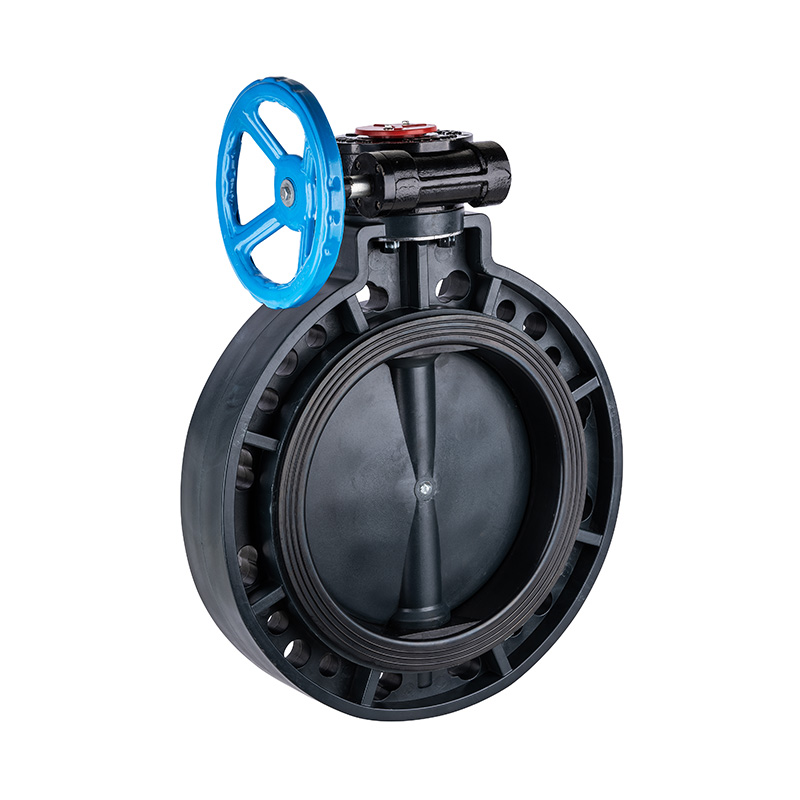
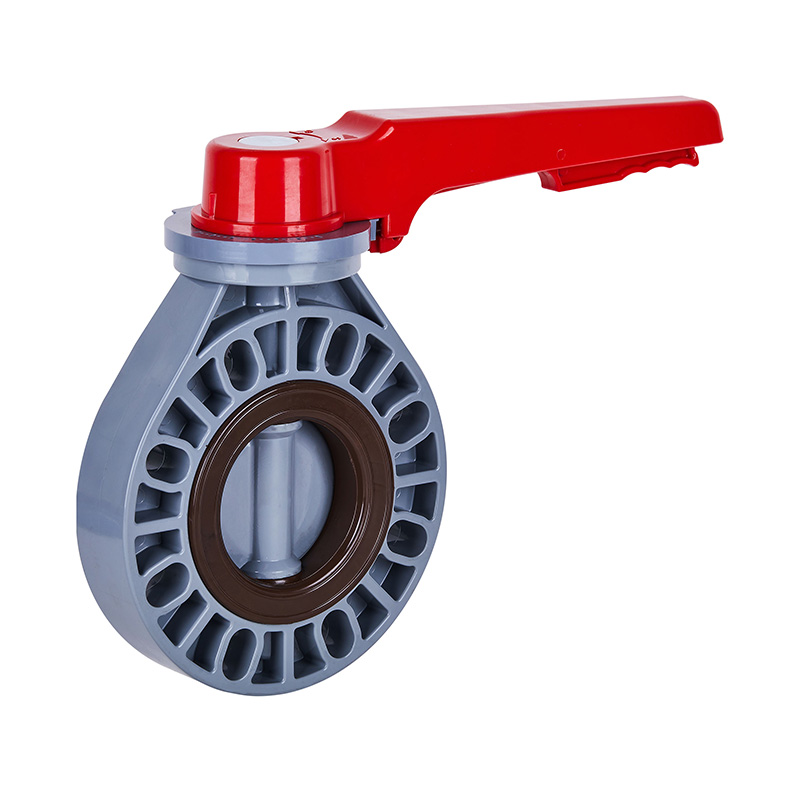
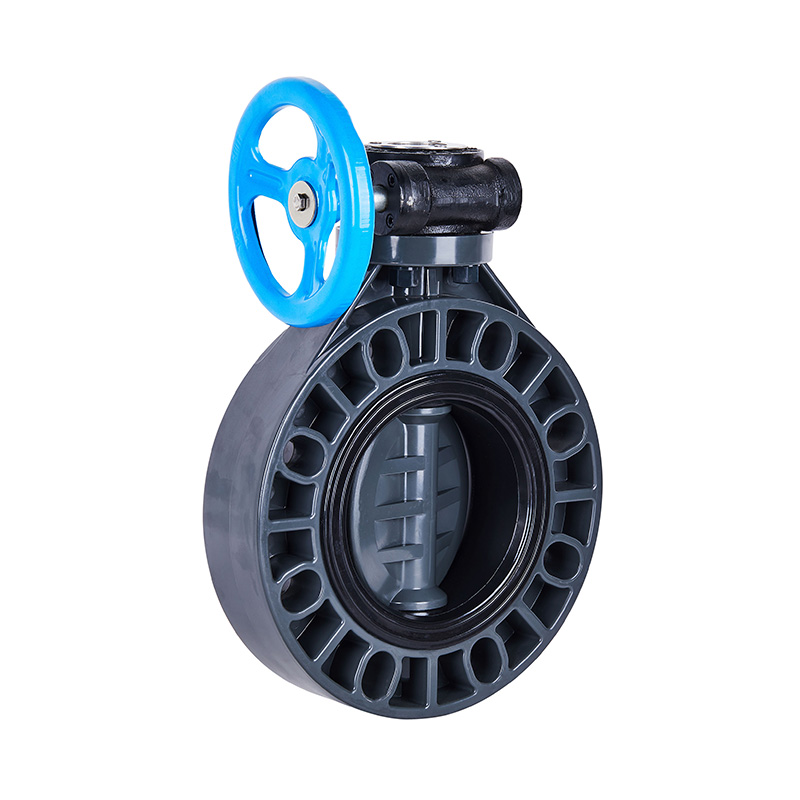
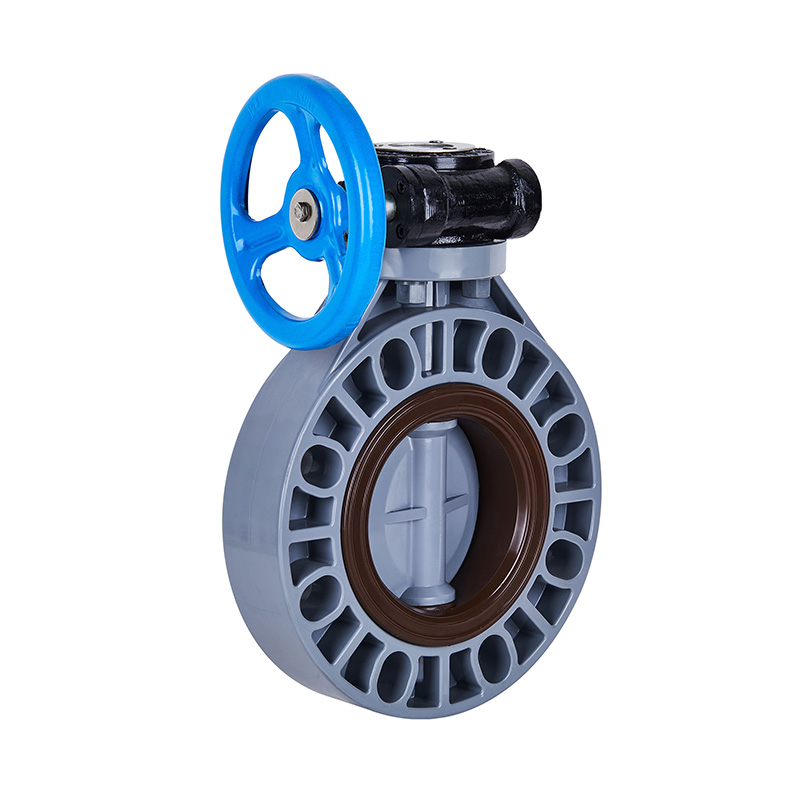
CPVC represents one of the most versatile materials for non-metallic valves due to its exceptional chemical resistance and high-temperature tolerance. CPVC is derived from PVC by chlorination, which increases the chlorine content in the polymer chain. This modification enhances thermal stability and allows CPVC valves to withstand continuous service temperatures up to 95°C (203°F), while short-term exposure may reach 110°C (230°F). At Kaixin Pipeline Technologies Co., Ltd., we produce CPVC valves that are particularly suited for aggressive chemical processes, including acids, bases, oxidizers, and salts, without significant degradation. CPVC offers moderate mechanical strength, providing robust performance under standard industrial pressures (PN10–PN25) without excessive risk of deformation. Its low thermal conductivity ensures minimal heat transfer, which is beneficial in thermal-sensitive processes. Additionally, CPVC exhibits excellent flame retardancy and low smoke emission, making it ideal for applications requiring stringent safety compliance. We design CPVC valves with optimized wall thickness and structural reinforcement to prevent creep over long-term operations, extending the lifespan of our products while reducing maintenance costs.
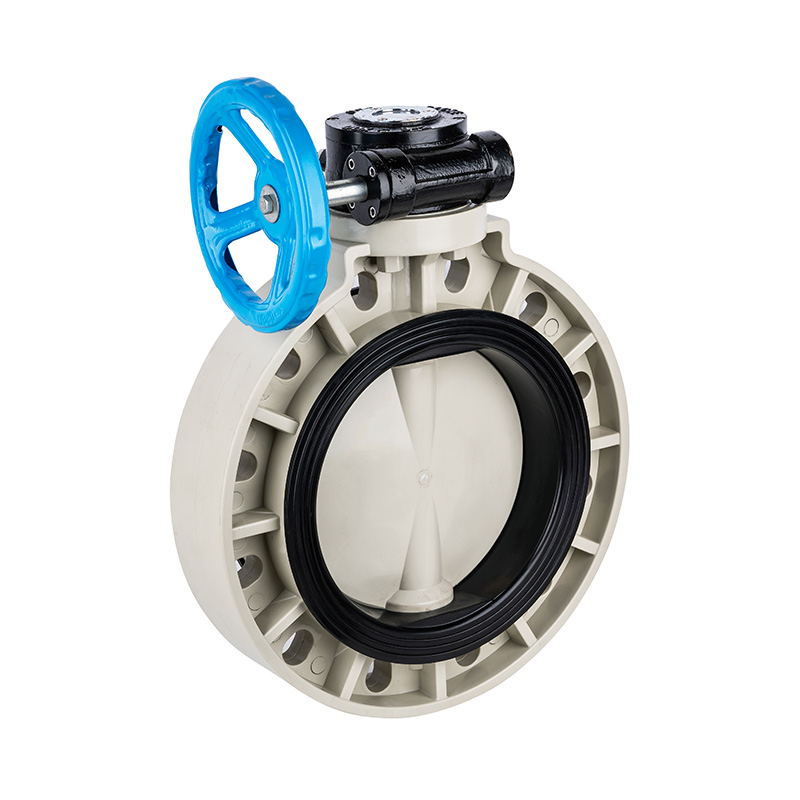
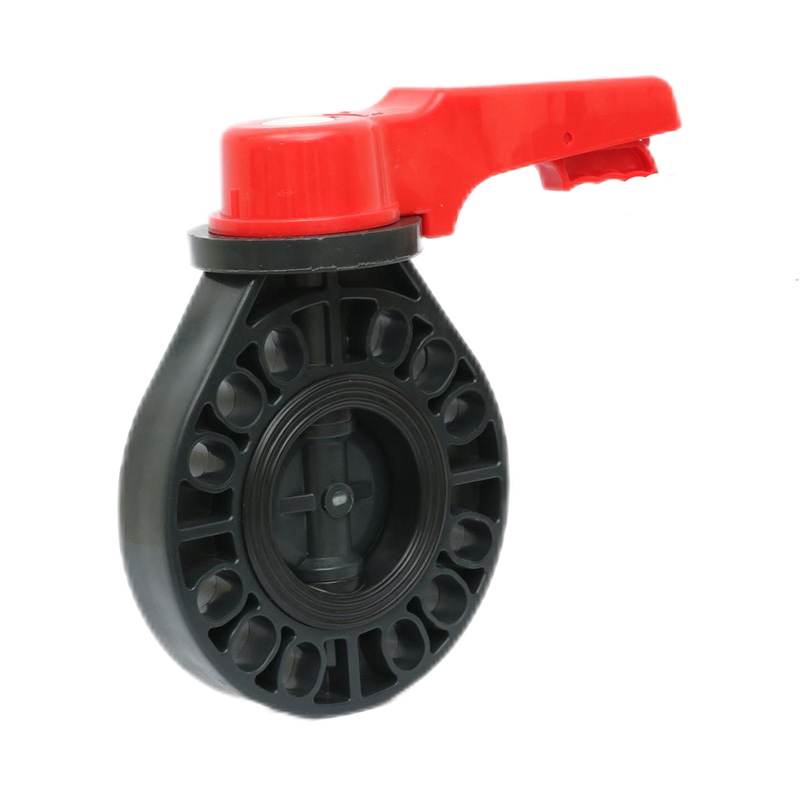
UPVC, also known as rigid PVC, is one of the most widely used non-metallic materials in the chemical and water treatment industries due to its affordability, high corrosion resistance, and ease of manufacturing. Unlike CPVC, UPVC has lower temperature tolerance, typically up to 60°C (140°F) continuously, which makes it more suitable for ambient or moderately heated systems. Kaixin Pipeline Technologies Co., Ltd. manufactures UPVC valves that exhibit excellent resistance to chlorine, saline water, and a broad range of dilute acids and bases, making us a preferred choice in municipal water treatment, irrigation, and cooling systems. UPVC valves are also lightweight, simplifying installation and reducing structural support requirements. Our engineering team ensures that UPVC valves maintain high dimensional stability and tight sealing under varying pressures, preventing leakage and system downtime. We carefully control our production parameters to minimize internal stresses and achieve optimal homogeneity in our UPVC products, which directly improves their durability and performance in field applications.
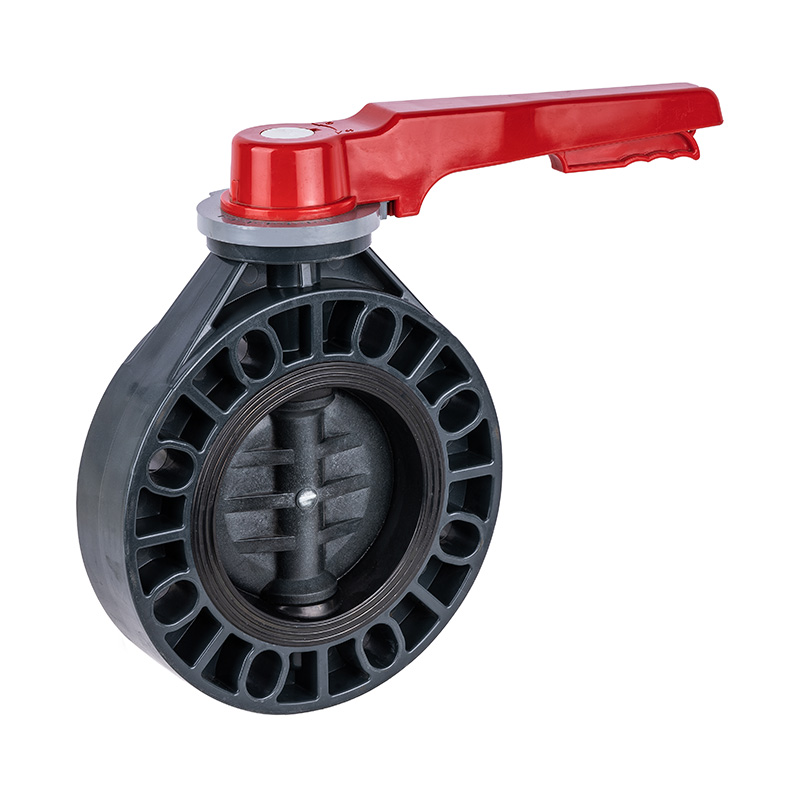
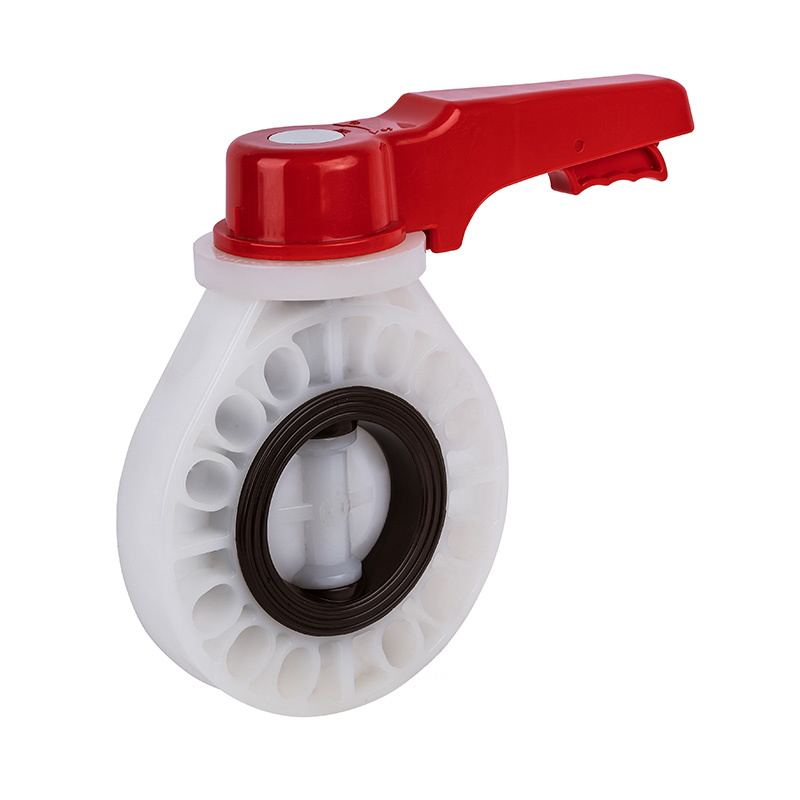
PVDF is a high-performance fluoropolymer known for its exceptional chemical resistance, mechanical strength, and thermal stability. PVDF valves produced by Kaixin Pipeline Technologies Co., Ltd. are capable of continuous operation at temperatures up to 150°C (302°F) and can tolerate a wide variety of aggressive chemicals, including concentrated acids, solvents, and halogenated compounds. This material also exhibits excellent UV and radiation resistance, making our PVDF valves suitable for outdoor installations or high-radiation environments. Unlike CPVC and UPVC, PVDF offers superior impact resistance and toughness, which ensures that our valves can endure mechanical stress, vibration, and occasional overpressure without cracking or losing sealing integrity. PVDF is also highly compatible with ultra-pure water and pharmaceutical-grade chemicals, positioning our valves as the material of choice for high-purity applications in semiconductor manufacturing, pharmaceuticals, and food processing industries. The combination of chemical inertness, dimensional stability, and low permeability allows us to design PVDF valves that provide long-term reliability, precise control, and minimal contamination risk.
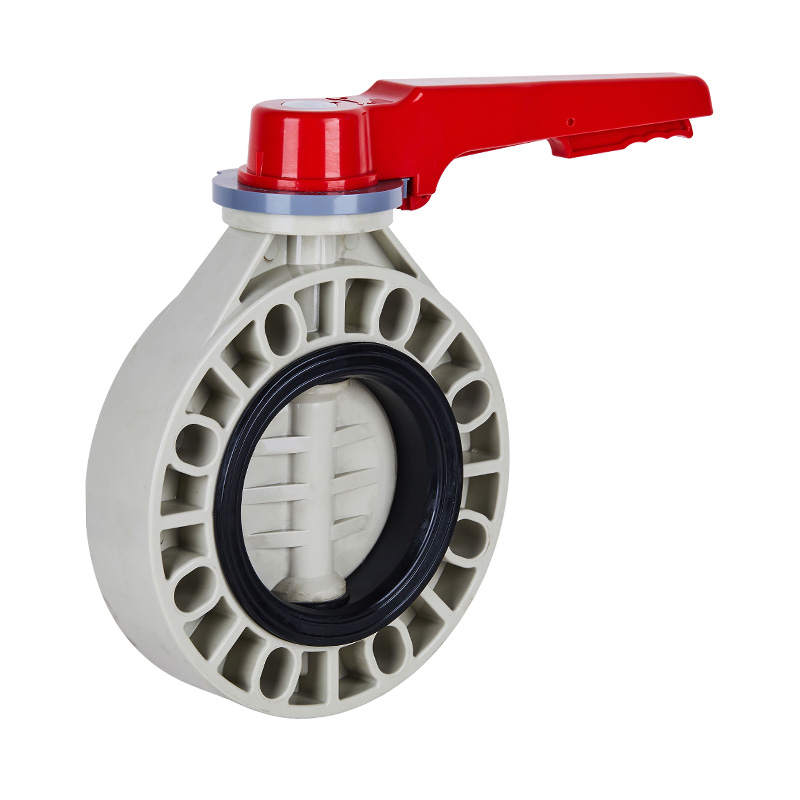
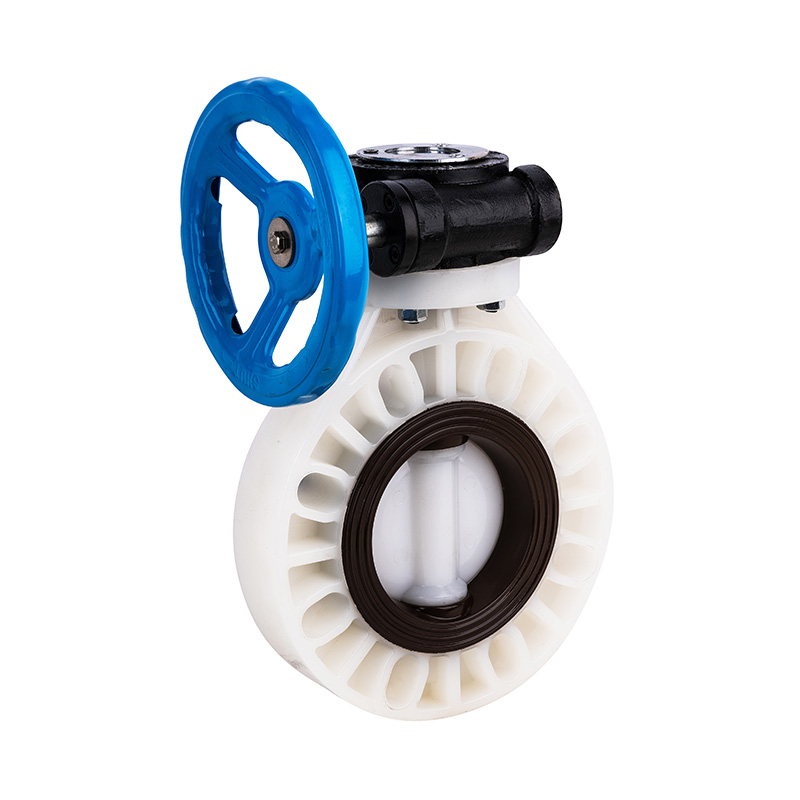
PPH is a type of polypropylene polymer that combines high chemical resistance, low density, and excellent processability. PPH valves from Kaixin Pipeline Technologies Co., Ltd. are specifically engineered to handle highly alkaline and corrosive media, such as caustic soda, sodium hypochlorite, and certain acids. PPH is particularly suitable for medium-temperature applications (up to 95°C) where corrosion resistance is critical. Its semi-crystalline structure provides superior resistance to creep, stress cracking, and abrasion, which is essential for valves subjected to cyclic loading and long-term chemical exposure. The low density of PPH allows us to produce lightweight valves without compromising mechanical strength or performance. PPH also exhibits excellent dimensional stability over a wide temperature range, ensuring consistent sealing and flow control in complex piping networks. We optimize PPH valve design to balance wall thickness, pressure rating, and flow characteristics, achieving cost-effective yet highly reliable solutions for industrial chemical transport.
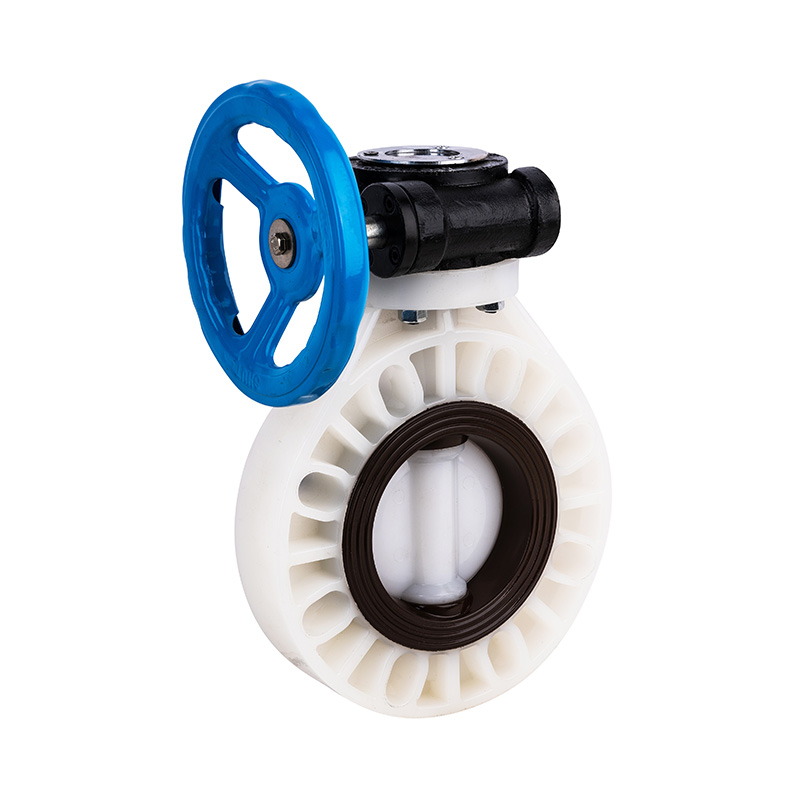
FRPP is polypropylene reinforced with short glass fibers, which significantly enhances its mechanical strength, rigidity, and pressure resistance while maintaining excellent chemical resistance. Kaixin Pipeline Technologies Co., Ltd. utilizes FRPP for high-performance valves that require durability under higher pressure ratings (PN16–PN25) and moderate-to-high temperature conditions (up to 95°C). The addition of fiberglass reduces creep deformation, improves dimensional stability, and provides resistance against mechanical impact, which is particularly beneficial in industrial systems with turbulent flow or frequent valve actuation. FRPP valves combine the chemical resistance of polypropylene with the mechanical reinforcement provided by fiberglass, allowing us to offer solutions for applications that would otherwise require metal valves, but without the associated corrosion risks. Our FRPP valve designs undergo rigorous stress analysis and testing to ensure long-term reliability under both chemical and mechanical loading conditions.
When selecting
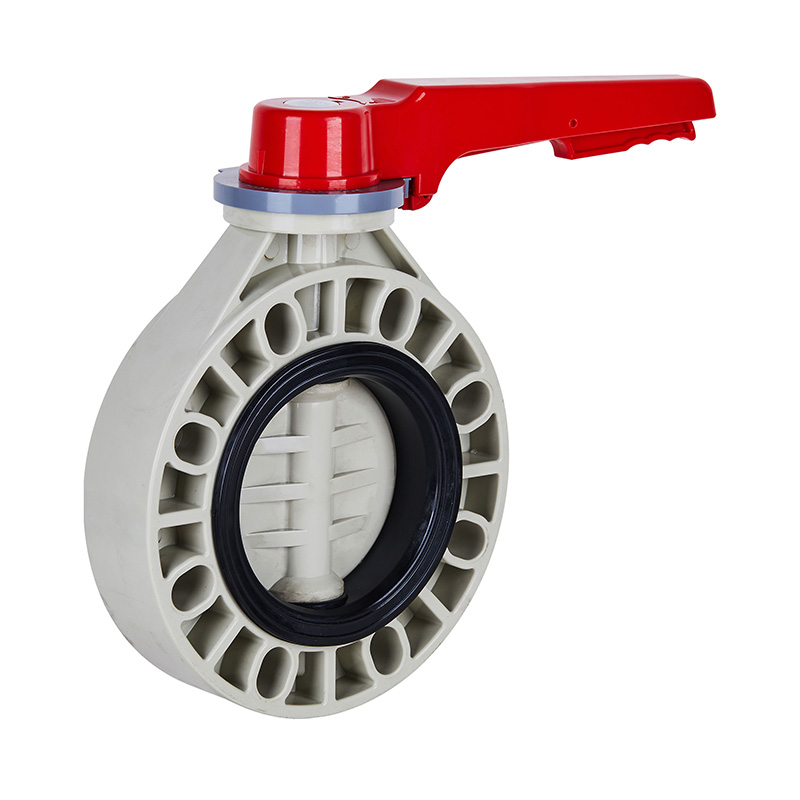
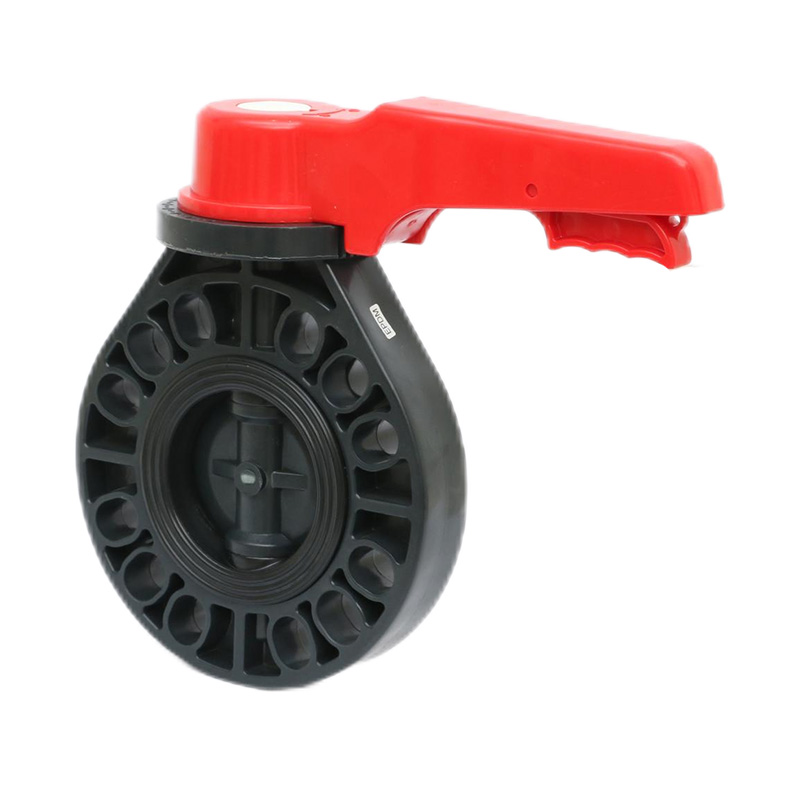
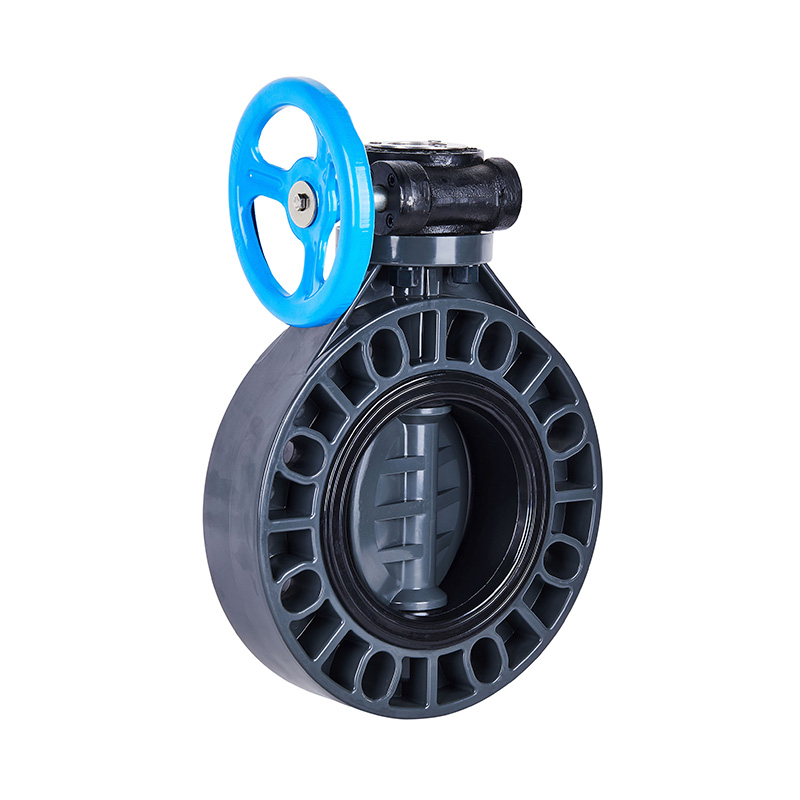
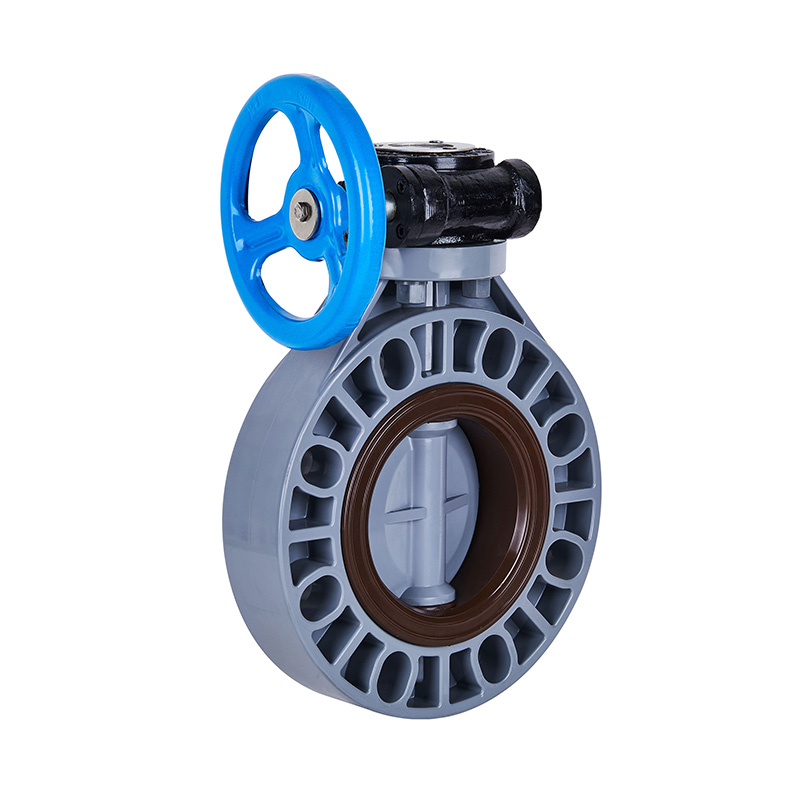
CPVC/UPVC/PVDF/PPH/FRPP valves, it is essential to evaluate the trade-offs between chemical resistance, temperature tolerance, mechanical strength, cost, and ease of installation. CPVC excels in high-temperature chemical service, UPVC is ideal for economical, lower-temperature water and chemical systems, PVDF provides superior chemical purity and temperature resistance, PPH is optimal for highly alkaline conditions, and FRPP offers enhanced mechanical properties under pressure. At Kaixin Pipeline Technologies Co., Ltd., our engineers conduct material selection based on comprehensive criteria including media composition, operating temperature, pressure conditions, flow rate, and environmental exposure. This ensures that our valves perform reliably while minimizing maintenance and replacement costs.
The key factor in material selection for CPVC/UPVC/PVDF/PPH/FRPP valves is long-term performance under continuous operation. Factors such as chemical attack, UV exposure, thermal cycling, mechanical stress, and abrasion can influence valve life. Kaixin Pipeline Technologies Co., Ltd. addresses these challenges by implementing advanced polymer formulation, precise wall thickness control, and structural reinforcement techniques. Our testing protocols simulate prolonged exposure to aggressive chemicals, pressure fluctuations, and temperature changes, ensuring our valves maintain sealing integrity, dimensional stability, and operational safety for years. We incorporate design features such as reinforced stems, optimized flange geometry, and precise tolerances to further extend valve service life.


 EN
EN English
 Español
 عربى
عربى русский
 中文简体
中文简体

 Headquarters: No. 539 Bohai Road, Beilun District, Ningbo City, Zhejiang Province, P.R. China
 +86-18067123177