Which Industries Most Need Corrosion-Resistant Pumps?
Corrosion-resistant pumps are widely used in various industries due to their ability to handle harsh chemical environments. Their main advantage lies in their ability to handle corrosive fluids without damaging the pump body structure, significantly improving equipment efficiency and service life.
Chemical Industry
Liquids produced and processed in the chemical industry are often highly corrosive, especially when handling acids, alkalis, solvents, paints, and other chemicals. For example, strong acids (such as sulfuric acid and hydrochloric acid) and strong alkalis (such as sodium hydroxide solution) are common media in chemical production. Using non-corrosion-resistant equipment will accelerate pump damage, leakage, and even cause safety accidents. Therefore, corrosion-resistant pumps are crucial in chemical plants for raw material handling, reaction processes, flue gas desulfurization, and wastewater treatment.
- Application Scenarios: In fertilizer, pharmaceutical, and petrochemical plants, pumps need to handle various corrosive fluids such as acids, alkalis, and organic solvents.
- Challenges: The flow of highly corrosive chemicals in the pump body can lead to equipment corrosion, affecting the pump's sealing, efficiency, and lifespan. Choosing corrosion-resistant materials (such as PTFE, PVDF, and polyvinyl chloride) is crucial.
Oil and Gas Industry
The liquids and gases involved in the oil and gas industry often contain corrosive components such as sulfides, chlorides, and acidic gases, which accelerate equipment corrosion. During oil extraction, transportation, refining, and natural gas processing, the media handled by pumps are often highly corrosive. Corrosion-resistant pumps can effectively prevent pump failure due to fluid corrosion, thereby improving the overall system's operating efficiency and safety.
- Application Scenarios: In the liquid transportation process of oil and gas fields, handling oil and gas mixtures containing corrosive substances such as sulfur, acids, and chlorides; in the refining process, handling crude oil, heavy oil, and chemical waste.
- Challenges: When pumps face high-temperature and high-pressure environments, in addition to corrosion resistance, they also need to possess good mechanical strength and high-temperature resistance to prevent failures under extreme operating conditions.
Water Treatment Industry
The water treatment industry often uses highly corrosive chemicals for water quality adjustment during wastewater treatment, sewage treatment, and seawater desalination processes, such as chlorine, sodium hypochlorite, and ozone. Corrosion-resistant pumps can be used to transport these chemicals or handle corrosive components in the water, ensuring that the equipment remains stable during long-term operation.
- Application Scenarios: Sewage treatment plants, seawater desalination plants, drinking water treatment plants, etc., involving the addition of chlorides, acidic or alkaline chemicals.
- Challenges: The chemicals commonly used in water treatment processes can cause severe corrosion to the pump body, especially during prolonged high-intensity use. Therefore, corrosion-resistant materials and good sealing design are crucial.
Metallurgical Industry
Corrosive liquids in the metallurgical industry mainly come from ores, pickling solutions, cooling liquids, etc. These liquids usually contain strong acids, strong bases, or toxic chemicals, and pumps need to continuously transport these liquids to maintain production. Corrosion-resistant pumps can effectively prevent equipment damage or leakage caused by media corrosion.
- Application Scenarios: Ore processing, pickling, solvent recovery, and other metallurgical processes.
- Challenges: The liquids in metallurgical processes are often at high temperatures, have high flow rates, and are extremely corrosive. The materials of the corrosion-resistant pump must be able to withstand this harsh working environment.
Food and Beverage Industry
Although the food and beverage industry does not face the extreme corrosive environments of other industries, corrosion-resistant pumps are still crucial due to the use of highly corrosive cleaning agents or disinfectants during production. Especially when handling certain beverages or food ingredients containing acidic or alkaline components, the pump needs to have a certain degree of corrosion resistance to ensure that the cleaning process is not affected.
- Application Scenarios: Liquid transportation on food and beverage production lines, liquid discharge during cleaning processes, etc.
- Challenge: The corrosion-resistant pump needs to withstand the chemicals used in cleaning and disinfection processes, such as chlorine and acids, for extended periods.
What is the working principle of a Corrosion-Resistant Pump?
A Corrosion-Resistant Pump works similarly to a conventional pump; its basic function is to transfer liquid from one place to another through mechanical action. The difference is that the design and materials of a Corrosion-Resistant Pump are specifically optimized for corrosive fluids to ensure it can withstand the corrosive effects of the medium during long-term operation.
Basic Working Principle
Liquid Intake:
- The pump draws in liquid through the suction end (inlet), and the liquid enters the pump body.
Impeller Rotation:
- The core part of the pump is the impeller, which rotates via a drive shaft, generating centrifugal force to push the liquid from the suction end to the discharge end of the pump. The rotation speed and design of the impeller determine the pump's flow rate and head.
Pressurization and Discharge:
- As the impeller rotates, the liquid is pushed towards the discharge end of the pump, increasing the fluid pressure. After passing through the pump body, the liquid is transported to the target location through the outlet.
Corrosion Resistance Characteristics
Compared to ordinary pumps, Corrosion-Resistant Pumps have the following characteristics:
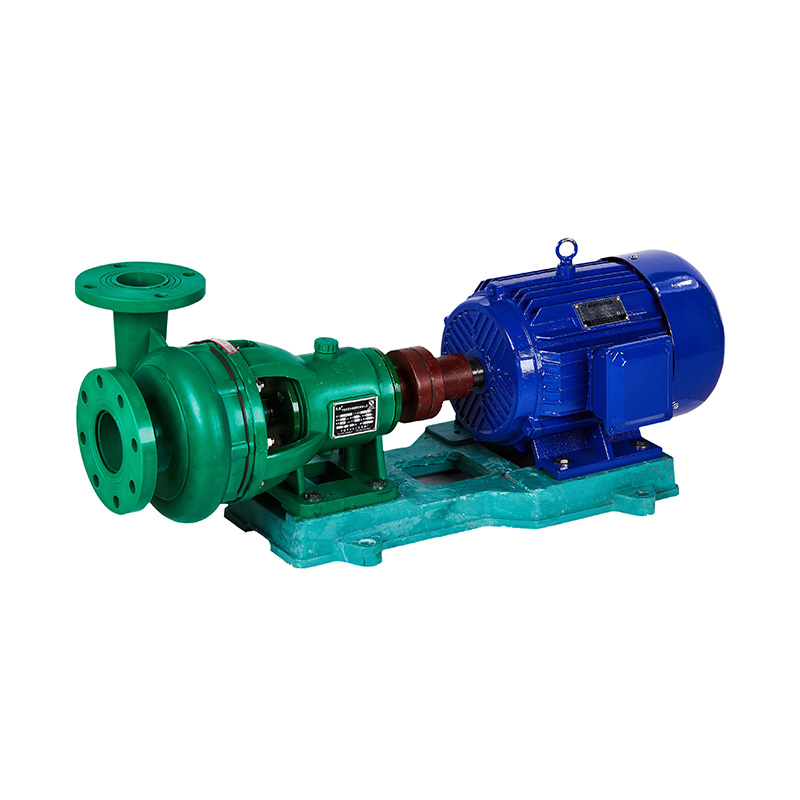
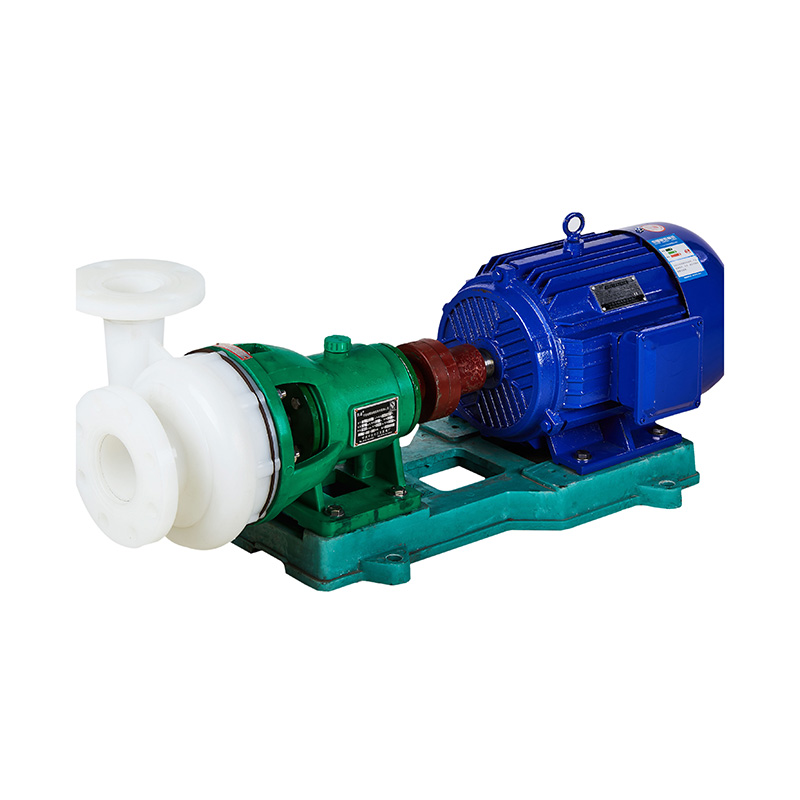
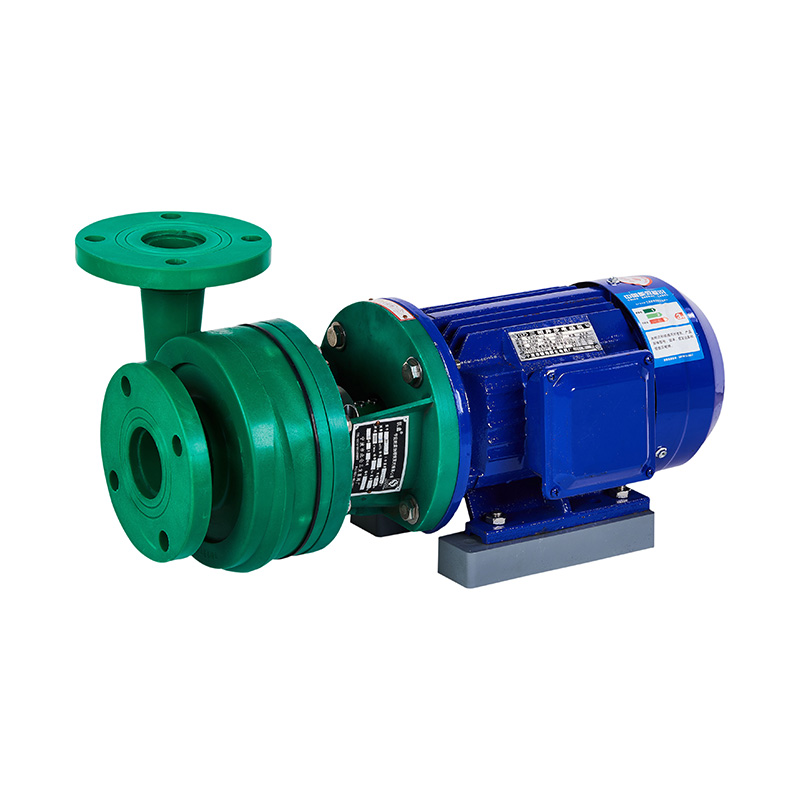
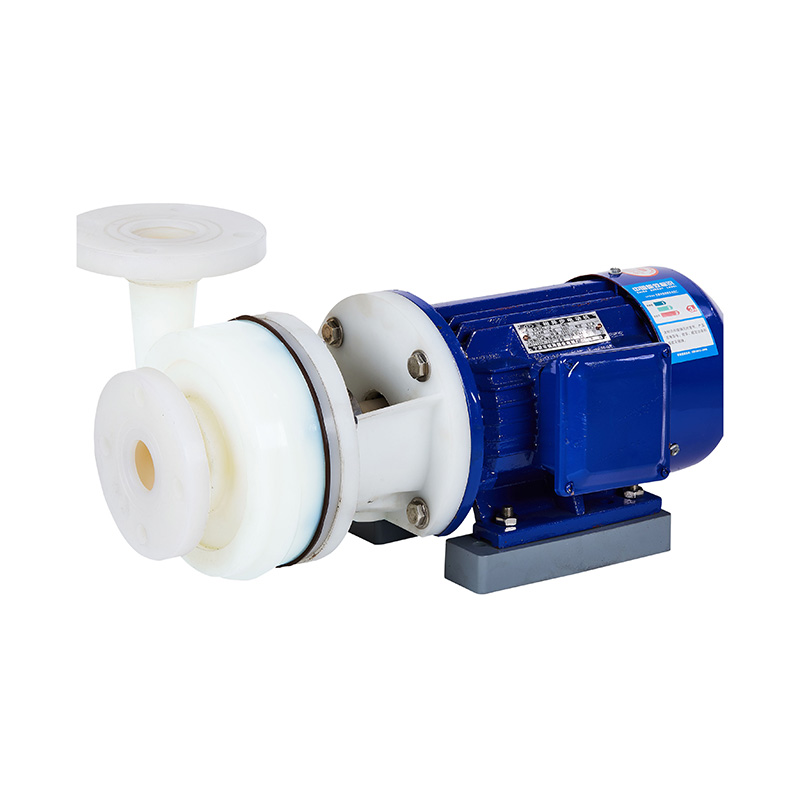
- Special Materials: The main difference of a Corrosion-Resistant Pump lies in its material selection. They typically use corrosion-resistant metals (such as stainless steel, titanium alloys) or high-performance plastics (such as PTFE, polypropylene, PVC, etc.) to prevent corrosion of the pump body by the fluid.
- Sealing Design: Corrosion-Resistant Pumps are usually equipped with specially designed sealing devices to prevent leakage of corrosive fluids and ensure pressure balance inside and outside the pump.
c. Pump Selection
The design of a Corrosion-Resistant Pump requires the selection of appropriate materials based on factors such as the corrosiveness of the medium, temperature, and pressure. Common types of Corrosion-Resistant Pumps include:
- Centrifugal pumps: Widely used in applications requiring high-flow transfer of corrosive liquids.
- Diaphragm pumps: Suitable for high-viscosity or corrosive liquids containing solid particles.
- Gear pumps: Used for low-flow, precision transfer of corrosive liquids.
What is the impact of material selection on the performance and durability of corrosion-resistant pumps?
The selection of materials for corrosion-resistant pumps is crucial for their performance and durability, especially in industries such as chemical, petroleum, and pharmaceutical industries, where the transportation of corrosive media directly affects the pump's lifespan and stability. The material selection not only determines the pump's resistance to corrosive liquids but also affects its operational stability and efficiency in high-temperature, high-pressure, and high-load environments.
Common Materials for Corrosion-Resistant Pumps
Stainless Steel (SS)
Stainless steel materials have good corrosion resistance, especially for common corrosive fluids, but their resistance to extremely strong acids and bases is limited. Stainless steel pumps are commonly used in water treatment and food processing industries.
- Advantages: Strong wear resistance, suitable for most corrosive media, high mechanical strength, and long service life.
- Disadvantages: Long-term exposure to extremely corrosive environments may lead to surface corrosion and wear.
Polytetrafluoroethylene (PTFE)
PTFE material possesses almost absolute chemical stability and can resist the erosion of almost all corrosive liquids, including strong acids, strong bases, and organic solvents, making it suitable for handling highly corrosive fluids.
- Advantages: Extremely high corrosion resistance, widely used in chemical, petrochemical, and pharmaceutical industries.
- Disadvantages: Higher cost, not suitable for high-flow or high-pressure environments.
Polypropylene (PP) and Polyvinyl Chloride (PVC)
These two plastic materials are commonly used for transporting moderately corrosive fluids, such as in water treatment and general chemical processing. Their corrosion resistance is superior to metal materials, and they are less expensive.
- Advantages: Good corrosion resistance, relatively low cost, suitable for common chemical liquids and mildly corrosive environments.
- Disadvantages: Poor high-temperature resistance, limited operating temperature range.
Alloy Materials (e.g., Hastelloy, Inconel)
Alloy materials are typically used in pump applications in extremely corrosive environments, especially in high-temperature and high-pressure environments. Metal materials such as Hastelloy and Inconel alloys offer extremely strong corrosion resistance.
- Advantages: Resistance to extreme corrosion, high temperature resistance, suitable for harsh environments.
- Disadvantages: High cost, typically applicable to high-end markets or special needs where cost is less sensitive.
Impact of Material Selection on Performance and Durability
The choice of materials directly affects the pump's operating performance, durability, and service life. The right materials not only ensure stable operation in harsh environments but also reduce the risk of equipment damage and leaks caused by corrosion, thereby extending the pump's service life and reducing maintenance costs.
Performance Impact
- Corrosion Resistance: Different materials have different corrosion resistance. For example, PTFE has extremely strong chemical corrosion resistance and is suitable for handling strong acids, strong bases, and other extreme liquids; while stainless steel is suitable for common chemical media, but is easily damaged in highly corrosive environments. Therefore, when selecting materials, the chemical properties of the liquid and the corrosiveness of the working environment must be considered.
- Mechanical Properties: Pumps need to withstand certain pressure and flow during operation, so the mechanical strength of the material is crucial. Stainless steel and alloy materials have high mechanical strength, ensuring the stability of the pump under high load conditions.
Durability Impact
- Wear Resistance: Some corrosive fluids may also contain solid particles (such as sand, mineral particles, etc.), causing wear on the pump. Choosing materials with good wear resistance (such as stainless steel and alloys) can effectively extend the pump's service life.
- High Temperature Resistance: In high-temperature environments, the high-temperature resistance of the material is very important. PTFE and some alloy materials can maintain their stability at high temperatures, while ordinary plastic materials (such as PVC, PP) may soften or age at high temperatures, leading to equipment failure.
Cost Control
- The cost of different materials varies considerably. Choosing the right material requires balancing performance requirements and budget. For example, in some mildly corrosive environments, pumps made of PVC or PP materials can meet the needs, avoiding the use of high-cost PTFE or alloy materials. However, in highly corrosive, high-temperature environments, although the cost is higher, using high-performance pumps made of alloy materials can effectively avoid greater maintenance costs and safety risks.
Advantages of Kaixin Pipeline Technologies Co., Ltd.
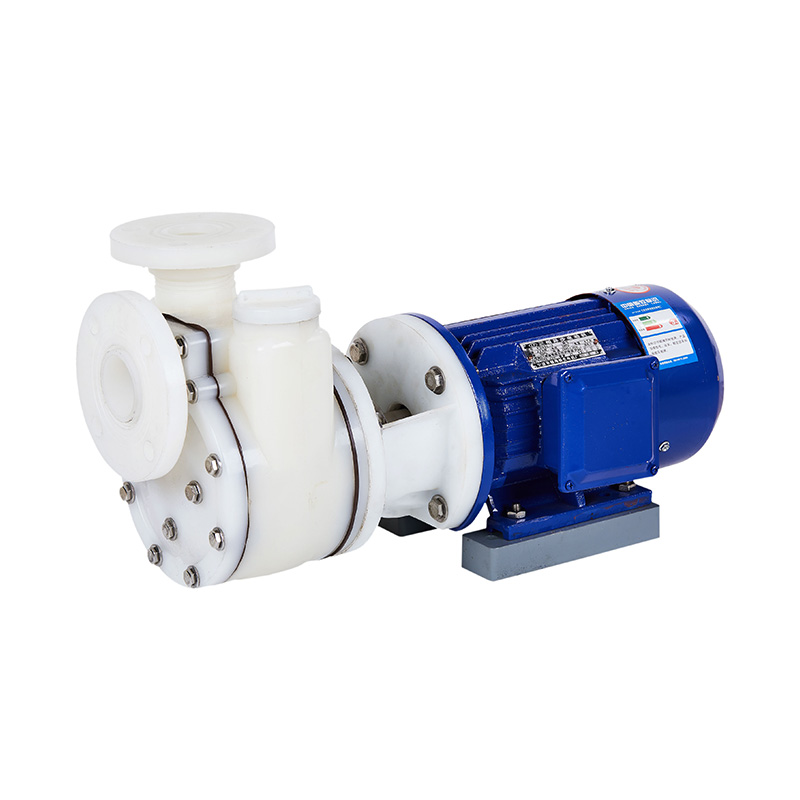
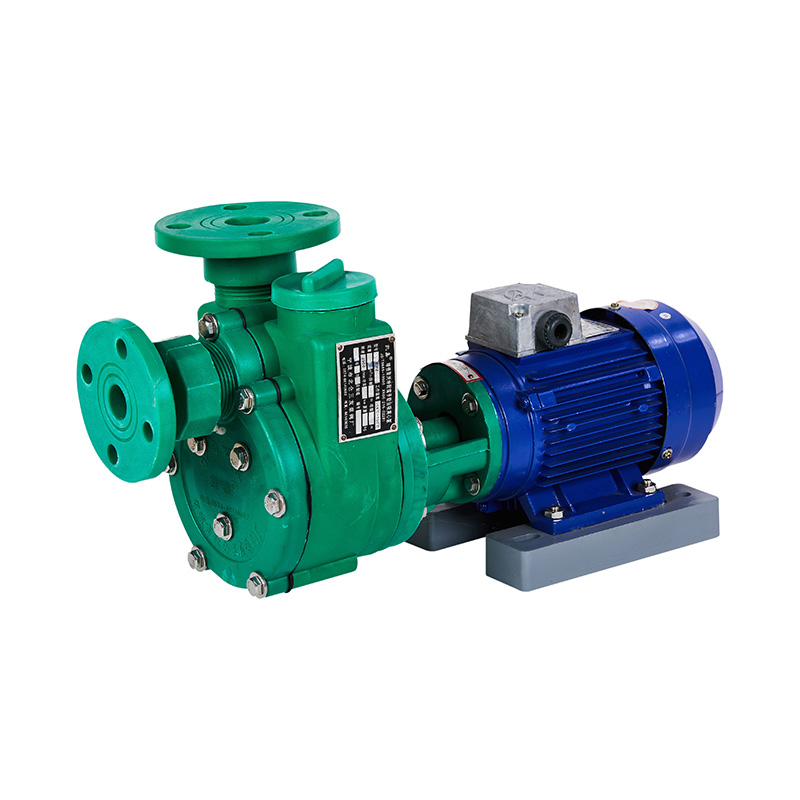
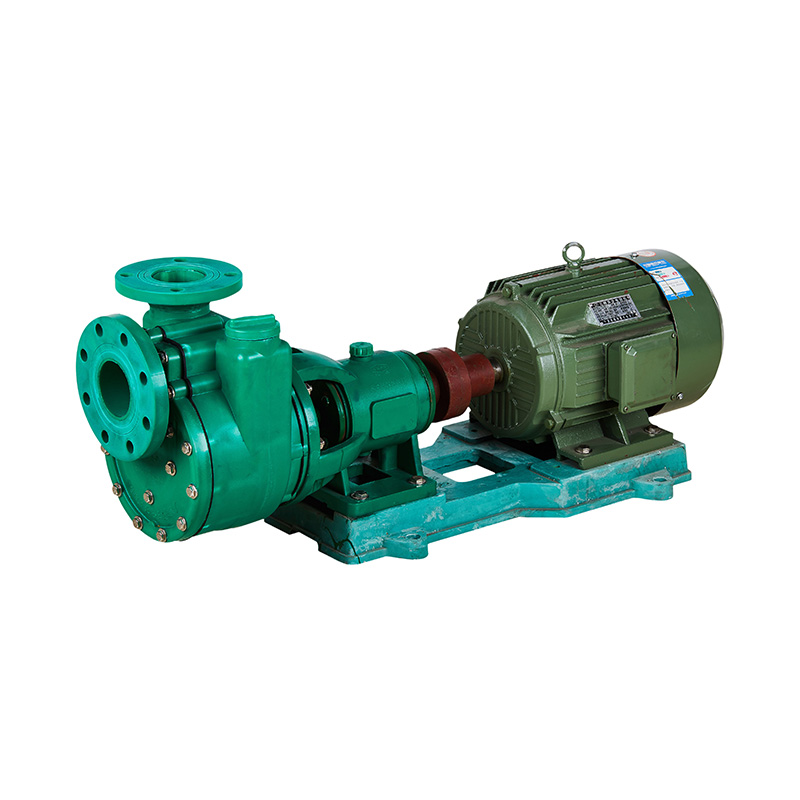
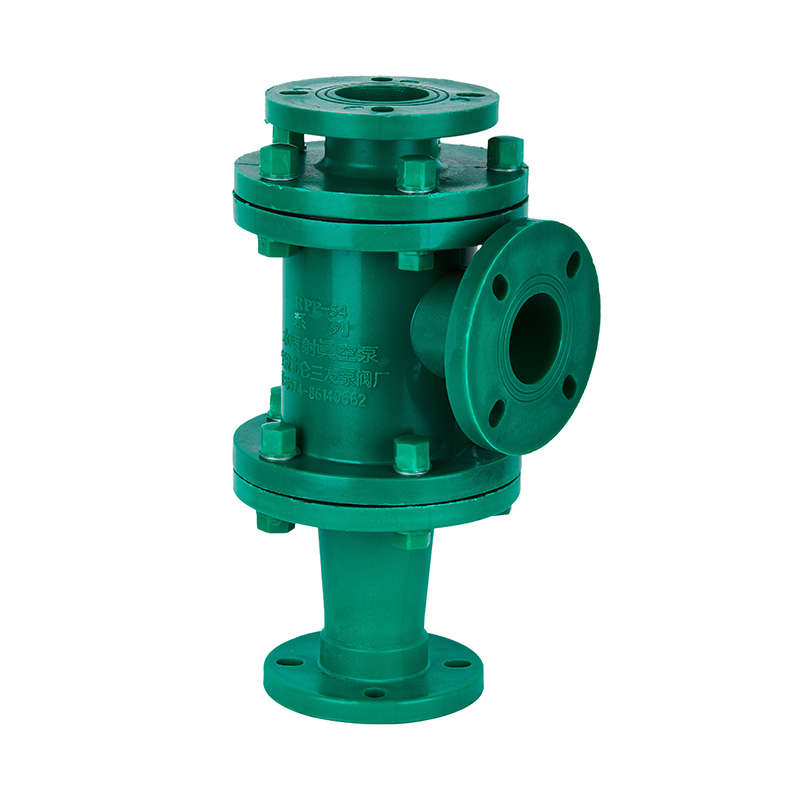
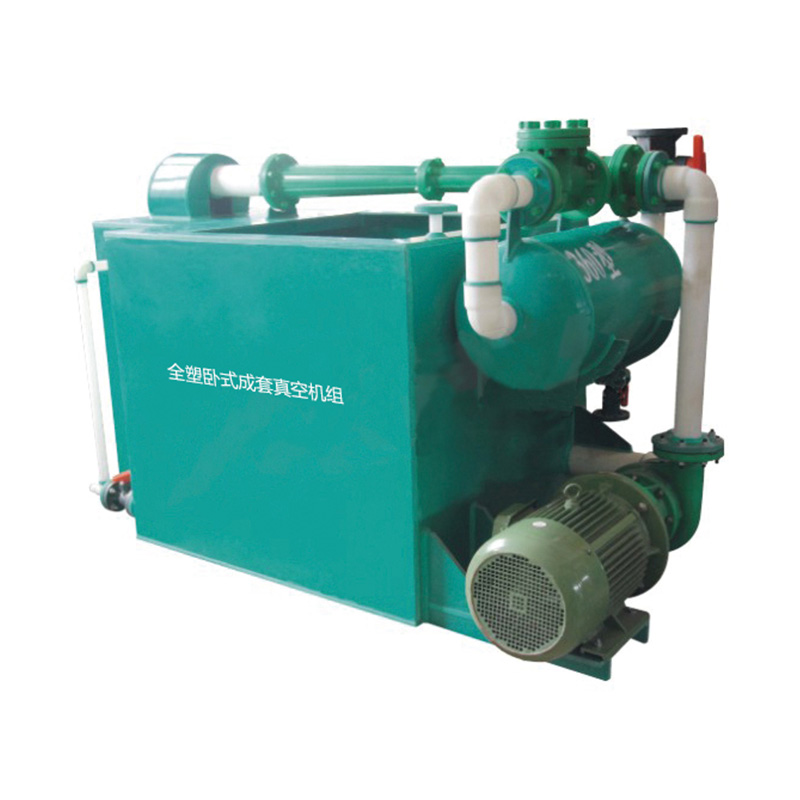
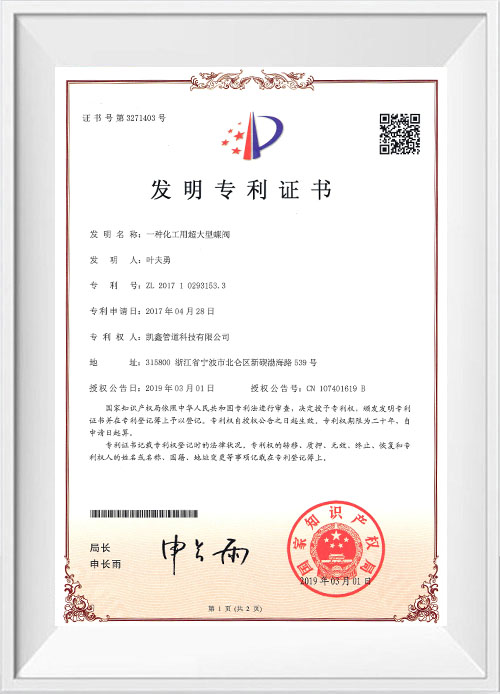
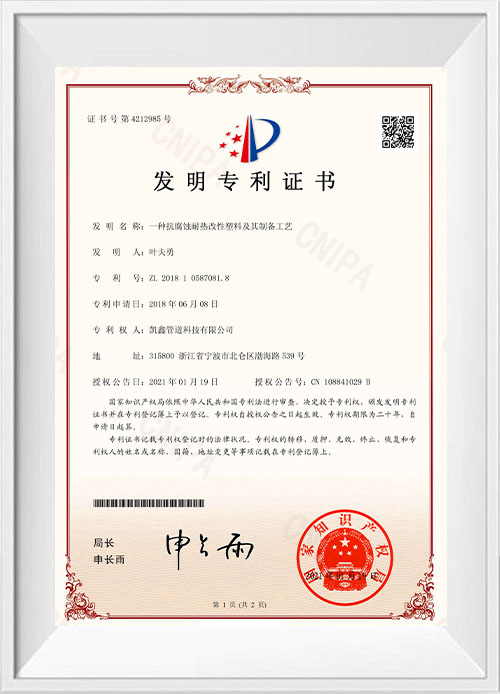
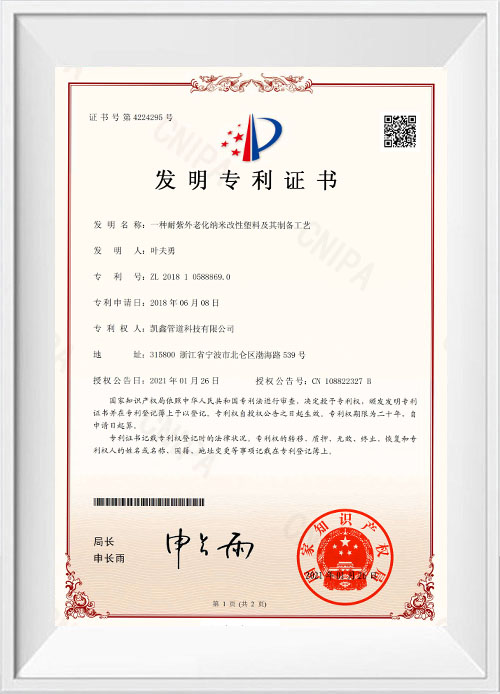
Quality Control and Material Selection: Kaixin Pipeline Technologies Co., Ltd. provides corrosion-resistant pumps made with high-quality materials (such as PVC-C, PVC-U, PVDF, PPH, FRPP, etc.), which can be customized according to different customer needs to ensure the pumps are suitable for various chemical environments. With its independently developed technology and professional production lines, Kaixin Pipeline Technologies Co., Ltd. can provide customers with high-performance and highly durable corrosion-resistant pumps.
Production Capacity and Cost Control: Kaixin Pipeline Technologies Co., Ltd. has a 100,000 square meter factory and professional production lines, enabling it to meet the production needs of large-volume orders and ensure a stable supply of products. Through large-scale production, Kaixin Pipeline Technologies Co., Ltd. can effectively control production costs while guaranteeing product quality stability. When selecting materials, Kaixin Pipeline Technologies Co., Ltd. can also provide the optimal material combination based on the customer's budget and application environment, thus achieving cost-effective solutions.
Customization Services and Technical Support: As a company providing OEM (Original Equipment Manufacturing) and ODM (Original Design Manufacturing) services, Kaixin Pipeline Technologies Co., Ltd. can provide customized pump designs according to customers' specific needs. This flexibility allows Kaixin Pipeline Technologies Co., Ltd.'s corrosion-resistant pumps to meet the needs of various working conditions, whether in the chemical, petroleum, food, or water treatment industries. Kaixin Pipeline Technologies Co., Ltd.'s sales and technical team provides professional pre-sales consultation, selection guidance, installation and commissioning, and after-sales service to ensure the smooth operation of every corrosion-resistant pump at the customer's site.


 EN
EN English
 Español
 عربى
عربى русский
 中文简体
中文简体
 Headquarters: No. 539 Bohai Road, Beilun District, Ningbo City, Zhejiang Province, P.R. China
 +86-18067123177