

 EN
EN English
 Español
 عربى
عربى русский
 中文简体
中文简体
Kaixin, a high-tech enterprise specialized in the R&D, production and sales of polymer pipeline valves.
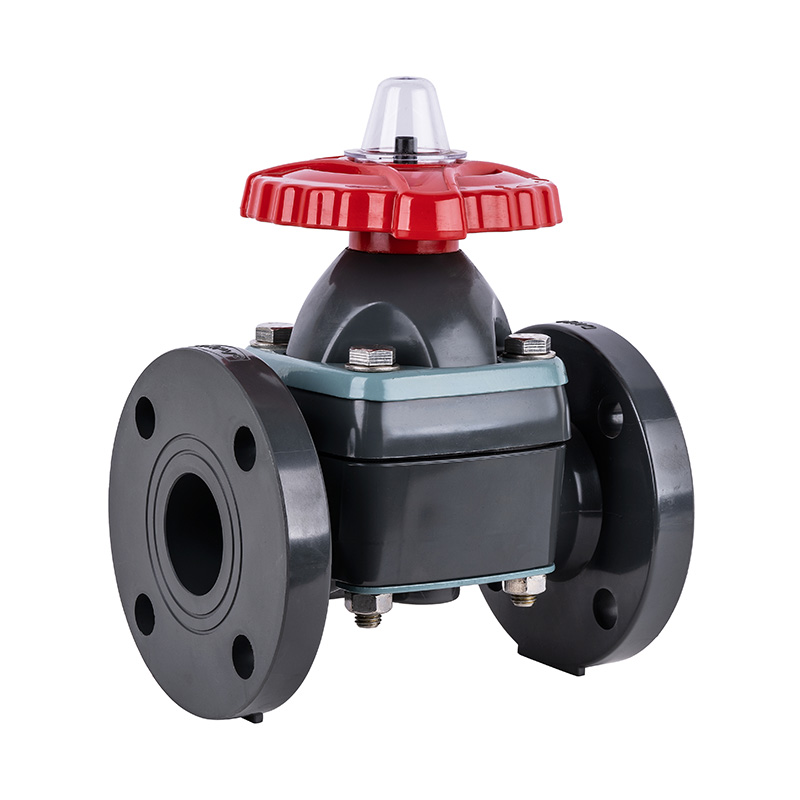
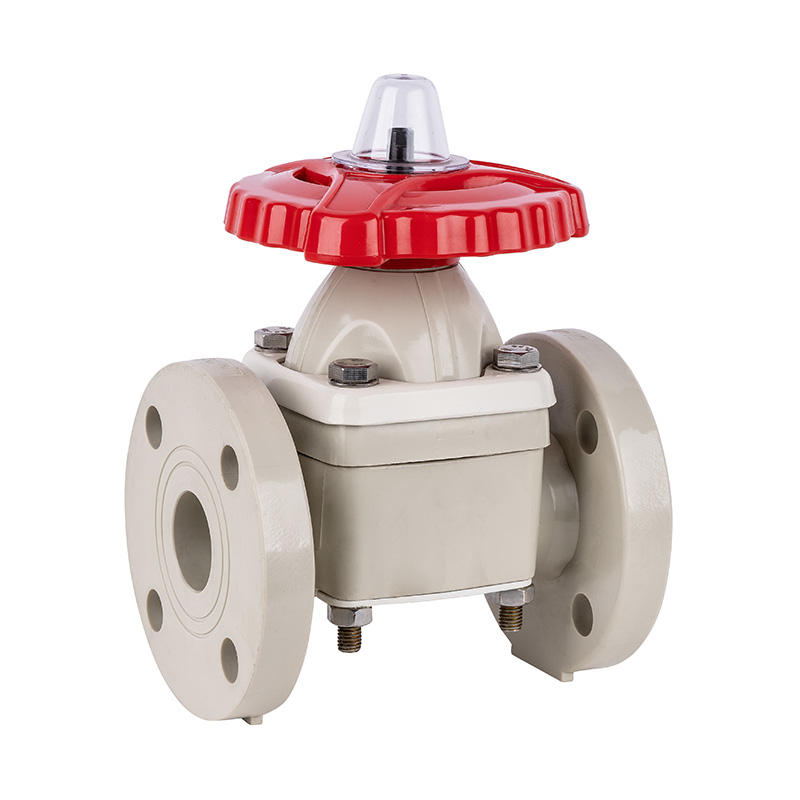
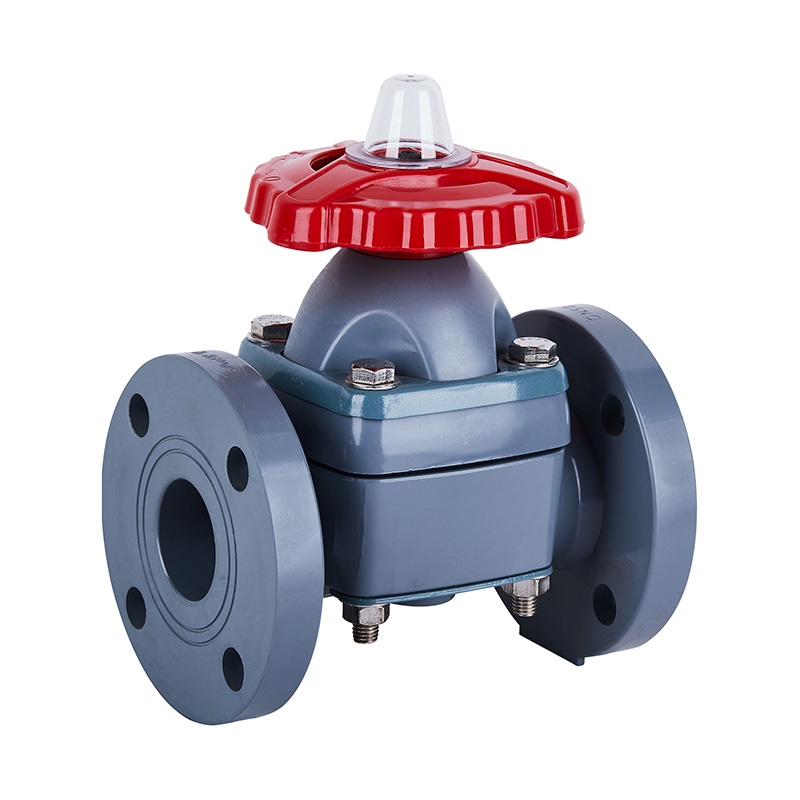
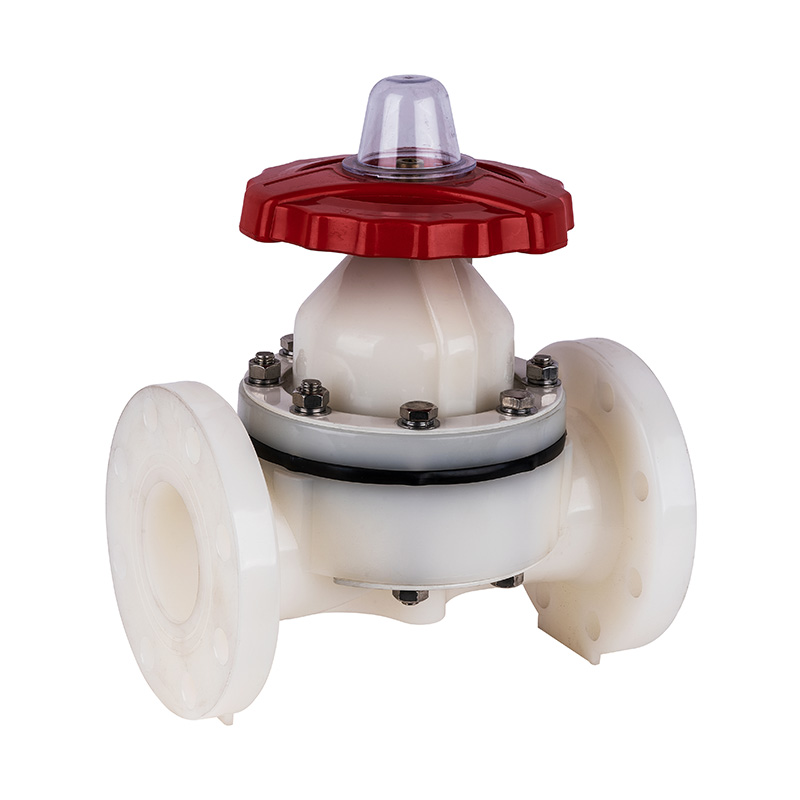
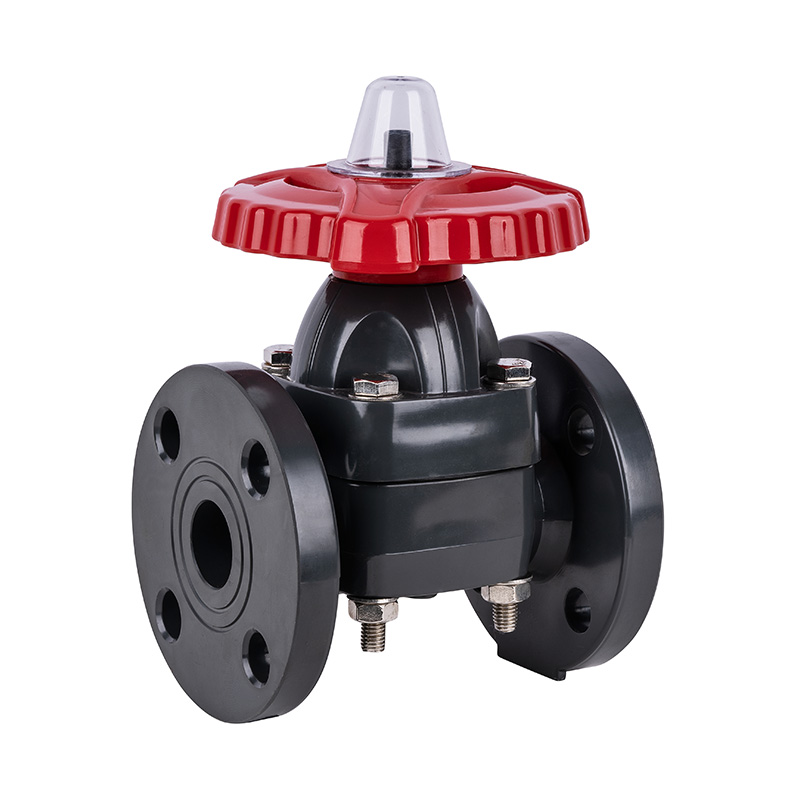
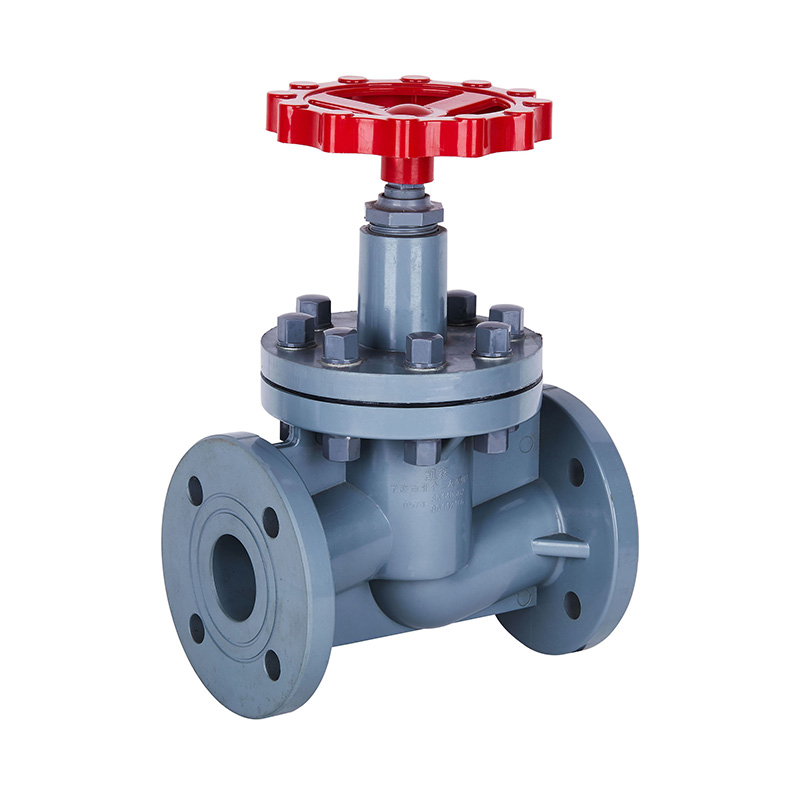
A Chemical Plastic Valve is a flexible, durable valve system that can be used in all plumbing applications. The plastic body can come in a variety of thicknesses and is incredibly versatile. This means that it is easy to adapt it to any type of installation or configuration. This makes them the ideal choice for use in industrial settings. Here are some of the most common applications for a Chemical Polymer Valves: HVAC, Food and Beverage, and Water Treatment.
A chemical plastic valve is a versatile, inexpensive valve that excels in corrosive environments. These valves are lead-free and dezincification-resistant. They will never rust. CPVC and PVC piping systems should be certified for chemical resistance. If the valve is used in corrosive fluids, check the material's NSF (National Sanitation Foundation) standard 61. While some PVC valves are low-lead, PEEK is more expensive. A thermoplastic valve is a low-lead alternative.
As the temperature of fluid increases, the pressure rating of a chemical plastic valve decreases. Different plastic materials respond differently to temperature, so you should check the maximum external temperature of the fluid. If you don't design for this temperature range, you may experience excessive sagging of pipes. PVDF valves are able to maintain pressure at temperatures as high as 280 degrees Fahrenheit. If you need to use a plastic valve in a high-temperature environment, you should look for one made of PVDF.
The advantages of a chemical plastic valve are a long service life, corrosion-resistance, and purity. Its lightweight construction and solvent-cementation make it easy to install. Compared to metal, polyvinyls are less likely to be prone to rust and corrosion. They are also much cheaper to purchase and transport than other types of valves. It's time to start shopping for a Chemical Plastic Valves. You'll be happy you made the switch.
The advantages of a Chemical Plastic Valve are the same as those of metal valves. Moreover, they are lighter and easier to handle. And they can handle harsh chemical media and are often used in process industries. They can also be manufactured from a wide variety of materials, such as plastics. Despite being lightweight, a Plastic Valve is still more robust than its metallic counterparts. It's lightweight and easy to transport and store and doesn't require grease.
Another benefit of a Chemical Plastic Valve is its versatility. This valve can be used with any type of plumbing equipment. Its flexibility allows it to be used in many applications. Some of its features include its ability to fit into practically any installation and work with any type of plumbing equipment. These valves can be constructed with several different types of plastic, including stainless steel, and PVC. These materials can be combined to create a wide range of thicknesses for the valve body, so they can be used in a variety of situations.

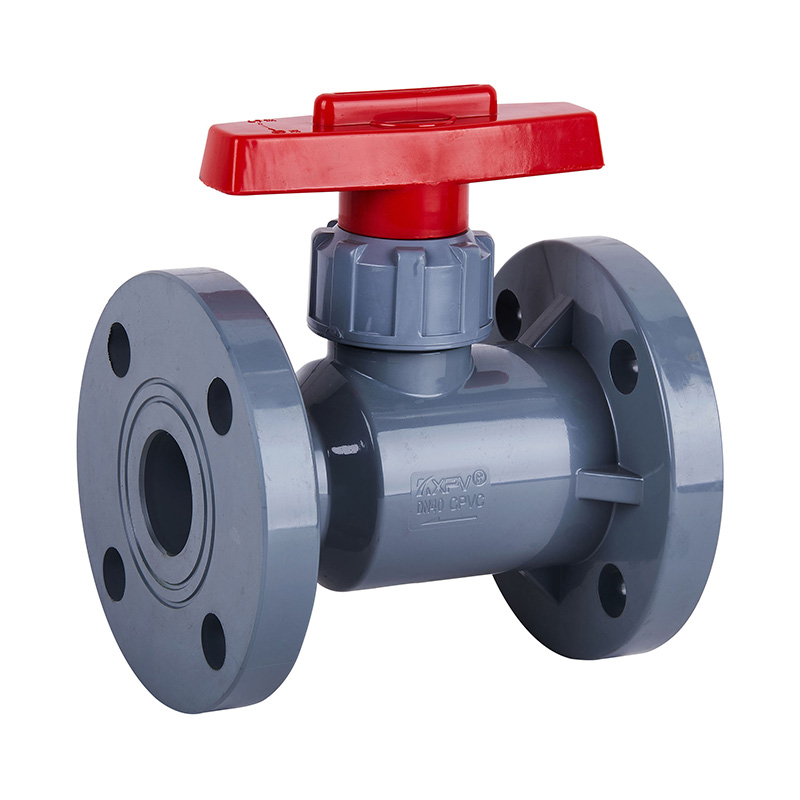
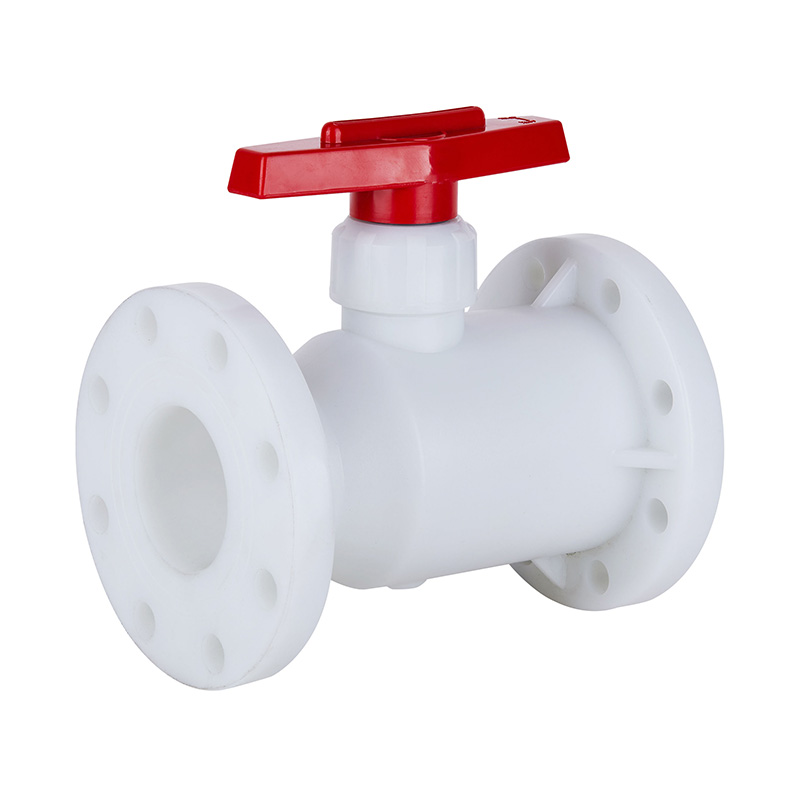
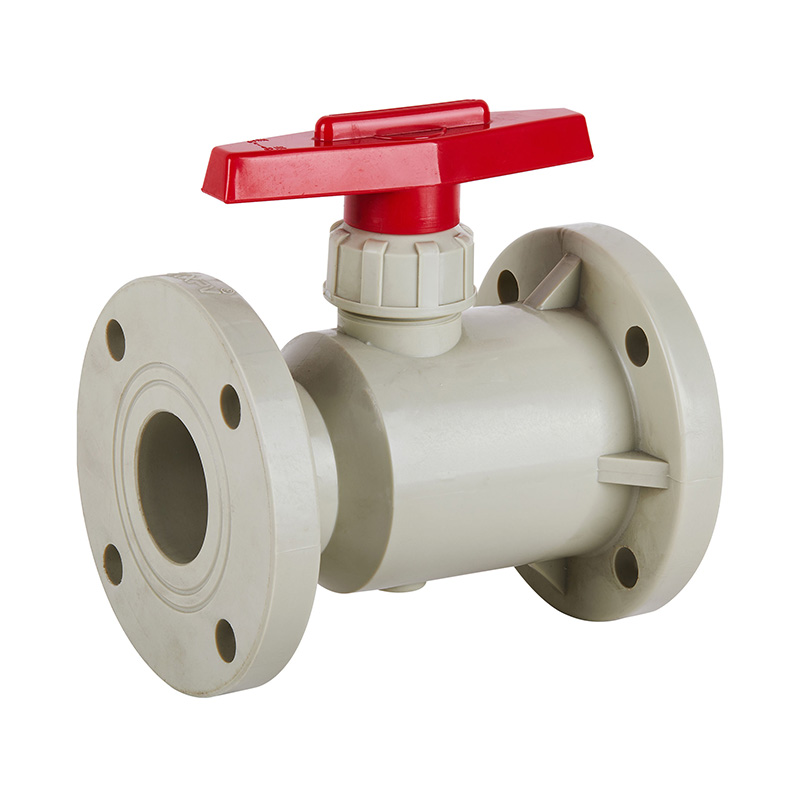
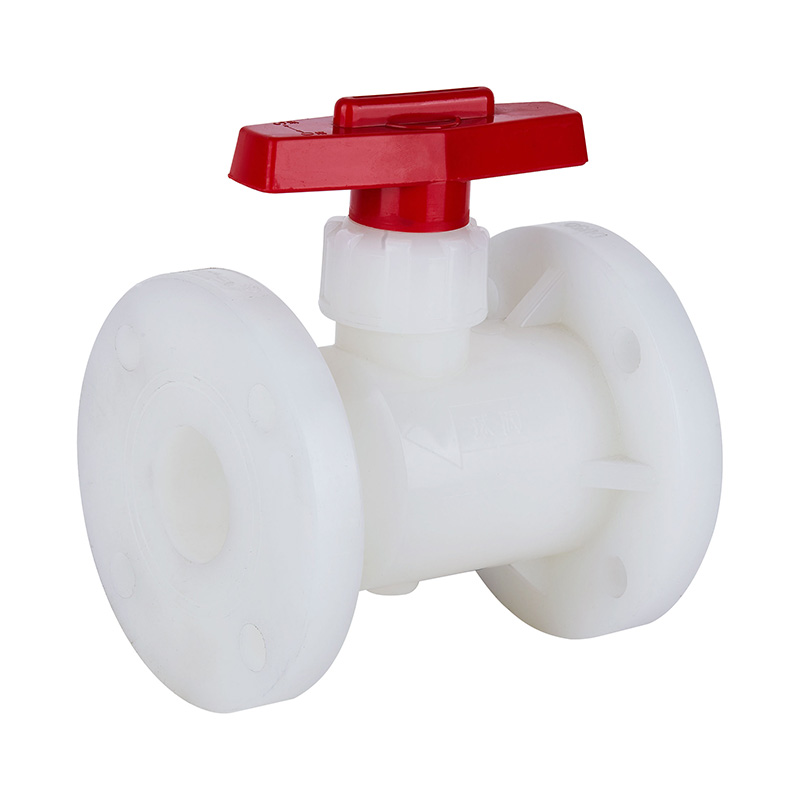
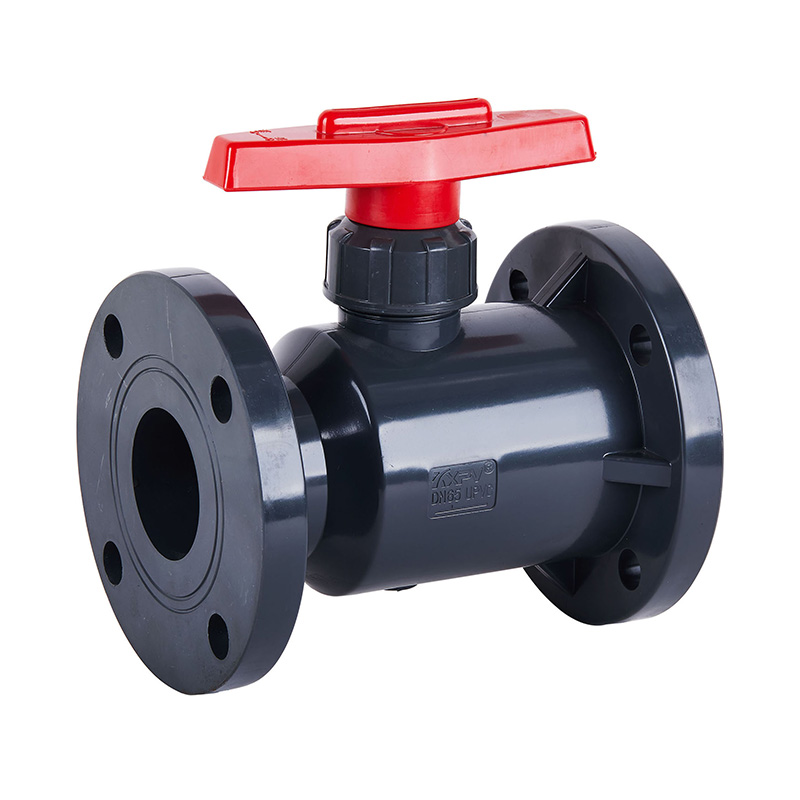
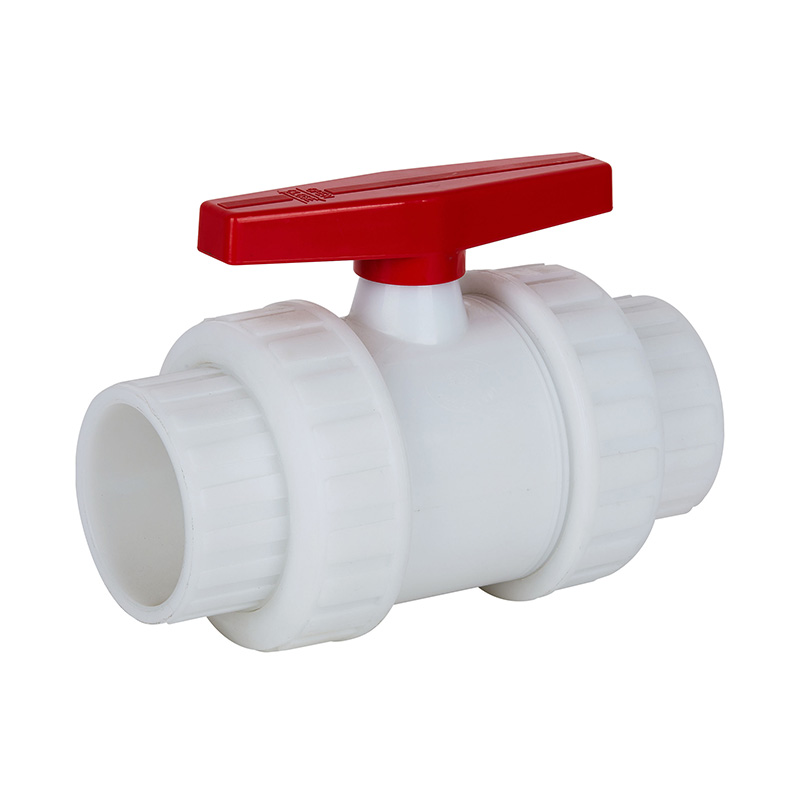
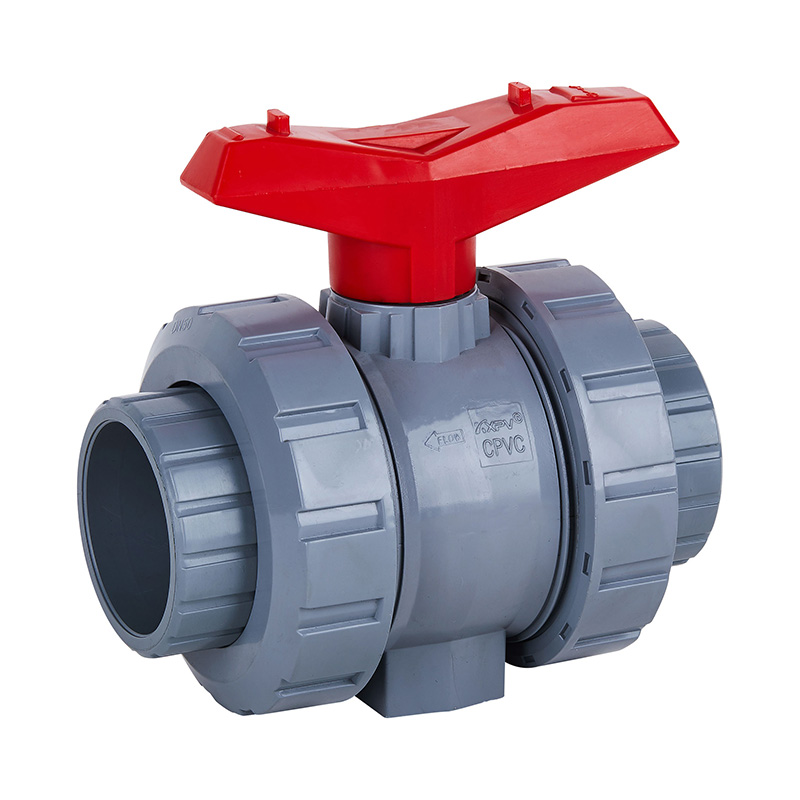
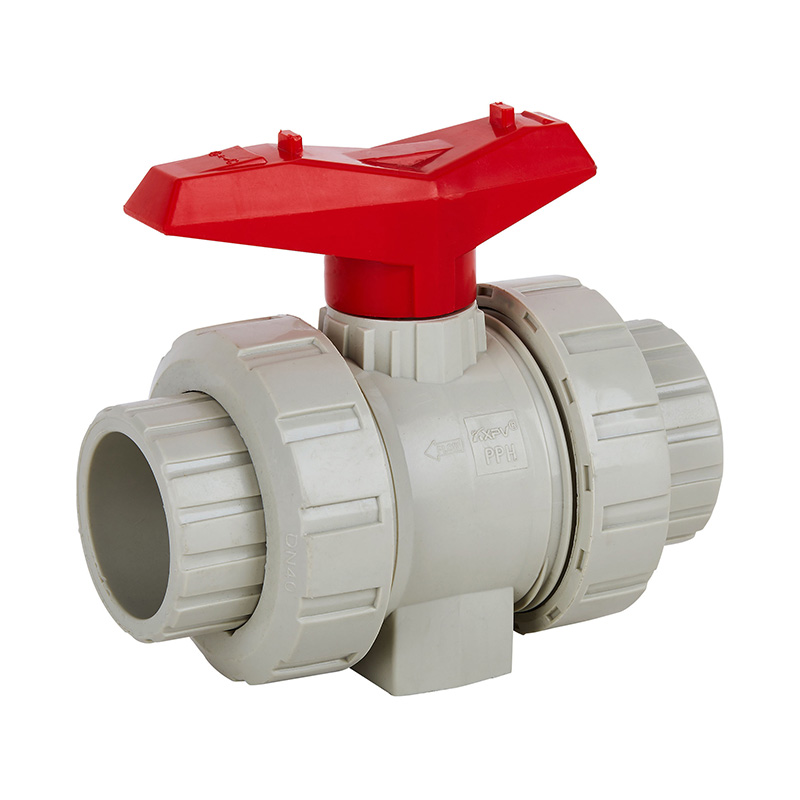
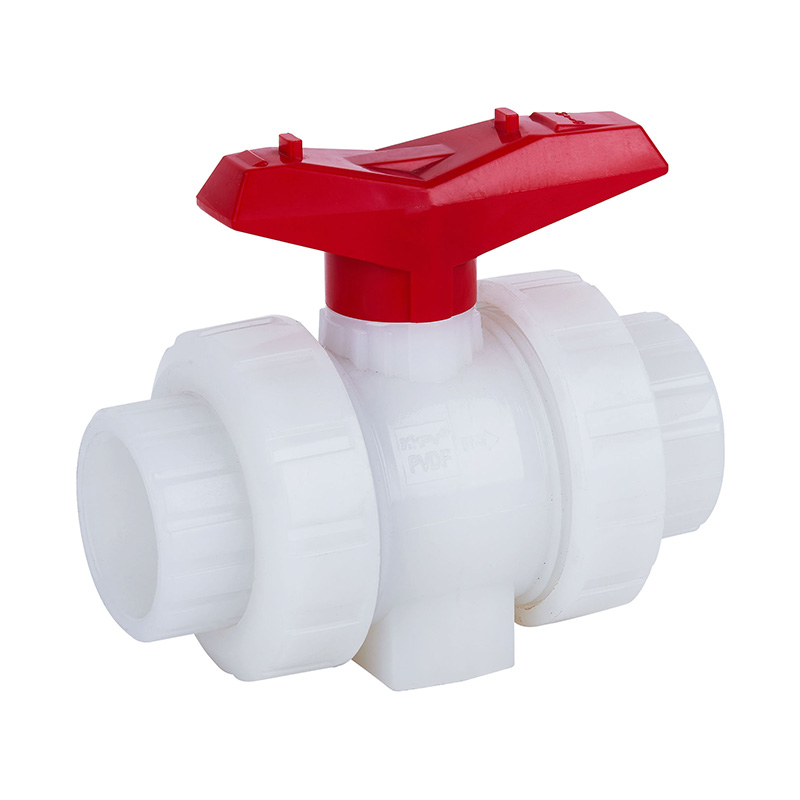
UPVC Type B Socket Ball Valve DN15-100
Grey Double Union Plastic UPVC Manual Socket Ball Valve DN15-DN100 SO STD Standard Chemical Valve for water industry and agriculture
Model NO.Q61F-10U
Product name:UPVC socket ball valve
Material:Plastic
Colour:Grey and red
Connection Form:Welding
Driving Mode:Manual
Working pressure:1.0-1.6Mpa (10-25bar)
Nominal Pressure:10kg
Channel:Straight Through Type
Structure:Fixed Ball Valve
Function:Bypass-Valve
Temperature:High Temperature
Application:Industrial Usage, Water Industrial Usage, Household Usage
Specification:DN15-DN100
Design Standard:ISO STD
Seal Material:PTFE Seal
Origin:Beilun Ningbo China
HS Code:8481804090

 Headquarters: No. 539 Bohai Road, Beilun District, Ningbo City, Zhejiang Province, P.R. China
 +86-18067123177