When choosing PVDF and FRPP as materials for level indicators, are there other characteristics to consider besides chemical resistance and temperature tolerance?
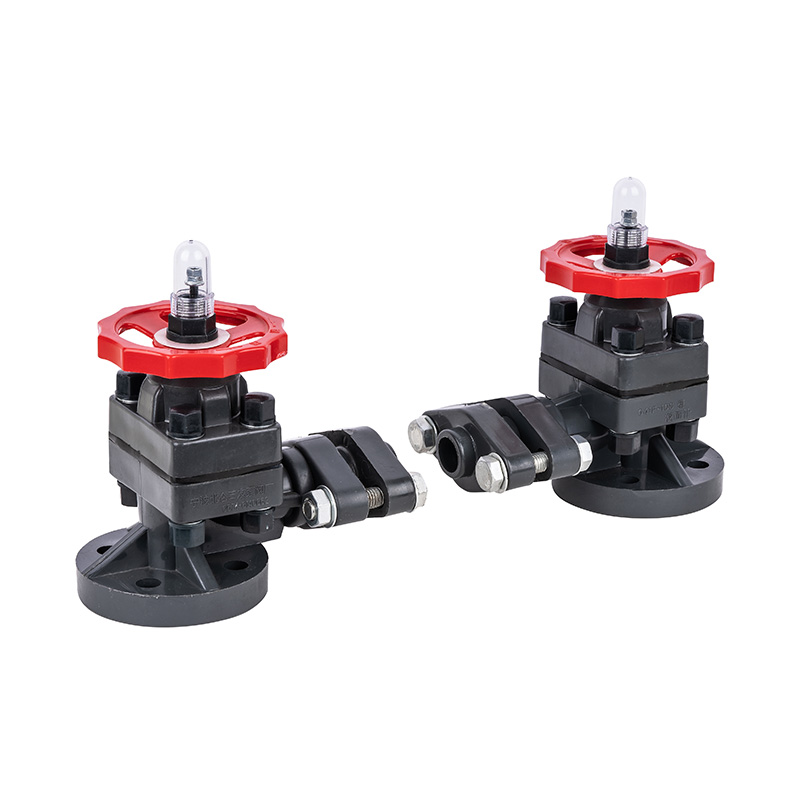
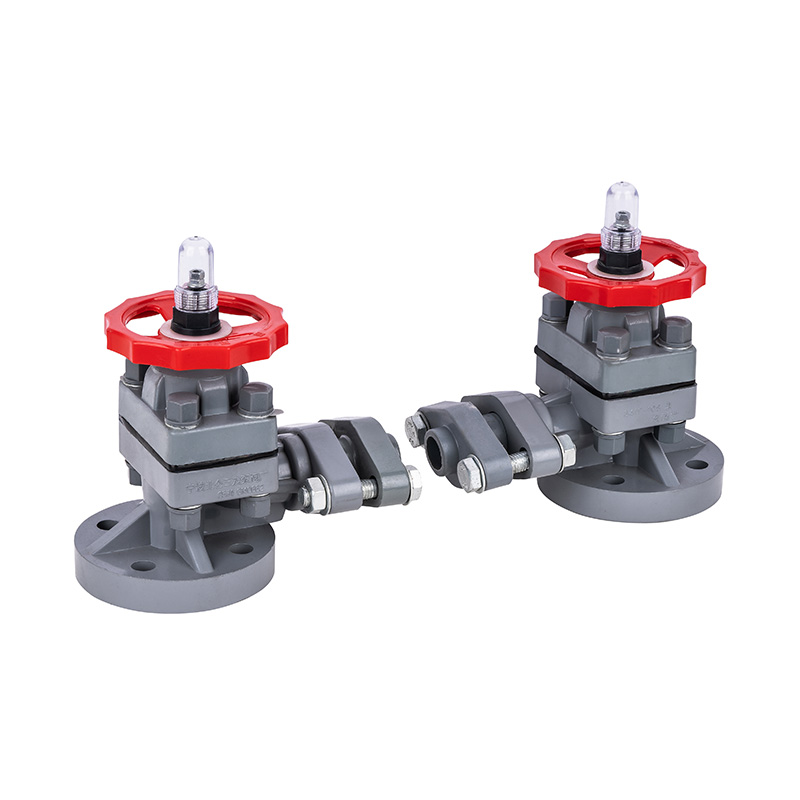
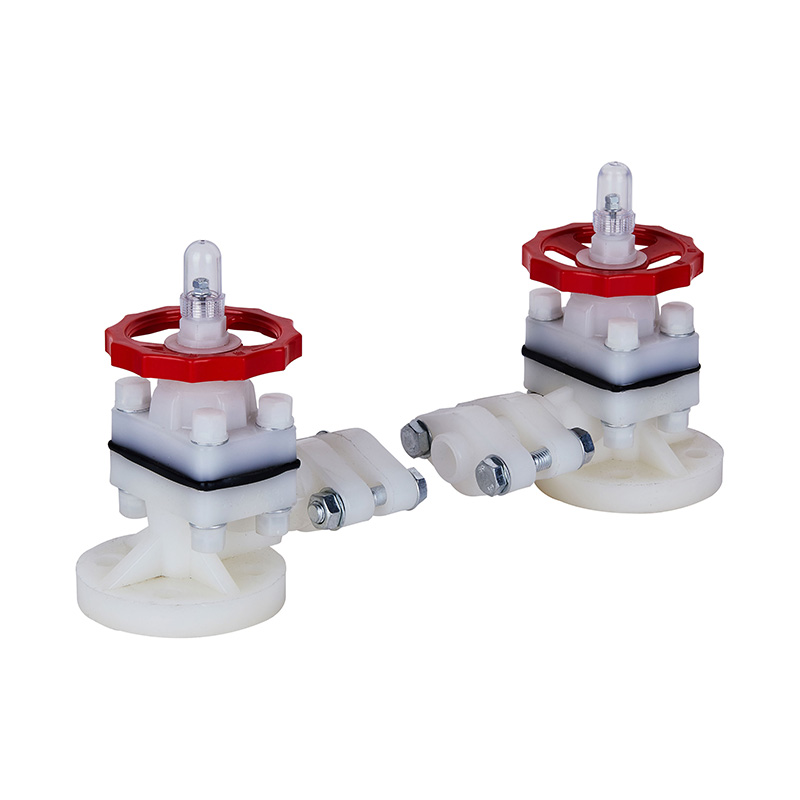
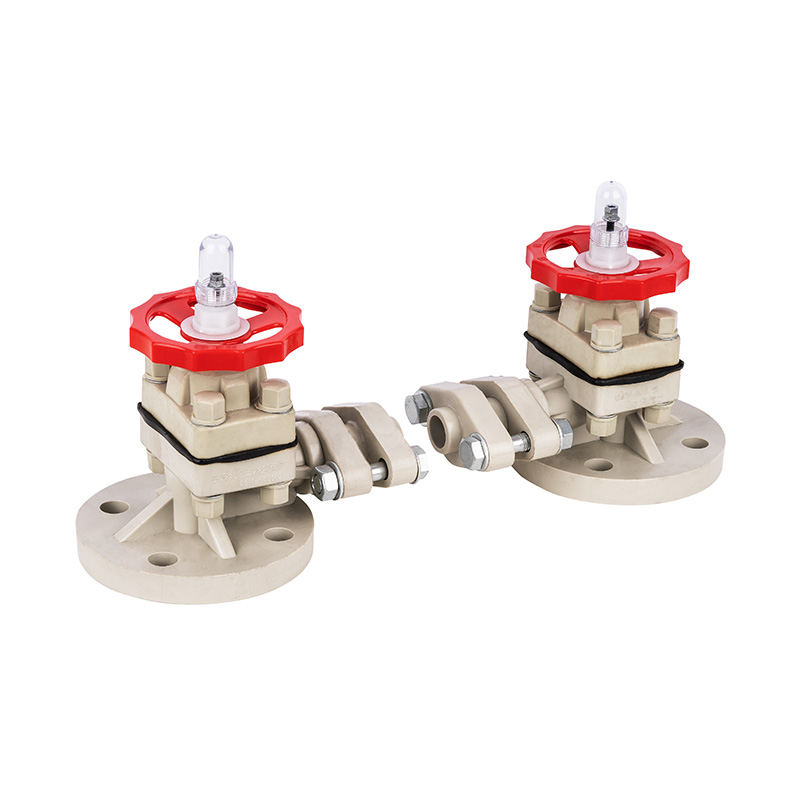
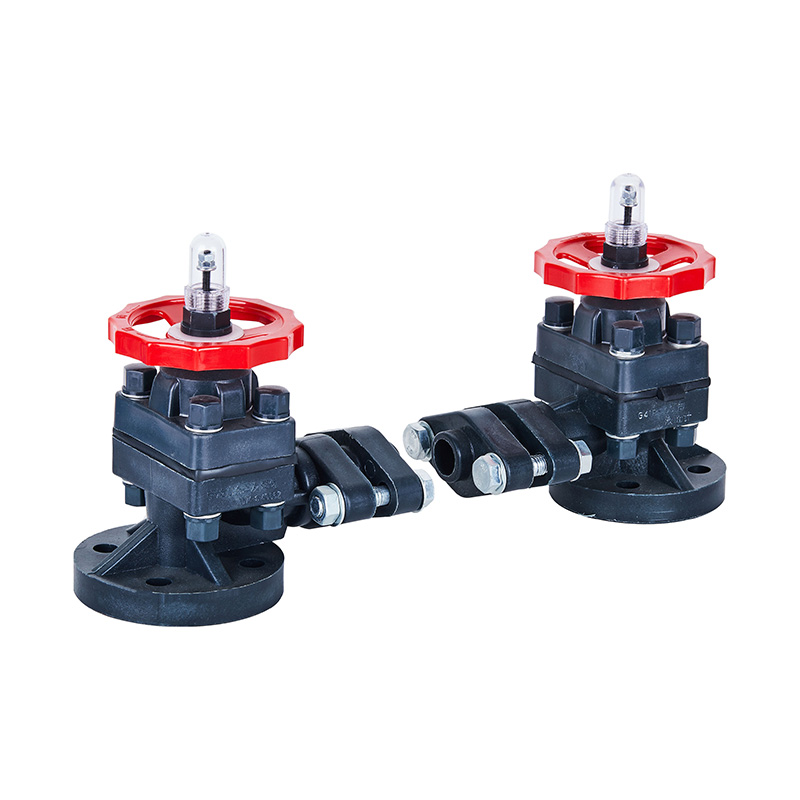
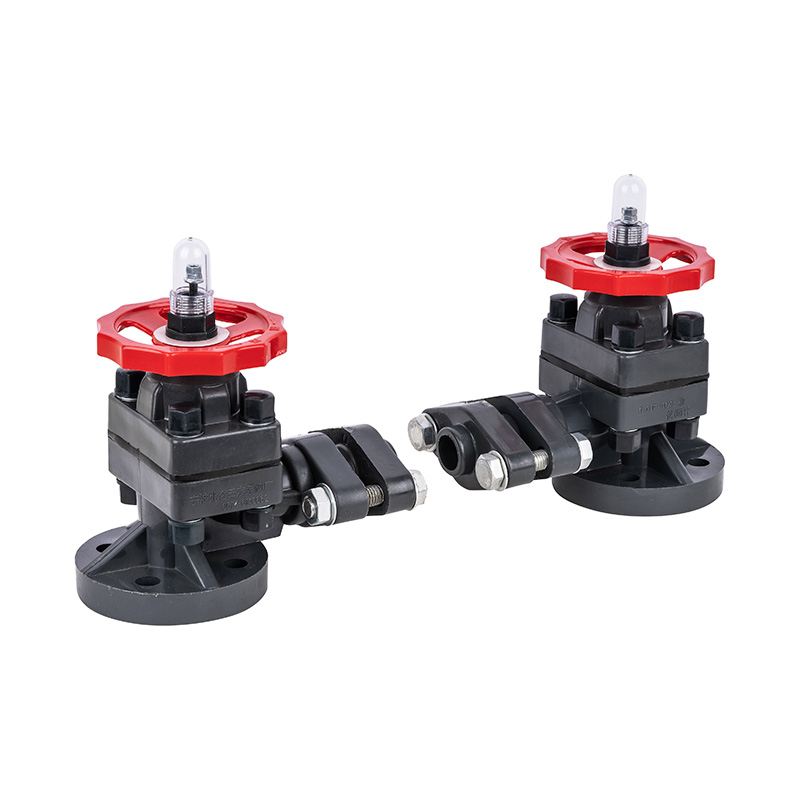
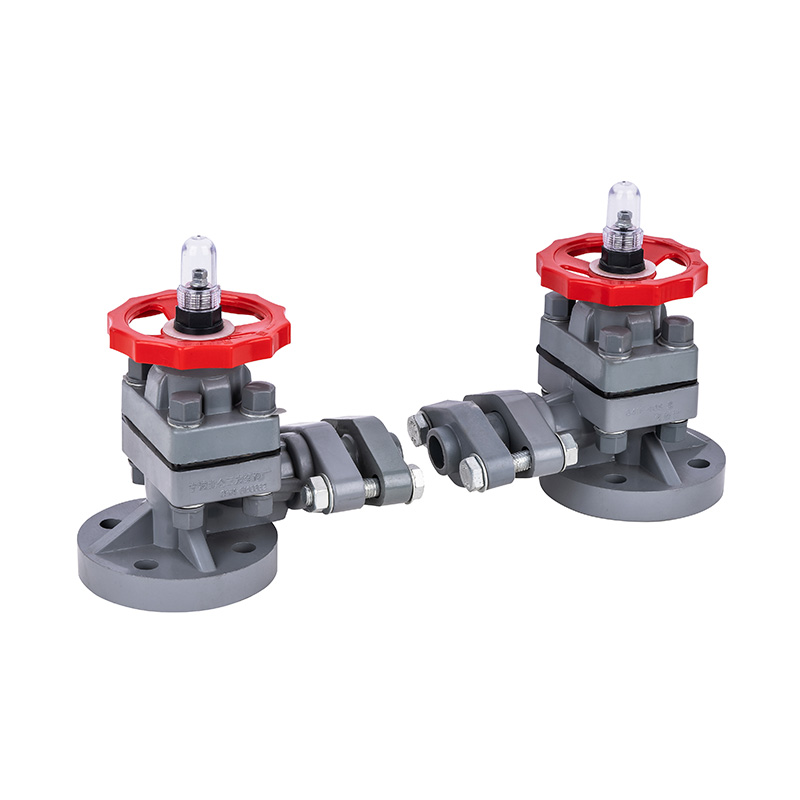
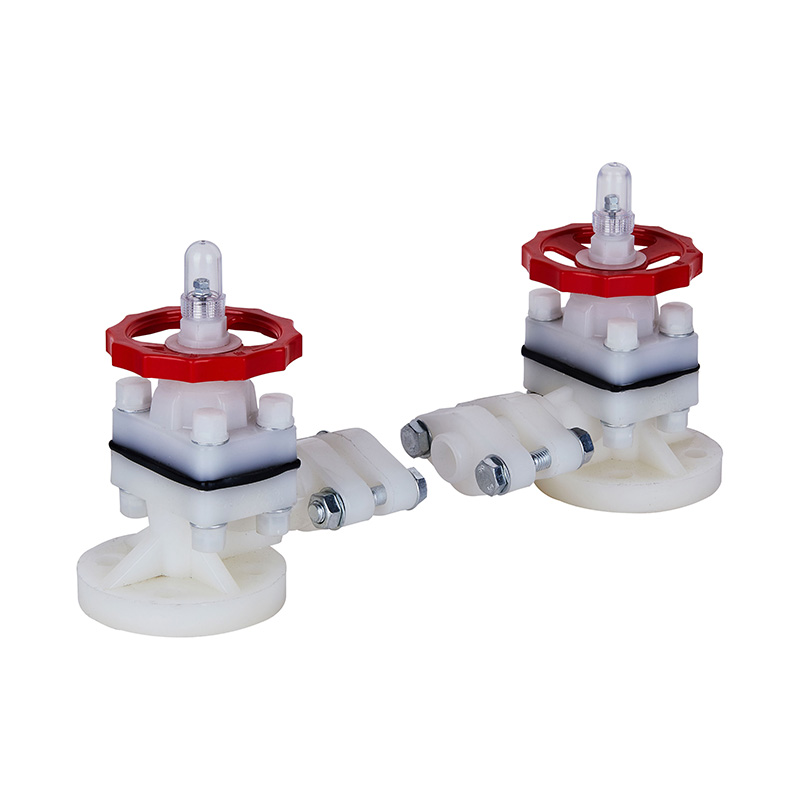
When choosing PVDF and FRPP as materials for level indicators, several factors need to be considered in addition to chemical resistance and temperature tolerance to ensure the long-term stable operation, reliability, and cost-effectiveness of the level indicators. Level indicators are devices used to detect and display liquid levels, and are widely used in chemical, pharmaceutical, food, petroleum, environmental protection, and other industries. Therefore, choosing the right material is crucial to ensuring the performance and safety of the equipment.
Mechanical Strength and Impact Resistance
Level indicators may encounter external impacts, vibrations, or even sudden pressure changes, especially in industrial settings. In this case, the mechanical strength and impact resistance of the material are crucial. Both PVDF and FRPP have good mechanical properties, but PVDF has higher strength and toughness, and can withstand greater mechanical impact in extreme environments without easily cracking. For example, on a chemical production line, level indicators may be subjected to mechanical collisions or pressure fluctuations. Indicators made of PVDF can better withstand these external forces.
Relatively speaking, although FRPP also has good mechanical strength, PVDF provides superior strength and impact resistance in some high-impact load environments. Therefore, when choosing materials, a comprehensive consideration should be given to the vibration, collision, and possible impacts in the actual application. If high mechanical impact or vibration is expected, PVDF will be a more suitable choice.
Aging Resistance and Weather Resistance
Level indicators sometimes need to be exposed to the external environment, such as being exposed to sunlight, humid environments, or environments with large temperature differences. PVDF, due to its excellent aging resistance, can withstand the effects of ultraviolet radiation, oxidation, and environmental climate. Long-term exposure to sunlight or extreme weather conditions will not significantly change the chemical stability and structural strength of PVDF, greatly extending the service life of the equipment. Its UV resistance allows it to maintain excellent performance even in outdoor or high-temperature environments. FRPP, while possessing some weather resistance, is prone to material aging, decreased strength, and discoloration when exposed to ultraviolet light for extended periods, compared to PVDF. Therefore, it is not suitable for long-term outdoor exposure or environments requiring strong UV resistance. In such cases, PVDF is more ideal.
Surface Smoothness and Anti-Adhesion Properties
The surface smoothness of level indicators not only affects their appearance but also directly relates to the cleanliness of the equipment and the efficiency of fluid flow. PVDF surpasses FRPP in surface smoothness and anti-adhesion properties, especially in applications where the adhesion of liquids or solid particles needs to be avoided. For example, the pharmaceutical and food processing industries have extremely high hygiene requirements for equipment; any adhesion of particles, microorganisms, or contaminants will affect product quality. The smooth surface of PVDF makes it easier to clean, reducing the risk of contamination and bacterial growth.
While FRPP performs well in terms of anti-adhesion, it is still not as good as PVDF. Therefore, in industries with extremely strict hygiene requirements, PVDF may be a more suitable choice.
Weight and Ease of Installation
FRPP has a lower density and is generally lighter than PVDF. Therefore, in applications where the total weight of the equipment is a consideration (e.g., mobile equipment, lightweight structures, etc.), FRPP can help reduce system weight and improve ease of installation and transportation. For level indicator systems that require frequent movement or maintenance, lightweight FRPP is an ideal choice. In contrast, PVDF, due to its higher density, may be slightly heavier, but its advantages are more pronounced in applications requiring stronger corrosion resistance and mechanical properties.
Processability and Adaptability
PVDF requires higher temperatures and special equipment for processing, such as high-temperature injection molding or thermoplastic processing, while FRPP is relatively easy to process and suitable for large-scale production. For applications with high standardization requirements and tight production schedules, the processability and production cost advantages of FRPP may make it a more suitable choice. However, for some special customization requirements, especially in high-strength, high-corrosion resistance, and high-temperature environments, PVDF undoubtedly offers better processing adaptability.
Are there any design requirements for different applications of level indicators, such as transparency, UV resistance, and surface smoothness, to ensure the effectiveness of PVDF and FRPP materials?
In the design of level indicators, especially in high-precision and demanding industries such as chemical, pharmaceutical, and food processing, design requirements usually extend beyond the basic material properties (such as corrosion resistance and high-temperature resistance) to include a range of requirements related to visual effects, service life, cleaning, and maintenance. These design requirements ensure that level indicators perform optimally in their applications and can operate stably for extended periods in complex environments.
Transparency and Visibility
The core function of level indicators is to accurately display the liquid level, so their transparency and visibility are crucial. Especially in industries where strict monitoring of liquid levels is required (such as chemical and pharmaceutical industries), the transparency of PVDF and FRPP directly affects the operator's judgment and reaction speed. PVDF generally has better transparency, especially high-purity PVDF, which ensures that changes in the liquid level can be clearly seen, providing higher accuracy and operability.
The transparency of FRPP is relatively lower. Although transparency can be improved through special processing, its transparency and clarity are still inferior to PVDF. Therefore, in applications requiring high transparency, choosing PVDF will contribute to more accurate liquid level detection.
UV Resistance
If level indicators are exposed to sunlight for extended periods, UV radiation can cause material aging, discoloration, and even a decrease in strength. PVDF has significantly better UV resistance than FRPP. Therefore, in outdoor or sun-exposed environments, PVDF is more durable and can ensure the stable operation of level indicators for a long time. FRPP, under prolonged exposure to UV radiation, may experience material aging, affecting its structural strength and appearance. Therefore, in environments with strong UV radiation, choosing PVDF material is more suitable.
Surface Smoothness and Ease of Cleaning
The design of level indicators also usually needs to consider surface smoothness and ease of cleaning, especially in industries with high hygiene requirements such as pharmaceuticals and food processing. PVDF material possesses high surface smoothness, effectively preventing the adhesion of liquids or contaminants. Its low coefficient of friction also facilitates liquid flow, reducing unnecessary resistance and thus improving work efficiency. In these industries, the difficulty of cleaning equipment surfaces directly affects product quality and production efficiency, and PVDF's anti-fouling properties are one of its advantages.
In contrast, FRPP has poorer surface smoothness, easily forming tiny cracks and pores on the surface, leading to the adhesion of liquids and particulate matter, increasing cleaning difficulty. Therefore, for applications requiring frequent cleaning and high hygiene standards, PVDF material will provide a better solution.
Heat and Pressure Resistance
Level indicators are often used in high-temperature and high-pressure environments, such as chemical plants and oil refineries. PVDF has stronger performance in terms of high-temperature and high-pressure resistance compared to FRPP, and can withstand higher operating temperatures and pressures. This is especially important for liquids requiring high-temperature resistance (such as high-temperature solutions produced during chemical reactions). In this environment, choosing PVDF can ensure the long-term stable operation of the equipment, while FRPP performs relatively poorly under high temperature and high pressure, and is therefore not suitable for extreme high-temperature and high-pressure applications.
When using PVDF and FRPP materials in the production of level indicators, are special equipment or process controls required to ensure product quality?
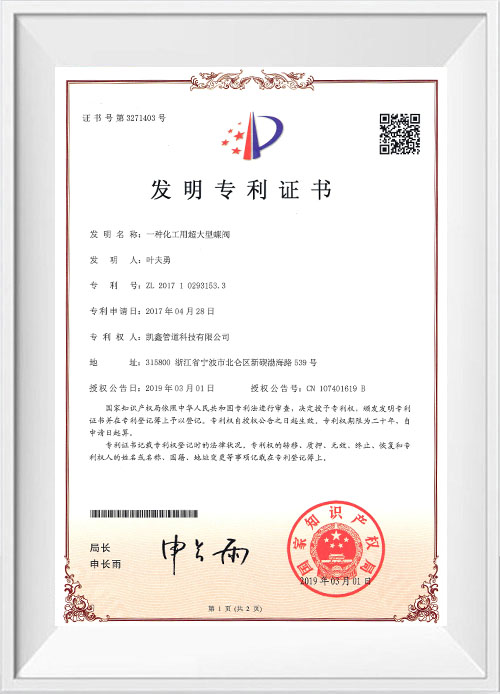
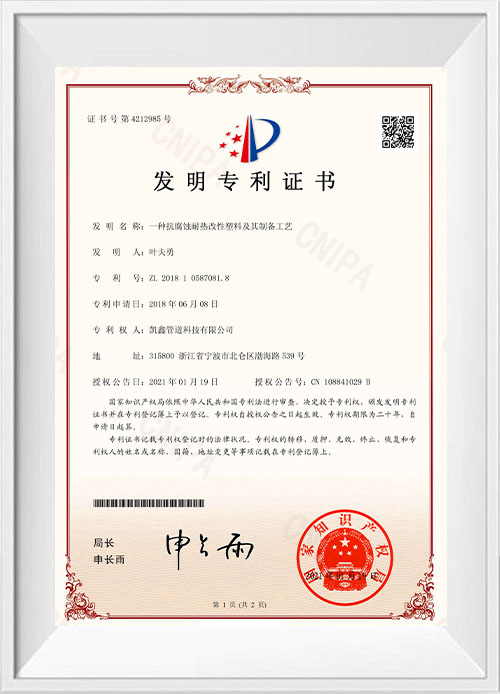
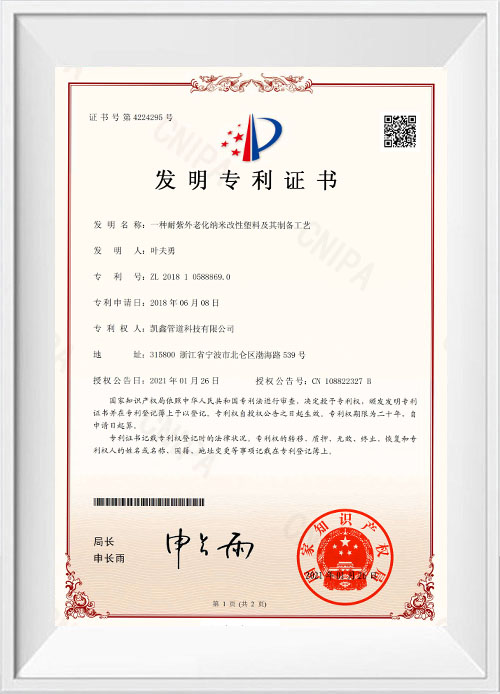
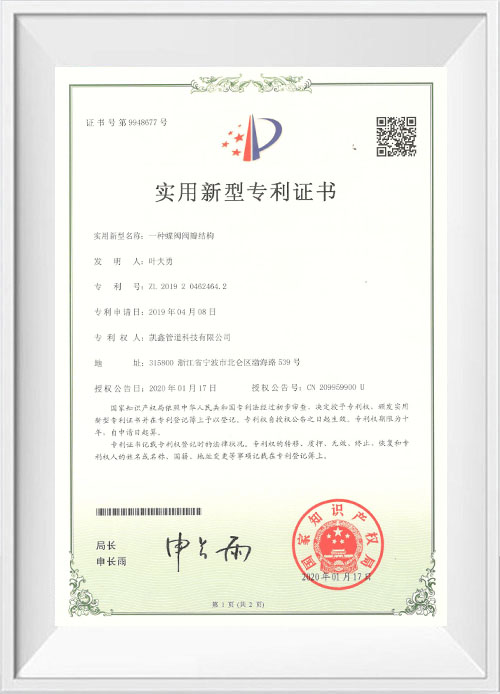
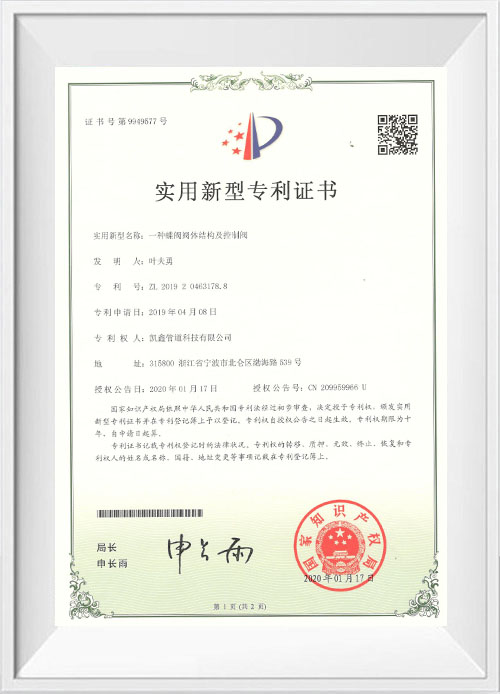
For a high-tech enterprise like Kaixin Pipeline Technologies Co., Ltd., which focuses on the research, development, manufacturing, and sales of non-metallic corrosion-resistant products, ensuring the quality of products such as level indicators is crucial. The company has accumulated extensive experience in the research and production of advanced materials such as PVDF and FRPP, and holds multiple certifications and awards, demonstrating its leading position in technology and quality control. To ensure the long-term stable operation of level indicators in chemical, pharmaceutical, and other fields, the company needs to strictly control materials, processes, and equipment during the production process.
Material Selection and Precision Control
In the production process of Kaixin Pipeline Technologies Co., Ltd., the selection of high-performance materials such as PVDF and FRPP is the primary step. Due to the different characteristics of these materials, special attention needs to be paid to their source, batch consistency, and quality control during the production process. The company invests nearly 10 million RMB annually in R&D, which not only covers material innovation but also includes rigorous testing and screening of material quality.
The purity and quality of PVDF require special attention, especially in environments involving high temperature, high pressure, or strong chemical corrosion. Kaixin Pipeline Technologies Co., Ltd. ensures that only high-purity imported PVDF is used through strict raw material procurement channels, maximizing its chemical resistance and high-temperature performance.
The selection of FRPP requires consideration of the proportion of glass fiber reinforcement to ensure its strength, rigidity, and corrosion resistance in specific applications. Kaixin Pipeline Technologies Co., Ltd. has strict standards for material selection, ensuring that each batch of FRPP material meets the established technical specifications and quality requirements.
Processing Technology Requirements
For PVDF and FRPP, especially in the production of level indicators, specialized equipment and process controls are required.
The processing of PVDF requires very strict temperature control; excessively high or low temperatures can affect the performance of the final product. For example, Kaixin Pipeline Technologies Co., Ltd.'s production base utilizes fully automated production lines, including temperature control equipment, to ensure that the temperature of PVDF during processing remains within the optimal range, preventing material degradation or deformation caused by temperature fluctuations.
During the injection molding process of PVDF, the equipment used by Kaixin Pipeline Technologies Co., Ltd. requires precise control of heating and cooling times. Process parameters are adjusted through a numerical control system to ensure the consistency and precision of each product.
The processing of FRPP is relatively simple, but it also requires precise control of pressure and speed, especially during injection molding and thermoforming. Kaixin Pipeline Technologies Co., Ltd. is equipped with 8 fully automated production lines, which can precisely control the pressure and processing temperature at each stage while ensuring production efficiency, guaranteeing the stability and strength of FRPP at high temperatures.
Kaixin Pipeline Technologies Co., Ltd. uses various sensors and automatic detection systems in its production process to monitor product quality in real time. These devices help detect potential defects (such as bubbles, cracks, etc.) and allow for adjustments at an early stage, ensuring the reliability of each level indicator product.
Surface Treatment and Smoothness
Surface treatment of level indicators is particularly important in Kaixin Pipeline Technologies Co., Ltd.'s production, especially when the material needs to maintain high smoothness. For PVDF and FRPP, surface smoothness directly affects the cleanliness of the equipment, its resistance to contamination, and the efficiency of fluid flow.
The surface treatment process for PVDF requires extremely high standards. Kaixin Pipeline Technologies Co., Ltd. has introduced advanced surface polishing and sandblasting technologies at its Ningbo Fenghua R&D & Production Base to ensure that the surface of PVDF is not only smooth and burr-free, but also minimizes liquid adhesion and pollutant accumulation.
For FRPP, although its surface smoothness is slightly inferior to PVDF, Kaixin Pipeline Technologies Co., Ltd. still employs high-precision surface treatment processes, ensuring that each level indicator meets high standards of cleanliness and smoothness. Through this meticulous processing, the products not only have a beautiful appearance but also prevent the adhesion of bacteria and pollutants during use, making them particularly suitable for the food and pharmaceutical industries. #### d. Quality Control and Precision Management
Quality control is integrated throughout the entire production process. Kaixin Pipeline Technologies Co., Ltd. applies a rigorous quality management system at its production facilities, ensuring that every batch of PVDF and FRPP products meets the highest quality standards.
The quality management system implemented by Kaixin Pipeline Technologies Co., Ltd. includes comprehensive tracking and testing from raw material warehousing to product shipment. For example, all PVDF and FRPP materials entering the production line must pass strict testing procedures to ensure their physical and chemical properties meet the requirements. During the production process, each product undergoes detailed dimensional inspection and performance testing, including pressure resistance and corrosion resistance tests, to ensure that the products meet industry standards and customer needs.
During the production process, Kaixin Pipeline Technologies Co., Ltd. also utilizes advanced digital technologies to track every stage of production. This data not only helps the company optimize production processes but also allows for traceability in case of quality issues, ensuring high product quality and reliability.
R&D Investment and Technological Innovation
Kaixin Pipeline Technologies Co., Ltd. invests heavily in research and development annually, establishing a modern R&D laboratory and collaborating with numerous universities and research institutions. The company focuses on the research and development of new modified plastics and polymer materials, providing advanced technical support for the manufacturing of level indicators. Kaixin Pipeline Technologies Co., Ltd. continuously optimizes and innovates its materials and processes, ensuring that its products remain at the forefront of industry technology. For example, by modifying PVDF and FRPP materials, the company has improved their chemical corrosion resistance and aging resistance, thus meeting customer needs in special environments.


 EN
EN English
 Español
 عربى
عربى русский
 中文简体
中文简体
 Headquarters: No. 539 Bohai Road, Beilun District, Ningbo City, Zhejiang Province, P.R. China
 +86-18067123177