In the field of modern industrial fluid control, Plastic Chemical Piping (GB Standard) represents more than just a set of technical indicators; it is the core foundation for ensuring continuity in chemical production, environmental safety, and the health of operators. As global demand for sustainable development and corrosion-resistant materials grows, plastic piping systems complying with Chinese National Standards (GB Standard) are rapidly replacing expensive special alloy steels due to their inertness in extreme acid-base environments, low frictional resistance, and superior cost-effectiveness.
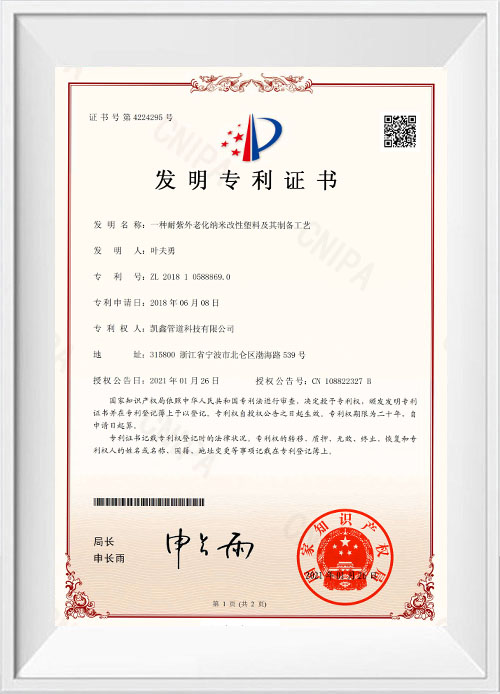
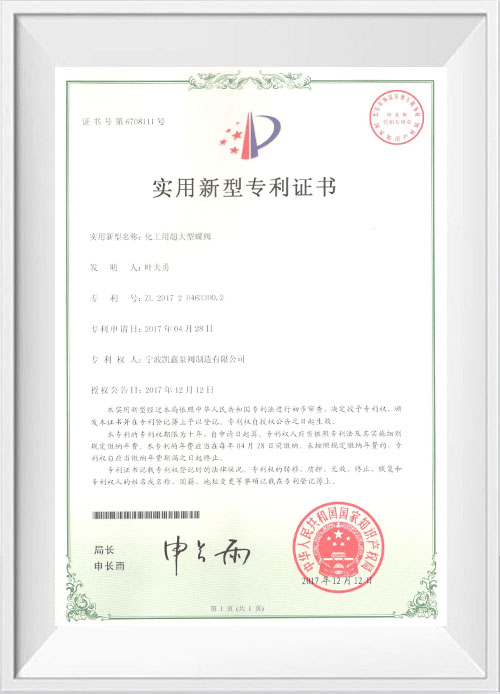
As an integration leader in this field, Kaixin Pipeline Technologies Co., Ltd., founded in 1999, has been deeply rooted in this specialized sector. As a National High-Tech Enterprise and a “Little Giant” specialized SME, the company transforms the theoretical requirements of Plastic Chemical Piping (GB Standard) into high-performance products through continuous R&D investment, solving fluid transport challenges for large-scale chemical installations under complex working conditions.
Standard System and Material Evolution of Plastic Chemical Piping (GB Standard)
The establishment of the Plastic Chemical Piping (GB Standard) system aims to provide a unified technical language for the application of non-metallic materials in pressure vessels and piping engineering. Unlike standards for residential drainage or municipal water supply, chemical-grade standards set extremely high entry thresholds for chemical resistance, hydrostatic strength, and anti-aging properties.
Core Standards Overviews
Within the framework of Plastic Chemical Piping (GB Standard), the most frequently cited standards include:
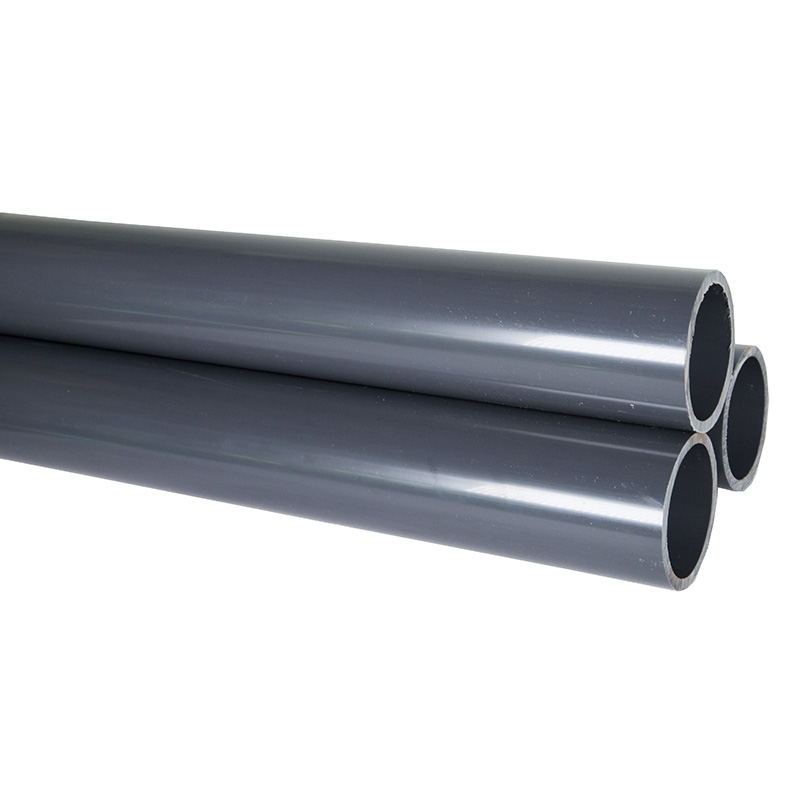
- GB/T 4217: Unplasticized poly(vinyl chloride) (PVC-U) pipes for industrial use.
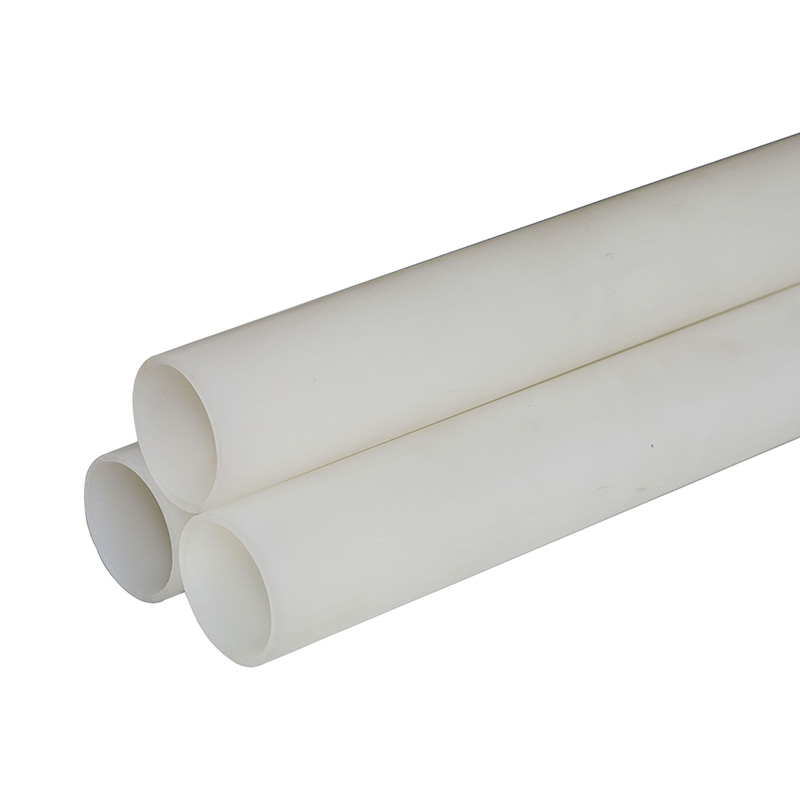
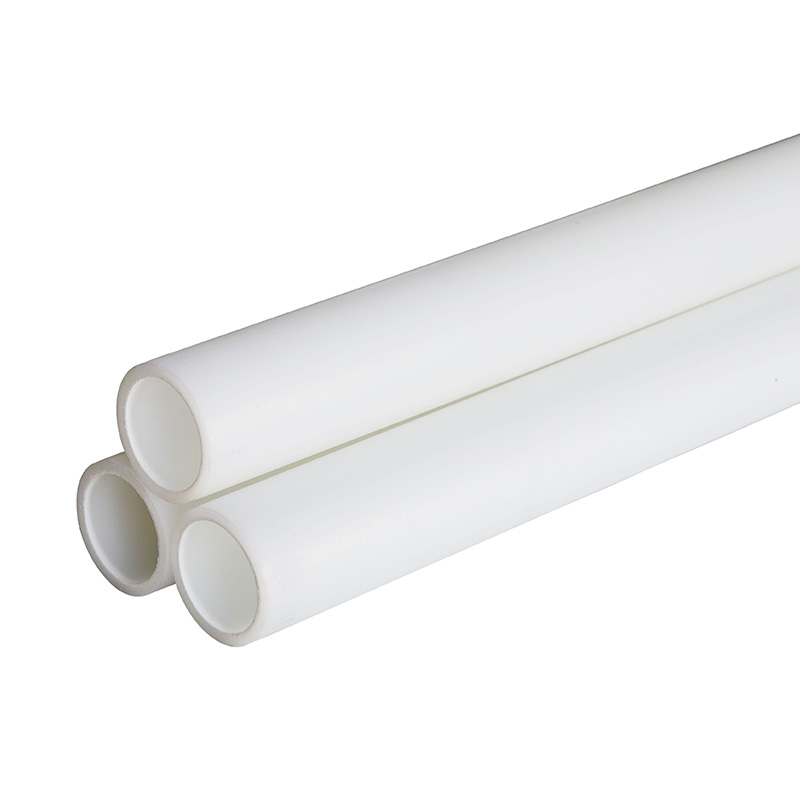
- GB/T 18742: Polypropylene (PP) piping systems, including PPH (homopolymer polypropylene) applications in chemical sectors.
- GB/T 15706: Standards for poly(vinylidene fluoride) (PVDF) pipes and fittings.
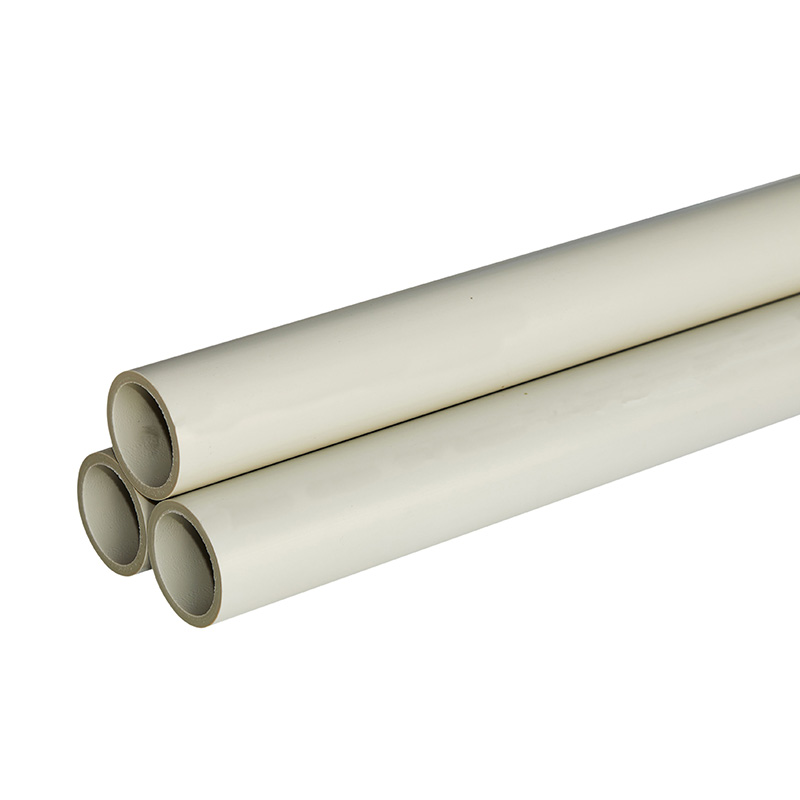
- GB/T 18991: Technical specifications for chlorinated poly(vinyl chloride) (PVC-C) piping.
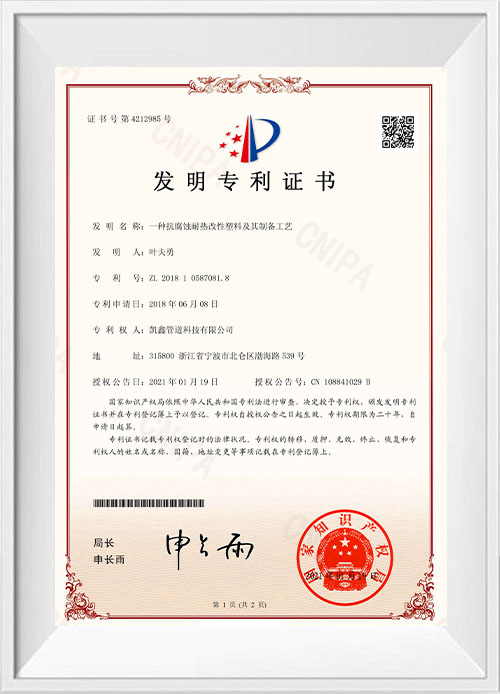
Kaixin Pipeline Technologies Co., Ltd. performs molecular-level modification of raw materials within the framework of these standards. For instance, the PPH pipes produced by its Ningbo Polymer Pipe & Valve Technology R&D Center utilize microcrystalline modification technology to significantly enhance impact strength at high temperatures, fully meeting and exceeding the basic performance requirements of Plastic Chemical Piping (GB Standard).
Deep Comparison of Material Properties
Selecting the correct material for Plastic Chemical Piping (GB Standard) is the primary task of engineering design. Below is a detailed parameter comparison of core materials provided by Kaixin Pipeline Technologies Co., Ltd.:
| Technical Parameter |
PVC-U (GB/T 4217) |
PPH (GB/T 18742) |
PVDF (GB/T 15706) |
PVC-C (GB/T 18991) |
| Density (g/cm3) |
1.40 - 1.45 |
0.90 - 0.91 |
1.75 - 1.78 |
1.50 - 1.55 |
| Thermal Conductivity (W/m·K) |
0.16 |
0.22 |
0.19 |
0.14 |
| Linear Expansion (10-4/K) |
0.8 |
1.5 |
1.2 |
0.7 |
| Vicat Softening Point (°C) |
80 or higher |
145 or higher |
140 or higher |
105 or higher |
| Self-extinguishing |
Yes |
No |
Yes |
Yes |
Design Pressure, Wall Thickness Calculation, and Temperature Derating
In the engineering design of Plastic Chemical Piping (GB Standard), one cannot simply apply the pressure ratings used for metal pipes. The mechanical strength of plastic materials is strongly coupled with temperature.
Relationship Between Pressure Rating (PN) and SDR
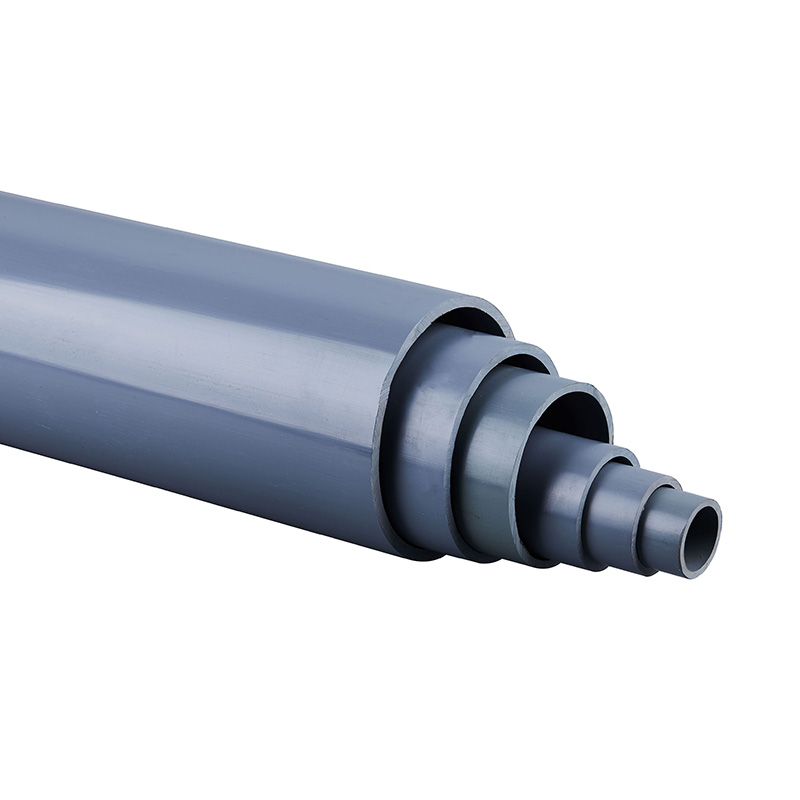
According to Plastic Chemical Piping (GB Standard), the nominal pressure (PN) and the standard dimension ratio (SDR) of the pipe follow a specific formula where SDR equals the nominal outside diameter (dn) divided by the nominal wall thickness (en). For a given material, the design stress determines the PN value. Kaixin Pipeline Technologies Co., Ltd. provides a full range of pipes from SDR11 to SDR33, ensuring precise product matching for different pressure requirements such as PN1.0 and PN1.6.
Scientific Application of Temperature Derating Factors
Chemical fluids often operate at elevated temperatures. Plastic Chemical Piping (GB Standard) stipulates that when the temperature exceeds 20°C, a temperature derating factor (fT) must be applied. For example, at 60°C, the derating factor for PPH is typically around 0.5. This means a PN1.0 pipe has a maximum allowable working pressure of only 0.5 MPa at this temperature. Kaixin Pipeline Technologies Co., Ltd. ensures its pipes exceed the 1,000-hour hydrostatic strength test required by standards through high-quality imported raw materials and automated production lines, significantly enhancing system design redundancy.
Manufacturing Processes for Large Diameters and Complex Components
In large chemical plants, high-flow transport places greater demands on pipe diameters. While traditional plastic processing enterprises are often limited to small-scale production, Kaixin Pipeline Technologies Co., Ltd. has filled this market gap.
DN800 Pipes and DN1000 Valves
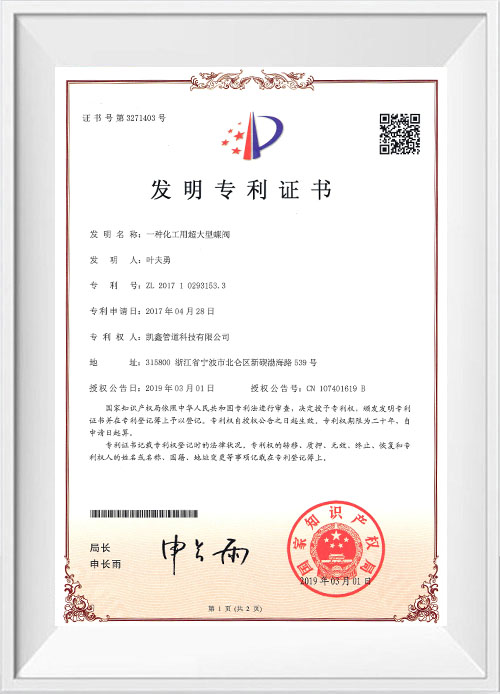
The high-pure pipe technology base invested in by Kaixin Pipeline Technologies Co., Ltd. possesses the capability to produce DN800 specification pipes. The company’s butterfly valves can reach a diameter of DN1000, which is a leading level in the field of non-metallic valves complying with Plastic Chemical Piping (GB Standard). The structural design of these large valves undergoes Finite Element Analysis (FEA) to ensure excellent sealing under high pressure differentials.
Automated Extrusion Lines
16 fully automated production lines achieve digital monitoring of the entire process from raw material proportioning to cooling and shaping, ensuring that the ovality of large-diameter pipes is strictly controlled within the tolerances of the GB standard. This precision is vital for maintaining the integrity of Plastic Chemical Piping (GB Standard) systems in high-stress environments.
Corrosion-Resistant Pumps and Accessories
Beyond piping, the Plastic Chemical Piping (GB Standard) system extends to matching corrosion-resistant pumps and fittings. The product portfolio provided by Kaixin Pipeline Technologies Co., Ltd. ensures material consistency. If PPH is used for the piping, the pump bodies and valves are also made of PPH, avoiding fatigue at connection points caused by differences in thermal expansion coefficients between different materials.
Installation Technology and Construction Specifications
Installation is the critical link for the practical application of Plastic Chemical Piping (GB Standard). Non-standard connections lead to stress concentration and shorten system life.
Butt Fusion Welding
This is the most common connection method for PPH and PVDF systems. According to the GB standard, welding must precisely control heating temperature, change-over time, and cooling pressure. Kaixin Pipeline Technologies Co., Ltd. provides customers with detailed construction guidance manuals. During the butt fusion process, the size of the weld bead is a vital indicator of welding quality and must comply with the ratio requirements of the pipe wall thickness.
Solvent Cementing and Flange Connections
For PVC-U and PVC-C systems, Plastic Chemical Piping (GB Standard) emphasizes the selection of solvents and the thickness of the coating. When the system needs to connect with metal equipment, flange adapters with metal backing rings should be used to prevent the plastic flange face from deforming under tightening force.
Quality Inspection and Safety Verification
As a “Ningbo Single Product Champion (Cultivation)” enterprise, Kaixin Pipeline Technologies Co., Ltd. integrates quality control into every node of Plastic Chemical Piping (GB Standard) execution.
Laboratory Testing Standards
In the new materials laboratory established by Kaixin, every batch of products must pass rigorous tests:
- Long-term Hydrostatic Test: Sustained pressure in high-temperature environments to simulate a 50-year service life.
- Drop Hammer Impact Test: Ensuring the material maintains sufficient toughness under -20°C cold conditions.
- Vicat Softening Temperature Test: Verifying the heat resistance limit to prevent thermal deformation.
Digital Management
Kaixin Pipeline Technologies Co., Ltd. has reached Enterprise Data Management Capability Maturity Level 2 (DCMM 2). This means all data, from raw material traceability to finished product delivery, is trackable, fully meeting the strict requirements of large chemical projects for supplier qualification and quality tracing of Plastic Chemical Piping (GB Standard) components.
Industry Applications of Plastic Chemical Piping (GB Standard)
Practical applications of Plastic Chemical Piping (GB Standard) have proven its value in industrial upgrades across various sectors.
Chlor-Alkali and Electroplating Industries
In the chlor-alkali industry, wet chlorine gas and caustic soda are highly corrosive. The PVC-C piping systems provided by Kaixin Pipeline Technologies Co., Ltd., due to their high chlorine content, exhibit extreme stability when handling acidic fluids and possess self-extinguishing properties, significantly improving the fire safety level of the plant.
Semiconductors and Ultra-Pure Water (UPW)
Semiconductor processes have nearly fastidious requirements for ion leaching. PVDF systems complying with Plastic Chemical Piping (GB Standard) are the standard configuration for such applications. The ultra-pure grade PVDF pipes from Kaixin Pipeline Technologies Co., Ltd. are produced in cleanroom environments, ensuring the purity of the transport medium remains within global industry tolerances.
FAQ
What is the expected service life of Plastic Chemical Piping (GB Standard)?
Within the design temperature and pressure range, plastic pipes complying with GB standards (such as those produced by Kaixin Pipeline Technologies Co., Ltd.) typically have a design life of 50 years. However, this depends on the concentration of chemical media and system fluctuations.
How should thermal expansion in plastic pipes be handled?
Plastic pipes have a high coefficient of linear expansion. When installing according to Plastic Chemical Piping (GB Standard), L or U shaped expansion loops must be designed, or expansion joints provided by Kaixin Pipeline Technologies Co., Ltd. must be used to absorb thermal stress.
Do all plastic pipes possess UV resistance?
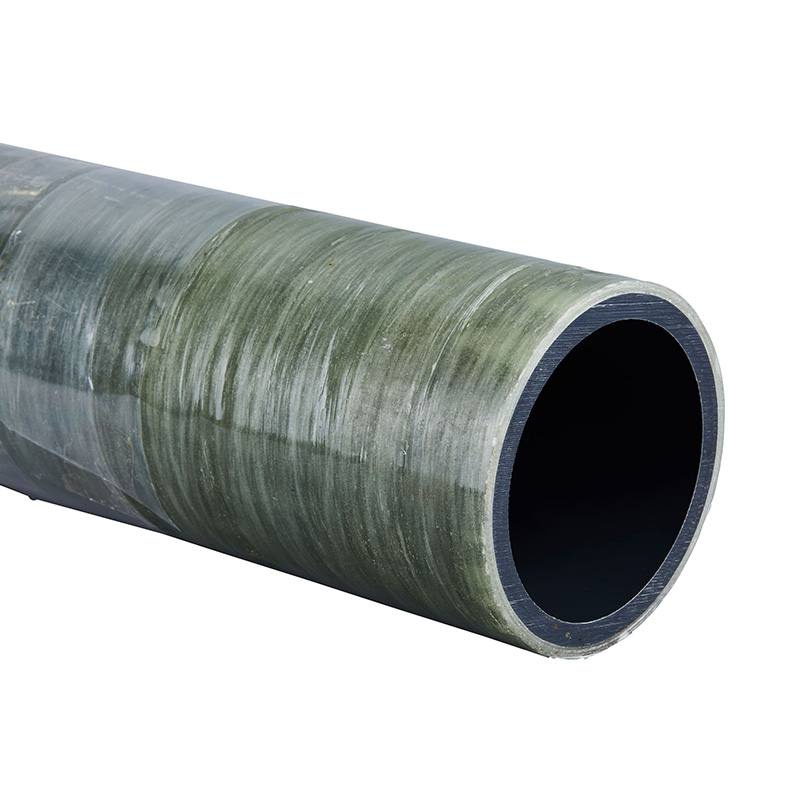
Not all. PVC-U and PPH used outdoors are recommended to have protective coatings or UV stabilizers added. Kaixin Pipeline Technologies Co., Ltd. provides specially formulated outdoor reinforced pipes that effectively resist UV degradation.
Why are large-diameter butterfly valves so important in the chemical field?
Large-scale production requires high flow rates. The DN1000 butterfly valves from Kaixin Pipeline Technologies Co., Ltd. can significantly reduce pipe branches, flow resistance, and leakage risks, acting as key components for improving overall plant energy efficiency while maintaining Plastic Chemical Piping (GB Standard) compliance.


 EN
EN English
 中文简体
中文简体
 Headquarters: No. 539 Bohai Road, Beilun District, Ningbo City, Zhejiang Province, P.R. China
 +86-18067123177