What Are Plastic Chemical Pipes and Why Are They Preferred in Industrial Applications?
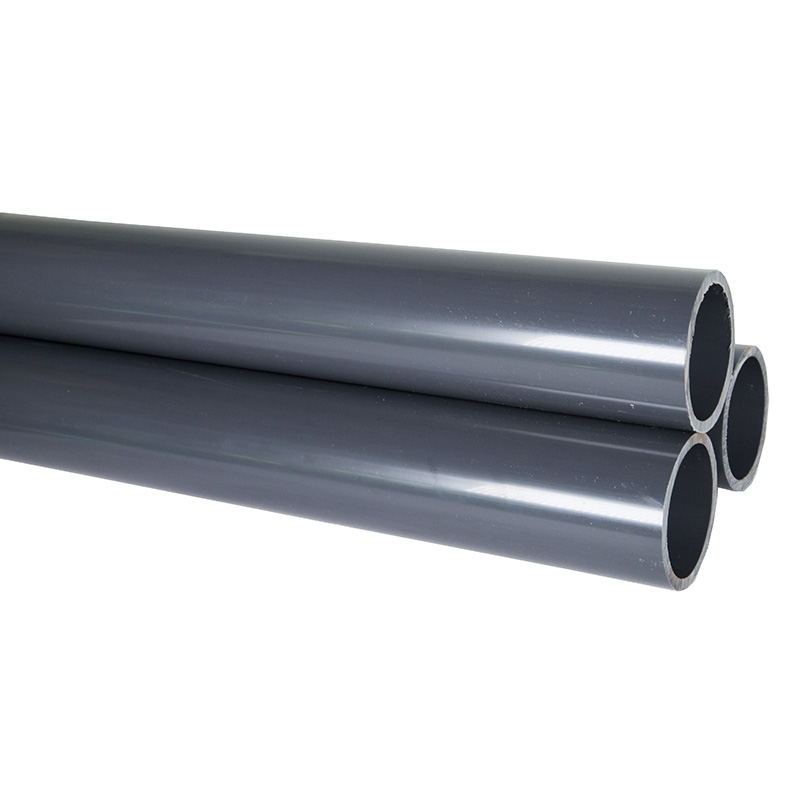
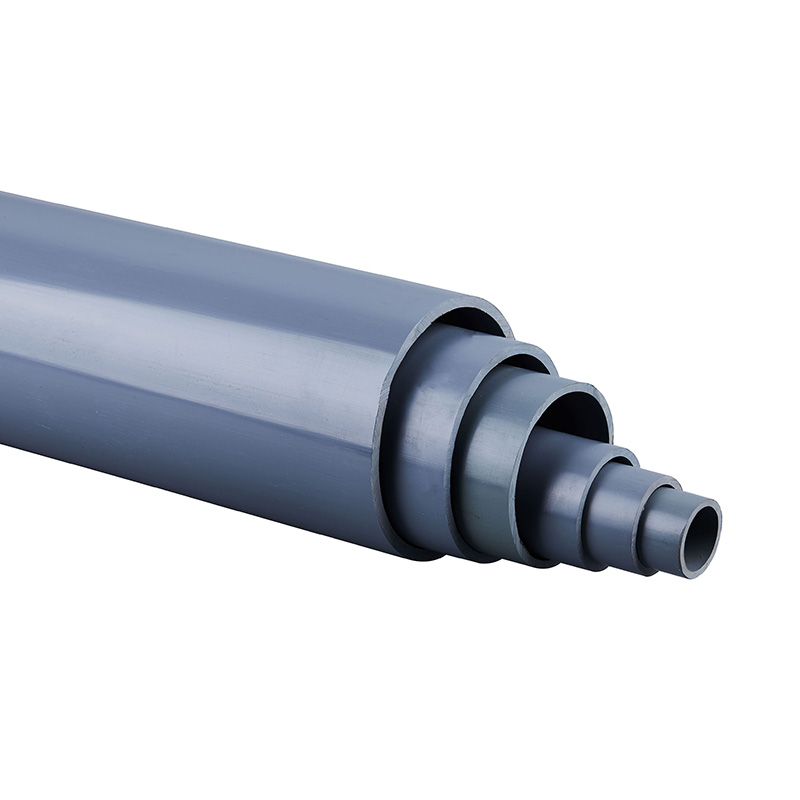
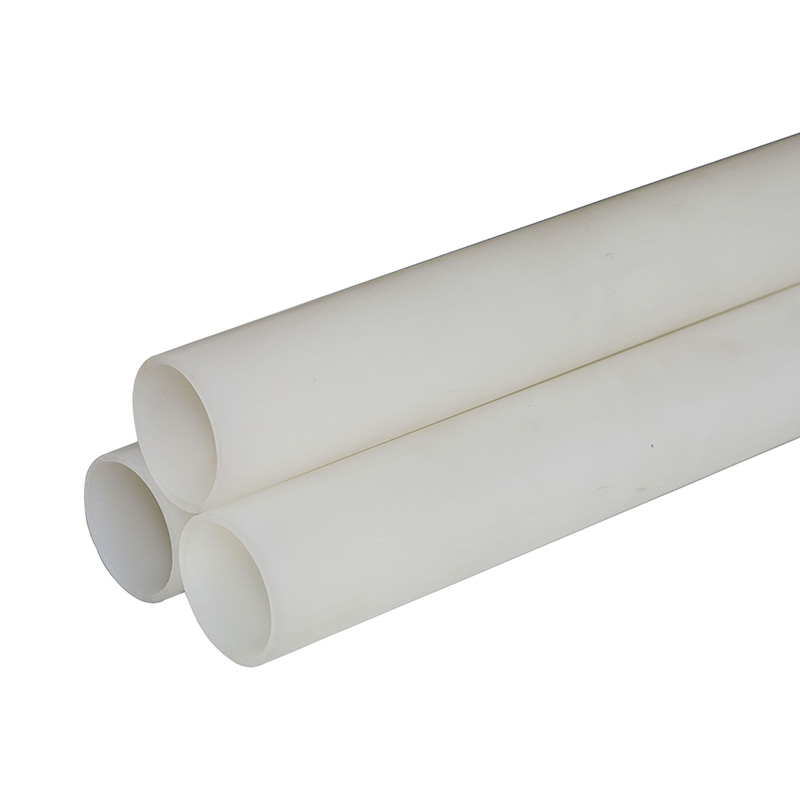
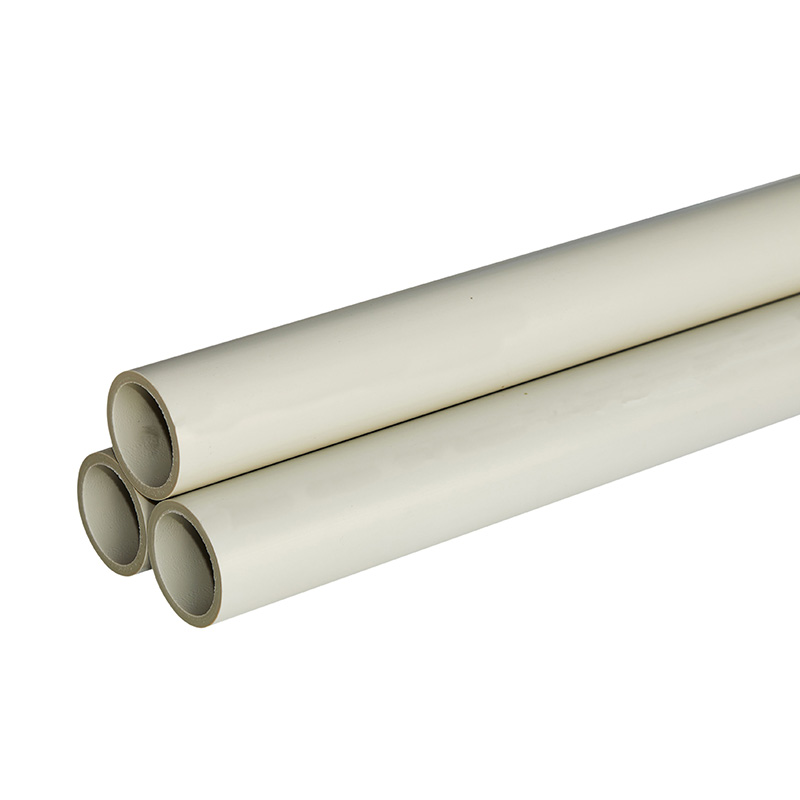
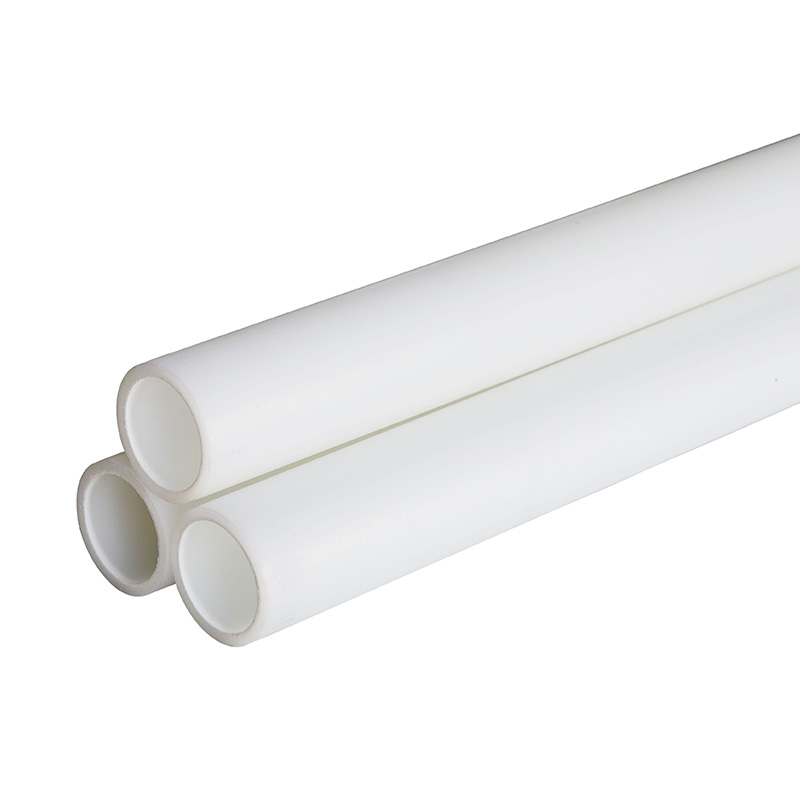
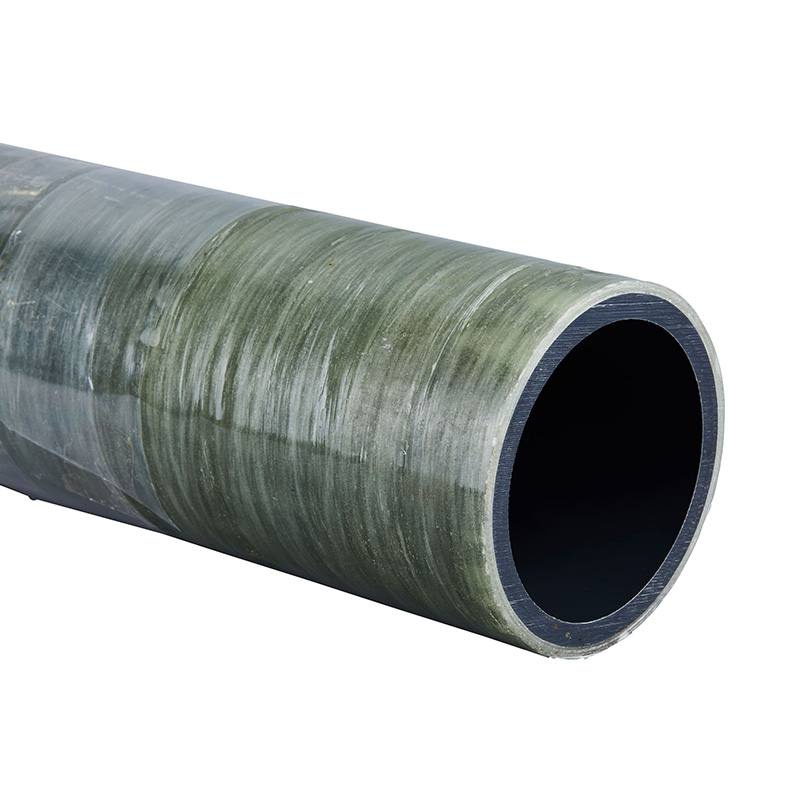
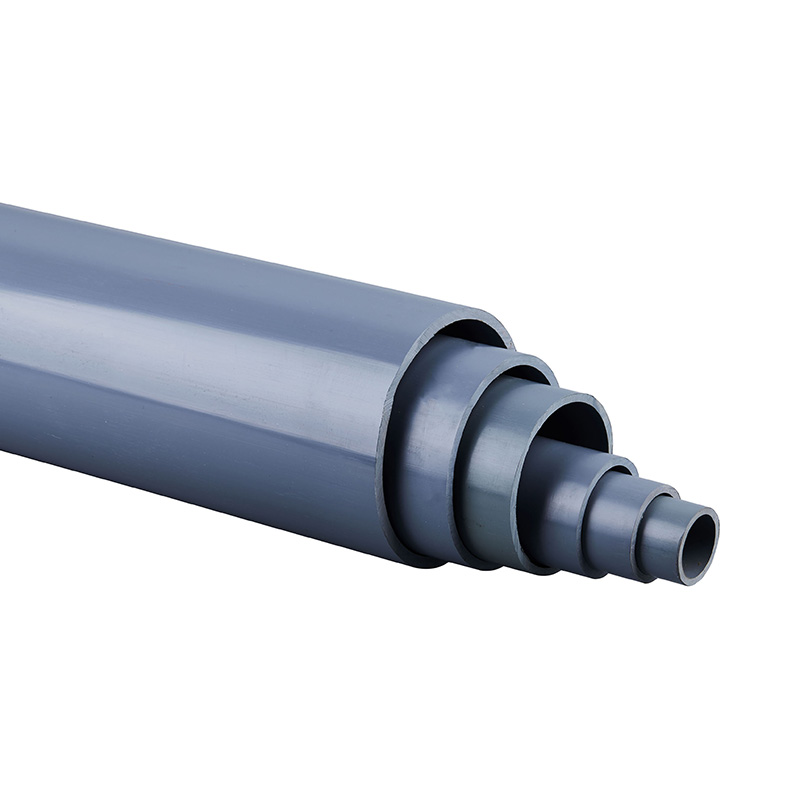
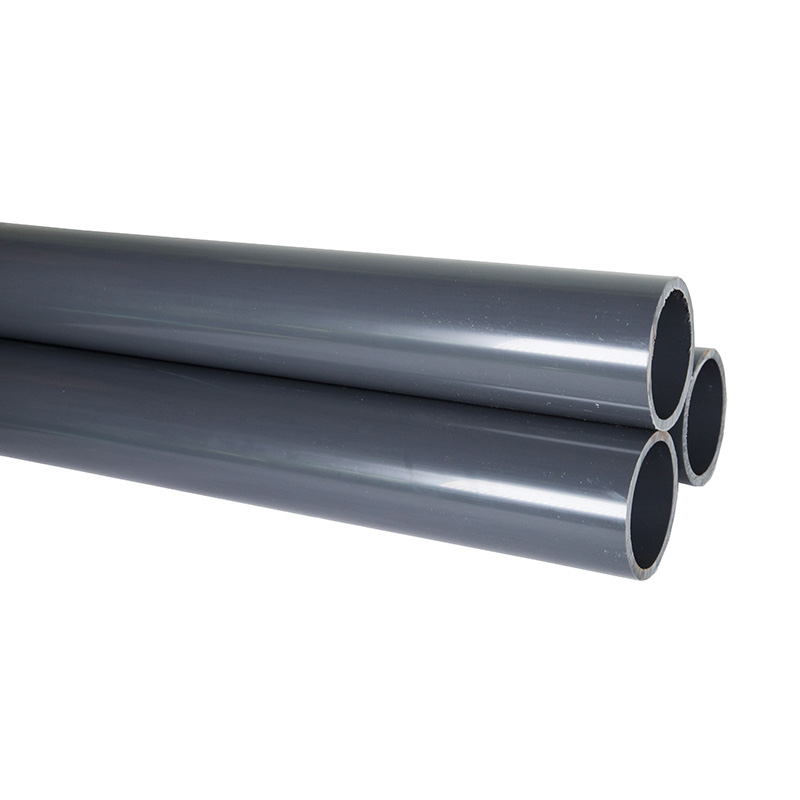
Plastic chemical pipes are specialized piping systems designed to transport corrosive, reactive, or hazardous chemicals safely across industrial and commercial facilities. Unlike traditional metal pipes, which are prone to rust, scaling, and chemical corrosion, plastic chemical pipes are manufactured from advanced polymer materials, including PVC, CPVC, PP, PVDF, and HDPE, offering superior resistance to chemical attack and environmental wear. These pipes are lightweight, flexible, and easier to install, which significantly reduces labor and installation costs.
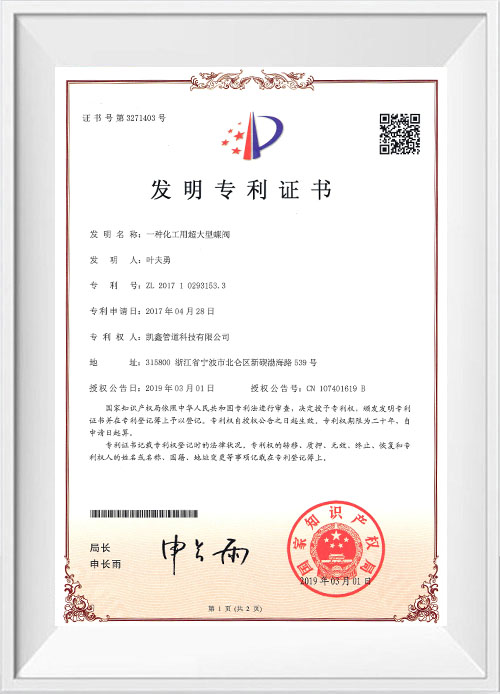
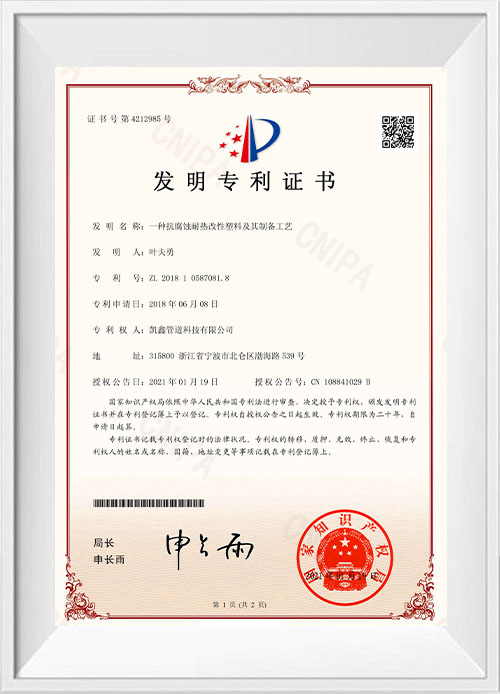
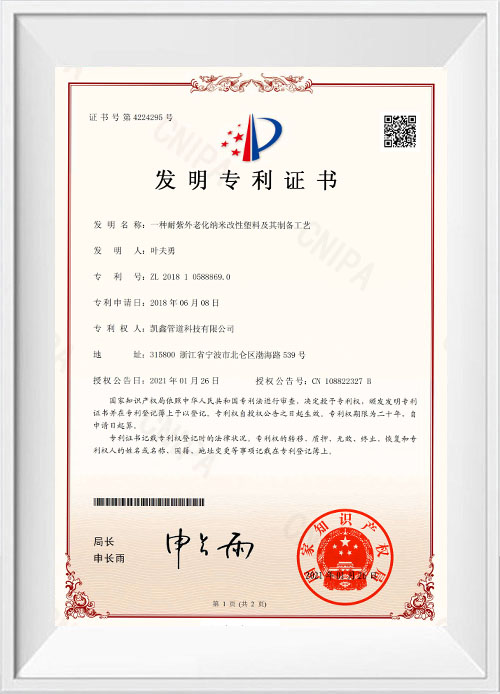
At Kaixin Pipeline Technologies Co., Ltd., we specialize in producing high-quality plastic chemical pipes tailored for industrial applications. Our research and development team ensures that every pipe meets stringent chemical resistance standards, making them suitable for water treatment plants, chemical manufacturing facilities, pharmaceutical plants, and other industrial environments. In addition to corrosion resistance, these pipes provide excellent insulation against temperature variations, minimizing the risks of chemical reactions or leaks.
Advantages of Plastic Chemical Piping:
| Material |
Chemical Resistance |
Temperature Range |
Typical Applications |
| PVC |
Strong resistance to acids, alkalis, and salts |
0–60°C |
Low-pressure chemical transport, wastewater handling |
| CPVC |
High resistance to aggressive acids and bases |
0–95°C |
Hot chemical water, industrial fluid handling |
| PP |
Excellent resistance to concentrated acids and bases |
0–95°C |
Laboratory piping, food chemical processing |
| PVDF |
Very high chemical resistance, UV stable |
0–140°C |
Highly corrosive chemical transfer, pharma |
| HDPE |
Resistant to a wide range of chemicals |
-40–60°C |
Industrial chemical pipelines, water supply |
Kaixin Pipeline Technologies Co., Ltd. has leveraged advanced manufacturing techniques to produce plastic chemical pipes that maintain integrity under harsh conditions. Our clients benefit from lower maintenance costs, reduced downtime, and safer chemical transport. With over a decade of experience in polymer piping systems, our company has become a trusted supplier for chemical plants across Southeast Asia, Europe, and the Americas.
How to Select the Right Plastic Chemical Pipe for Your Facility?
Selecting the right plastic chemical pipe involves more than choosing a material; it requires a careful analysis of chemical composition, temperature, pressure, and operational environment. Kaixin Pipeline Technologies Co., Ltd. assists clients in determining the optimal piping solutions based on their facility requirements, offering both consultation and customized pipe design.
Key Factors to Consider:
- Chemical Compatibility: Different plastics react differently to chemicals. PVC is suitable for general chemical use but may degrade under strong acids or high temperatures. PVDF, on the other hand, can safely transport highly aggressive chemicals without compromise.
- Temperature and Pressure Ratings: Pipes must withstand operational temperatures and pressures. For example, CPVC is ideal for hot chemical fluids, while HDPE is better for cold or ambient temperature applications.
- Installation Requirements: Depending on facility design, plastic pipes can be solvent-welded, heat-fused, or mechanically joined. Kaixin Pipeline Technologies Co., Ltd. provides detailed installation manuals and support to ensure secure connections and leak-free operation.
Selection Table Example:
| Chemical Type |
Recommended Material |
Max Temperature |
Max Pressure |
| Acidic Solutions |
PVDF / CPVC |
140°C / 95°C |
10 bar |
| Alkaline Solutions |
PP / CPVC |
95°C |
8 bar |
| General Water & Solvents |
PVC / HDPE |
60°C / 60°C |
6–10 bar |
| Organic Solvents |
PVDF / PP |
120°C / 95°C |
8 bar |
At Kaixin Pipeline Technologies Co., Ltd., our engineers evaluate the chemical and physical requirements of each application to recommend the best pipe material and size. We also offer custom fittings, flanges, and valves compatible with our pipes to create a complete, reliable chemical transport system.
By carefully selecting the right pipe material, operators can extend the lifespan of their piping systems, minimize the risk of leaks or contamination, and reduce maintenance costs. Our company also provides training for plant engineers to ensure proper handling, installation, and monitoring of plastic chemical pipelines.
Maintenance and Longevity of Plastic Chemical Piping Systems
Plastic chemical piping systems are highly durable, but their longevity depends on proper maintenance, monitoring, and installation. Kaixin Pipeline Technologies Co., Ltd. emphasizes that even the highest-quality pipes require routine care to ensure optimal performance and safety.
Best Practices for Maintenance:
- Routine Inspection: Conduct regular inspections to check for leaks, discoloration, or mechanical damage. Plastic pipes resist corrosion but can degrade over time due to UV exposure, extreme temperatures, or mechanical stress.
- Periodic Cleaning: Chemical residues may accumulate in pipes and reduce flow efficiency. Periodic flushing with compatible cleaning agents maintains system performance and prevents clogging.
- Proper Support and Expansion Allowance: Plastic pipes expand and contract with temperature changes. Installing proper pipe supports and expansion joints prevents deformation, joint failure, or stress on fittings.
- Regulatory Compliance: Ensure all installations comply with international standards such as ASTM, ISO, and ASME. Kaixin Pipeline Technologies Co., Ltd. provides pipes that meet or exceed these standards for safety and reliability.
Maintenance Table Example:
| Maintenance Task |
Frequency |
Notes |
| Visual Inspection |
Every 6 months |
Check for discoloration, cracks, or leaks |
| System Flushing |
Every 12 months |
Use compatible cleaning agents for chemical residues |
| Support Check |
Every 6–12 months |
Ensure proper alignment and expansion allowances |
| Pressure Testing |
Every 2 years |
Verify maximum operating pressure compliance |
With proper maintenance and high-quality materials, plastic chemical pipes can last 20–30 years, providing long-term cost savings and safer operations. At Kaixin Pipeline Technologies Co., Ltd., we not only supply pipes but also offer ongoing technical support and consultation, ensuring that our clients maintain reliable chemical transport systems throughout the lifecycle of their facility.


 EN
EN English
 中文简体
中文简体
 Headquarters: No. 539 Bohai Road, Beilun District, Ningbo City, Zhejiang Province, P.R. China
 +86-18067123177