Why Are Plastic Centrifugal Pumps Essential for Modern Chemical Processing and Corrosive Fluid Handling?
In the contemporary industrial landscape, the transport of aggressive fluids presents one of the most significant engineering challenges. Traditional metallic pumps, even those constructed from high-grade stainless steel or exotic alloys like Hastelloy, often succumb to the relentless effects of electrochemical corrosion, leading to frequent maintenance cycles, contamination of the process fluid, and catastrophic system failures. This is where the Plastic Centrifugal Pump, specifically the Corrosion Resistant Plastic Centrifugal Pump variant, emerges as a critical piece of infrastructure.
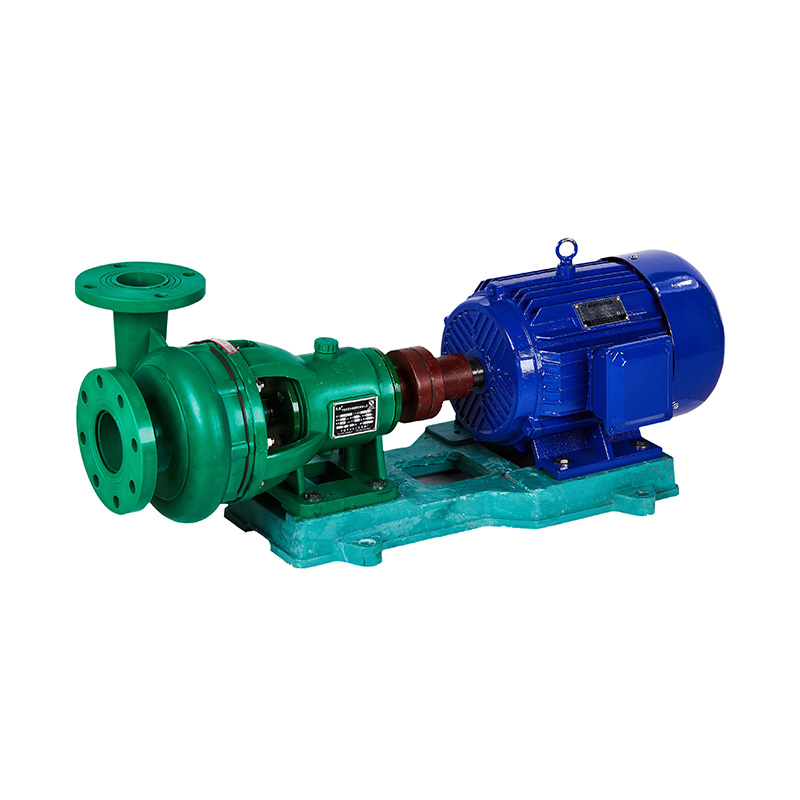
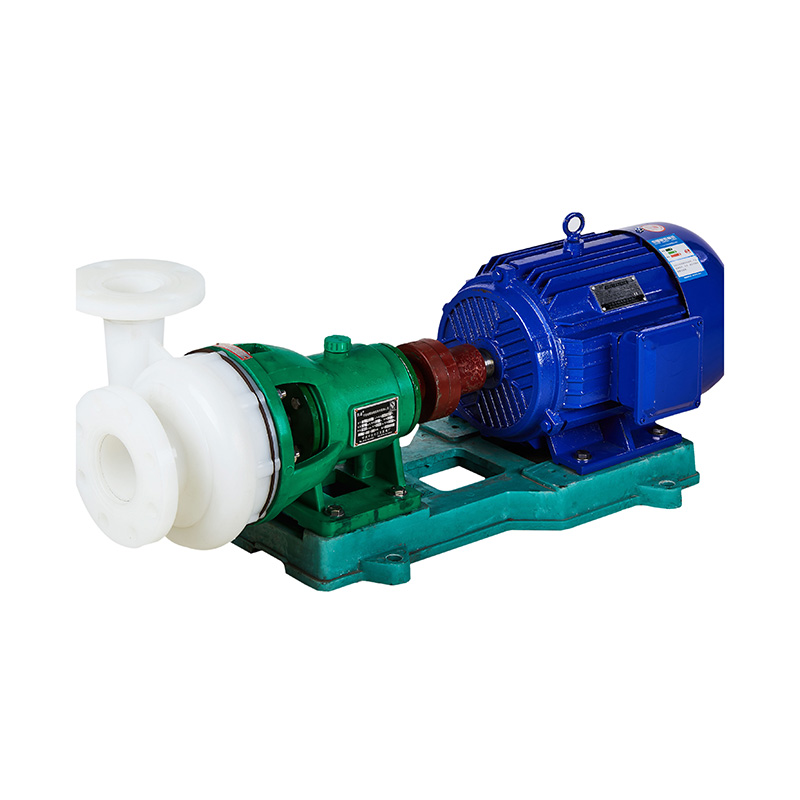
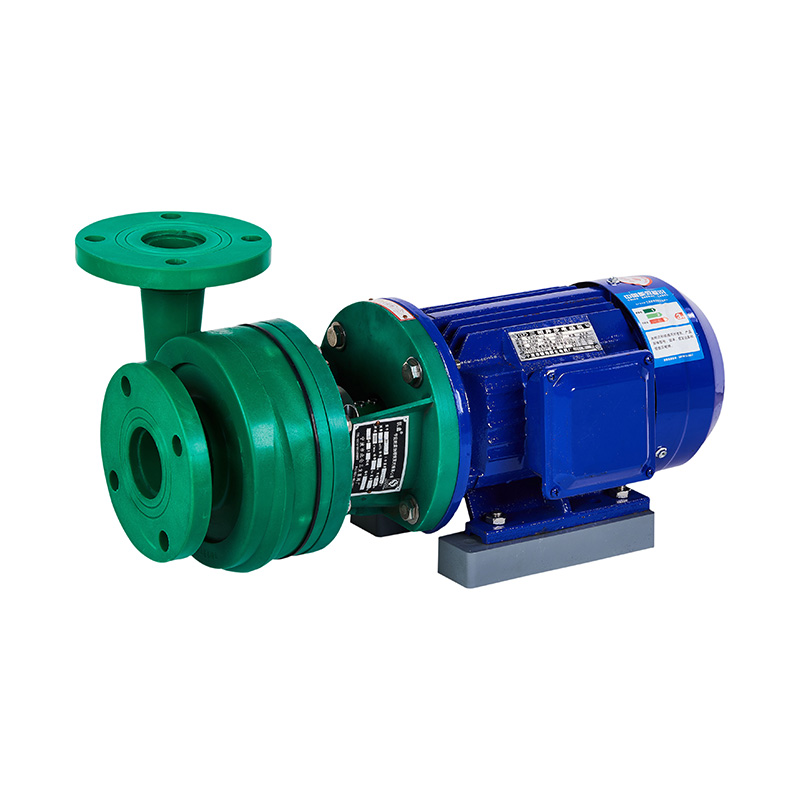
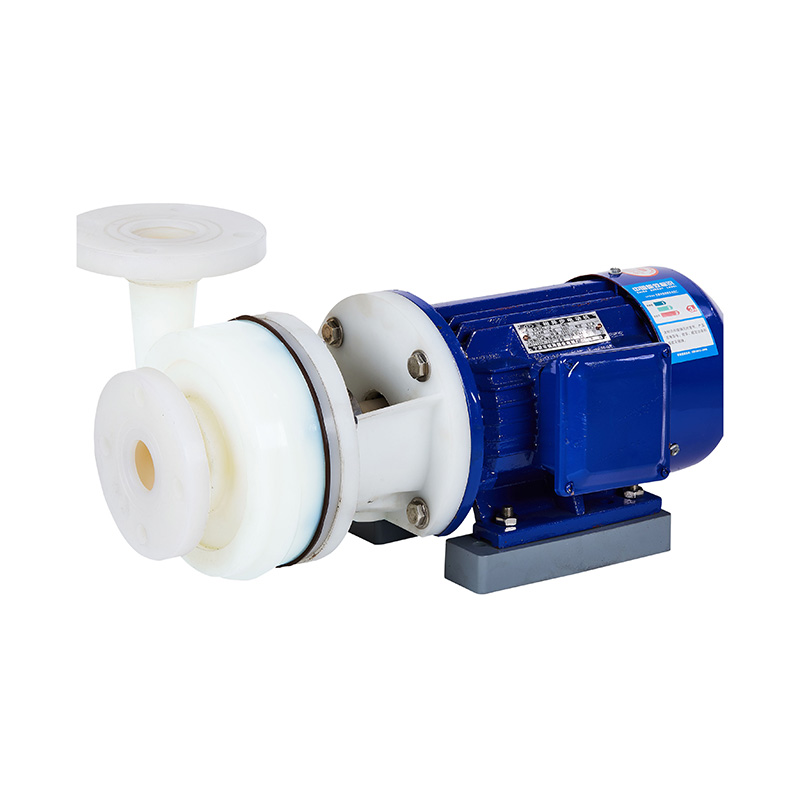
The fundamental shift from metal to advanced polymers is not merely a cost-saving measure; it is a strategic engineering choice. Materials such as Polypropylene (PP), Polyvinyl Chloride (PVC), Polyvinylidene Fluoride (PVDF), and Polypropylene Homopolymer (PPH) offer a level of chemical inertness that metals simply cannot match. When we discuss a Plastic Centrifugal Pump, we are referring to a sophisticated piece of machinery where the wetted parts—the impeller, the casing, and the seals—are meticulously crafted from these high-performance plastics to ensure the Centrifugal Pump maintains its structural integrity.
The core advantage of using a Corrosion Resistant Plastic Centrifugal Pump lies in the molecular structure of its components. Unlike metals, which possess a crystalline structure susceptible to ion exchange and oxidation, the polymers used in a Plastic Centrifugal Pump are composed of long-chain hydrocarbons or fluorocarbons that do not react with most industrial chemicals. This makes the Centrifugal Pump ideal for environments where maintaining the purity of the medium is paramount, such as in pharmaceutical production or semiconductor manufacturing.
The introduction of "Self-Priming" technology has revolutionized the usability of the Plastic Centrifugal Pump. In many industrial layouts, the Centrifugal Pump must be located above the liquid level (suction lift condition). A standard Centrifugal Pump requires the suction line and casing to be completely filled with liquid (primed) before it can generate the necessary pressure differential to begin operation. If air enters the system, the Centrifugal Pump "loses prime" and runs dry. A Corrosion Resistant Plastic Centrifugal Pump with self-priming capabilities solves this by incorporating an integral reservoir or a specific casing geometry that allows the Plastic Centrifugal Pump to evacuate air from the suction line by mixing it with the liquid already present in the pump body. This creates a vacuum at the inlet, drawing the liquid upward and allowing the Centrifugal Pump to start even when the suction line is dry.
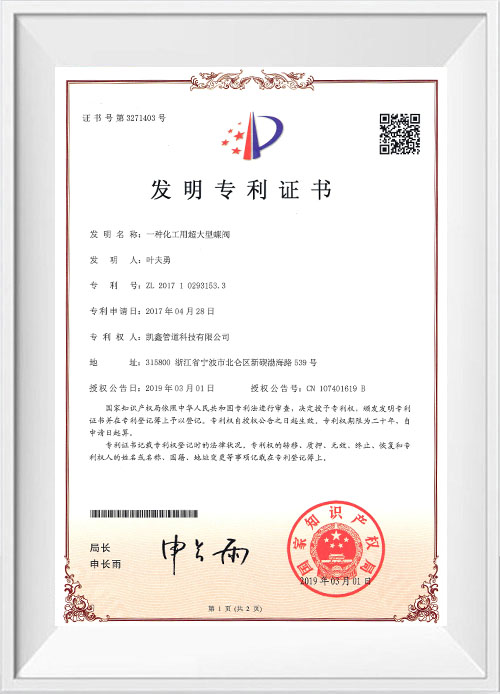
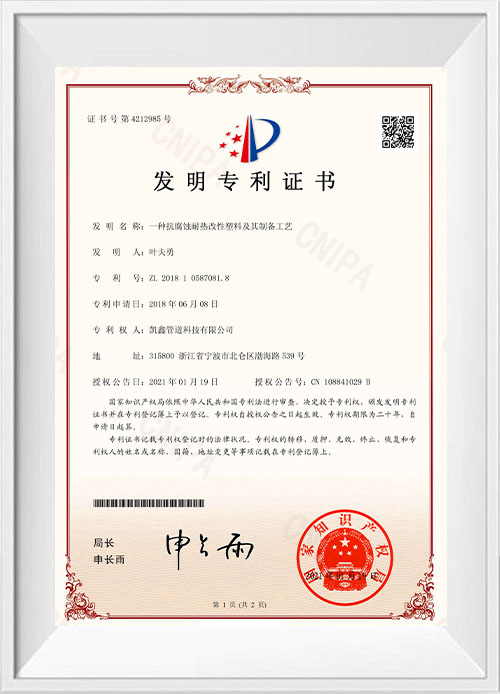
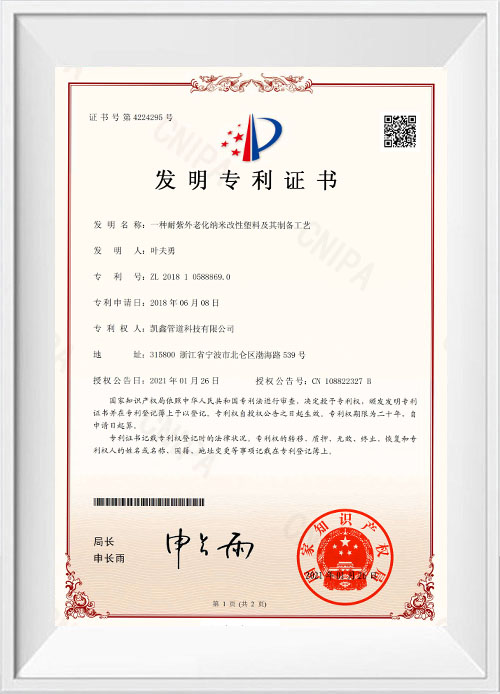
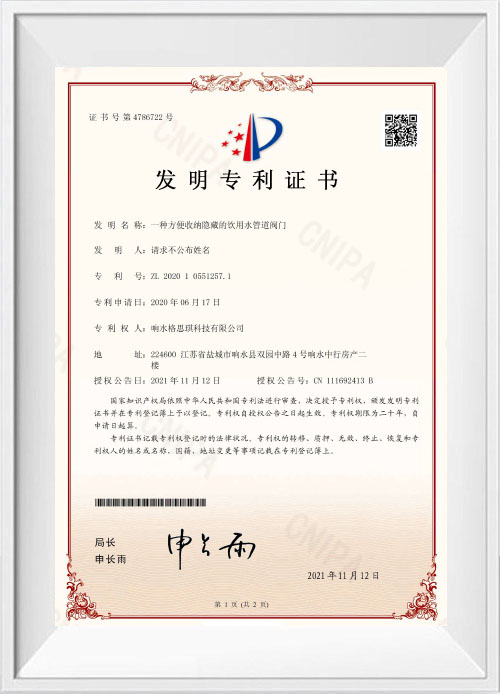
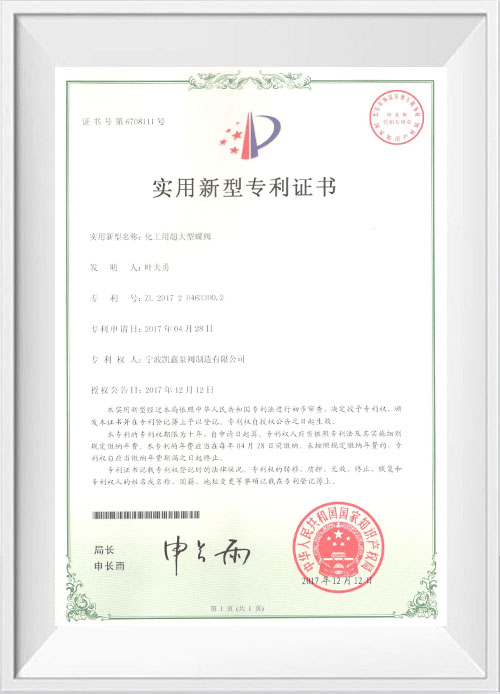
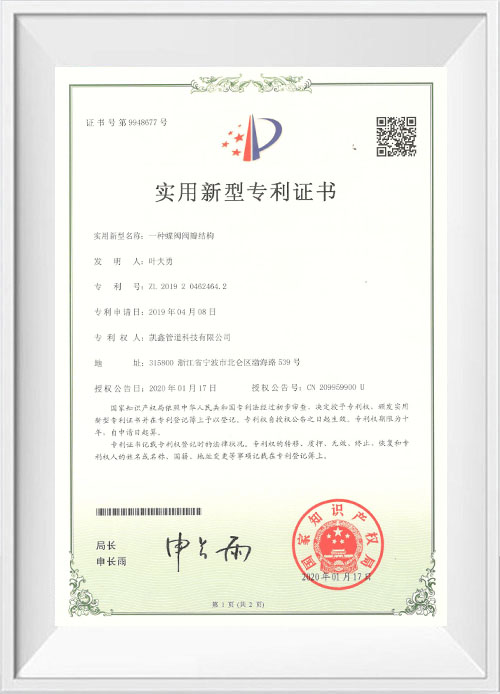
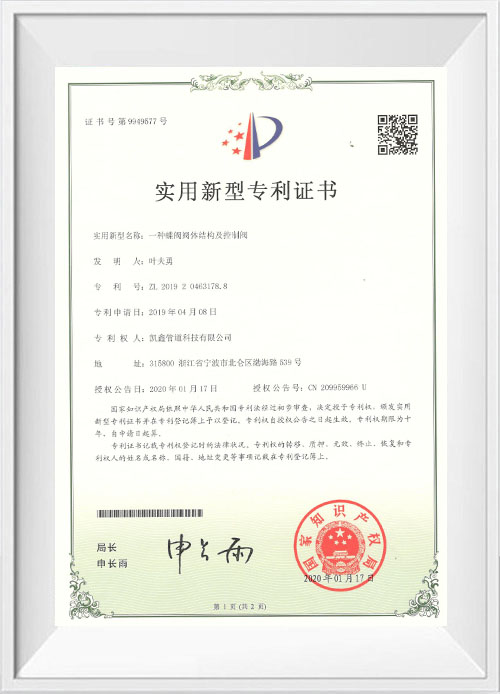
Manufacturers like Kaixin Pipeline Technologies Co., Ltd. have mastered this intersection of material science and fluid dynamics. Established in 1999, Kaixin has transitioned from a traditional manufacturer into a high-tech enterprise that integrates R&D with standardized automated manufacturing. Their status as a "Little Giant" specialized SME in China reflects their ability to produce complex non-metallic products, including the specialized Corrosion Resistant Plastic Centrifugal Pump, ensuring that the systems they support are part of a cohesive, corrosion-resistant ecosystem.
How Do Material Selection and Self-Priming Mechanics Dictate the Performance and Longevity of the Pump?
The performance of a Plastic Centrifugal Pump is inextricably linked to the synergy between its mechanical design and the specific polymer used in its construction. Understanding these factors is essential for any engineer looking to optimize a Centrifugal Pump for a fluid handling system.
The Science of Polymer Selection for the Centrifugal Pump
The choice of material determines the Corrosion Resistant Plastic Centrifugal Pump's "chemical envelope"—the range of temperatures, pressures, and chemical concentrations it can safely handle.
Polypropylene (PP) & PPH: These are the workhorses of the chemical industry. A Plastic Centrifugal Pump made of PPH (Polypropylene Homopolymer) is particularly noted for its high thermal stability and chemical resistance to aqueous solutions of salts, acids, and alkalis. It is lightweight and offers excellent impact strength, making it suitable for a general-purpose Centrifugal Pump.
Polyvinylidene Fluoride (PVDF): For the most demanding applications, a Corrosion Resistant Plastic Centrifugal Pump made of PVDF is the gold standard. This specialized fluoropolymer ensures the Plastic Centrifugal Pump remains mechanically tough and resistant to UV radiation, making the Centrifugal Pump ideal for outdoor installations in harsh environments.
PVC-U and PVC-C: While often used in piping, these materials are also critical for Plastic Centrifugal Pump components in water treatment. PVC-C (Chlorinated PVC) offers enhanced temperature resistance, allowing the Centrifugal Pump to be used in hot corrosive environments.
The Mechanics of Self-Priming in a Plastic Centrifugal Pump
The self-priming mechanism in a Corrosion Resistant Plastic Centrifugal Pump is a marvel of internal fluid recirculation. Within the casing of a self-priming Plastic Centrifugal Pump, there is a "separation chamber." When the Centrifugal Pump is turned on, the impeller rotates and draws the air from the suction pipe into the pump casing. This air is mixed with the liquid held in the Plastic Centrifugal Pump's reservoir. The mixture is then discharged into the separation chamber. Because air is lighter than liquid, it rises and is vented, while the heavier liquid falls back to be reused by the Centrifugal Pump.
This continuous cycle eventually removes all air from the suction line, allowing the Corrosion Resistant Plastic Centrifugal Pump to operate as a high-efficiency Centrifugal Pump. This feature is indispensable in several scenarios:
Sump and Pit Emptying: In industrial drainage, a Plastic Centrifugal Pump is often mounted at ground level, pulling liquid from a pit below. A Corrosion Resistant Plastic Centrifugal Pump can draw liquid from depths of up to 6 meters without a foot valve. By locating the Centrifugal Pump "high and dry," operators avoid the corrosion issues inherent in submersible designs.
Tank and Barrel Unloading: During chemical transfer, air pockets frequently enter the suction line. A standard Centrifugal Pump would suffer from air-binding, but a Corrosion Resistant Plastic Centrifugal Pump automatically purges these pockets, ensuring the Plastic Centrifugal Pump resumes flow without manual intervention.
Intermittent and Fluctuating Flow: If the suction inlet is momentarily exposed to air, the Plastic Centrifugal Pump’s internal reservoir retains enough liquid to re-establish the prime. This "set-and-forget" capability makes the Corrosion Resistant Plastic Centrifugal Pump vital for unmanned stations.
Technical Specification Overview
To help visualize the capabilities of these systems, the following table outlines the typical performance boundaries for a high-quality Corrosion Resistant Plastic Centrifugal Pump.
|
Feature / Parameter
|
Polypropylene (PP/PPH) Plastic Centrifugal Pump
|
Polyvinylidene Fluoride (PVDF) Plastic Centrifugal Pump
|
Reinforced Plastics (FRPP) Plastic Centrifugal Pump
|
|
Max Temperature
|
60℃ - 80℃
|
100℃ - 120℃
|
80℃ - 90℃
|
|
Chemical Resistance
|
Excellent for most acids/alkalis
|
Superior (including oxidants)
|
High (with added rigidity)
|
|
Suction Lift Cap.
|
Up to 5-6 Meters
|
Up to 5-6 Meters
|
Up to 4-5 Meters
|
|
Common Applications
|
Electroplating, Pickling
|
Semiconductor, Chlorine plants
|
Waste water, Agriculture
|
|
Mechanical Strength
|
Moderate
|
High
|
Very High (Glass-reinforced)
|
|
Typical pH Range
|
1 - 14
|
0 - 14
|
2 - 12
|
Engineering for High-Pressure and High-Temperature
One common misconception is that a Plastic Centrifugal Pump is fragile. However, modern manufacturing techniques, such as those employed at the Ningbo • Fenghua R&D & Production Base of Kaixin Pipeline Technologies, utilize modified plastics to ensure the structural integrity of every Centrifugal Pump. By reinforcing a Corrosion Resistant Plastic Centrifugal Pump with glass fibers (FRPP), these units can handle high-pressure applications that were previously the sole domain of metallic Centrifugal Pump models. Kaixin’s investment ensures that every Plastic Centrifugal Pump casing can withstand the internal stresses of high-velocity fluid flow.
What Are the Key Applications and Future Trends in Non-Metallic Pumping Technology?
The shift toward the Corrosion Resistant Plastic Centrifugal Pump is driven by a global movement toward sustainable manufacturing. In industries where "zero leakage" is a requirement, the Plastic Centrifugal Pump—particularly those with magnetic drives—is becoming the industry standard for a reliable Centrifugal Pump.
Critical Industry Applications of the Centrifugal Pump
Chemical Processing and Manufacture: This is the primary theater for the Plastic Centrifugal Pump. The use of a Corrosion Resistant Plastic Centrifugal Pump ensures that the equipment does not leach metal ions into the product, preserving chemical purity while the Centrifugal Pump prevents environmental leaks.
Water and Wastewater Treatment: Modern treatment plants utilize various chemicals that quickly degrade metal components in a standard Centrifugal Pump. A Corrosion Resistant Plastic Centrifugal Pump is used to dose these chemicals and to move aggressive brackish water through filtration systems.
Pharmaceutical and Food Industry: In these sectors, a Plastic Centrifugal Pump with smooth, non-porous surfaces prevents bacterial growth. The Corrosion Resistant Plastic Centrifugal Pump is highly valued for its resistance to the harsh cleaning agents used in these facilities.
Surface Treatment and Electroplating: Electroplating involves heated acids that are highly corrosive to any metallic Centrifugal Pump. A Plastic Centrifugal Pump, which is corrosion-resistant both internally and externally, is the only viable long-term solution for such aggressive environments.
The Role of Manufacturer Innovation in Centrifugal Pump Design
The success of these applications depends on the reliability of the Plastic Centrifugal Pump supplier. Companies like Kaixin Pipeline Technologies Co., Ltd. play a pivotal role by filling market gaps in the Centrifugal Pump industry. For instance, their ability to produce large-diameter pipes alongside their Corrosion Resistant Plastic Centrifugal Pump systems allows for completely integrated, non-metallic flow lines.
Kaixin’s philosophy is manifest in their annual R&D budget for the Plastic Centrifugal Pump. By collaborating with research institutes, they are developing new modified plastics that push the boundaries of what a Corrosion Resistant Plastic Centrifugal Pump can achieve, particularly in the semiconductor industry where an ultra-pure Centrifugal Pump is essential.
The Plastic Centrifugal Pump industry is moving toward "Smart Pumping." This involves integrating sensors into the Corrosion Resistant Plastic Centrifugal Pump casing to monitor vibration and flow rates in real-time. The integration of physical Centrifugal Pump hardware with digital monitoring is the next frontier.
New fluoropolymer blends will likely increase the pressure ratings of the Plastic Centrifugal Pump even further. As global environmental regulations become stricter, the demand for a "Made in China" high-quality Corrosion Resistant Plastic Centrifugal Pump will grow. Companies that control the entire value chain of Centrifugal Pump production will lead the international market.
The Plastic Centrifugal Pump is the primary solution for the world's most challenging fluid handling problems. Its combination of chemical resilience, self-priming convenience, and evolving material strength makes the Corrosion Resistant Plastic Centrifugal Pump the backbone of modern industrial chemical infrastructure. Through the innovation of manufacturers like Kaixin, these Centrifugal Pump systems continue to provide safer and more durable operations worldwide.


 EN
EN English
 Español
 عربى
عربى русский
 中文简体
中文简体

 Headquarters: No. 539 Bohai Road, Beilun District, Ningbo City, Zhejiang Province, P.R. China
 +86-18067123177