

 EN
EN English
 Español
 عربى
عربى русский
 中文简体
中文简体
Kaixin, a high-tech enterprise specialized in the R&D, production and sales of polymer pipeline valves.
Resistance to Abrasive Particles
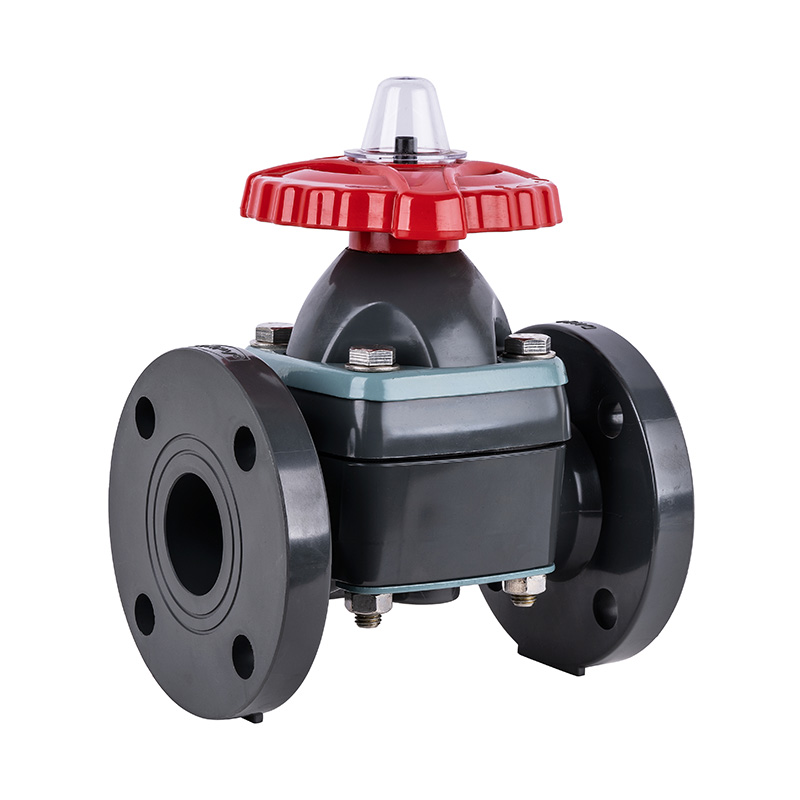
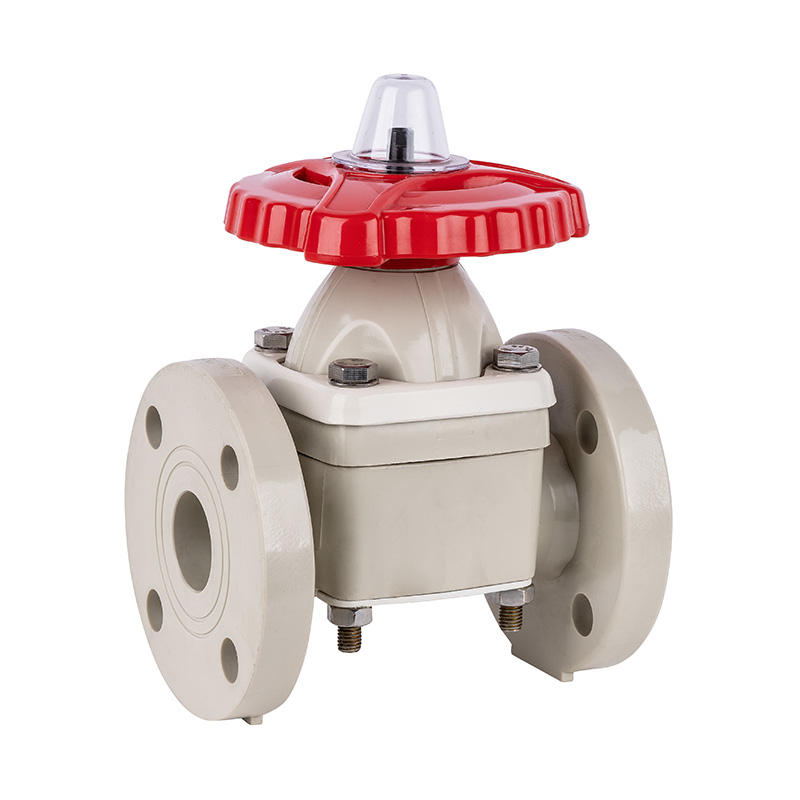
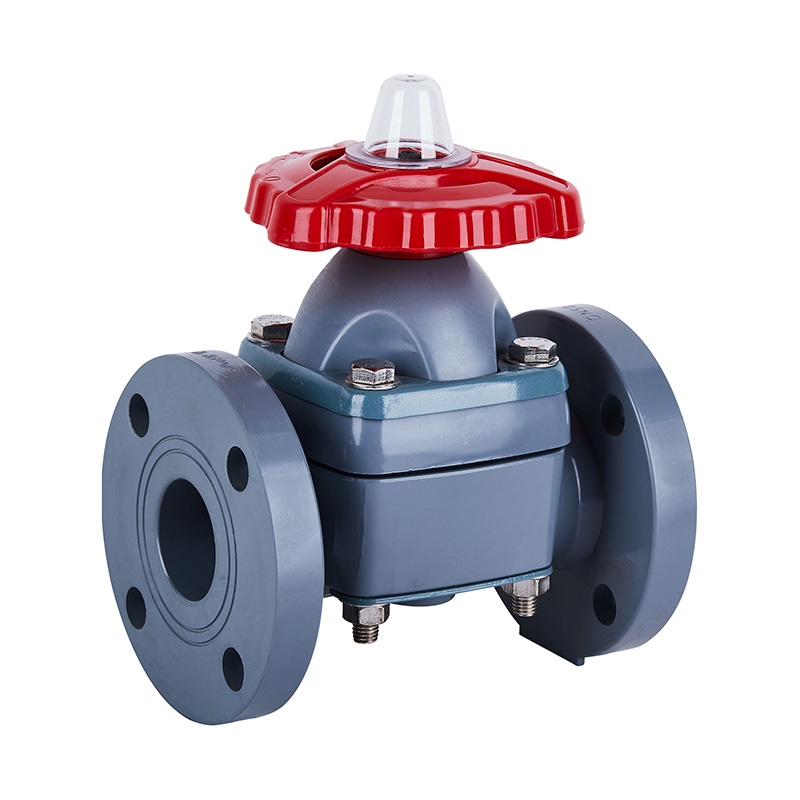
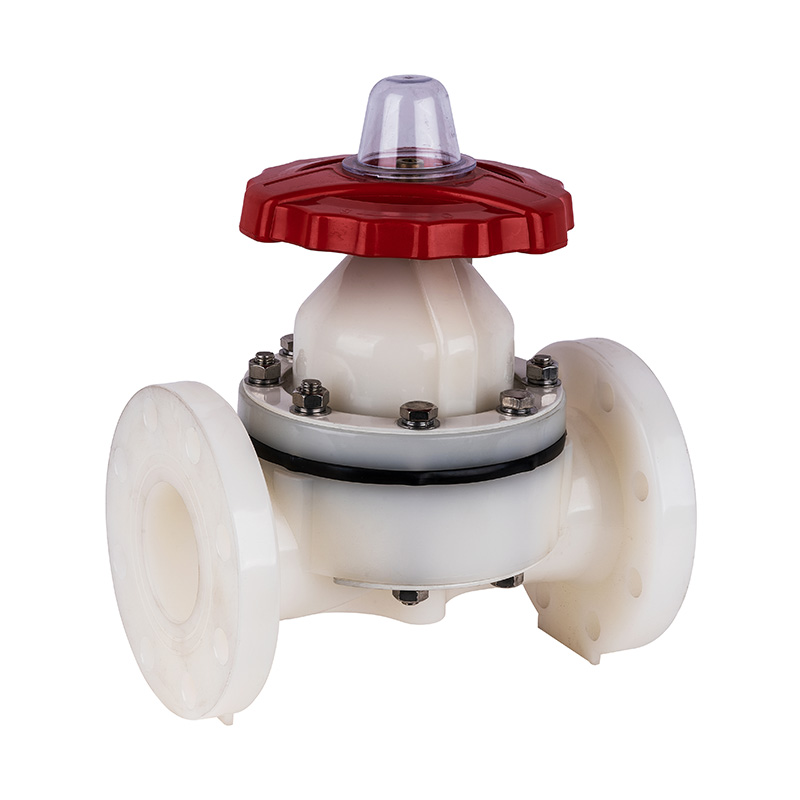
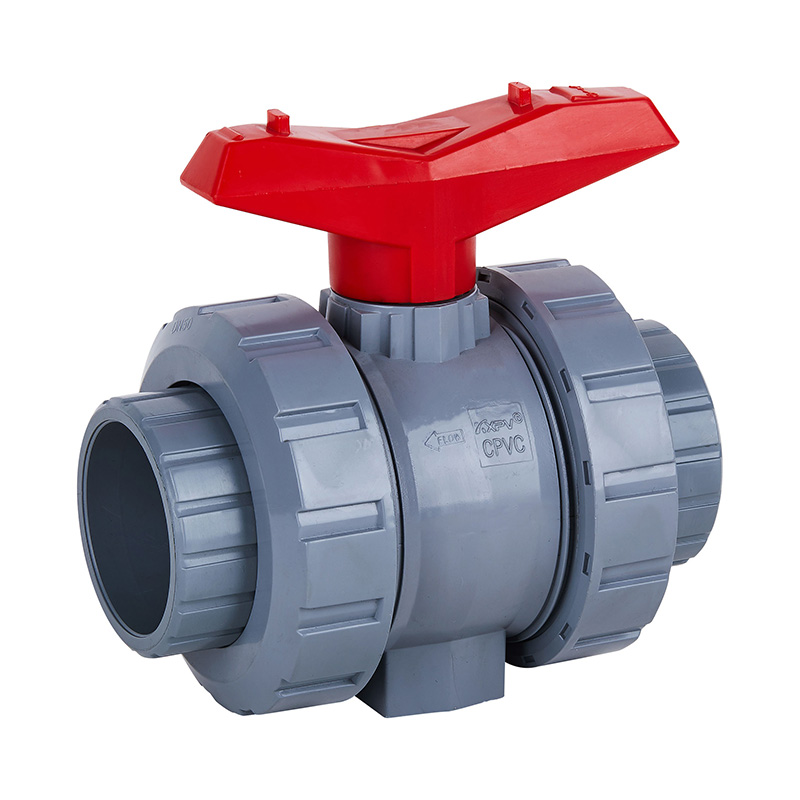
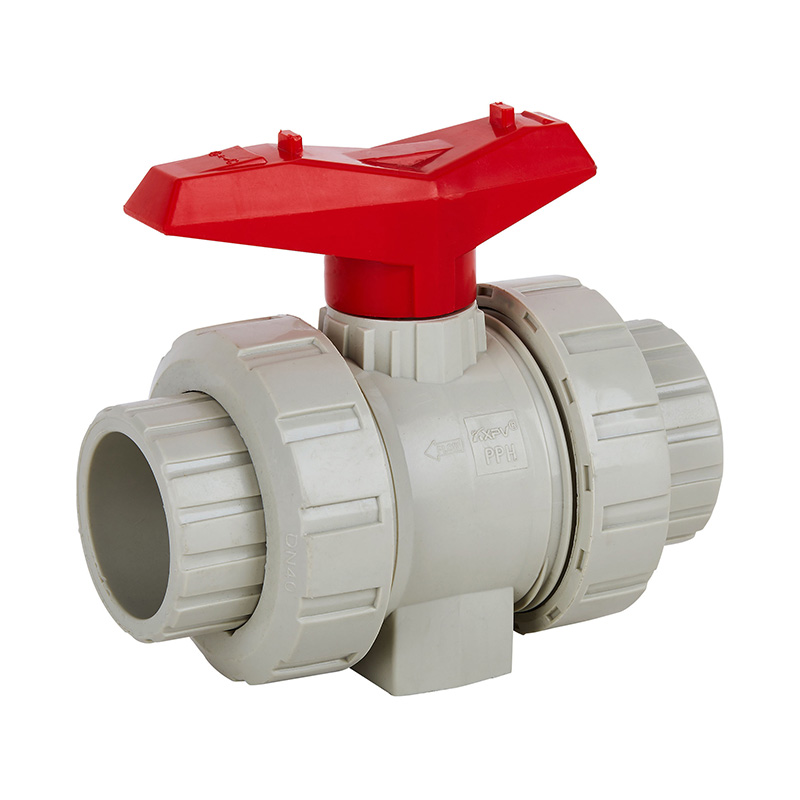
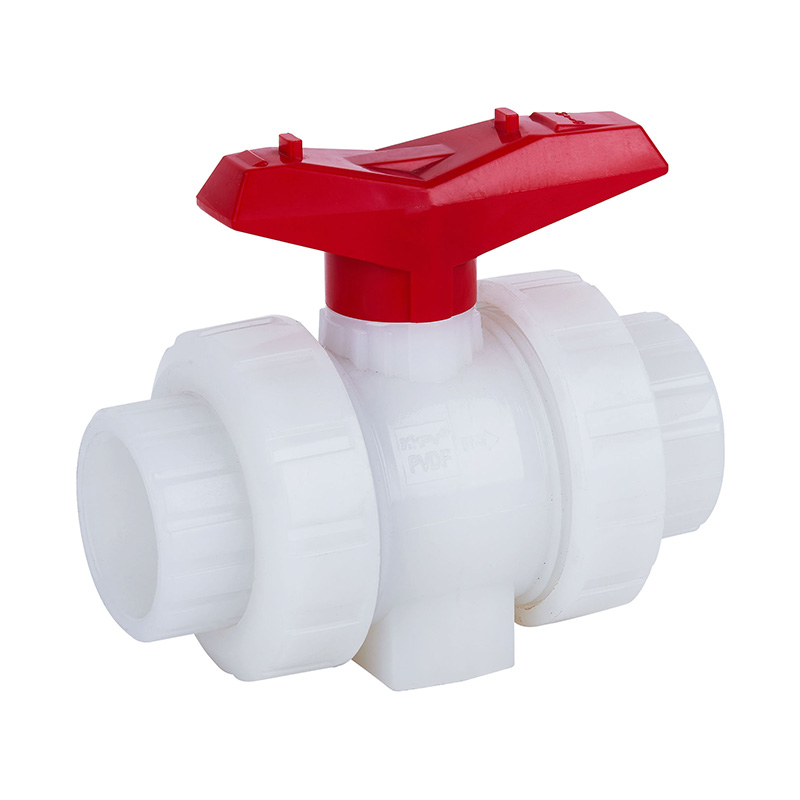
Handling slurry and sludge—which often contain solid, abrasive particles like sand, rocks, or other particulates—presents a major challenge for many types of valves. Traditional materials may wear down quickly under these conditions, leading to frequent repairs, replacements, and potentially system failure. FRPP Bottom Valves (made from Fluorinated Polypropylene) offer significant abrasion resistance due to the tough, durable properties of FRPP material. These valves are particularly suited for handling slurries, sludges, or any fluid with solid particulate content. The smooth interior surface of FRPP valves minimizes friction and wear, significantly reducing the likelihood of clogging or damage caused by abrasive particles. Unlike traditional metals or PVC, FRPP's superior abrasion resistance ensures that the valve components, such as seals, diaphragms, and internal valve bodies, experience minimal degradation over time. This durability leads to longer service life, even in high-particle environments, improving reliability and reducing maintenance costs.
FRPP Bottom Valves can withstand the mechanical stress imposed by abrasive materials, which allows them to provide more consistent performance over long periods of operation without requiring frequent part replacements. This is especially important in industries where downtime or costly repairs could affect overall productivity, such as in mining, wastewater treatment, and chemical processing.
Handling of Viscous Fluids
Viscous fluids—such as oils, resins, pastes, and other thick substances—pose unique challenges to valve systems due to their high resistance to flow. These fluids require careful consideration in valve design, as traditional valves may experience issues with pressure buildup, flow restrictions, or poor sealing when dealing with such thick materials. FRPP Bottom Valves are specifically designed to handle high-viscosity fluids by offering optimized internal flow paths and low-resistance designs. These valves feature larger flow passages and carefully engineered internal components that minimize drag, helping the fluid pass through more easily and efficiently.
The smooth, low-friction surface of FRPP also ensures that thick liquids experience less resistance as they flow through the valve, reducing the likelihood of build-up or material blockages. The sealing mechanisms in FRPP Bottom Valves are designed to accommodate the increased pressure created by viscous fluids, offering enhanced performance even under demanding conditions. The result is consistent flow control with minimal operational issues, even in systems where high-viscosity fluids are common, such as lubricants, food processing, and pharmaceuticals.
For industries where fluids are particularly thick and challenging, FRPP Bottom Valves offer superior performance, helping to ensure that the system operates smoothly and efficiently, without the risk of excessive flow restriction or operational disruptions.
Prevention of Blockages
One of the most critical challenges when handling slurry, sludge, or viscous fluids is the potential for blockages or clogging within the valve. Particulate matter or the thickness of the fluid can easily obstruct smaller flow paths or intricate valve mechanisms, leading to disruptions in system operation, costly repairs, and increased downtime. FRPP Bottom Valves are specifically designed with larger, smoother internal passages and features that help minimize these risks. The design of these valves often incorporates self-cleaning mechanisms, which help keep internal components clear of any debris or material build-up that may result from slurries or viscous fluids.
FRPP valves are less likely to develop material build-up or scale formation compared to other materials, further reducing the chances of blockages in continuous or high-flow applications. Their larger flow paths ensure that even thick or particulate-laden materials can pass through without accumulating inside the valve, thus maintaining optimal flow efficiency. In instances where the valve body does become obstructed, many FRPP Bottom Valves can be easily cleaned or serviced without requiring full disassembly, allowing for quick maintenance and minimizing system downtime.
By effectively preventing blockages, FRPP Bottom Valves ensure that fluid systems run continuously and reliably, even when managing challenging materials like slurries, sludges, and viscous fluids.
Corrosion Resistance
Many slurries, sludges, and viscous fluids contain chemically aggressive substances, such as acids, alkalis, or solvents, that can cause significant damage to traditional valve materials like metals or PVC. The corrosion resistance of FRPP Bottom Valves is one of their standout features, making them highly suitable for applications where corrosive chemicals or harsh environments are involved. FRPP material does not react with a wide range of chemicals, meaning that the valve body and internal components will not degrade or weaken when exposed to aggressive substances.
The non-reactivity of FRPP ensures that the valve remains intact and fully functional, even when handling slurries or sludges that contain highly corrosive chemicals. In applications such as chemical processing, wastewater treatment, or mining, where exposure to corrosive fluids is a constant concern, FRPP Bottom Valves provide a longer service life compared to metal alternatives, which are prone to rust, corrosion, or chemical degradation. This enhances system reliability, reduces maintenance costs, and minimizes the need for frequent valve replacements.
The chemical resistance of FRPP also ensures that the seals, gaskets, and other valve components will not fail under harsh conditions, further enhancing the overall durability and safety of the valve system.
Design Flexibility for Slurries and Viscous Fluids
The versatility and customizability of FRPP Bottom Valves allow them to be adapted for specific applications involving slurries, sludges, and viscous fluids. These valves can be tailored in terms of size, pressure rating, and flow capacity to meet the unique requirements of each system. For example, industries that process high-flow slurries may require valves with larger diameter openings or higher pressure ratings to accommodate the specific volume and pressure of the fluid being transported.
By customizing the FRPP Bottom Valve design, users can achieve optimal flow control, minimize pressure drop, and ensure efficient fluid handling. The flexibility in design also extends to the selection of sealing materials, valve configurations, and actuator types, all of which can be adjusted to better suit the nature of the fluid being handled. This design flexibility ensures that FRPP Bottom Valves perform at their best, whether handling slurry, sludge, or viscous materials.
For example, high-viscosity fluids may require larger seals or specialized materials that are better able to handle the increased pressure and thickness of the fluid. Similarly, systems with aggressive chemicals might require specific gas-tight seals or coatings to prevent leakage and protect the valve from corrosion.

 Headquarters: No. 539 Bohai Road, Beilun District, Ningbo City, Zhejiang Province, P.R. China
 +86-18067123177