Advantages of Globe Valve Series in Terms of Precise Flow Control
Enhanced Flow Regulation Capabilities
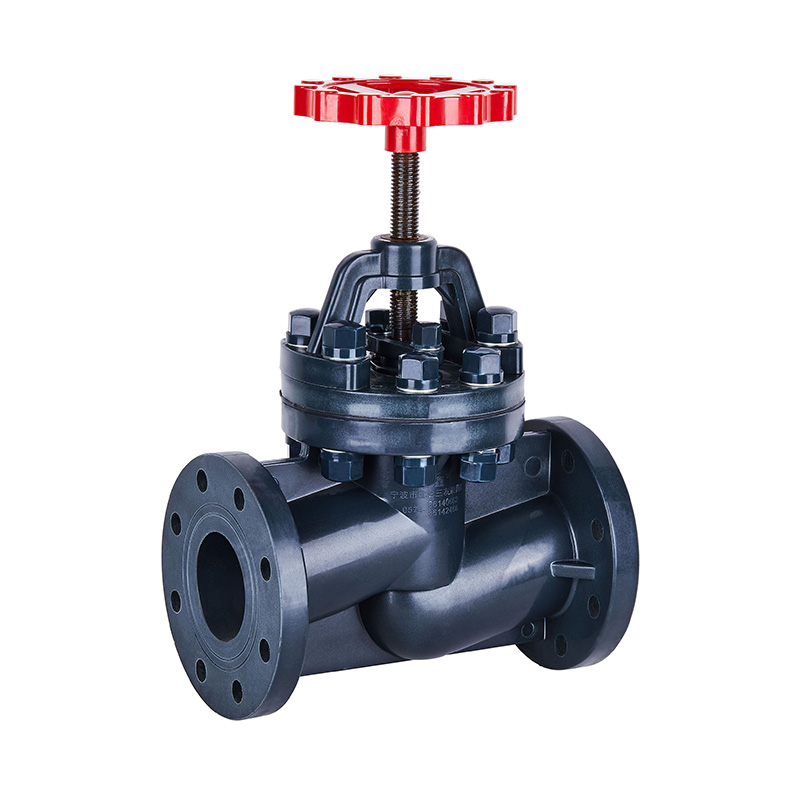
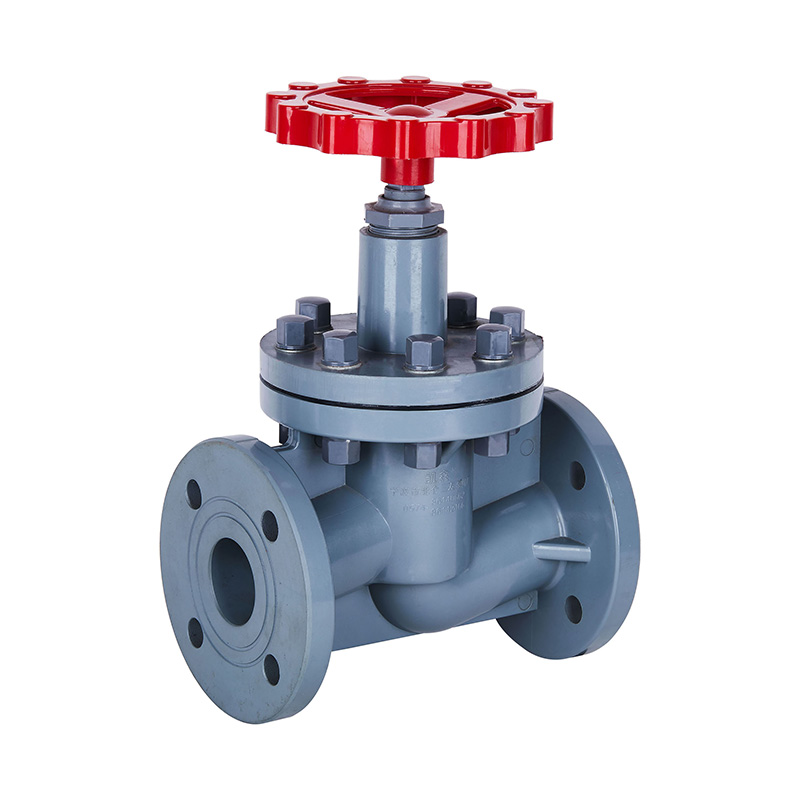
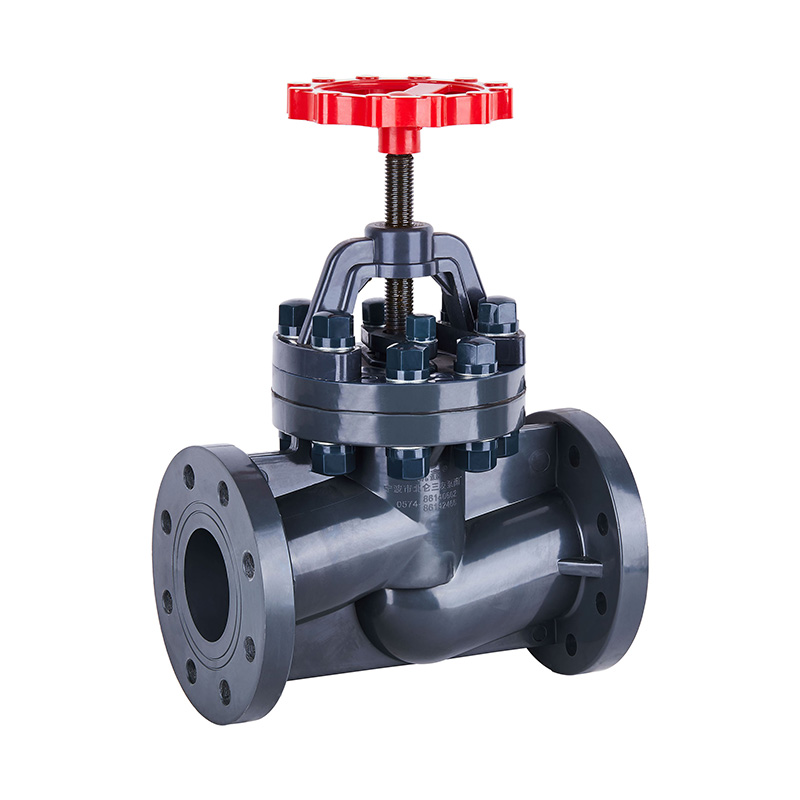
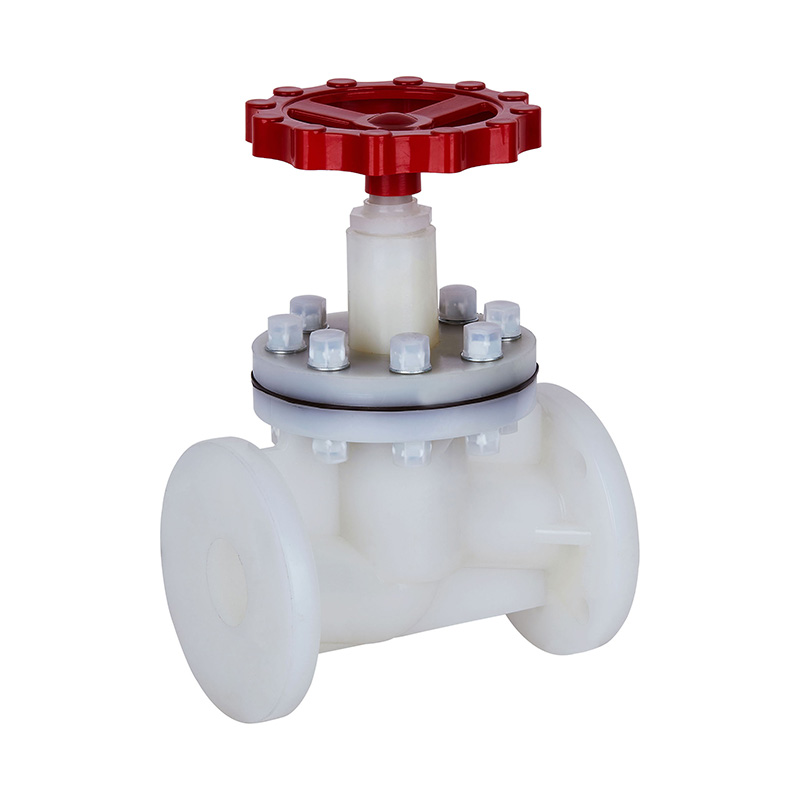
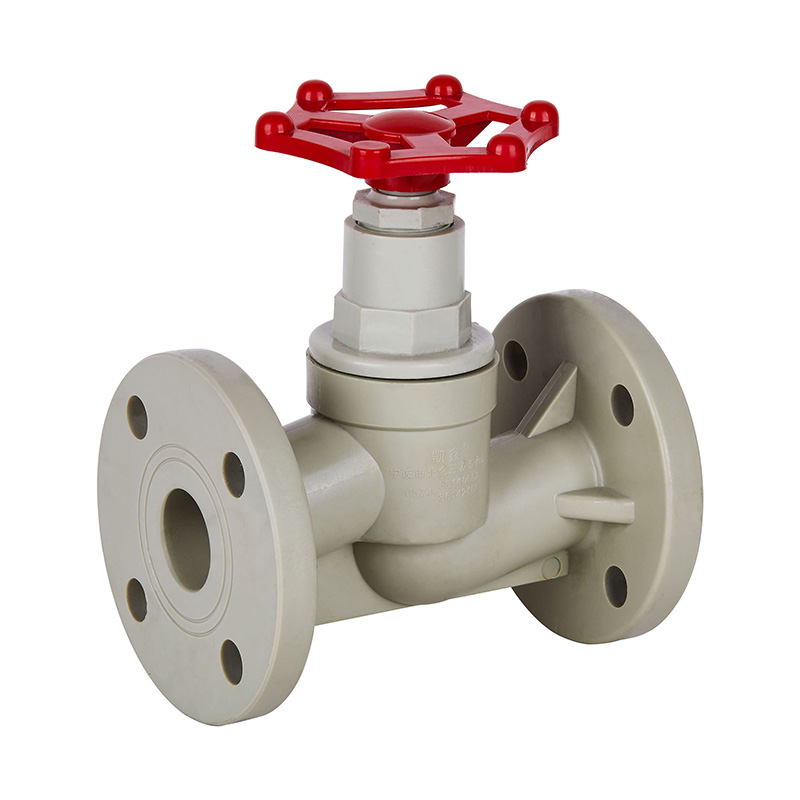
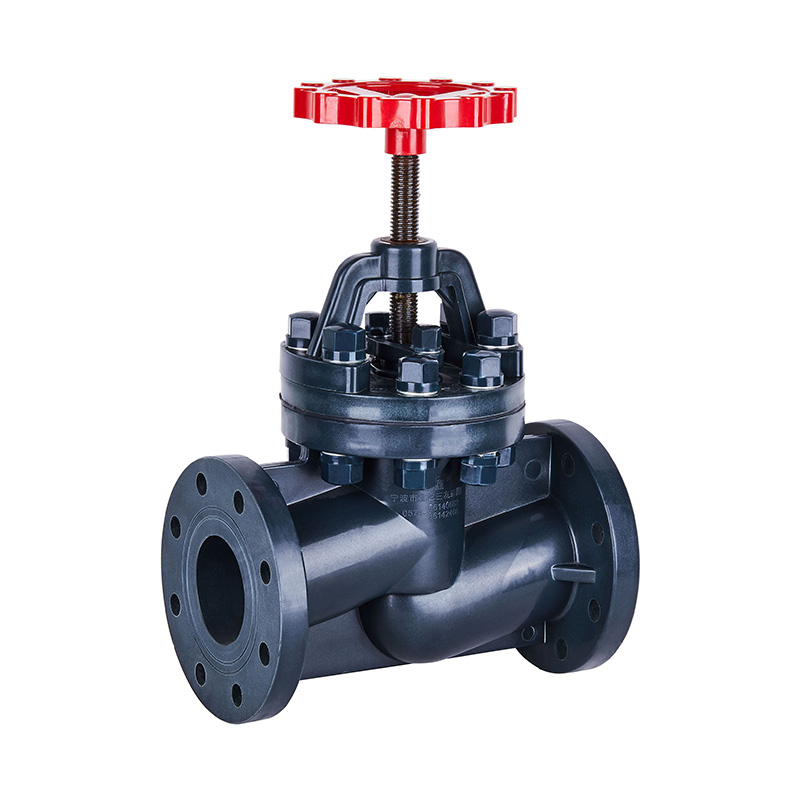
The globe valve series is widely recognized for its ability to provide precise flow control. This is largely due to the unique design of the valve, which features a movable disc and a stationary seat. The design allows for gradual adjustment, giving operators finer control over fluid flow. This precise flow regulation is especially important in applications where small variations in flow can significantly impact the overall system performance, such as in chemical processing or high-pressure applications. When compared to other valve types, the globe valve offers superior ability to control flow rates with minimal turbulence and energy loss.
Better Performance in Throttling Services
Globe valves are designed specifically for throttling services, making them ideal for applications requiring variable flow adjustments. Unlike ball valves or gate valves that are primarily suited for full-open or full-closed positions, globe valves excel in controlling intermediate positions with great accuracy. This feature allows operators to fine-tune flow rates to meet precise operational requirements, which is particularly critical in industries like pharmaceuticals, water treatment, and chemical manufacturing where precise measurements are essential for maintaining product quality and process efficiency.
High-Quality Materials for Corrosion Resistance
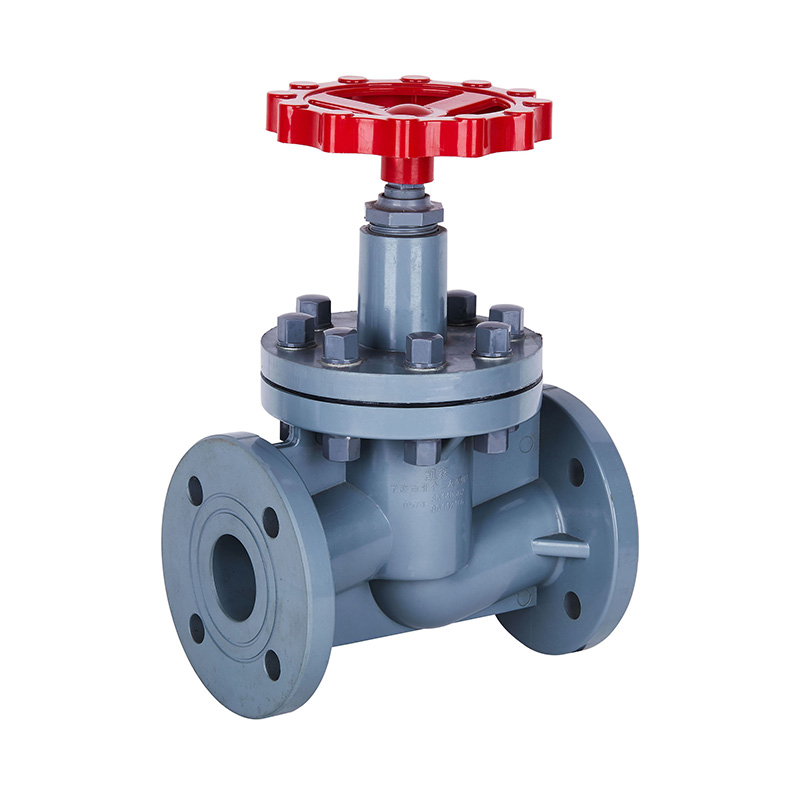
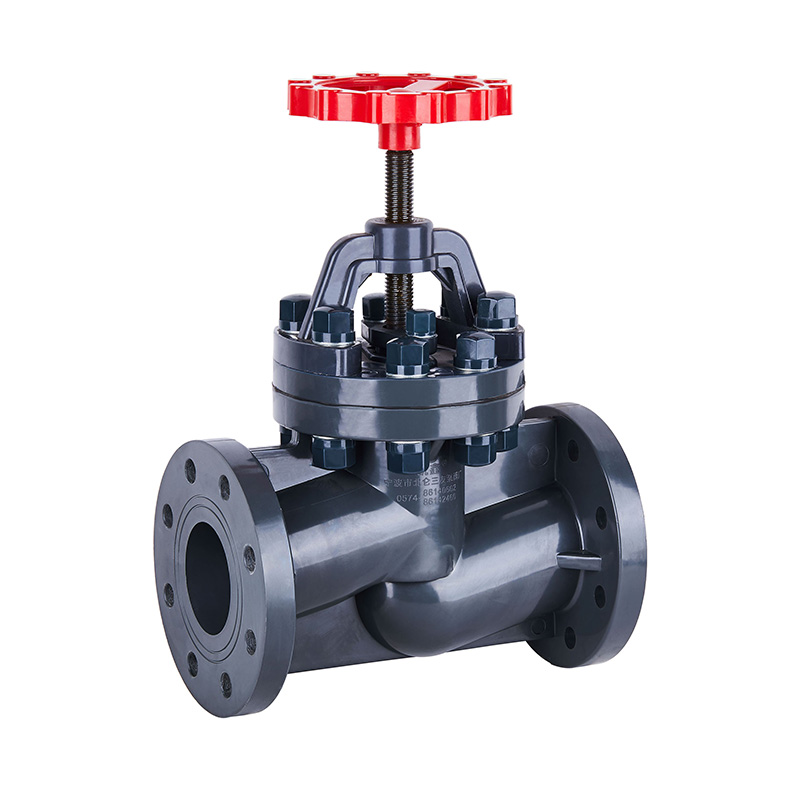
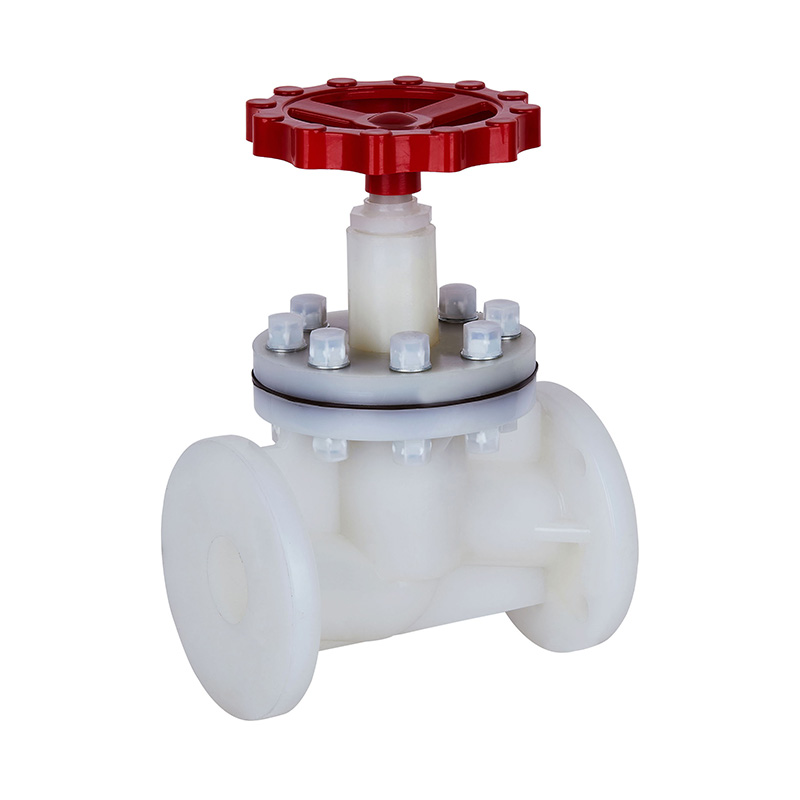
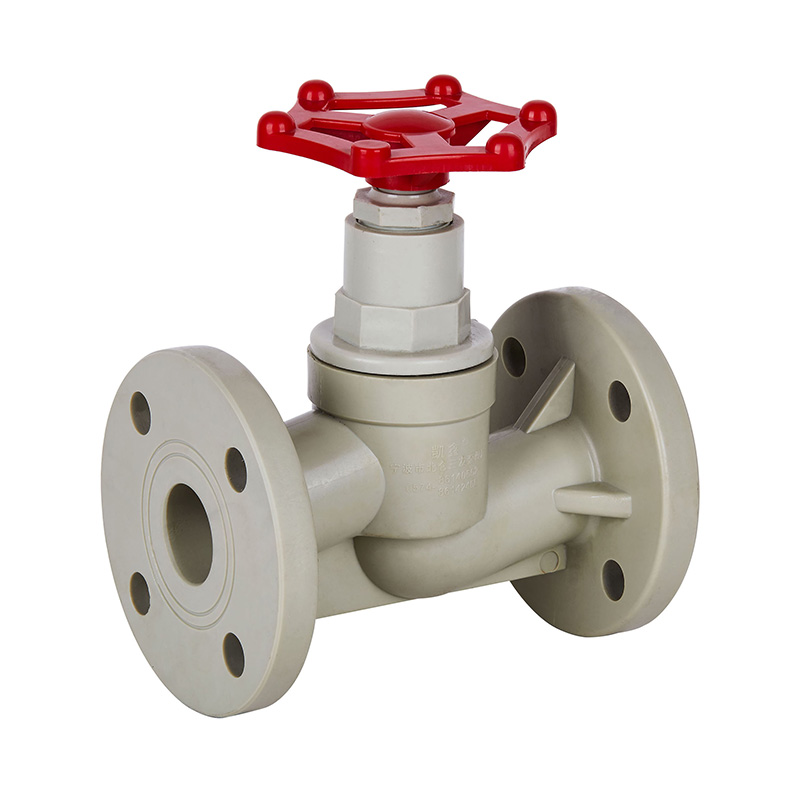
The materials used in the construction of the globe valve series contribute significantly to their performance in various environments. Globe valves can be made from non-metallic materials like PVC-C, PVC-U, PVDF, and FRPP, which offer excellent corrosion resistance, particularly in harsh chemical environments. For industries dealing with aggressive fluids or gases, the durability and resistance of globe valves made from these materials ensure consistent flow control without compromising the integrity of the valve over time. Kaixin Pipeline Technologies, for example, specializes in offering globe valves with superior materials, ensuring that the valve performs optimally under chemical exposure and extreme conditions.
Reliable Sealing for Leak Prevention
One of the key advantages of globe valves is their ability to provide reliable sealing. The seating design of the globe valve ensures a tight seal between the valve disc and seat, minimizing the risk of leakage. In applications where leakage could result in environmental damage or unsafe conditions, the globe valve offers added assurance. The sealing performance is essential for both high and low-pressure systems, and globe valves are especially effective in applications that require a controlled shut-off as well as precise throttling.
Longer Service Life and Reduced Maintenance Costs
The design and material selection of globe valves contribute to their longevity and minimal maintenance needs. Their robust construction and reliable sealing mechanisms allow them to withstand long-term use without the frequent breakdowns that might occur with other valve types. With high-quality materials such as PVC-C, PVDF, and FRPP, the globe valves from Kaixin Pipeline Technologies offer extended service life, reducing the need for replacement and repair. This can lead to significant cost savings over the life of the valve, especially in industries that rely on continuous operation without interruptions.
Flexibility in Sizing and Configuration
Another advantage of the globe valve series is the flexibility in sizing and configuration. Kaixin Pipeline Technologies, for example, offers butterfly valves that can reach up to DN1000 in diameter, as well as pipes and fittings up to DN800. This flexibility means that globe valves can be easily integrated into a wide range of systems, regardless of the size or complexity of the installation. Whether in large industrial facilities or smaller-scale applications, globe valves provide a scalable solution that meets specific flow control needs.
Ease of Operation and Control
Globe valves are designed to offer ease of operation, even in systems that require fine control over flow. The manual or automated actuation systems available for globe valves allow operators to adjust the flow with relative ease. When combined with electronic actuators, these valves can be precisely controlled for accurate flow measurements, offering greater flexibility for automated systems. This ease of use and control further enhances their suitability for industries where precise flow regulation is critical for maintaining product quality and ensuring system efficiency.
FAQ
Q: What materials are commonly used in the construction of globe valves for chemical applications?
A: Globe valves for chemical applications are typically made from non-metallic corrosion-resistant materials such as PVC-C, PVC-U, PVDF, PPH, and FRPP. These materials ensure the valve can withstand exposure to aggressive chemicals while maintaining its performance and durability over time. Kaixin Pipeline Technologies, for instance, specializes in providing globe valves made from these high-performance materials to meet the stringent requirements of the chemical industry.
Q: How does the design of a globe valve contribute to precise flow control?
A: The design of a globe valve includes a movable disc and a stationary seat that allow for gradual, fine adjustments of the flow. This design makes globe valves particularly suitable for throttling applications where flow needs to be controlled with high precision. By manipulating the disc, operators can precisely regulate the flow rate, which is essential in many chemical processing and industrial applications.
Q: Are globe valves suitable for both high and low-pressure applications?
A: Yes, globe valves are highly versatile and can be used in both high and low-pressure applications. The robust design and reliable sealing capability of globe valves make them suitable for controlling flow in various pressure ranges. This flexibility allows them to be utilized in industries where pressure conditions fluctuate, ensuring consistent performance without compromising the system's integrity.
Q: What are the advantages of globe valves in chemical processing compared to other types of valves?
A: Globe valves are especially favored in chemical processing due to their precise throttling capability, reliable sealing, and ability to handle aggressive fluids. Unlike ball valves or gate valves, which are mainly used for full-open or full-closed positions, globe valves are designed to control intermediate flow rates with high accuracy. This makes them an ideal choice for controlling chemical flows in processes where small variations in flow rates can affect the final product quality.
Q: How do globe valves perform in terms of maintenance and longevity in corrosive environments?
A: Globe valves, particularly those made from corrosion-resistant materials such as PVC-C, PVDF, and FRPP, offer excellent durability and require minimal maintenance in corrosive environments. The non-metallic materials resist the effects of chemical exposure, ensuring that the valve remains functional for an extended period. Regular maintenance can further prolong their service life, but in general, these valves are known for their longevity and resistance to wear and tear in harsh conditions.
Q: What factors should be considered when selecting a globe valve for a specific application?
A: When selecting a globe valve, several factors must be considered, including the type of fluid being handled, the pressure and temperature conditions, the required flow control precision, and the material compatibility with the fluid. For chemical applications, selecting a valve made from corrosion-resistant materials is crucial. The specific diameter and flow rate requirements, such as those offered by Kaixin Pipeline Technologies' range of globe valves, should also be taken into account to ensure optimal performance.
Q: Can globe valves be automated for remote or electronic control in industrial systems?
A: Yes, globe valves can be equipped with electric or pneumatic actuators for automation and remote control. This allows for precise and automated flow control, which is especially useful in large industrial systems where manual operation is not practical. Automated globe valves are commonly used in industries such as chemical manufacturing, water treatment, and oil and gas, where continuous monitoring and adjustments of flow rates are necessary.


 EN
EN English
 中文简体
中文简体
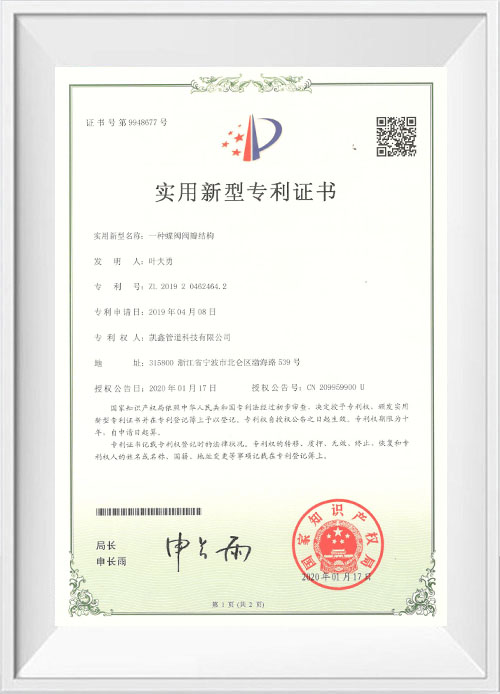
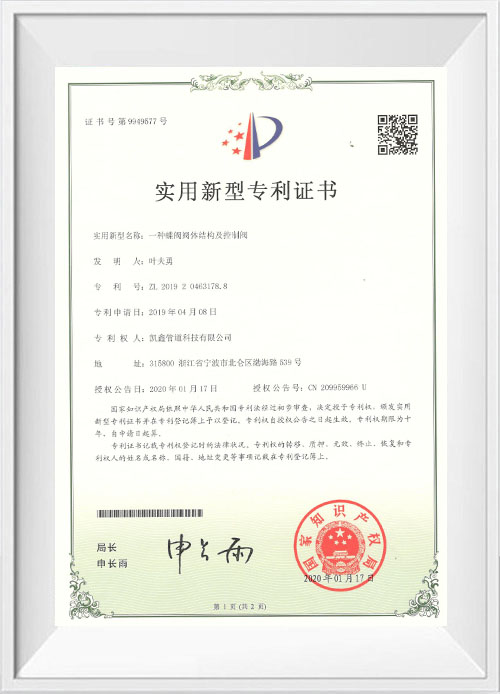

 Headquarters: No. 539 Bohai Road, Beilun District, Ningbo City, Zhejiang Province, P.R. China
 +86-18067123177