How Does the Mechanical Design of the FRPP Jet Pump Enable High-Efficiency Vacuum Generation and Fluid Transport?
The Jet Pump, particularly the high-performance FRPP Jet Pump, represents a sophisticated application of the Venturi effect, a principle of fluid dynamics that describes the reduction in fluid pressure that results when a fluid flows through a constricted section of a pipe. In industrial chemical processing, the Jet Pump is frequently chosen over mechanical pumps because it operates without moving parts in the fluid stream, which drastically reduces mechanical wear and the risk of failure when handling abrasive or volatile substances. The basic operation of the Jet Pump relies on the conversion of pressure energy into kinetic energy to facilitate the entrainment of a secondary fluid.
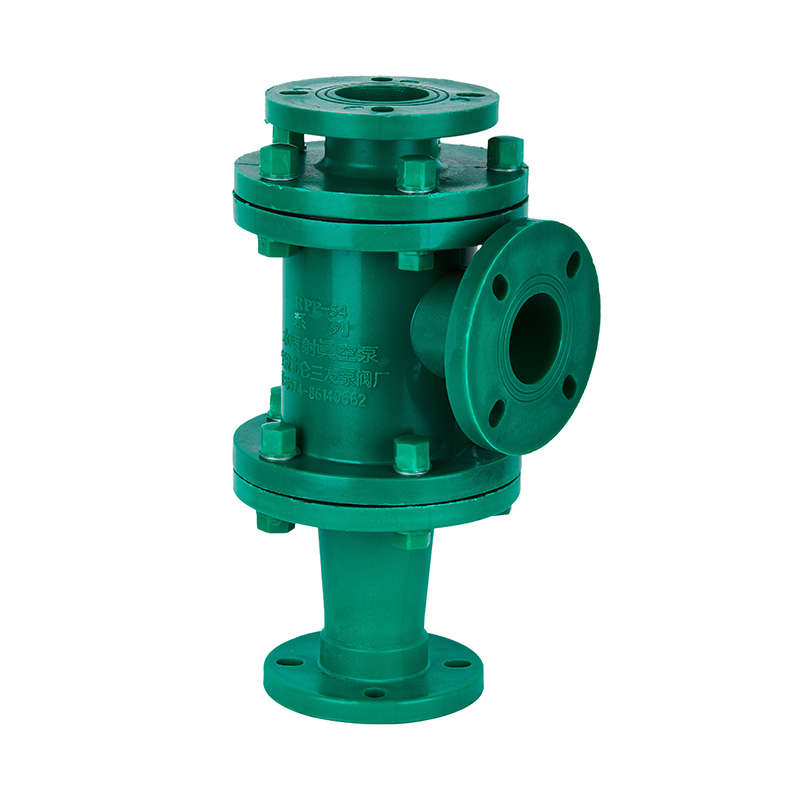
At its core, the FRPP Jet Pump consists of two primary structural components: the jet nozzle and the diffuser. The jet nozzle is the engine of the Jet Pump, designed to accelerate a "motive fluid" (which can be the same as the process liquid or a different compatible fluid) to a very high velocity. As this high-speed jet exits the nozzle and enters the diffuser, it creates a localized low-pressure zone—effectively a vacuum—around the nozzle tip.
To understand the high-efficiency performance of the modern Jet Pump, one must analyze the specific mechanical nuances of its internal flow path:
Optimized Nozzle Geometry and Kinetic Conversion: The efficiency of the FRPP Jet Pump begins at the nozzle orifice. Precision-engineered nozzle profiles ensure that the motive fluid reaches maximum velocity with minimal turbulence. By converting high-pressure static energy into streamlined kinetic energy, the Jet Pump creates a more stable and powerful vacuum, which is essential for consistent suction performance in fluctuating industrial environments.
Diffuser Expansion and Pressure Recovery: The diffuser section of the FRPP Jet Pump is meticulously tapered to facilitate "pressure recovery." As the combined stream of motive and suction fluid moves through the increasing diameter of the diffuser, its velocity slows down, and the kinetic energy is converted back into static pressure. This allows the Jet Pump to overcome discharge head resistance, effectively moving the liquid to its final destination without the need for secondary booster pumps in many applications.
Entrainment Synergy and Turbulence Control: In a high-quality Corrosion Resistant Jet Pump, the mixing zone between the nozzle and the diffuser is calibrated to ensure "laminar entrainment." This reduces the energy loss typically associated with chaotic fluid mixing. By maintaining a controlled interaction between the high-speed jet and the stationary suction liquid, the Jet Pump achieves a higher entrainment ratio, meaning it can move more process fluid using less motive fluid.
Aeration and Multi-Phase Handling Capability: Unlike standard centrifugal pumps that may struggle with air pockets or gas-binding, the Jet Pump is inherently capable of handling mixtures of gas and liquid. The vacuum generated in the FRPP Jet Pump diffuser acts as an aspirator, allowing it to entrain air, ozone, or process gases into the liquid stream. This makes the Jet Pump an ideal candidate for "suction lift" scenarios and oxidation processes in wastewater treatment.
Deep-Well Suction and Low-Level Evacuation: An FRPP Jet Pump can effectively pump liquid even when the liquid surface is located well below the pump's installation height. This capability is vital for deep-well applications or for emptying large storage tanks in chemical plants where the inlet pressure is otherwise too low to produce a sufficient flow for traditional pumping hardware. The Jet Pump eliminates the need for expensive submersible motors or complex shaft extensions.
Why is FRPP the Definitive Material Choice for High-Performance Jet Pump Construction in Corrosive Environments?
Material selection is the most critical factor determining the longevity of a Jet Pump in industrial service. The FRPP Jet Pump utilizes Fiberglass Reinforced Polypropylene, a specialized composite material that integrates the chemical inertness of polypropylene with the structural enhancement of glass fibers. In a Jet Pump, internal components are subjected to high-velocity fluid streams that can cause rapid erosion in softer materials.
The specific material advantages of choosing an FRPP Jet Pump include:
Reinforced Structural Integrity and Mechanical Strength: While standard polypropylene is known for its chemical resistance, it can be prone to deformation under high pressure or thermal stress. The fiberglass reinforcement within the FRPP Jet Pump provides the necessary tensile strength and dimensional stability to resist "creep" and deformation. This ensures that the internal nozzle and diffuser geometries remain perfectly aligned even after thousands of hours of high-pressure operation.
Superior Erosion Resistance against High-Velocity Scrubbing: In a Jet Pump, the fluid velocities at the nozzle tip can be exceptionally high. This creates a "scrubbing" effect that can quickly wear down metallic or unreinforced plastic surfaces. The composite matrix of the FRPP Jet Pump offers enhanced hardness, protecting the internal flow channels from abrasive wear, which is particularly beneficial when the process liquid contains small suspended solids or crystalline precipitates.
Broad-Spectrum Chemical Inertness: The corrosion resistance of the FRPP Jet Pump is its primary hallmark. In chemical and petrochemical plants, pumps are often exposed to concentrated acids, alkalis, and oxidative solutions that would cause pitting or stress corrosion cracking in stainless steel or alloy pumps. The FRPP Jet Pump remains entirely unaffected by these chemical reactions, maintaining its structural integrity and preventing process fluid contamination across a wide pH range (from 1 to 14).
Thermal Stability in High-Temperature Workflows: Standard plastics often soften or lose their mechanical properties as temperatures rise. However, the FRPP Jet Pump is engineered to maintain its performance at temperatures up to 90°C. This makes the Jet Pump suitable for hot pickling lines in the metal industry or for handling hot reagents in chemical synthesis where unreinforced polymers would fail.
Non-Conductive and Galvanic Protection: Unlike metallic pumps, the FRPP Jet Pump is an electrical insulator. This is a critical advantage in electroplating and chlor-alkali industries, where stray electrical currents can cause rapid galvanic corrosion in metal components. By using a Plastic Jet Pump, facilities eliminate the risk of the pump becoming a sacrificial anode, thereby extending the lifecycle of the entire fluid handling system.
Total Cost of Ownership (TCO) Optimization: Beyond durability, the use of FRPP in Jet Pump manufacturing contributes to a lower lifecycle cost. Because the FRPP Jet Pump has no moving parts—no bearings, seals, or impellers—the maintenance requirements are negligible. There is no risk of seal leakage or motor burn-out due to dry-running, as the Jet Pump is naturally cooled and lubricated by the fluids passing through it.
Technical Performance Matrix for Industrial Jet Pump Configurations
|
Performance Metric
|
FRPP Jet Pump
|
PPH / PVDF Jet Pump
|
Metal Alloy Jet Pump
|
|
Corrosion Resistance
|
Excellent (Acids, Salts, Bleach)
|
Superior (Strong Oxidants, Nitric)
|
Poor to Moderate (pH sensitive)
|
|
Mechanical Strength
|
High (Fiberglass Reinforced)
|
Moderate
|
Very High
|
|
Erosion Resistance
|
Superior (Resists scrubbing)
|
Moderate
|
High (Subject to chemical wear)
|
|
Operating Temperature
|
0℃ to 90℃
|
-20℃ to 120℃
|
-100℃ to 500℃
|
|
Moving Parts
|
None (Zero Seal Maintenance)
|
None (Zero Seal Maintenance)
|
None (High Maintenance Weight)
|
|
NPSH Requirement
|
Extremely Low (Vacuum Driven)
|
Extremely Low (Vacuum Driven)
|
Variable (Mechanical Risk)
|
|
Lifecycle Cost
|
Very Low (Long-term Stability)
|
Low to Moderate
|
High (Repairs & Replacements)
|
What are the Specialized Applications and Market-Leading Innovations in Modern Jet Pump Manufacturing?
The Jet Pump serves as a versatile tool across a broad spectrum of industrial and commercial applications, particularly where traditional pumps reach their physical limits. In the realm of environmental engineering, the FRPP Jet Pump is frequently used for aerating and mixing liquids in large tanks or lagoons. Because it can entrain air or ozone into a water stream, the Jet Pump provides a highly efficient method for water treatment and oxygenation.
The technical versatility of the Jet Pump is further demonstrated in these specialized sectors:
Low NPSH and Volatile Fluid Transport: One of the most critical applications for the Jet Pump is in scenarios requiring low Net Positive Suction Head (NPSH). Many chemical processes operate at pressures near the vapor pressure of the liquid, making it nearly impossible for standard pumps to operate without cavitation. The FRPP Jet Pump, however, thrives in these environments because its suction is created by the kinetic energy of the motive fluid. This makes the Jet Pump the preferred choice for distillation vacuum systems and evaporation processes.
Tank Stripping and Residual Chemical Recovery: In petrochemical facilities, the Jet Pump is indispensable for "tank stripping"—the process of removing the final remnants of fluid from the bottom of a large storage tank. Since the Jet Pump can handle air-liquid mixtures without losing prime, it ensures that the entire volume of a chemical tanker or IBC tote is emptied safely and efficiently, reducing chemical waste and improving turnaround times.
Inline Dilution and Chemical Mixing: Because a Jet Pump naturally entrains a secondary fluid into a primary stream, it is an excellent tool for inline chemical dilution. For example, a concentrated acid can be entrained into a water stream by a Corrosion Resistant Jet Pump, ensuring a perfectly mixed solution is delivered directly to the process line without the need for separate mixing tanks or agitators.
Abrasive Slurry and Waste Handling: In mining and metal pickling industries, the FRPP Jet Pump is often tasked with handling acidic drainage and hazardous wastewater that may contain grit. The absence of a rotating impeller means that small solids can pass through the Jet Pump without causing the catastrophic mechanical damage that would occur in a standard centrifugal pump.
Semiconductor and Ultra-Pure Fluid Handling: In advanced chip manufacturing, the Jet Pump (typically in PVDF) is used for chemical mechanical planarization (CMP) slurry delivery and nitric acid etching. These processes demand zero metallic contamination and absolute chemical stability; the Jet Pump provides a non-contaminating path that preserves the integrity of silicon wafers throughout the etching cycle.
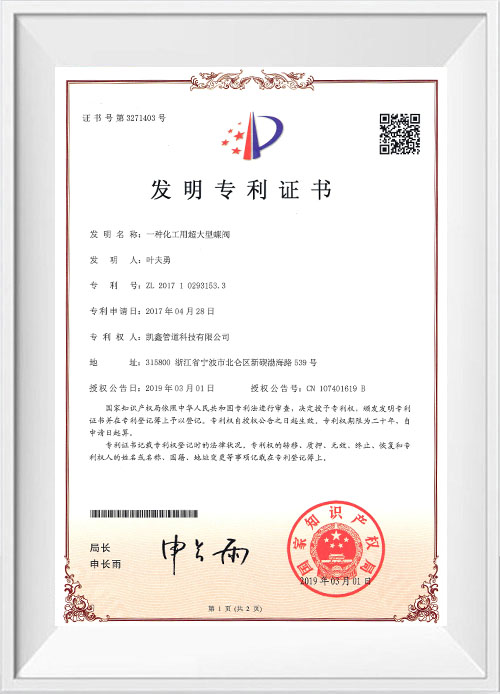
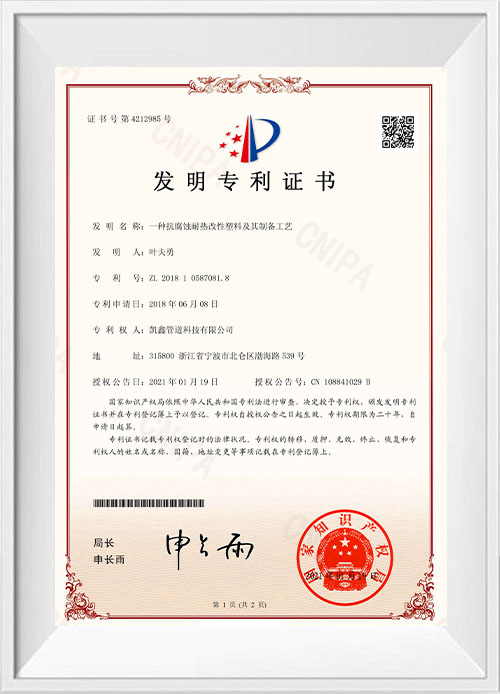
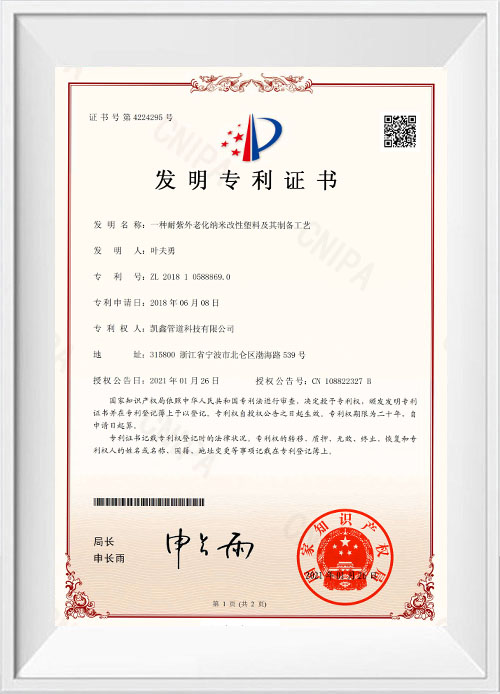
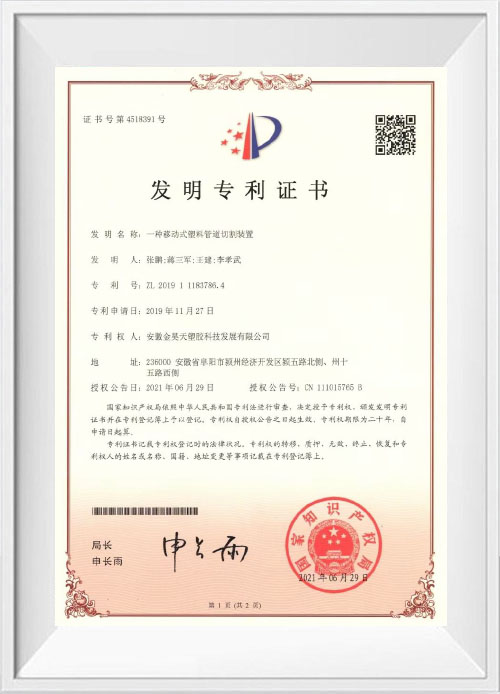
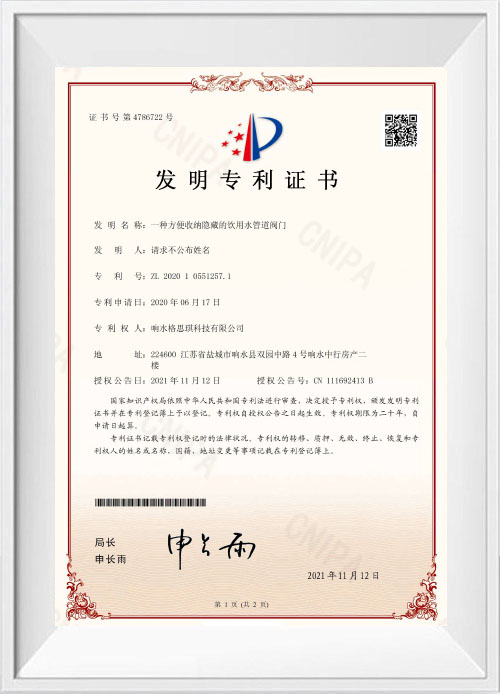
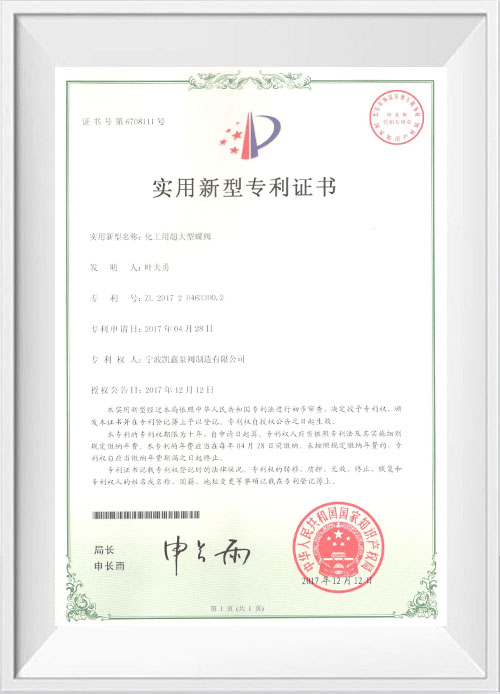
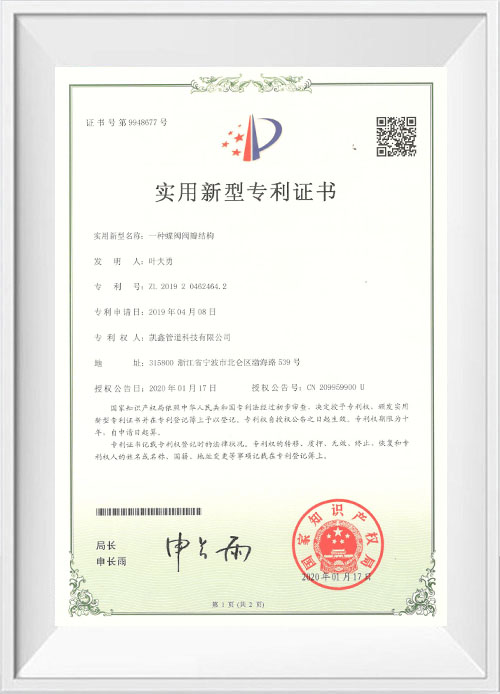
As a leading China Jet Pump Manufacturer and Jet Pump Supplier, Kaixin Pipeline Technologies Co., Ltd. has redefined the standards for these systems. Founded in 1999, the company has grown into a high-tech enterprise that integrates advanced R&D with standardized automated manufacturing. Holding prestigious titles such as the "Little Giant" Specialized and Sophisticated SME and a National High-Tech Enterprise, Kaixin leverages its Ningbo • Fenghua R&D & Production Base to push the boundaries of polymer science.
The company's commitment to innovation is reflected in several key areas:
Advanced Material Science and Modified Plastics: Kaixin allocates nearly RMB 10 million annually to R&D, focusing on the development of new modified plastics and high-performance polymer materials. This ensures that their FRPP Jet Pump models possess the highest possible strength-to-weight ratios and chemical resistance profiles, meeting the rigorous demands of global chemical processing environments.
Precision Automated Manufacturing: With a total investment of RMB 200 million, the Fenghua base features 8 fully automated production lines for modified plastics and 8 for polymer materials. This automation ensures that the internal nozzle and diffuser geometries of every Jet Pump are produced with micron-level precision, which is critical for maximizing vacuum efficiency and entrainment performance.
Collaboration with Research Institutes: By establishing a new materials laboratory in collaboration with universities and research institutes, Kaixin stays at the forefront of polymer technology. This collaboration allows for the testing of next-generation Jet Pump designs, including those with carbon-fiber reinforcement or "Ultra-Pure" configurations for the pharmaceutical industry.
Digitalization and Data Management: As a Jet Pump Supplier with Enterprise Data Management Capability Maturity Level 2, Kaixin leverages digital channels and data-driven manufacturing to bring high-quality "Made in China" products to customers worldwide. This digital infrastructure supports predictive quality control and ensures that every Corrosion Resistant Jet Pump delivered to a client meets their exact technical specifications.
Comprehensive Integrated Systems: Notably, Kaixin does not just supply the Jet Pump; they provide a complete ecosystem of non-metallic products. With pipes and fittings reaching up to DN800 and butterfly valves up to DN1000, they offer integrated solutions that ensure the entire fluid handling circuit is optimized for corrosion resistance and hydraulic efficiency.
Through the continuous innovation of manufacturers like Kaixin Pipeline Technologies, these Jet Pump systems will continue to play a vital role in the global industrial landscape, solving the most difficult fluid transport problems with elegant, non-mechanical simplicity.


 EN
EN English
 Español
 عربى
عربى русский
 中文简体
中文简体

 Headquarters: No. 539 Bohai Road, Beilun District, Ningbo City, Zhejiang Province, P.R. China
 +86-18067123177