What are the Core Advantages of Utilizing a Plastic Self-Priming Pump in Aggressive Chemical Environments?
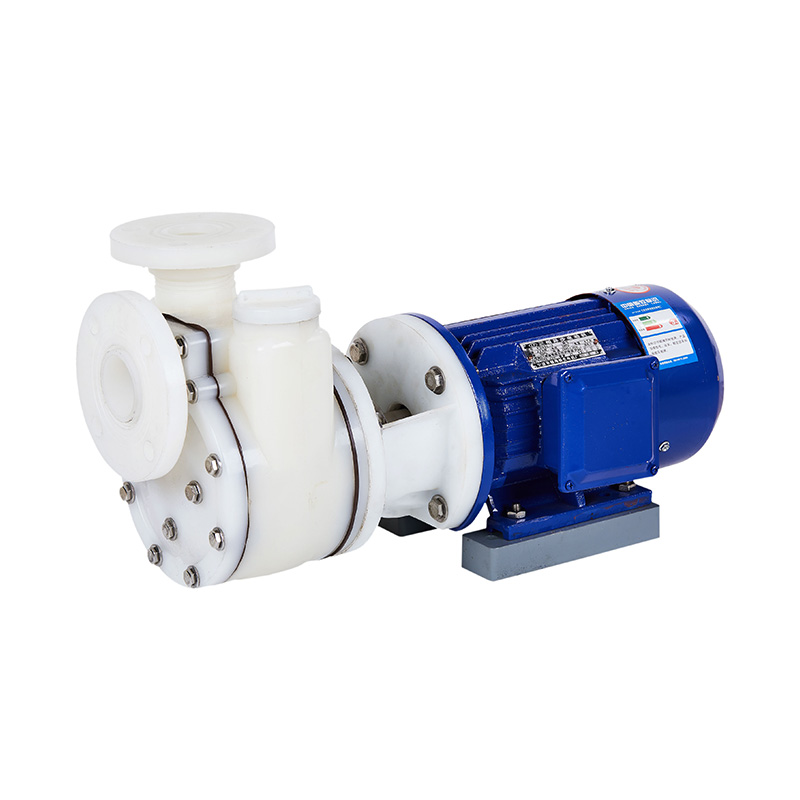
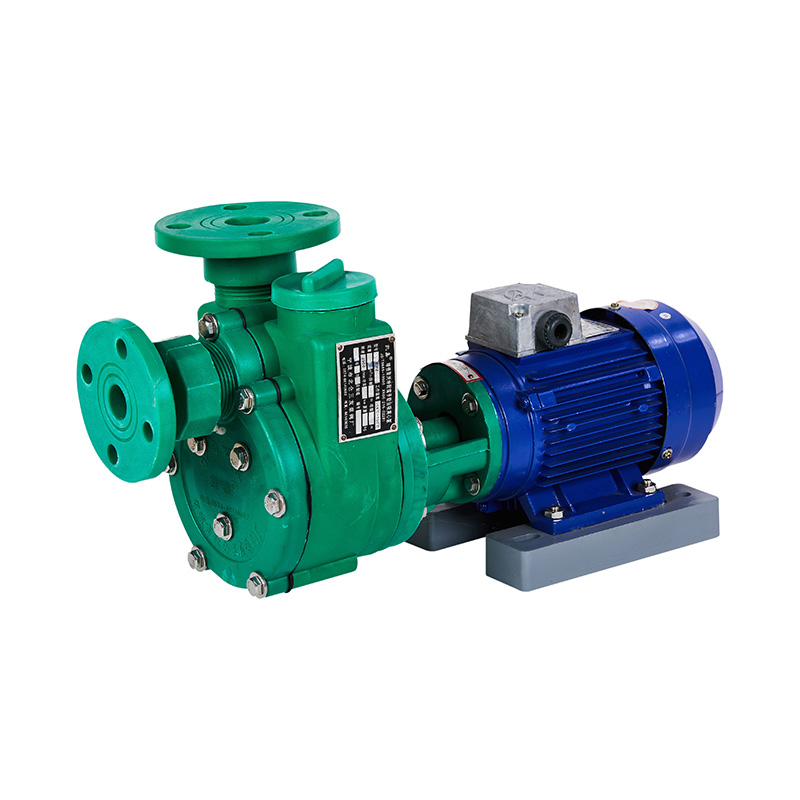
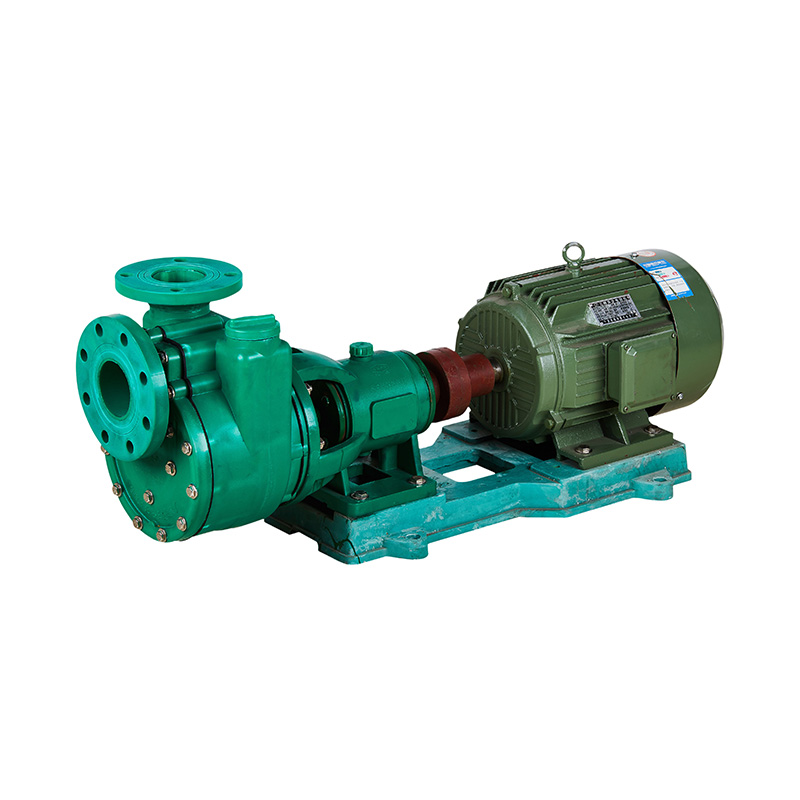
The modern industrial sector increasingly relies on the Plastic Self-Priming Pump to navigate the complex challenges of fluid management. Traditional pumping solutions often struggle with the dual burden of chemical corrosion and the mechanical difficulties associated with suction lift. A Corrosion Resistant Plastic Self-Priming Pump addresses these issues by utilizing advanced non-metallic materials such as Polypropylene (PP), PVC, PVDF, and PPH. These materials are specifically engineered to handle liquids that would rapidly degrade or destroy metal pumps, such as concentrated acids, alkalis, and oxidative solutions.
The primary advantage of the Plastic Self-Priming Pump is its inherent chemical inertness. Unlike stainless steel, which can suffer from pitting or stress corrosion cracking, the high-performance polymers used in a Corrosion Resistant Plastic Centrifugal Pump do not react with the process fluid. This ensures that the Self-Priming Pump maintains its structural integrity over long periods, reducing the risk of catastrophic leaks and ensuring process safety. For industries like pharmaceutical production or semiconductor manufacturing, the use of a Plastic Self-Priming Pump also prevents metal ion contamination, which is critical for maintaining product purity.
Beyond material inertness, the Plastic Self-Priming Pump offers several nuanced technical benefits:
Superior Energy Efficiency through Advanced Fluid Dynamics: High-performance plastics used in a Self-Priming Pump naturally possess exceptionally smooth internal surfaces, characterized by significantly lower surface roughness (Ra values) compared to cast or machined metals. This ultra-smooth finish drastically reduces hydraulic friction loss as the fluid moves through the volute and impeller channels. Consequently, a Corrosion Resistant Plastic Self-Priming Pump can achieve higher flow rates and better head pressure with lower kilowatt consumption, leading to substantial energy savings in 24/7 industrial operations.
Leak-Free "Sealless" Potential and Environmental Safety: Many modern Plastic Self-Priming Pump designs utilize magnetic drive technology to create a completely sealless operation. By eliminating mechanical seals—which are historically the primary point of failure and leakage in a standard Centrifugal Pump—the Corrosion Resistant Plastic Self-Priming Pump provides a hermetically sealed environment. This is critical for ensuring zero leakage of hazardous vapors, toxic fluids, or expensive reagents, thereby protecting both the workforce and the environment from accidental exposure.
Comprehensive Thermal and Electrical Insulation: Thermoplastic materials are inherently non-conductive, which provides an absolute safeguard for the Self-Priming Pump against galvanic corrosion and stray current electrolysis—common issues in electroplating and chlor-alkali plants. Additionally, the low thermal conductivity of a Plastic Self-Priming Pump acts as a natural barrier, helping to maintain consistent process fluid temperatures. This often eliminates the need for expensive external pipe insulation or heat tracing in temperature-sensitive chemical processes.
Optimized Total Cost of Ownership (TCO) and Lifecycle Reliability: While specialized polymers like PVDF may carry a higher initial procurement cost, the Corrosion Resistant Plastic Self-Priming Pump proves far more economical over its operational lifecycle due to reduced maintenance frequency. Unlike metal components, plastic parts do not "gall," seize, or undergo crystalline fatigue. This means that even after years of exposure to highly corrosive atmospheres, the threaded components and internal assemblies of the Self-Priming Pump remain easy to disassemble and service, minimizing downtime and labor costs.
The "self-priming" feature is a game-changer for operational efficiency. In many industrial applications, the pump is located above the liquid source. A standard Centrifugal Pump would require a foot valve and a manually filled suction line to start. However, the Self-Priming Pump creates a vacuum at the pump inlet through an internal recirculation process, allowing it to start pumping even when the suction line is dry. This capability significantly simplifies system design and reduces the potential points of failure, such as leaking foot valves.
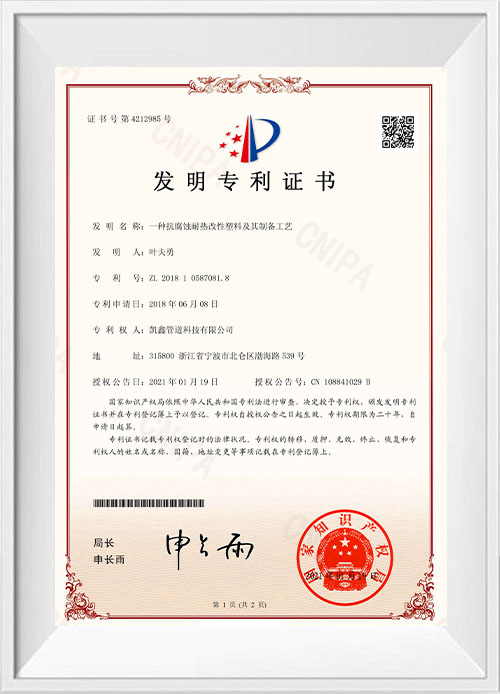
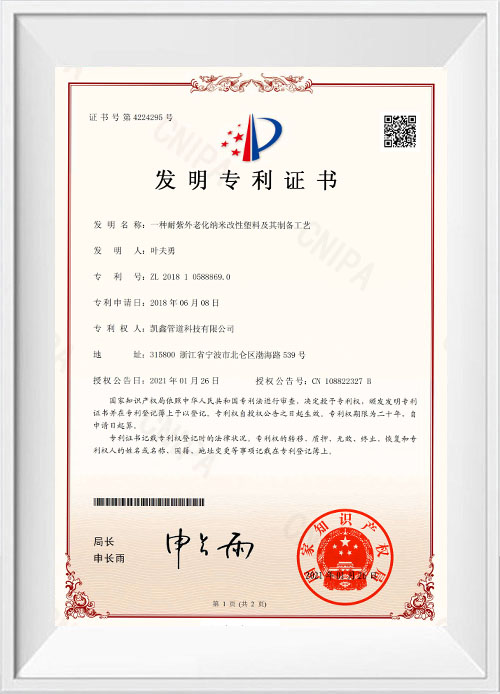
As a leading China Corrosion Resistant Plastic Self-Priming Pump Manufacturer, Kaixin Pipeline Technologies Co., Ltd. has leveraged its R&D capabilities to perfect these designs. Since 1999, the company has focused on non-metallic solutions, earning certifications like "Little Giant" specialized SME and National High-Tech Enterprise. Their commitment to using imported raw materials and automated manufacturing ensures that every Plastic Self-Priming Pump they supply meets the rigorous demands of global chemical processing environments.
How Does the Internal Design of a Corrosion Resistant Plastic Self-Priming Pump Facilitate High-Performance Suction?
The technical superiority of a Corrosion Resistant Plastic Self-Priming Pump lies in its sophisticated internal geometry. To achieve a reliable self-priming action, the Plastic Self-Priming Pump is designed with an integrated priming chamber and a specialized volute casing. When the Self-Priming Pump is activated, the impeller rotates and draws a mixture of air and liquid into the discharge chamber. In this chamber, the air is separated from the liquid; the air is expelled through the discharge port, while the heavier liquid returns to the impeller to entrain more air from the suction line.
This continuous cycle allows the Plastic Self-Priming Pump to effectively evacuate air from the suction pipe, creating a negative pressure zone that draws the liquid up from the source. This is particularly useful in "suction lift" applications where the pump must pull water or chemicals from below the liquid level. The efficiency of this process in a Corrosion Resistant Plastic Self-Priming Pump depends on the precision of the impeller and the tightness of the internal clearances. High-quality manufacturers like Kaixin utilize 8 fully automated production lines for polymer materials to ensure that these components are manufactured with micron-level precision.
Moreover, the Plastic Self-Priming Pump is capable of handling high-temperature and high-pressure scenarios that were previously reserved for metal pumps. By utilizing modified plastics like PPH or PVDF, the Corrosion Resistant Plastic Self-Priming Pump can operate safely at temperatures exceeding 100℃ while maintaining its mechanical strength. The following table provides a comparison of the materials often used in the construction of a high-performance Self-Priming Pump.
Material Comparison for the Corrosion Resistant Plastic Self-Priming Pump
|
Material Type
|
Temperature Range
|
Chemical Resistance Profile
|
Primary Industry Usage
|
|
Polypropylene (PP/PPH)
|
0℃ to 80℃
|
Excellent for basic acids and salts
|
General chemical transfer, Electroplating
|
|
PVC / PVC-C
|
0℃ to 70℃
|
Good for common alkalis and bleach
|
Water treatment, Chlor-alkali industry
|
|
PVDF
|
-20℃ to 120℃
|
Superior resistance to strong oxidants
|
Semiconductor, High-purity chemicals
|
|
FRPP (Reinforced)
|
0℃ to 90℃
|
High mechanical strength and stiffness
|
Industrial wastewater, Mining slurries
|
The engineering expertise at the Ningbo • Fenghua R&D & Production Base ensures that the Plastic Self-Priming Pump is not just a standalone component but a part of an integrated system. With total investments reaching RMB 200 million, Kaixin has established a modern manufacturing base that supports the production of these high-tech Self-Priming Pump systems, ensuring they can handle the most demanding industrial workflows.
What are the Industrial Applications and Future Innovations for the Plastic Self-Priming Pump?
The versatility of the Corrosion Resistant Plastic Self-Priming Pump has made it indispensable across a wide variety of sectors. In the chemical processing industry, these pumps are used to move aggressive reagents between reactor vessels. Because the Plastic Self-Priming Pump can handle intermittent flow and air entrainment, it is also the preferred choice for unloading chemical tankers and IBC totes where air pockets are common. In these scenarios, the Self-Priming Pump ensures that the entire volume of the vessel is emptied safely and efficiently.
Additional specialized applications of the Plastic Self-Priming Pump include:
Semiconductor and Ultra-Pure Fluid Handling: In advanced chip manufacturing, the Corrosion Resistant Plastic Self-Priming Pump (typically constructed from high-purity PVDF) is essential for chemical mechanical planarization (CMP) slurry delivery and nitric acid etching. These processes demand zero metallic contamination and absolute chemical stability; the Self-Priming Pump provides a non-contaminating path that preserves the integrity of silicon wafers throughout the etching cycle.
Emergency Response and Portable Dosing Operations: Modular, trolley-mounted Plastic Self-Priming Pump units act as critical mobile emergency stations for rapid acid spill containment or temporary chemical injection. For example, during municipal water treatment bypasses, these portable Corrosion Resistant Plastic Self-Priming Pump systems allow for the immediate dosing of sodium hypochlorite to maintain water safety without needing a permanent fixed installation.
Surface Finishing and High-Precision Electroplating: The Self-Priming Pump is vital for the continuous recirculation of hot acidic or alkaline baths. Its inherent resistance to galvanic corrosion ensures that the Plastic Self-Priming Pump does not interfere with the delicate electrochemical balance of the plating chemistry, preventing unwanted metallic deposition on the pump itself and ensuring a uniform finish on the processed parts.
In the realm of environmental engineering and water treatment, the Corrosion Resistant Plastic Self-Priming Pump is utilized for dosing corrosive coagulants and disinfectants like sodium hypochlorite. These chemicals would quickly corrode even high-grade stainless steel pumps. Furthermore, in the mining and metal pickling industries, the Plastic Self-Priming Pump is often tasked with handling acidic drainage and hazardous wastewater. Its ability to pull liquid from deep sumps without the need for priming water makes it a highly reliable and low-maintenance solution for remote or automated sites.
The future of the Self-Priming Pump is heavily focused on digitalization and material innovation. We are seeing a trend toward "Smart" Plastic Self-Priming Pump systems that incorporate IoT sensors to monitor flow rates, vibration, and temperature. This allows for predictive maintenance, ensuring that a Corrosion Resistant Plastic Self-Priming Pump can be serviced before a failure occurs. This aligns with the "Enterprise Data Management Capability Maturity Level 2" certification held by Kaixin, highlighting their commitment to leveraging data to improve product reliability.
Future-looking technical innovations in this field include:
Next-Generation Sensor Integration and Autonomous Protection: Beyond basic flow monitoring, the future Plastic Self-Priming Pump will feature sophisticated sensors for real-time fluid viscosity analysis and acoustic cavitation detection. This intelligence allows the Self-Priming Pump system to auto-adjust motor speeds via integrated Variable Frequency Drives (VFDs) to prevent dry-running or impeller damage, essentially creating a "self-protecting" Corrosion Resistant Plastic Self-Priming Pump.
Advanced Polymer Composites and 3D Prototyping Capabilities: R&D is rapidly shifting toward carbon-fiber-reinforced polymers for the Corrosion Resistant Plastic Self-Priming Pump to significantly increase pressure ratings and tensile strength without adding weight. Simultaneously, 3D printing technology allows for the rapid prototyping and manufacturing of customized impeller geometries, optimized for specific high-viscosity chemicals or abrasive slurries that a standard Self-Priming Pump might struggle to handle.
Sustainability and Green Manufacturing Initiatives: Manufacturers are increasingly adopting recycled high-grade polymers and solar-compatible DC motors for the Self-Priming Pump product lines. This focus on sustainability targets off-grid agricultural irrigation and remote wastewater treatment applications, where a Corrosion Resistant Plastic Self-Priming Pump can operate autonomously using renewable energy sources while maintaining a low carbon footprint.
The development of new modified plastics is expanding the pressure ratings of the Plastic Self-Priming Pump. By collaborating with universities and research institutes, companies like Kaixin are developing "Ultra-Pure" technologies that push the boundaries of polymer science. As a famous Self-Priming Pump Supplier, Kaixin allocates nearly RMB 10 million annually to R&D, ensuring that their Corrosion Resistant Plastic Self-Priming Pump models remain at the forefront of the international market. Their vision is to become a globally recognized leader, bringing high-quality "Made in China" fluid handling products to the world through digital channels and a focus on technology-driven growth.
The Plastic Self-Priming Pump represents the pinnacle of non-metallic fluid engineering. Its unique combination of chemical resistance, self-priming reliability, and evolving material science makes the Corrosion Resistant Plastic Self-Priming Pump the most viable choice for modern industries looking to minimize downtime and maximize safety. Through the continuous innovation of manufacturers like Kaixin Pipeline Technologies, these Self-Priming Pump systems will continue to play a vital role in the global industrial landscape.


 EN
EN English
 Español
 عربى
عربى русский
 中文简体
中文简体

 Headquarters: No. 539 Bohai Road, Beilun District, Ningbo City, Zhejiang Province, P.R. China
 +86-18067123177