Home / News / What is the Working Principle of a Ball Valve?

What is the Working Principle of a Ball Valve?

The operating principle of a ball valve is based on the physics of friction. A sphere/ball in a floating state rotates between two valve seats. The flow passageway aligns with the ball during open/close operation. This principle gives a smooth flow and minimal resistance to flow. Floating ball valves are not used in high pressure and large sizes because they are prone to deform when high pressure differentials occur.
In a simple way, a ball valve works by turning a quarter turn to open or close its bore. When fully open, a ball valve is fully positioned in the desired position and can flow media from one place to another. The operating principle of a ball valve varies according to the design of the ball, valve circuit, and housing assembly. There are three basic types of ball valves: the open-close and the modulation.
A ball valve has two main types: solid and hollow. Both are made of materials that are suited for the flow of different fluids. Solid-ball valves are ideal for fluids with high surface tension, and hollow ones are best suited for high pressure applications. However, their hollow counterparts tend to create a higher-pressure environment. Because of this, ball valves must be insulated to prevent damage from external pressure.
The most common type of ball valves is the reduced bore one. This design is the most common, but introduces minor friction losses. However, full-bore ball valves can be more expensive and are only used in situations where free flow is required. When the diameter of a valve is larger, a ball valve can handle higher pressure and flow. The V-shaped bore allows precise control of flow, but requires more robust design due to higher velocities.
There are two basic types of ball valves. A solid ball valve is made of metal, while a hollow ball valve is made of plastic. Solid-ball valves are generally flanged. They are installed vertically in pipelines. In this way, they are more robust than hollow-ball valves. You can buy one by comparing prices online or at a local valve store. When purchasing a ball valve, be sure to read the manufacturers' website for further details.
Ball valves are versatile and have many different applications. They are easy to install, use a large range of pressures, and work with solid particles and suspended liquids. They can also handle high vacuums and are low noise devices. The advantages of ball valves are too numerous to list here. This valve is perfect for any application where low noise, low fluid resistance, and high accuracy are important. But the advantages outweigh the disadvantages.
A ball valve handles fluids that are characterized by solids in suspension or fibrous materials. A solid can cause damage to the ball's surface, but a fibrous material can wrap around the ball. This is why these valves are usually used in high-temperature applications. They are also used to control the pressure in a pipeline. It is important to consider the media type of a ball valve when choosing one.

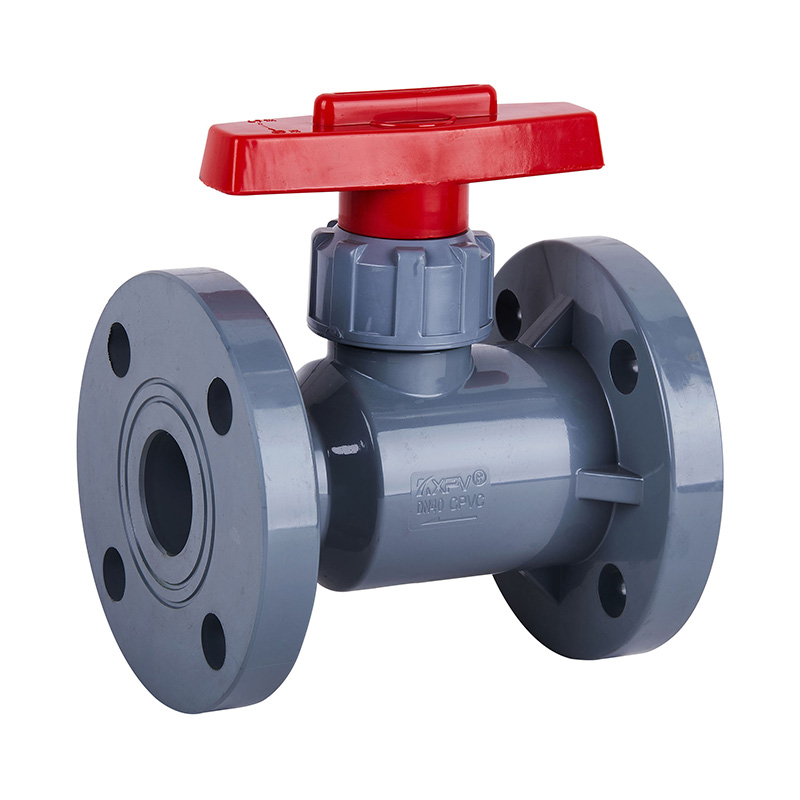
CPVC Worm-Gear Ball Valve DN25-DN1000

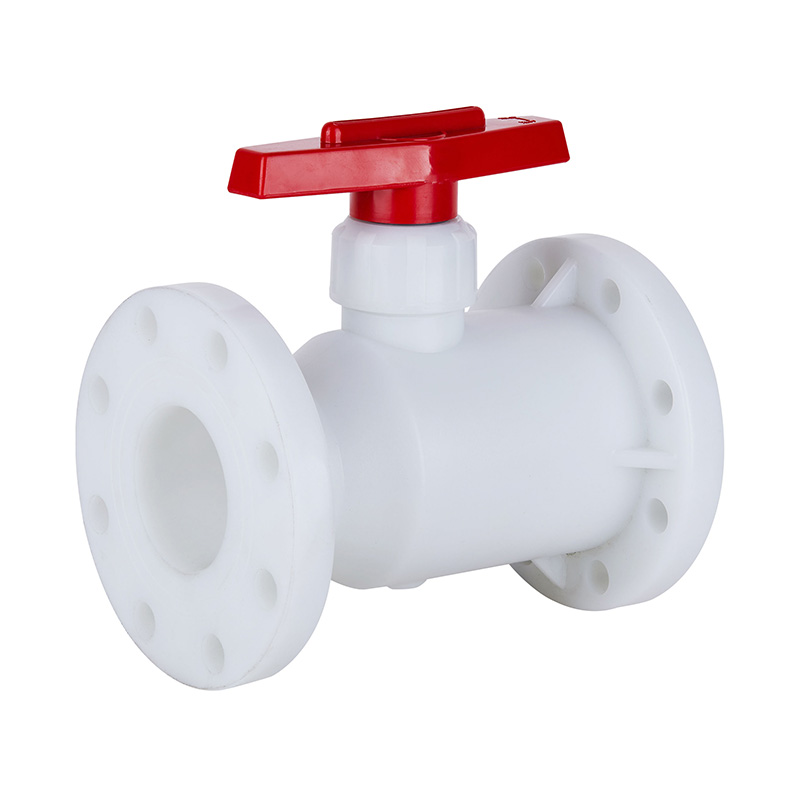
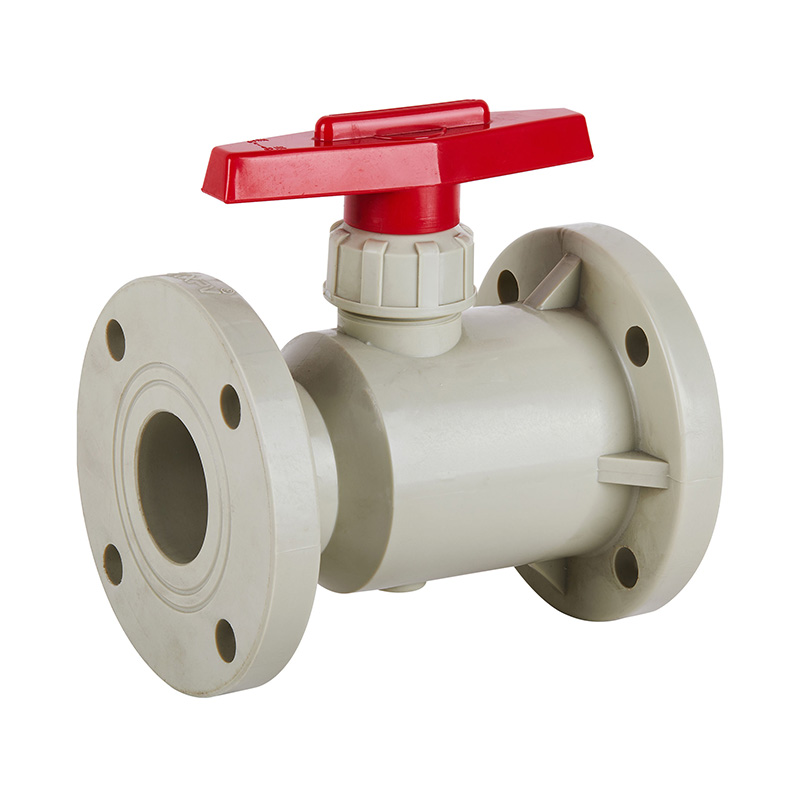
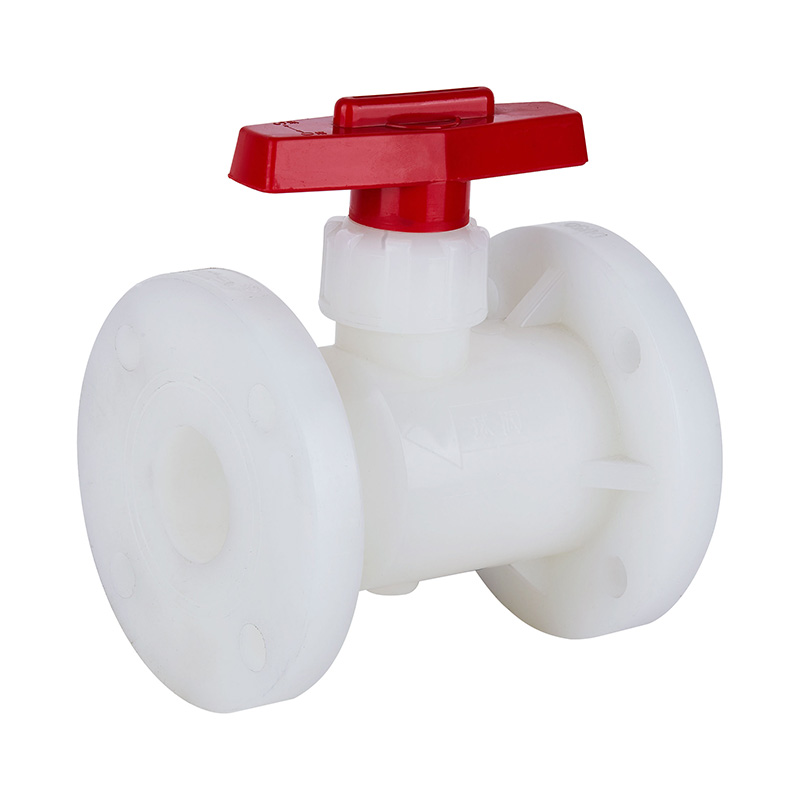
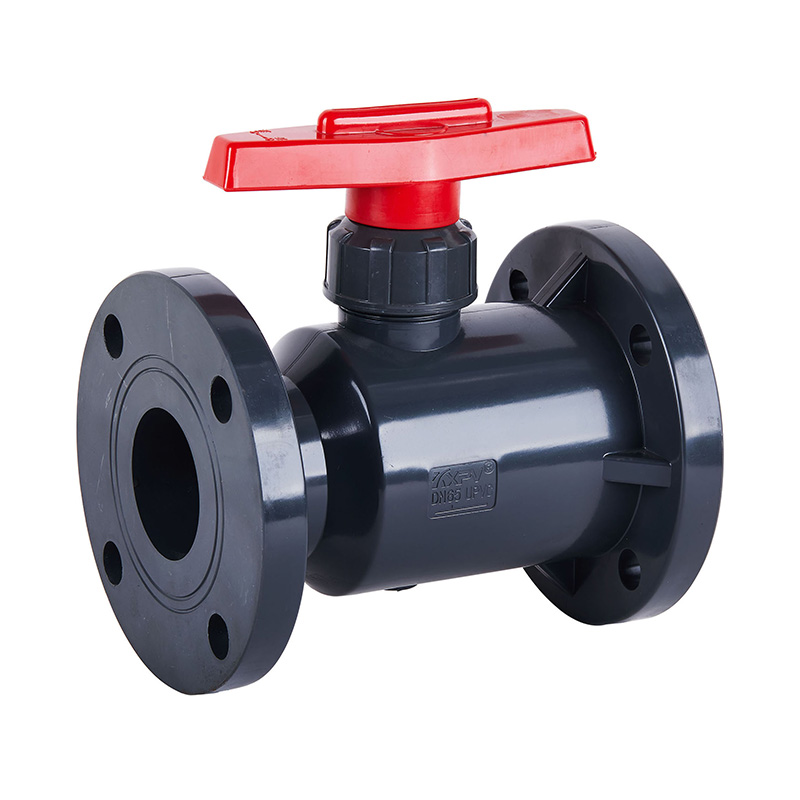
Best Quality heat resistant CPVC Worm-Gear Type Flange Ball Valve DN25-DN1000 ANSI Standard manual Industrial Plastic Valve

Model NO.:D371X-10F

Material:Plastic

Connection Form:Flange

Driving Mode:Manual

Nominal Pressure:10kg

Channel:Straight Through Type

Structure:Fixed Ball Valve

Function:Bypass-Valve

Temperature:High Temperature

Application:Industrial Usage, Water Industrial Usage, Household Usage

Specification:DN25-DN1000

Standard:ANSI

Origin:Beilun Ningbo China

HS Code:8481804090
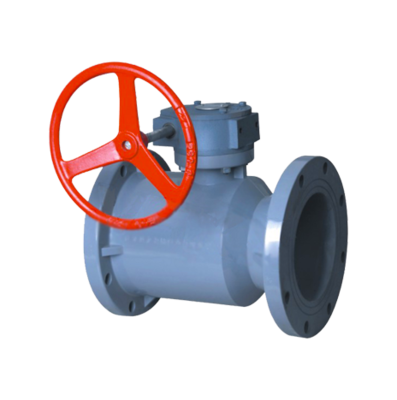

Main Structural Features

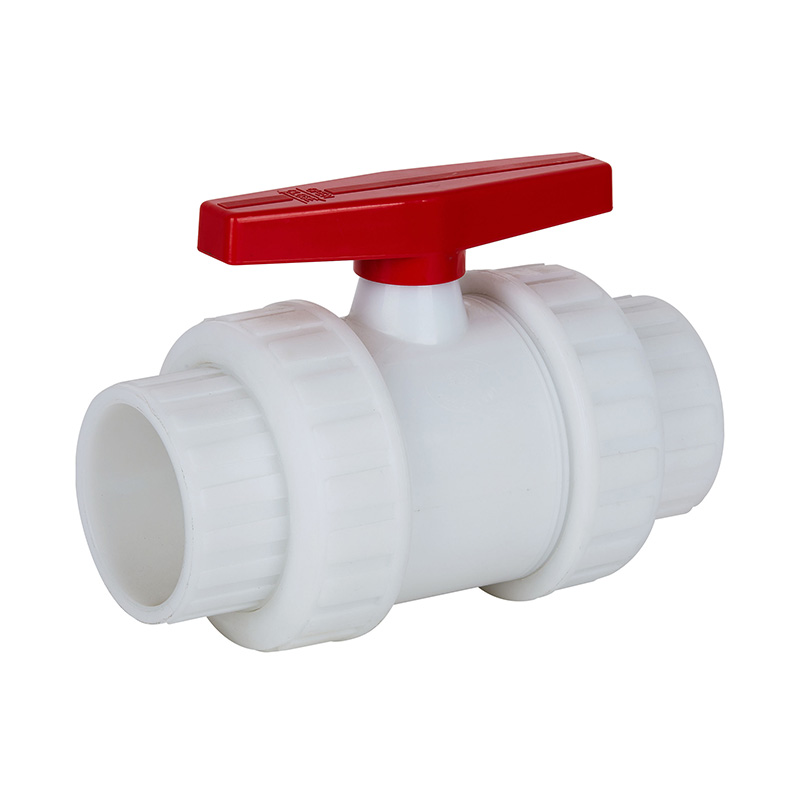
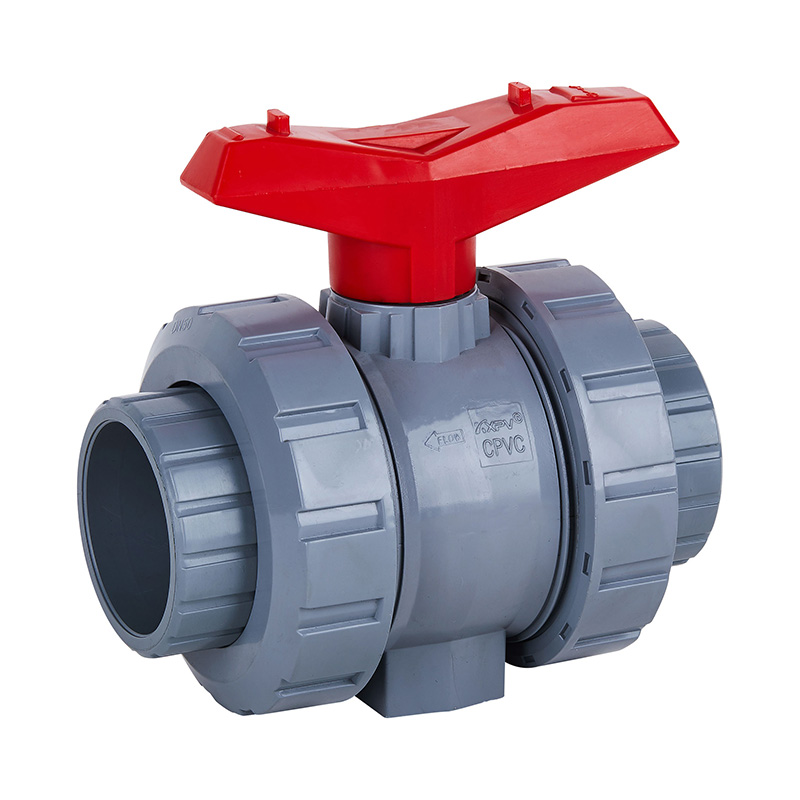
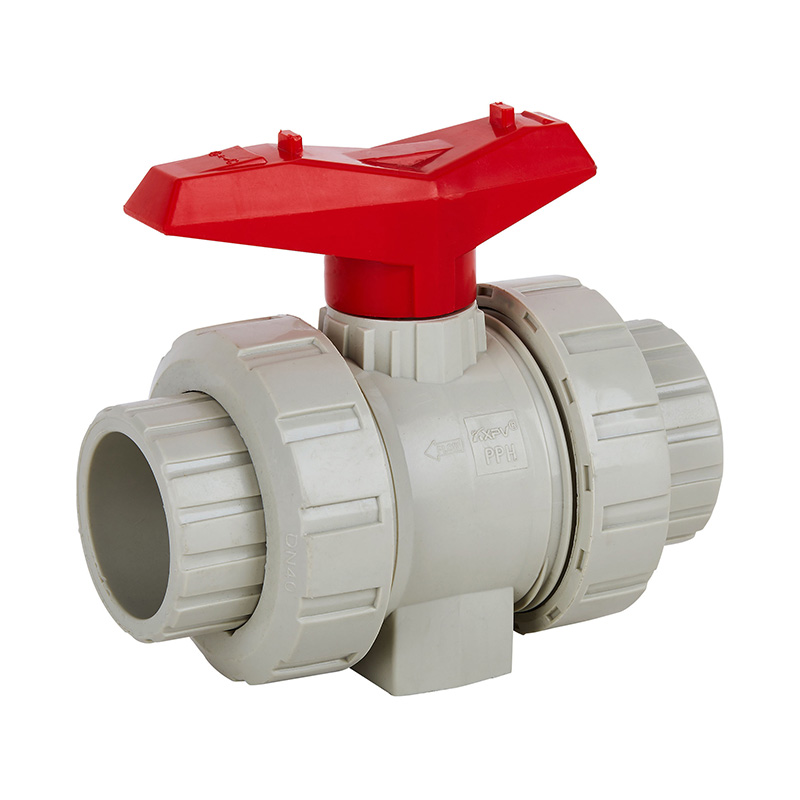
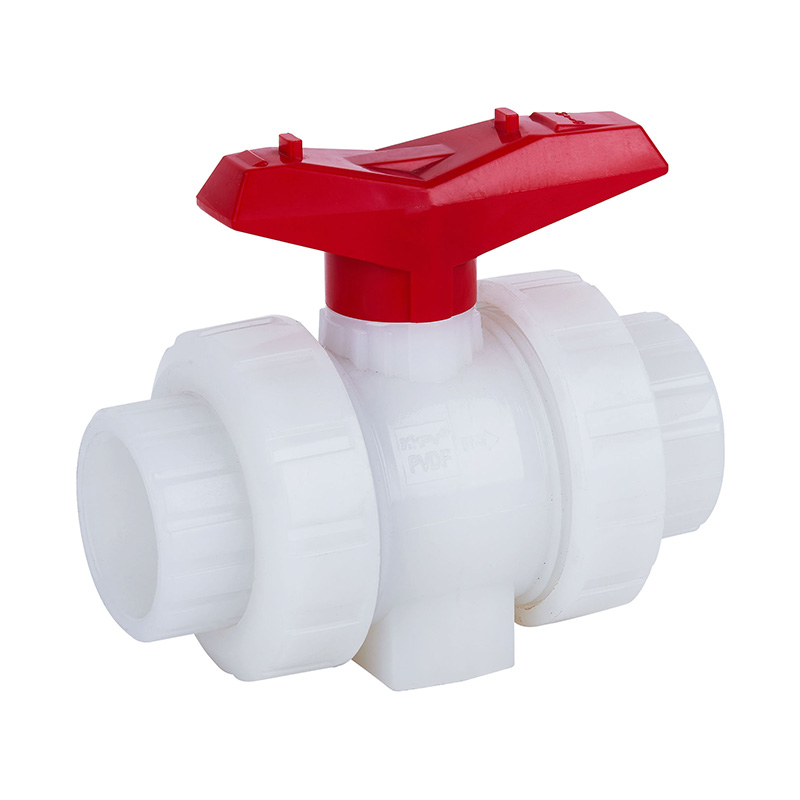
 1.Engineering plastic series ball valve adopts FRPP,PVDF, CPVC, UPVC, PPH etc the corrosion resistance thermoplastic plastic which formed in a single injection molding and has a strong ability to resist corrosion.

2.Reliable seal,small opening and closing torque Opening and closing torque .

3.Small fluid resistance,Open/close quickly.

4.Simple structure,beautiful appearance.


App temperature bound list

Material Medium temperature°C Material Medium temperature°C
CPVC -20℃~+95℃ PPH -20℃~+110℃
UPVC -0℃~+65℃ PVDF -40℃~+150℃
FRPP -14℃~+90℃    

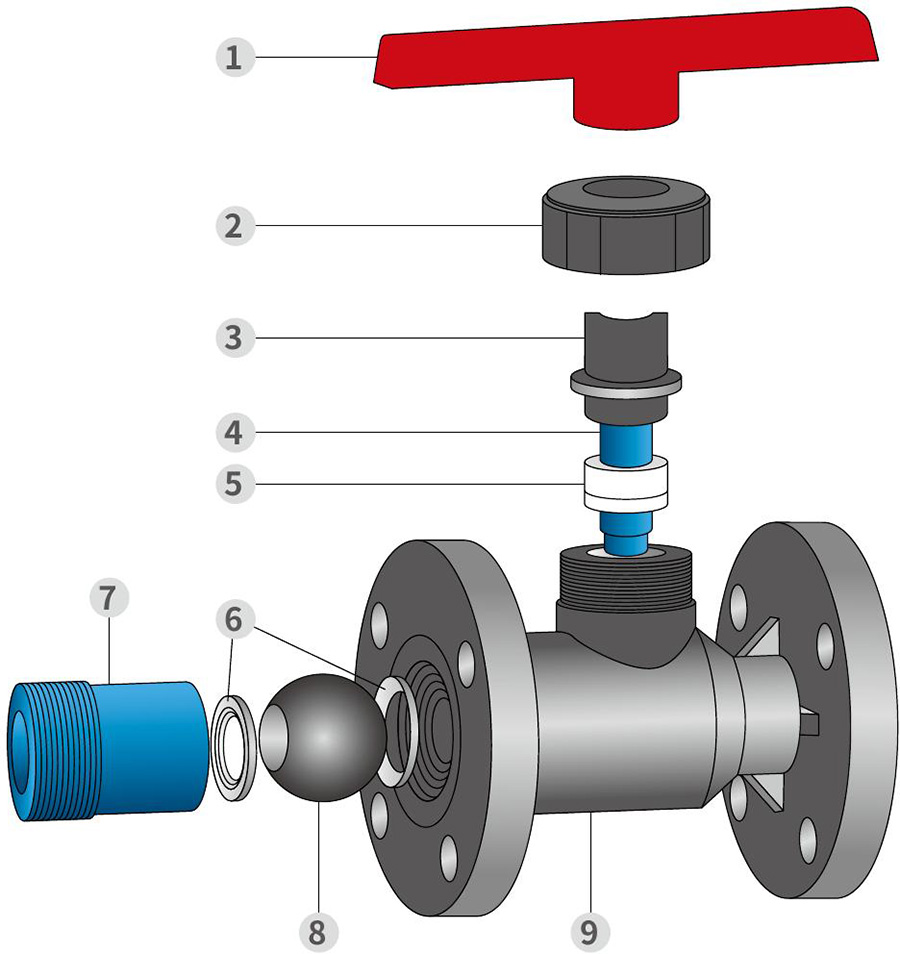
Boddily Form Ball Valve Assembly Detail Drawing


Part Material Table


No. Name Material
1 Handle Aluminum alloy
2 Retaining Nut FRPP、PVDF、UPVC、CPVC、PPH
3 Inner Plug FRPP、PVDF、UPVC、CPVC、PPH
4 Stem FRPP、PVDF、UPVC、CPVC、PPH
5 Stem seal PTFE
6 Sealed ball PTFE
7 Seal seat FRPP、PVDF、UPVC、CPVC、PPH
8 Ball FRPP、PVDF、UPVC、CPVC、PPH
9 Body FRPP、PVDF、UPVC、CPVC、PPH
Product Consultation