

 EN
EN English
 Español
 عربى
عربى русский
 中文简体
中文简体
Kaixin, a high-tech enterprise specialized in the R&D, production and sales of polymer pipeline valves.
Valves are pipeline accessories used to open and close pipelines, control flow, adjust and control the parameters (temperature, pressure and flow) of the conveying medium.
Basic terminology
1. Strength performance
The strength performance of the valve refers to the ability of the valve to withstand the pressure of the medium. The valve is a mechanical product that bears internal pressure, so it must have sufficient strength and rigidity to ensure long-term use without cracking or deformation.
2. Sealing performance
The sealing performance of the valve refers to the ability of each sealing part of the valve to prevent the leakage of the medium. It is the most important technical performance index of the valve.
The valve has three sealing positions: the contact between the opening and closing parts and the two sealing surfaces of the valve seat; the matching place between the packing and the valve stem and the stuffing box; the connection between the valve body and the bonnet. The previous leakage is called internal leakage, which is commonly referred to as lax closure, which will affect the ability of the valve to cut off the medium.
For shut-off valves, internal leakage is not allowed. The latter two leaks are called external leakage, that is, the medium leaks from the inside of the valve to the outside of the valve. Leakage can cause material loss, pollute the environment, and cause accidents in severe cases.
For flammable, explosive, toxic or radioactive media, leakage is not allowed, so the valve must have reliable sealing performance.
3. Flowing medium
After the medium flows through the valve, there will be pressure loss (that is, the pressure difference before and after the valve), that is, the valve has a certain resistance to the flow of the medium, and the medium consumes a certain amount of energy to overcome the resistance of the valve.
From the perspective of energy conservation, when designing and manufacturing valves, the resistance of the valve to the flowing medium should be reduced as much as possible.
4. Hoisting force and hoisting moment
Opening and closing force and opening and closing torque refer to the force or moment that must be applied to open or close the valve.
When closing the valve, it is necessary to form a certain seal specific pressure between the opening and closing parts and the two sealing surfaces of the valve seat, and at the same time, it must overcome the gap between the valve stem and the packing, the thread between the valve stem and the nut, and the support at the end of the valve stem. The friction force of other friction parts, therefore, a certain closing force and closing torque must be applied. During the opening and closing process of the valve, the required opening and closing force and opening and closing torque are changed, and the maximum value is at the final instant of closing or opening The initial instantaneous. When designing and manufacturing valves, strive to reduce their closing force and closing torque.
5. Opening and closing speed
The opening and closing speed is expressed by the time required for the valve to complete an opening or closing action. Generally, there are no strict requirements on the opening and closing speed of the valve, but some working conditions have special requirements for the opening and closing speed. If some require rapid opening or closing to prevent accidents, some require slow closing to prevent water hammer, etc. This should be considered when selecting the valve type.
6. Action sensitivity and reliability
This refers to the sensitivity of the valve in response to changes in media parameters. For valves with specific functions such as throttle valves, pressure reducing valves, and regulating valves, as well as valves with specific functions such as safety valves and traps, their functional sensitivity and reliability are very important technical performance indicators.
7. Service life
It indicates the durability of the valve, is an important performance index of the valve, and has great economic significance. It is usually expressed in terms of the number of openings and closings that can guarantee the sealing requirements, and it can also be expressed in terms of use time.
8. Type
Classification of valves by purpose or main structural characteristics
9. Model
According to the type, transmission mode, connection form, structural characteristics, valve seat sealing surface material and nominal pressure, the number of the valve.
10. Connection size
(connection dimensions)
Valve and pipe connection size
11. Main dimensions
(general dimensions)
The opening and closing height of the valve, the diameter of the handwheel, and the connection size, etc.
12. Type of connection
Various methods (such as flange connection\threaded connection\welded connection, etc.) used to connect the valve to the pipeline or machinery and equipment.
13. Seal test
Test to check the performance of the opening and closing parts and the valve body sealing pair.
14. Back seal test
A test to verify the sealing performance of the valve stem and valve cover sealing pair.
15. Seal test pressure
The pressure specified when the valve is subjected to a sealing test.
16. Suitable medium (suitable medium)
The medium to which the valve can be applied.
17. Suitable temperature
The temperature range of the medium applicable to the valve.
18. Sealing face
The opening and closing parts are tightly attached to the valve seat (valve body), and the two contact surfaces play a sealing role.
19. Opening and closing parts (disc)
A general term for a kind of parts used to cut off or regulate the flow of media, such as the gate in the gate valve, the disc in the throttle valve, etc.
20. Packing
Packed into the stuffing box (or stuffing box) to prevent the medium from leaking from the valve stem.
21. Packing seat
The parts that support the packing and keep the packing sealed.
22, packing gland (gland)
The parts used to compress the packing to achieve sealing.
23, bracket (yoke)
On the valve cover or valve body, it is used to support the valve stem nut and the parts of the transmission mechanism.
24. Connection slot size
(dimension of connecting channel)
The structural size of the assembly connection part of the opening and closing part and the valve stem.
25. Flow area
It refers to the minimum cross-sectional area between the inlet end of the valve and the sealing surface of the valve seat (but not the "curtain" area), which is used to calculate the theoretical displacement without any resistance.
26. Flow diameter
Corresponds to the diameter of the flow channel area.
27, flow characteristics (flow characteristics)
In a steady flow state, when the inlet pressure and other parameters remain unchanged, the outlet pressure of the pressure reducing valve is a function of the flow rate.
28. Flow characteristics derivation
In a steady flow state, when the inlet pressure and other parameters remain unchanged, the outlet pressure change value caused by the change in the flow rate of the pressure reducing valve.
29, general valve (general valve)
Valves commonly used on pipelines in various industrial enterprises.
30. Self-acting valve
A valve that relies on the ability of the medium (liquid, air, steam, etc.) to act on its own.
31. Actuated valve
Valves operated by manual, electric, hydraulic or air pressure.
32, hit the hand wheel
(hammer blow handwheel)
Handwheel structure that uses impact force to reduce the operating force of the valve.
33. Worm gear actuator (wormgear actuator)
A device that uses a worm gear mechanism to open and close or adjust a valve.
34. Pneumatic actuator
Use air pressure to open and close or adjust the valve drive device.
35. Hydraulic actuator
Use hydraulic pressure to open and close or adjust the valve drive device.
36. Hot condensate capacity
The maximum amount of condensed water that can be discharged from the trap at a given pressure difference and temperature
37. Steam loss
The amount of live steam leaking out of the trap per unit time.
Valve definition terms
1.Valve
It is used to control the flow of the medium in the pipeline and is the totality of mechanical products with a movable mechanism.
2.Gate valve (gate valve, slide valve)
A valve in which the opening and closing parts (gate) are driven by the valve stem and move up and down along the valve seat (sealing surface).
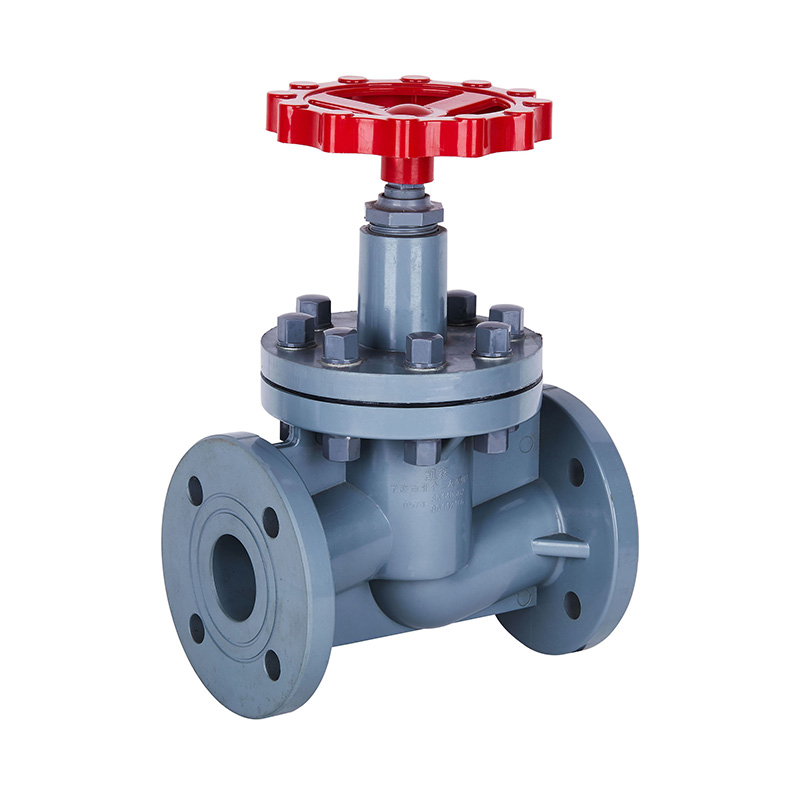
3. Globe valve, stop valve
The open-close type (disc) is driven by the valve stem and moves up and down along the axis of the valve seat (sealing surface).
4. Throttle valve
The valve is used to adjust the flow and pressure by changing the cross-sectional area of the passage through the opening and closing parts (disc).
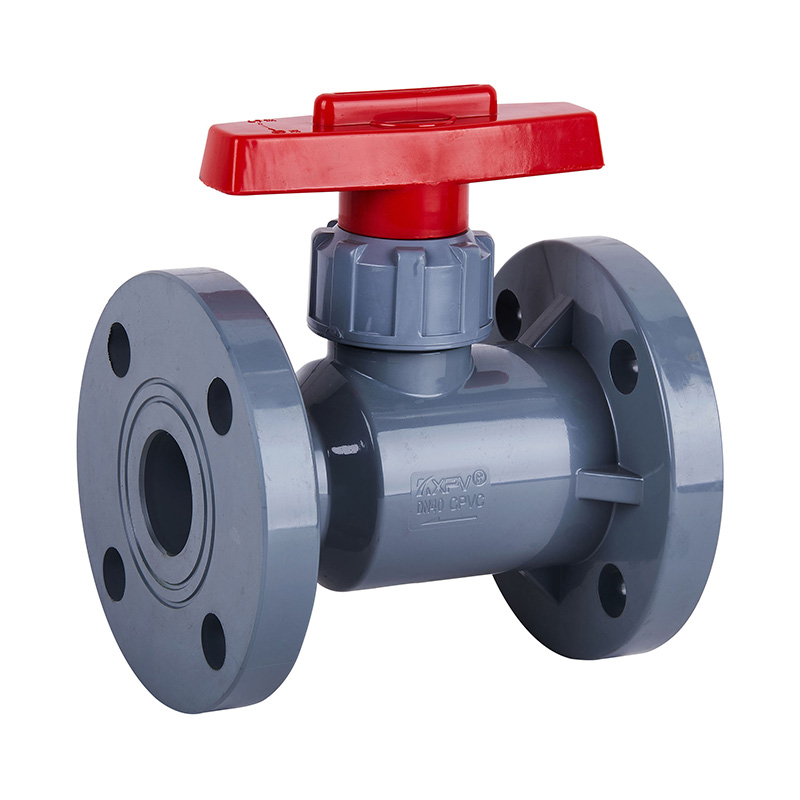
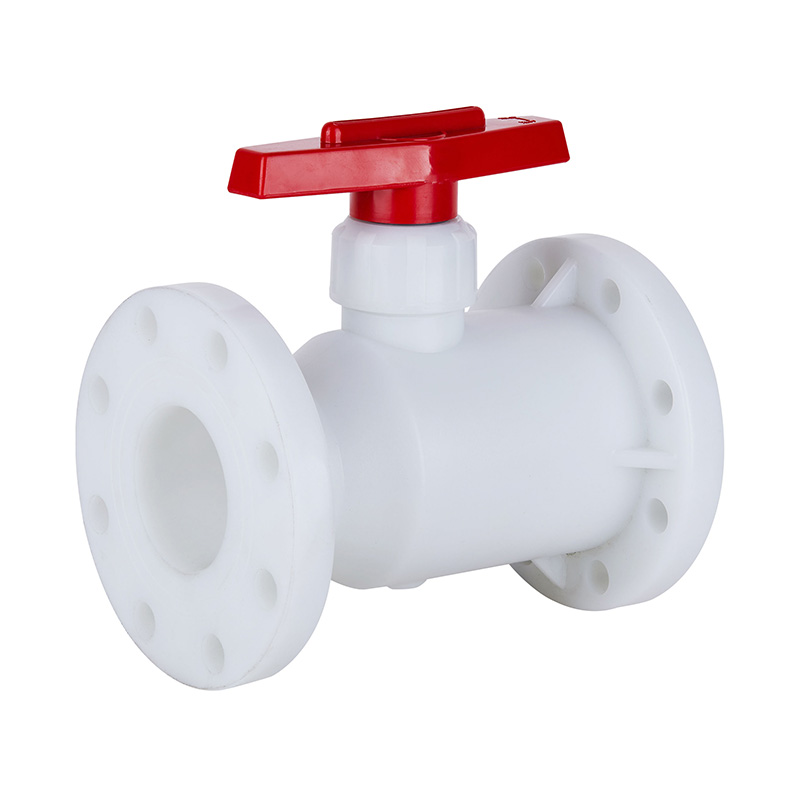
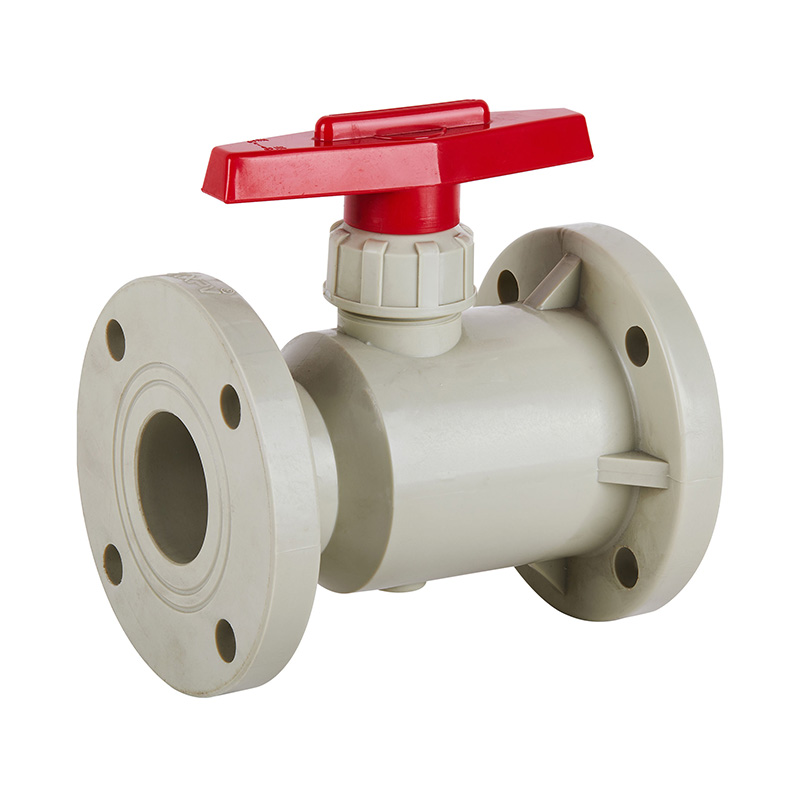
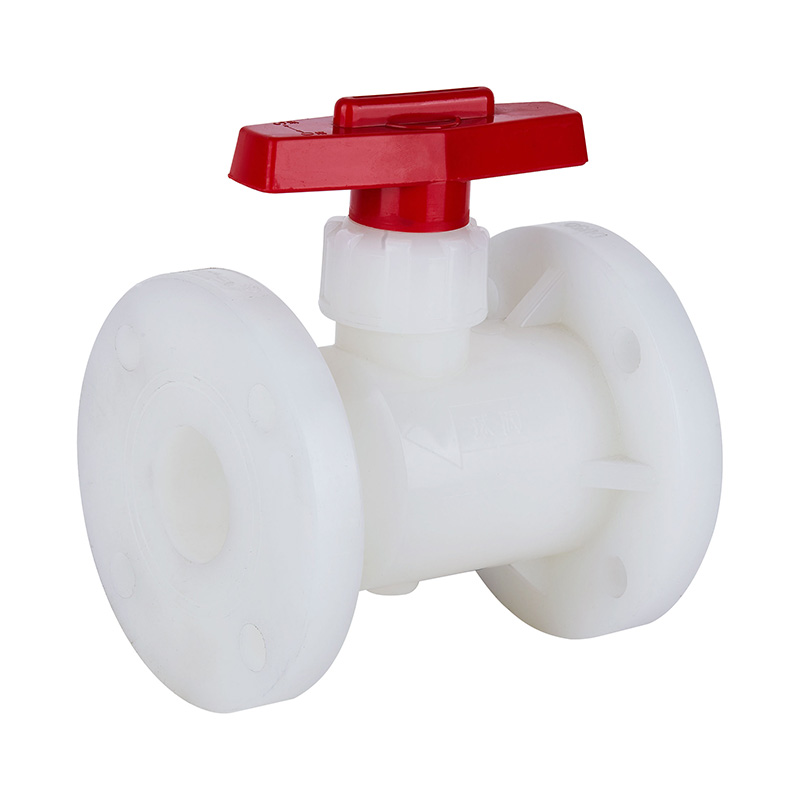
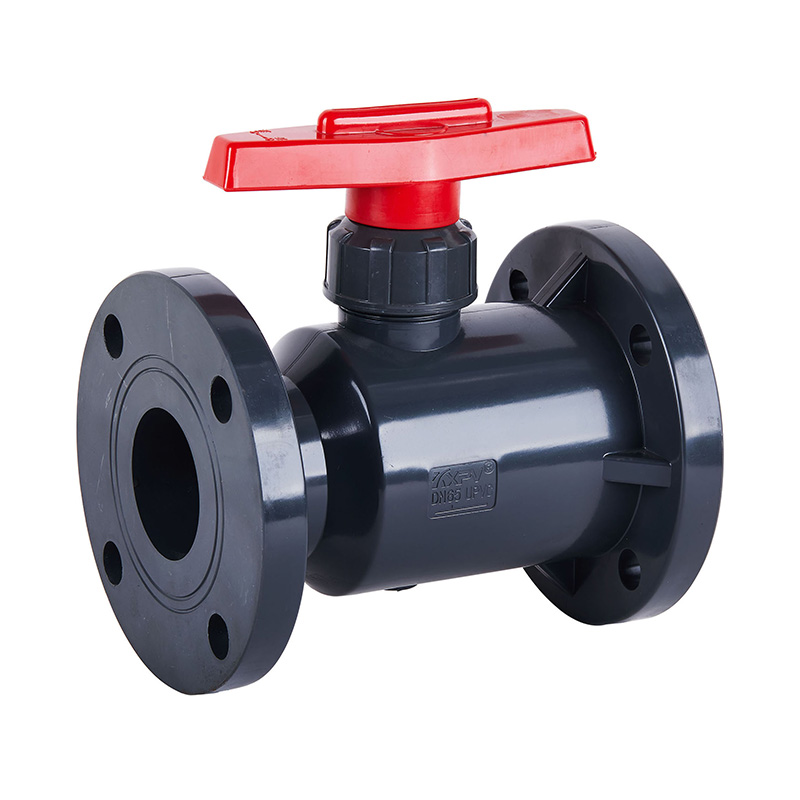
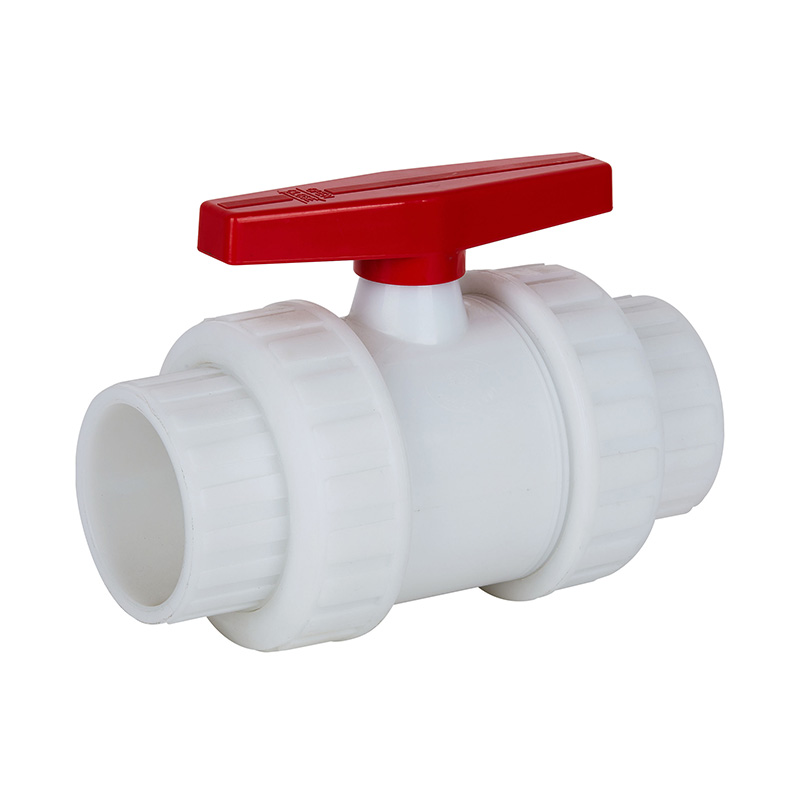
5.Ball valve
Open-close type (sphere) is a valve that rotates around a curve perpendicular to the passage.
6.Butterfly valve
Open-close (butterfly) valve that rotates around a fixed axis.
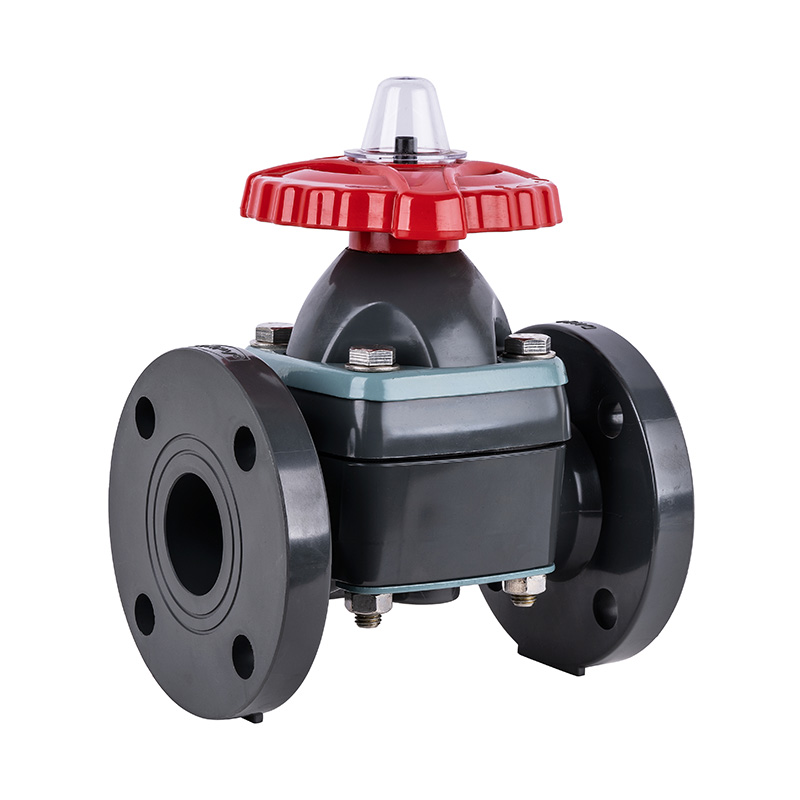
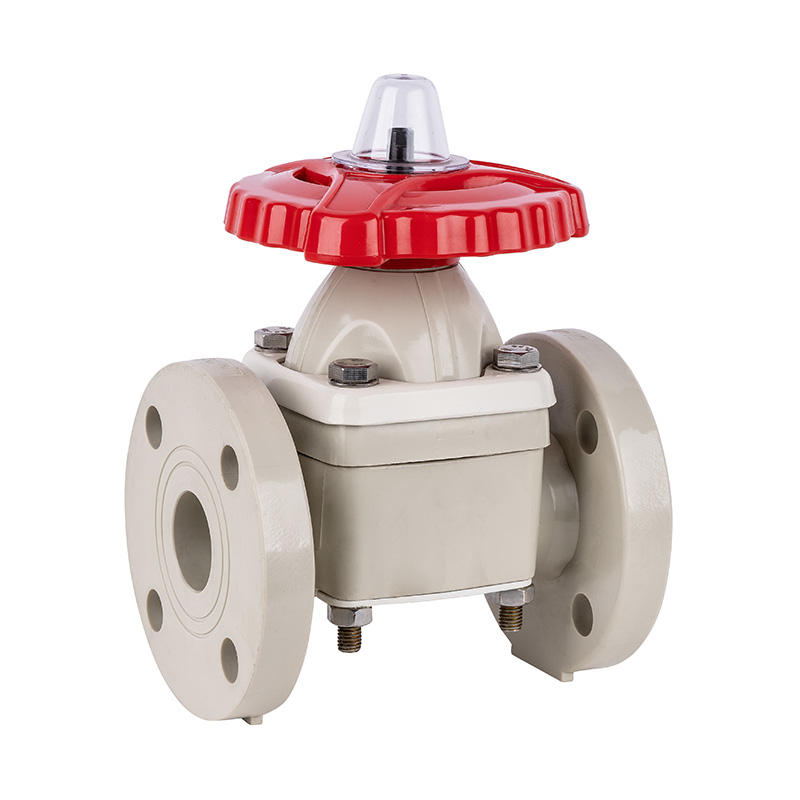
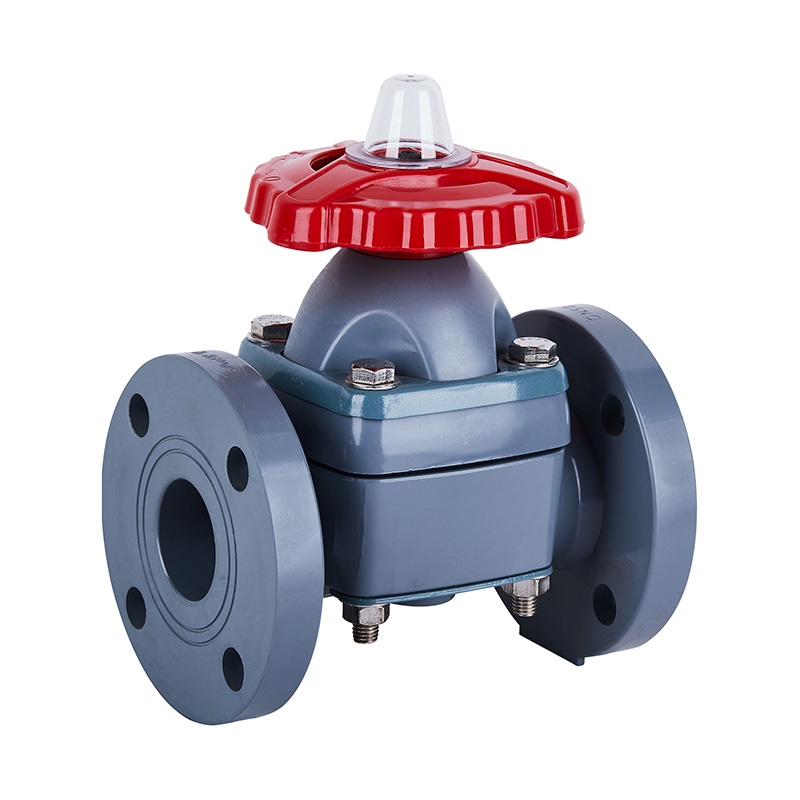
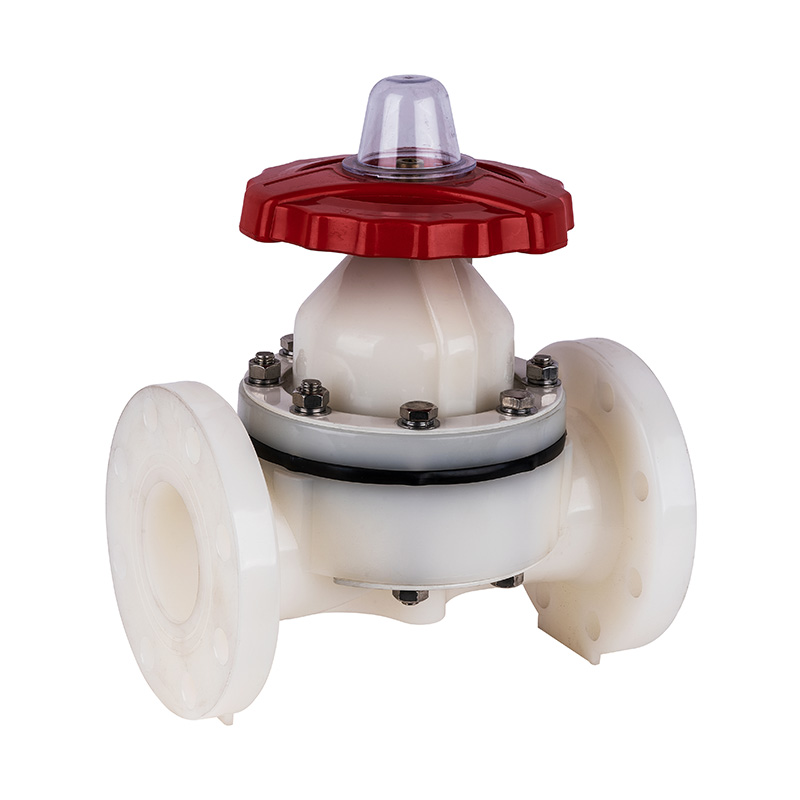
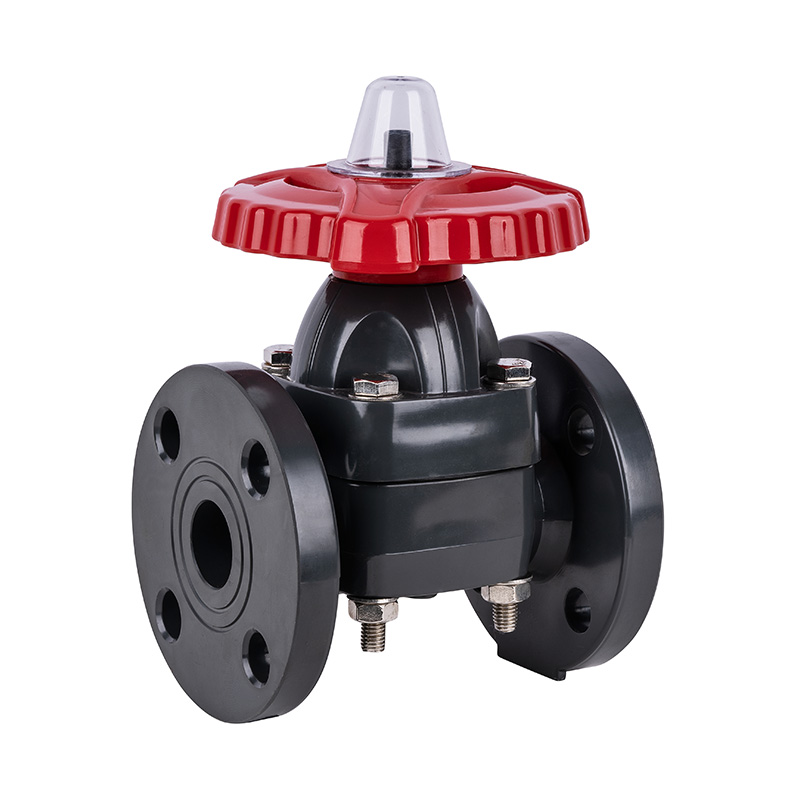
7. Diaphragm valve
The open-close type (diaphragm) is a valve that is driven by the valve stem, moves up and down along the axis of the valve stem, and separates the action mechanism from the medium.
8.Cock valve (cock)
Open-close (plug) valve that rotates around its axis.
9. Check valve, non-return valve
Open-close type (valve clack) is a valve that uses the force of the medium to automatically prevent the medium from flowing backward.
10. Safety valve (safety valve, relief valve)
Open-close type (valve) is a valve that automatically opens and discharges when the pressure of the medium in the pipeline or machinery and equipment exceeds the specified value; automatically closes when it falls below the specified value, and protects the pipeline or machinery.
11. Pressure reducing valve
Through the throttling of the opening and closing parts (valve clack), the pressure of the medium is reduced, and the pressure behind the valve is automatically maintained within a certain range by the direct action of the pressure behind the valve.
12. Steam trap
A valve that automatically discharges condensed water and prevents steam leakage.
13.Draining Valves
Valves used for blowdown of equipment such as boilers and pressure vessels.
14. Low pressure valve
Various valves with nominal pressure PN≤1.6MPa.
15.Middle pressure valve
Various valves with nominal pressure of PN≥2.0~PN<10.0MPa.
16.high pressure valve
Various valves with nominal pressure PN≥10.0MPa.
17.Super high pressure valve
Various valves with nominal pressure PN≥100.0MPa.
18.High temperature valve
Used for various valves with medium temperature> 450°C.
19. Sub-zero valve
Used for various valves whose medium temperature is -40℃~-100℃.
20. Cryogenic valve
Used for various valves with medium temperature <-100°C.
Valve structure terminology
1. Structure length (face-to-face dimension, face-to-centre dimension)
The distance between the inlet and outlet end faces of the valve; or the distance between the inlet end face and the outlet axis.
2. Straight-through valve structure length
(through way type of valves Face to face dimensions)
The distance between two planes perpendicular to the valve axis at the end of the valve body passage.
3. Angle valve structure length
(angle type of valves Face to face,end to end, center to face and centerto end dimensions)
The distance between a plane perpendicular to the axis at one end of the valve body passage and the axis of the other end of the valve body.
4. Type of construction
The main features of various types of valves in structure and geometry.
5. Through way type
The inlet and outlet axes coincide or are parallel to each other in the form of valve bodies.
6. Angle type
The inlet and outlet axis are perpendicular to each other in the form of valve body.
7. Direct current (y-globe type, y-type, diaphragm type)
The passage is in a straight line, and the position of the valve stem is at an acute angle to the axis of the passage of the valve body.
8. Three way type
Valve body form with three passage directions.
9. T-pattern three way
The passage of the plug (or sphere) is in the form of a three-way "T" ring.
10. L-pattern three way
The passage of the plug (or sphere) is a three-way "L".
11. Balance type
A structural form that uses medium pressure to balance its axial force on the valve stem.
12. Lever type
The structure of the opening and closing parts is driven by a lever.
13. Normally open type
When there is no external force, the opening and closing parts are automatically in the open position.
14. Normally closed type
When there is no external force, the opening and closing parts are automatically in the closed position.
15. Heat preservation type (steam jacket type)
Various valves with steam heating jacket structure.
16. Bellows seal type
Various valves with bellows structure.
17. Full-opening valve
Valves where the inner diameter of all parts of the flow channel in the valve is the same as the nominal inner diameter of the pipe.
18. Reduced-opening valve
A valve with a reduced diameter of the flow passage hole in the valve.
19. Reduced-bore valve
The diameter of the flow passage hole in the valve is reduced, and the flow passage opening of the valve closing part is a non-circular valve.
20. One-way valve (un-directional valve)
The valve is designed to be sealed in only one direction of medium flow.
21. Bi-directional valve
Designed as a valve sealed in both directions of medium flow.
22. Two-seat two-way valve
(twin-seat, both seats bi-directional, valve)
The valve has two sealing seats, and each valve seat can be sealed in both directions of medium flow.
23. One-way seat, one two-way seat double seat valve
(twin-seat, one seat un-directional and one seatsbi-directional, valve)
For a valve with two sealing pairs, when in the closed position, the two sealing pairs can maintain the sealing state at the same time, and the valve body in the middle cavity (between the two sealing pairs) has an interface for discharging medium pressure. Represents the symbol DBB.
24. Back seat, back face
 Headquarters: No. 539 Bohai Road, Beilun District, Ningbo City, Zhejiang Province, P.R. China
 +86-18067123177